Last updated Aug 7, 2026
Affordable storage starts with more than finding the lowest advertised monthly rate. The size you select, how long you rent, how efficiently you pack, and whether the facility fits your loading and access needs can all influence the overall cost.
The PwC/Self Storage Association Emerging Trends Report found that the percentage of U.S. households renting at least one self-storage unit rose from 11.1% in 2022 to 13.4% in 2024. As more households use storage during moves, renovations, downsizing projects, and other transitions, choosing space carefully becomes increasingly important.
This guide focuses on practical ways to control storage expenses in Federal Way without paying for space or features that do not match your needs.
An introductory rate may look attractive, but it does not always represent what you will pay throughout the rental.
Before completing a reservation, review:
Regular monthly rate: Check what the unit will cost after any introductory offer ends.
Move-in total: Review all charges shown before finalizing the rental.
Billing schedule: Confirm when monthly payments are due.
Rate adjustments: Read how future changes may be communicated.
Coverage terms: Determine whether the rental agreement requires stored-property coverage.
Lock requirements: Confirm which lock type is compatible with the unit.
Move-out process: Understand notice requirements and whether partial months are prorated.
Budgeting around the regular monthly rate can help prevent a promotion from making a larger or less suitable unit appear more affordable than it really is.
Unit size is one of the strongest cost drivers. A space that is too large creates unnecessary monthly expense, while one that is too small may force you to rearrange belongings repeatedly or rent additional space.
SecureSpace Self Storage Federal Way offers these primary sizes:
5x5
5x15
10x10
10x15
10x20
10x25
10x30
A 5x10 is not among the facility's primary sizes.
A 5x5 may work for seasonal decorations, boxes, sporting equipment, student belongings, small furniture, or a limited amount of permitted business property.
This size is most economical when belongings can be stacked safely and you do not need extensive room to move inside the unit.
A 5x15 provides added depth for mattresses, shelving, furniture, renovation items, and rows of packed containers.
Because the unit is deeper, plan an access path if you expect to retrieve belongings stored near the back.
The SpareFoot Storage Unit Size Guide identifies the 10x10 as the most popular storage-unit size nationally.
At this location, a 10x10 may suit furniture, appliances, and packed belongings from a smaller residence. Actual capacity depends on item dimensions, disassembly, stacking, and the amount of aisle space left open.
A 10x15 offers additional room for larger furniture, household moves, renovation storage, or permitted business supplies and equipment.
Dividing the unit into zones can make it easier to separate furniture, boxes, and frequently retrieved items.
The largest primary sizes may be appropriate for multiroom moves, major home renovations, extensive furniture, tools, equipment, or substantial business storage.
These units cannot be used for indoor vehicle storage. Vehicles are not permitted inside the facility's drive-up units.
A simple inventory can prevent costly sizing mistakes.
Measure sofas, mattresses, tables, appliances, shelving, equipment, and any furniture that cannot be taken apart.
Separate small, medium, and large boxes rather than relying on one total count. Uniform containers are easier to arrange, but dense items should remain in smaller boxes that can be lifted safely.
A tightly packed unit may hold more, but it can make individual items difficult to reach. Leave an aisle when you expect to visit regularly.
Compare an item's usefulness or replacement cost with the expense of storing it for several months. Selling, donating, recycling, or discarding unwanted belongings may reduce the size you need.
Organization can help a smaller unit serve the same purpose as a larger, poorly arranged one.
Remove table legs, bed frames, shelves, and other detachable parts when practical. Keep hardware in labeled bags with the corresponding item.
Shelving can keep smaller boxes visible and reduce unstable stacks. Do not attach shelves, hooks, or hardware to the unit walls.
Place appliances, sturdy furniture, and dense containers near the floor. Lighter boxes can be positioned above them when the stack remains stable.
Clean, dry drawers and cabinets may hold lightweight belongings. Avoid placing heavy items inside furniture that could be damaged during moving.
Labels on multiple sides remain visible after stacking. A simple inventory number can connect each box with a written or digital list.
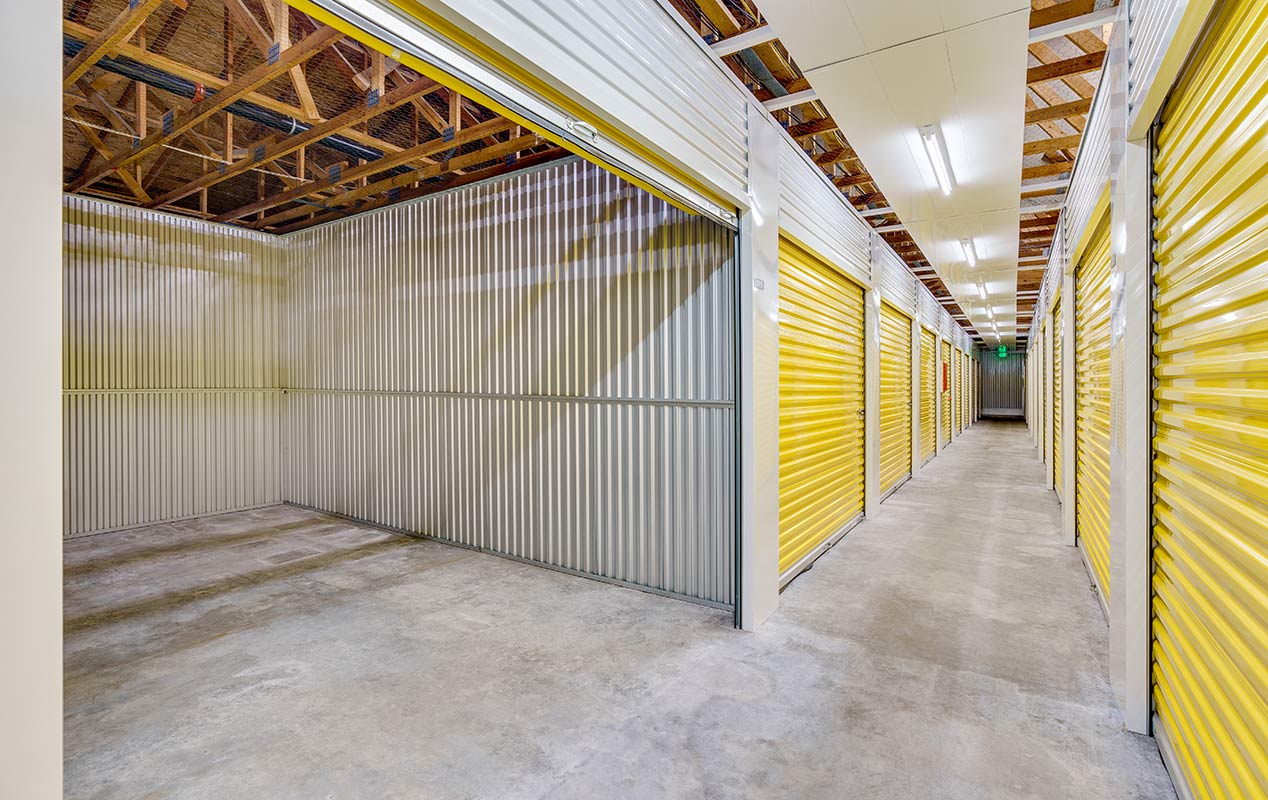
SecureSpace Self Storage Federal Way does not offer heated or climate-controlled units. Customers should decide whether standard storage is appropriate for each belonging.
Do not store damp furniture, rugs, clothing, boxes, or outdoor equipment. Allow everything to dry before packing or covering it.
Replace torn or weakened boxes before stacking. Lidded bins may work for certain belongings, but they should not be treated as fully waterproof.
Appliances, electronics, batteries, instruments, and other products may have specific storage requirements. Review those instructions before placing them in a standard unit.
Highly sensitive, irreplaceable, or exceptionally valuable items may require a specialized storage arrangement.
A low monthly rate may lose its value if the unit requires extra labor, repeated trips, or equipment you did not plan to bring.
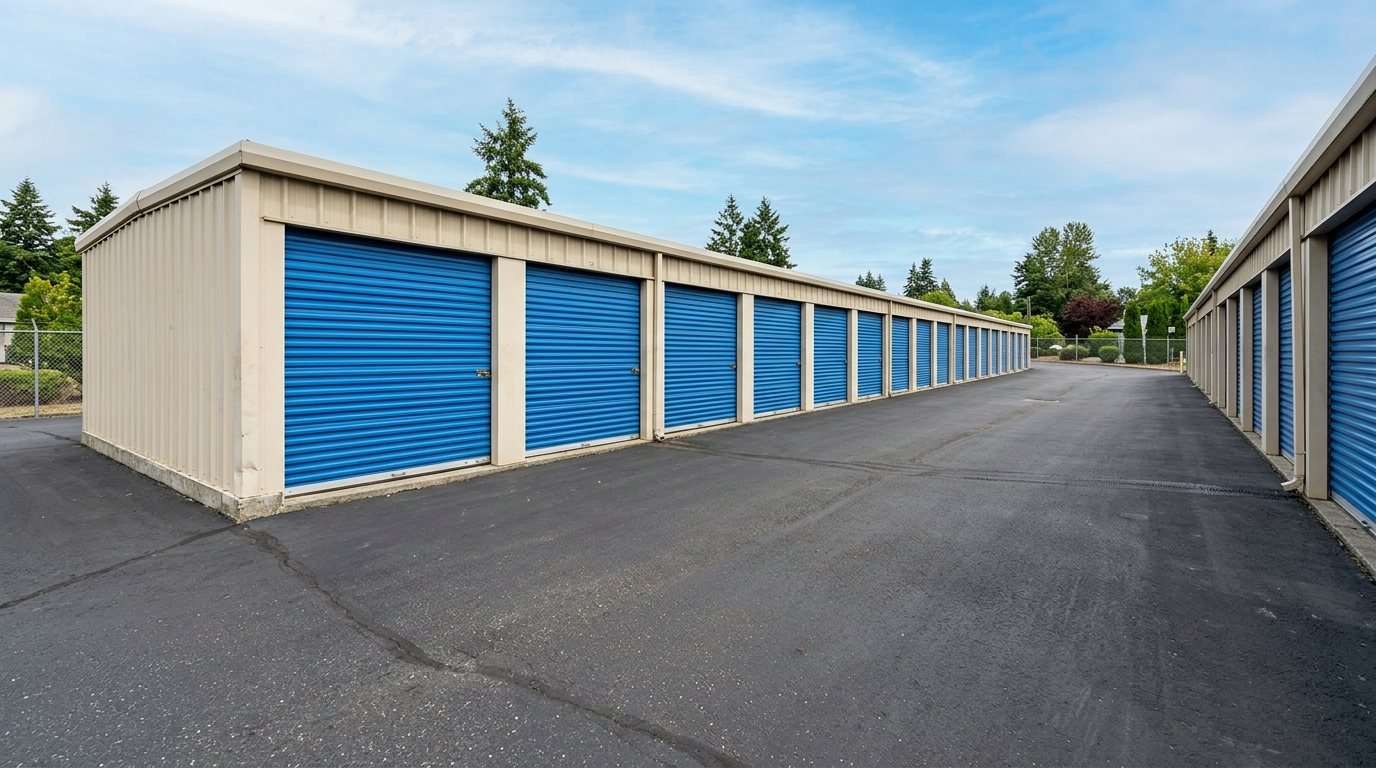
Selected units offer drive-up access, allowing a vehicle to be positioned near the unit entrance during loading and unloading.
Drive-up access is intended to simplify moving belongings. It does not permit vehicle storage inside the unit.
The facility does not provide:
Carts or dollies
An elevator
A loading dock
Covered loading
Semi-truck access
Moving-pod staging
Bring any hand trucks, furniture dollies, lifting straps, tarps, protective covers, or additional help required for the move.
Gate access is available daily from 6:00 a.m. to 9:00 p.m.
Scheduling movers and transportation within that window can help avoid extra trips or delays.
Month-to-month leases are available, which can be useful when the length of a move, renovation, or transition is uncertain.
This lease structure does not eliminate billing dates, notice requirements, or possible rate changes. Review the rental agreement before assuming you can leave at any point without additional charges.
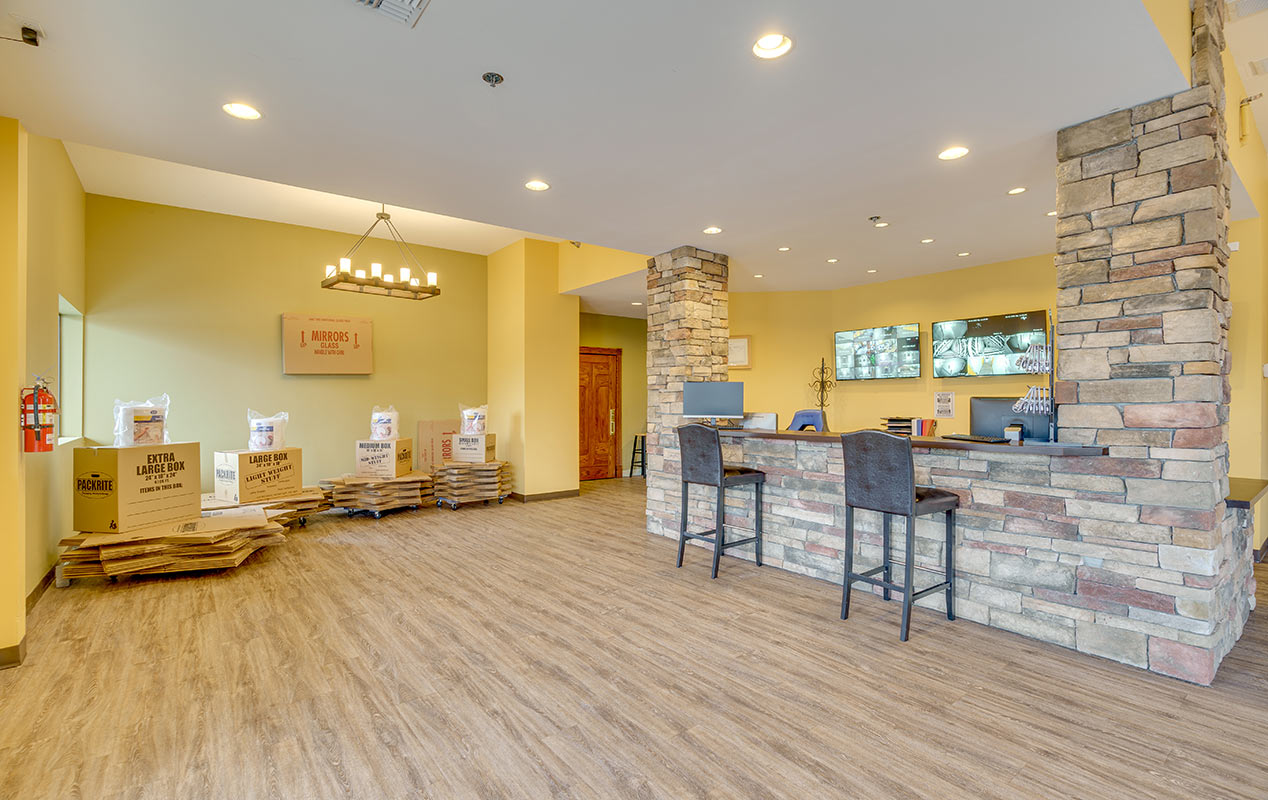
Online payments and ACH or credit card payment plans are available. Basic moving and packing supplies can also be purchased in the leasing office, although the exact inventory may vary.
Uncovered outdoor parking is available for eligible cars, motor vehicles, RVs, and boats.
Eligibility depends on vehicle dimensions, documentation, current availability, and facility rules. Covered parking is not offered, and trailer parking should be verified before arrival.
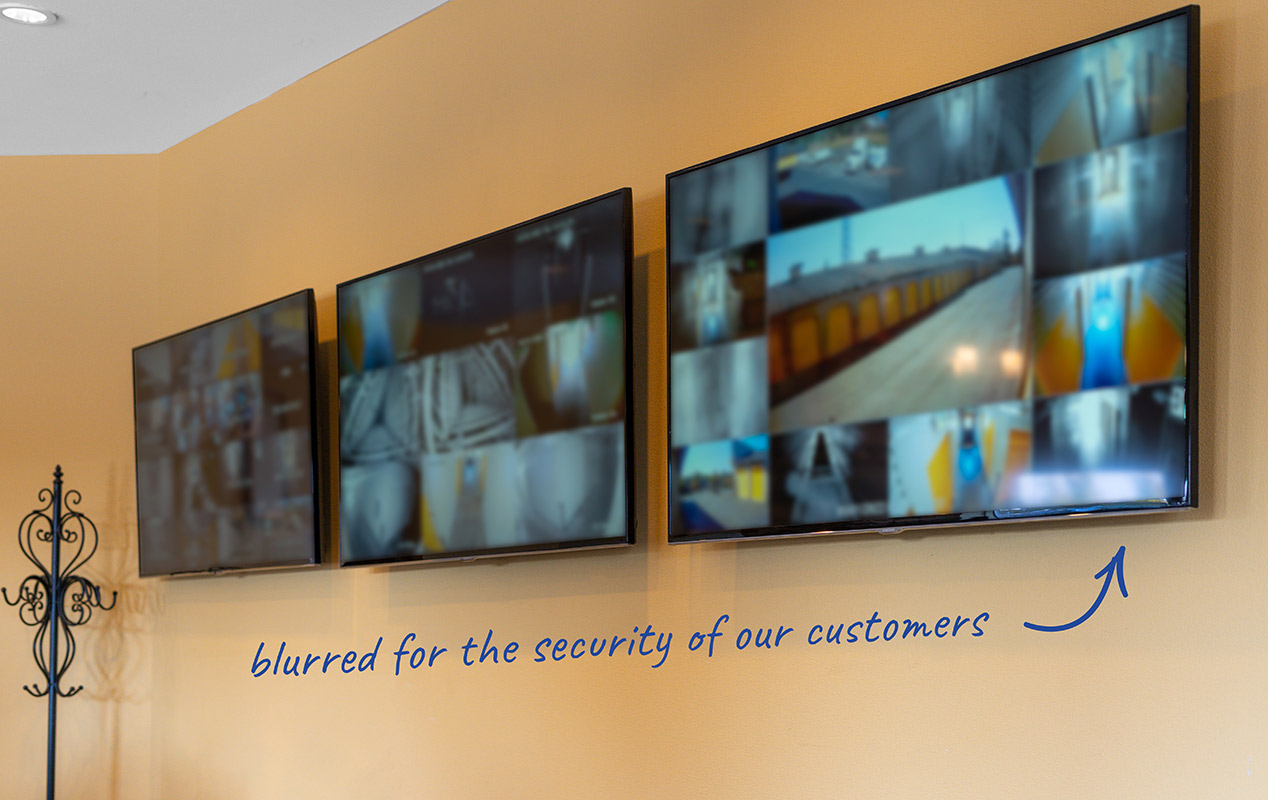
SecureSpace Self Storage Federal Way offers an access gate, digital video recording, and overnight surveillance.
These features do not guarantee that property will be protected from theft, loss, or damage. Customers should also:
Use a compatible lock.
Limit access information.
Keep an inventory of stored belongings.
Photograph higher-value property.
Review applicable insurance or coverage terms.
Do not select a larger unit solely because it appears easier to pack. Measure first and reserve enough room for safe organization and access.
A discount may reduce the first payment, but the standard monthly rate matters more if the rental continues.
Packing efficiently before arriving can reduce loading time and make it easier to use the full unit.
Group belongings by destination and expected retrieval date. Better planning may reduce unnecessary return trips.
If belongings are removed during the rental, determine whether moving to a smaller available unit would make financial sense. Transfers depend on inventory and facility procedures.
Rates vary by unit size, current availability, unit features, and active promotions. Review the current listing and full move-in total before renting.
The 5x5 is the smallest primary unit at SecureSpace Self Storage Federal Way and will generally be priced below larger options. It is only a good value when it provides enough usable space for your belongings.
Primary sizes include 5x5, 5x15, 10x10, 10x15, 10x20, 10x25, and 10x30.
No. The Federal Way location offers standard, non-climate-controlled units.
Yes. Month-to-month leases are available. Review the agreement for billing dates, notice requirements, and move-out procedures.
Yes. Selected units provide drive-up access for loading and unloading.
No. Vehicles cannot be stored inside the storage units.
Eligible cars, motor vehicles, RVs, and boats may qualify for uncovered outdoor parking.
No. Customers must bring their own carts, dollies, and other moving equipment.
Customers can access the gate daily from 6:00 a.m. to 9:00 p.m.
Yes. Customers can pay online or use available ACH and credit card payment plans.
Measure large belongings, count packed boxes, remove unnecessary items, and decide how much aisle space you will need before selecting a size.
The most affordable storage choice is one that remains manageable after the introductory period. Choose a unit based on measured belongings, understand the regular rate, and organize the space so you are not paying for unused square footage.
View available units and current rates at SecureSpace Self Storage Federal Way.
Everything you need to store your belongings securely, on your schedule.
Visit us online