Last updated Jul 31, 2026
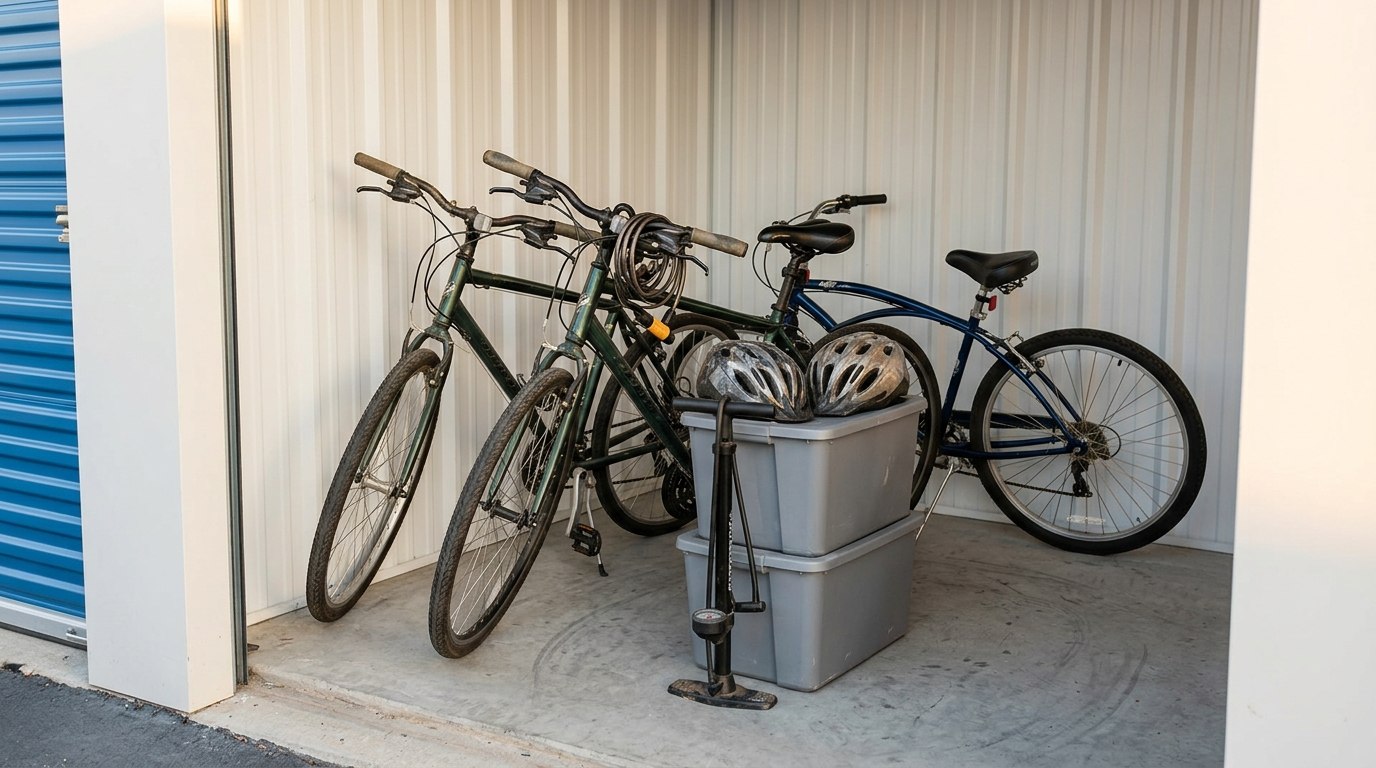
Bicycles can be difficult to store in apartments, smaller homes, and garages already filled with beach equipment. Beach cruisers have wide handlebars, mountain bikes require room around their components, and family bike collections can quickly block walkways or parking spaces.
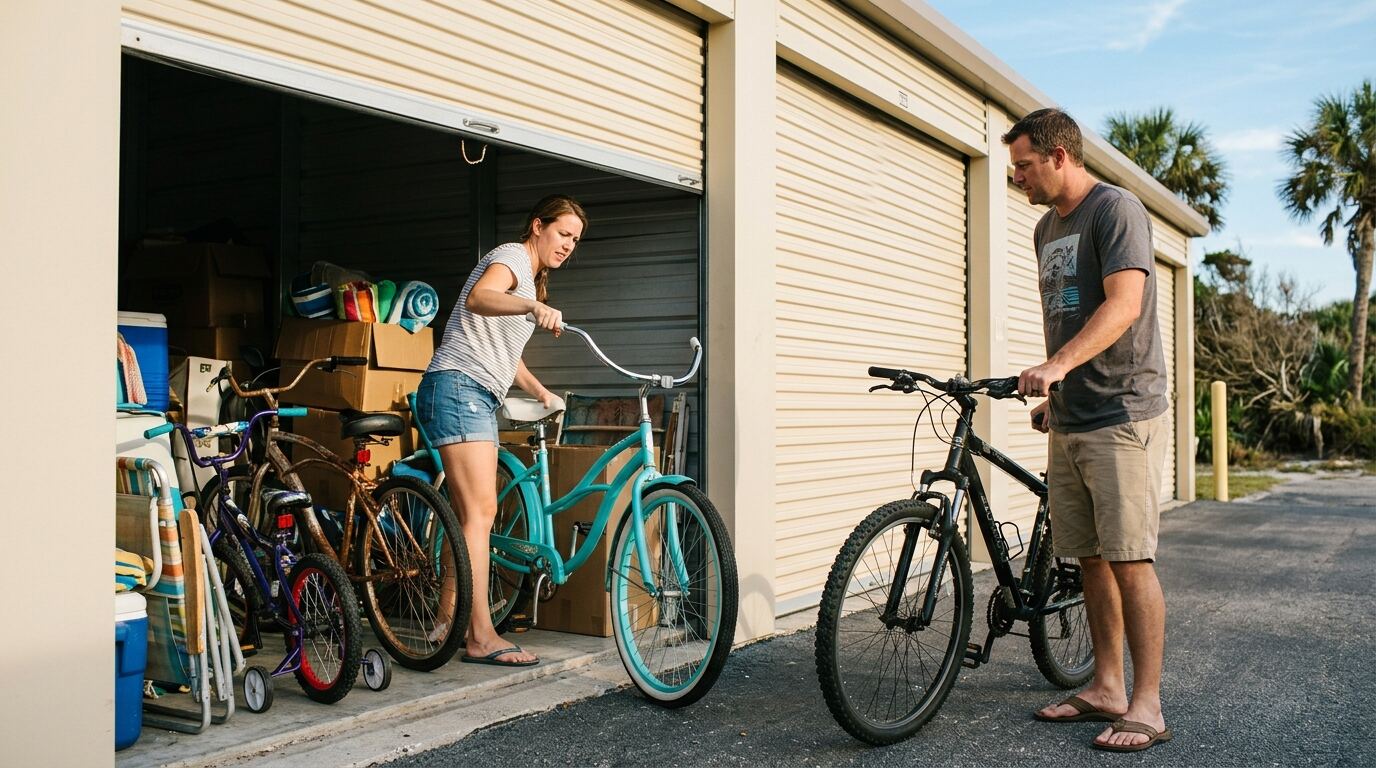
Atlantic Beach riders also need to account for sand, salt residue, rain, and moisture picked up during coastal rides. Self-storage can create additional room, but each bicycle should be cleaned, fully dried, and prepared according to the manufacturer's instructions before move-in.
This guide covers home bike-storage options, bicycle preparation, unit sizing, theft-deterrence steps, and what to know about storing bikes at SecureSpace Self Storage Atlantic Beach.
Atlantic Beach provides easy access to neighborhood streets, beachfront routes, and the trails at Kathryn Abbey Hanna Park.
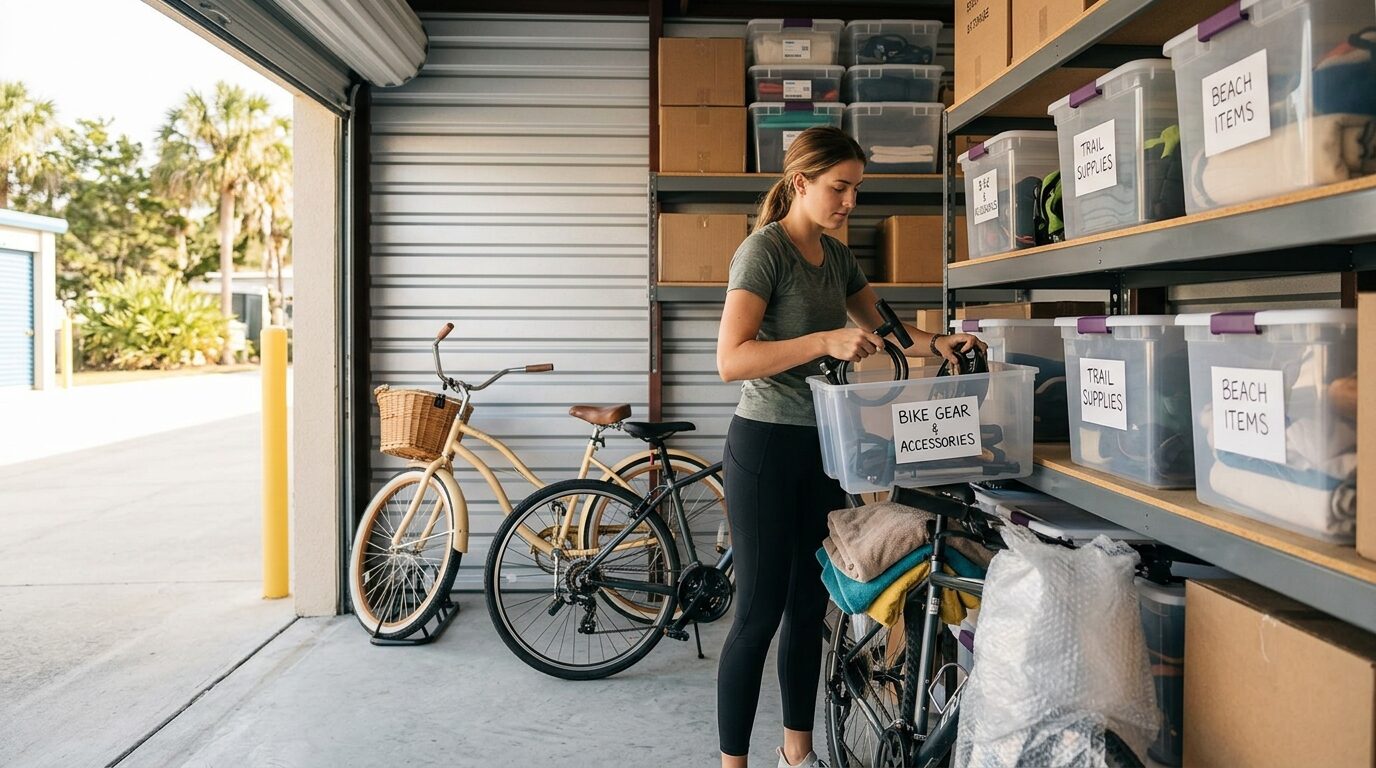
That convenience often means households own more than one type of bicycle, including beach cruisers, mountain bikes, children's bikes, and e-bikes.
Some homes and apartments may have limited garage, patio, or indoor storage space. A bicycle left in a hallway becomes an obstacle, while outdoor storage may expose it to rain, sand, salt residue, and changing weather conditions.
Coastal residue can contribute to corrosion on chains, cassettes, derailleurs, bolts, brake components, and other exposed metal parts. The rate and type of wear depend on the bicycle's materials, finish, maintenance, and exposure.
Home storage may be the simplest choice when you have enough room and can keep the bicycle away from traffic, moisture, and accidental contact.
REI breaks down the most common solutions for bike storage:
Floor stands: Hold a bicycle upright without requiring installation.
Freestanding racks: May support several bicycles while avoiding permanent wall attachments.
Gravity stands: Lean against a wall and use the bicycles' weight for stability.
Wall mounts: Save floor space but require appropriate installation and wall support.
Ceiling hoists: Use overhead space in garages with adequate clearance.
Wall-mounted and ceiling systems may work at home when properly installed. Do not attach hooks, racks, or hardware to a storage-unit wall unless the facility expressly approves it.
A storage unit may be helpful when:
Bicycles block a hallway, garage, or spare room.
Several family bikes need to be organized together.
Seasonal bikes are not used for part of the year.
Cycling equipment is stored alongside camping or beach gear.
A household is moving, renovating, or downsizing.
A bicycle collection has outgrown the available home-storage area.
Storage creates additional space, but it does not guarantee protection from theft, corrosion, moisture, weather effects, pests, or other damage.
SecureSpace Atlantic Beach provides standard, non-climate-controlled storage. Bicycles and accessories should be suitable for that environment.
Preparation depends on the bicycle's frame, drivetrain, brakes, suspension, tires, and electronic components. Follow the bicycle and component manufacturers' instructions instead of relying on one routine for every bike.
Clean the frame, wheels, drivetrain, and exposed components after coastal rides. Avoid placing a wet or sandy bicycle into a cover or storage unit.
Allow the bicycle and any fabric accessories to dry fully before packing.
Check for:
Loose parts
Damaged cables
Leaking hydraulic components
Corrosion
Cracks or frame damage
Worn tires
Moisture inside bags or accessories
Complete necessary maintenance before storage rather than leaving an existing problem unattended.
Use products appropriate for the specific drivetrain and riding conditions. Applying the wrong lubricant or excessive product can attract dirt or affect performance.
Follow the chain, component, or bicycle manufacturer's maintenance recommendations.
Take off lights, computers, water bottles, pumps, removable bags, and other accessories that may fall or become damaged.
Store smaller items in a labeled container near the corresponding bicycle.
A clean, breathable cover may reduce dust and accidental scratches. Make sure both the bicycle and cover are dry.
Avoid wrapping a damp bicycle tightly in plastic or another non-breathable material.
E-bike batteries require additional care.
Battery-storage and charging requirements vary by manufacturer. Before placing an e-bike in storage:
Review the battery manual.
Confirm the recommended charge level.
Inspect the battery for swelling, cracking, leaking, or impact damage.
Ask the facility about battery-storage rules.
Do not assume charging is permitted inside the unit.
Do not store a damaged battery.
Electricity is not a confirmed unit feature at SecureSpace Atlantic Beach. The unit should not be treated as a charging or repair area.
SecureSpace Atlantic Beach does not offer 5x5 units. Its smallest available size is 5x10.
A 5x10 may work for one or more bicycles, helmets, pumps, and compact recreational equipment.
Measure:
Overall bicycle length
Handlebar width
Bicycle height
Rack dimensions
Door clearance
Space needed to remove an individual bike
Wide cruiser handlebars and attached baskets may require more room than expected.
A 5x15 provides additional depth for several bicycles, longer recreational equipment, or cycling gear stored with surfboards and camping supplies.
This size may also allow more room for a freestanding rack and an access path.
A 10x10 may be useful for a larger family bike collection or bicycles stored alongside household belongings.
Choose the layout based on actual measurements rather than an assumed bike count. Leave enough room to retrieve each bicycle without scraping frames or moving every item in the unit.
Freestanding floor racks are often the simplest option because they do not require attachment to the unit.
Other practical steps include:
Keep frequently used bicycles near the entrance.
Place helmets and accessories in labeled containers.
Avoid leaning several bikes directly against one another.
Keep heavy boxes away from wheels, derailleurs, and brake components.
Leave a path when individual bicycles will be retrieved regularly.
Store removable components with the correct bicycle.
Do not suspend a bike by a wheel unless the manufacturer permits that position.
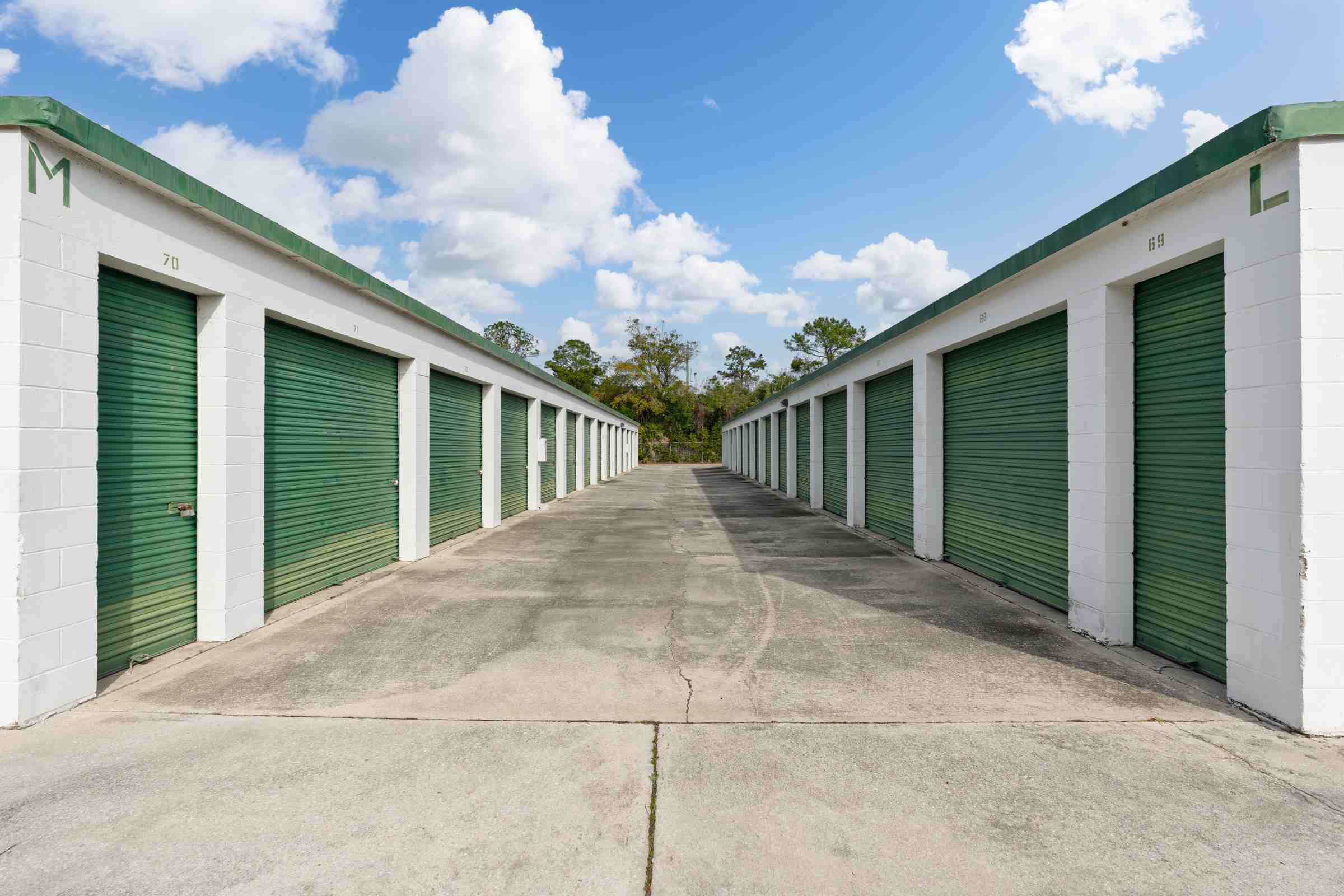
Drive-up units are available at SecureSpace Atlantic Beach, so customers may be able to load near eligible unit doors. Review the selected unit's access type and dimensions before renting.
No lock or storage location can guarantee that a bicycle will not be stolen. Several practical steps can still make ownership records clearer and unauthorized removal more difficult.
According to The Best Bike Lock, an average of 175,200 bikes are reported stolen in the U.S.
Consider the following:
Record the bicycle's serial number.
Photograph the bicycle and identifying features.
Keep purchase receipts and service records.
Register the bicycle through an appropriate registry when available.
Use a quality lock suited to the bicycle and locking setup.
Lock each bicycle separately when practical.
Review insurance or coverage provisions.
Keep access codes and keys private.
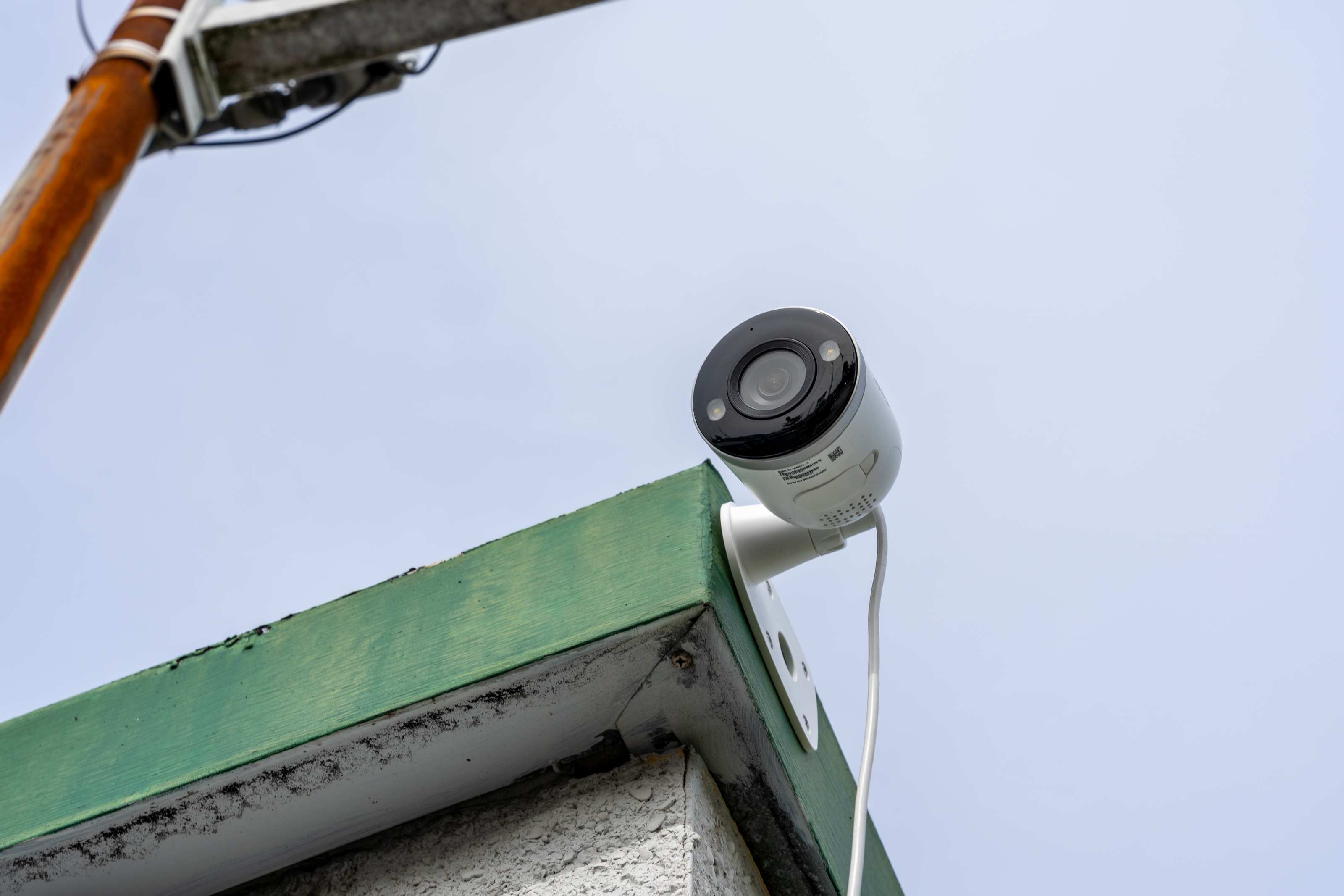
SecureSpace Atlantic Beach has an access gate and logged access. Customers remain responsible for choosing an appropriate lock and following facility procedures.
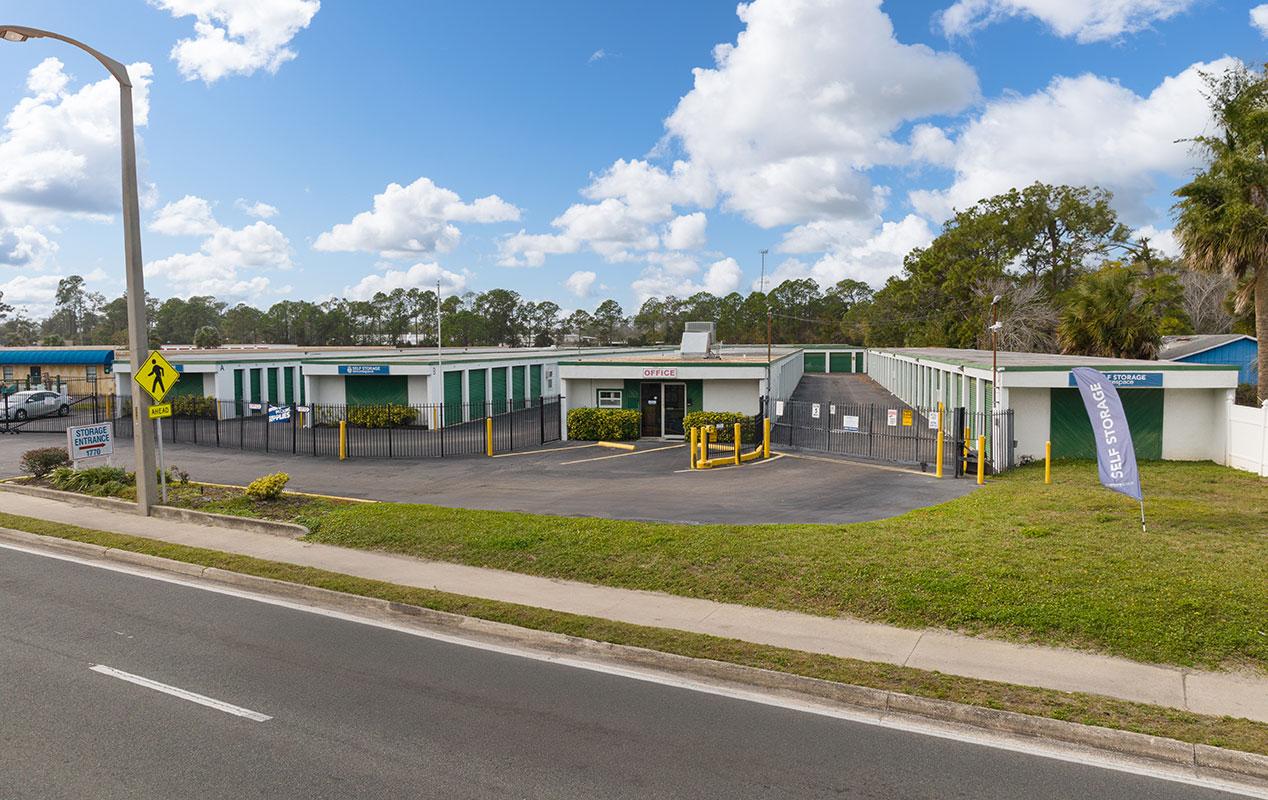
SecureSpace Self Storage Atlantic Beach is located at 1770 Mayport Road and offers standard, non-climate-controlled storage.
Gate access is available daily from 6:00 AM to 10:00 PM. Plan bicycle pickup and return within that window.
The facility does not provide carts, dollies, elevators, covered loading areas, digital video recording, individual unit alarms, or 24-hour access.
Month-to-month leases are available, but billing, notice, and move-out requirements remain governed by the rental agreement.
Avoid these common problems:
Storing a bicycle while it is wet or sandy
Ignoring existing rust or component damage
Leaving loose accessories attached
Installing wall hooks without approval
Placing heavy boxes against wheels or drivetrains
Storing a damaged e-bike battery
Charging batteries inside the unit without permission
Assuming a cover will prevent environmental exposure
Forgetting to record the bicycle's serial number
Check stored bikes periodically based on their materials, condition, value, and expected storage duration.
No. The facility offers standard, non-climate-controlled storage.
Follow the bicycle manufacturer's guidance and use another solution when controlled conditions are required.
The smallest available unit is 5x10.
Measure the bikes, handlebars, rack, and desired access space before renting.
Do not attach hooks, mounts, or hardware to the unit without facility approval.
A freestanding floor rack may be a more suitable option.
E-bike acceptance and battery rules should be confirmed before move-in.
Follow the battery manufacturer's instructions, and do not charge or store a damaged battery in the unit.
Gate access begins at 6:00 AM and ends at 10:00 PM each day.
Plan early rides and evening returns within those hours.
Bicycle storage works best when each bike is clean, dry, measured, and arranged so it can be removed without damaging nearby equipment.
Before renting, record serial numbers, review battery requirements, choose an appropriate freestanding rack, and confirm that the selected unit has enough room for the handlebars and access path.
Visit SecureSpace for practical bicycle storage in Atlantic Beach, FL.
Everything you need to store your belongings securely, on your schedule.
Visit us online