Last updated Aug 7, 2026
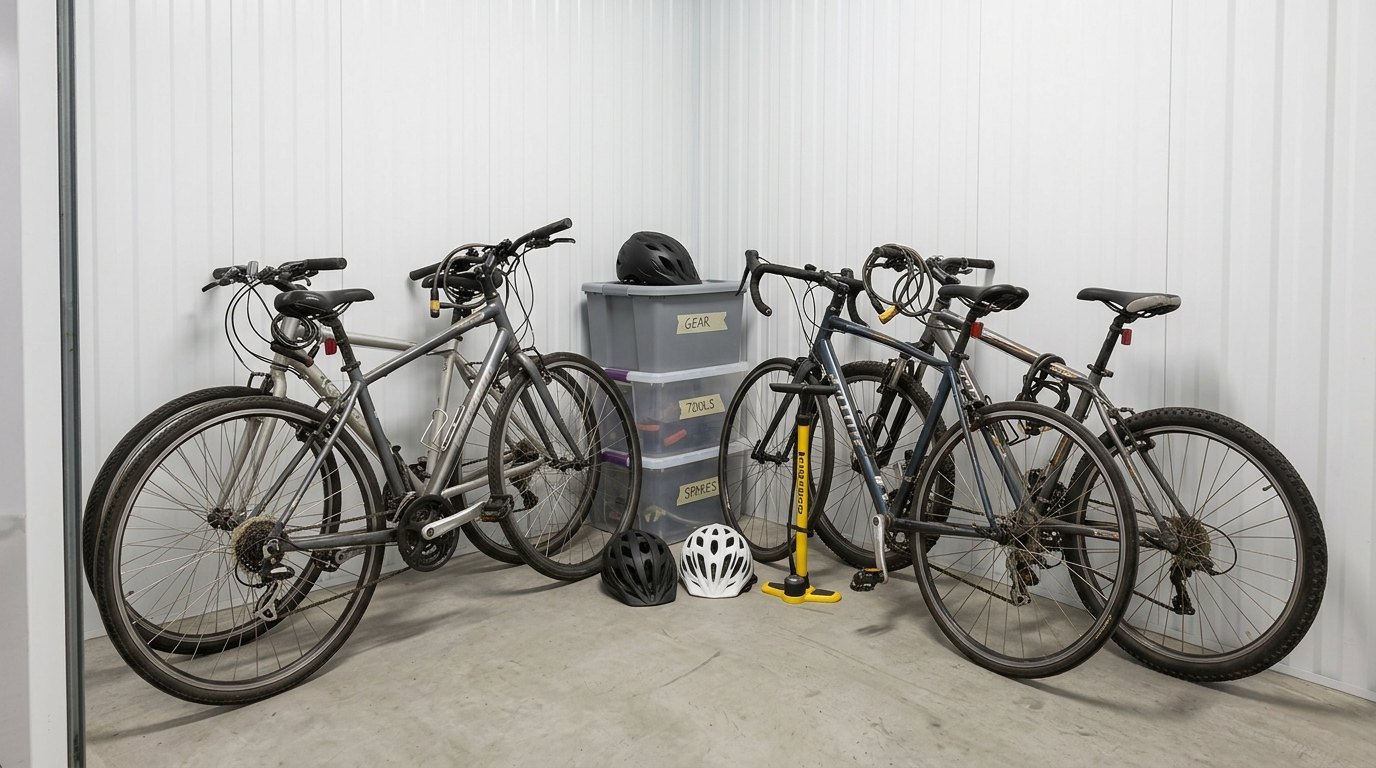
Bicycles can be difficult to store when an apartment, garage, or shared living space has limited room. Road bikes, mountain bikes, e-bikes, children's bikes, repair stands, helmets, pumps, and riding equipment can quickly occupy valuable floor space.
A self-storage unit may provide another option for bikes that aren't used every day. Before renting, measure the bicycle, determine how it will be supported, and consider whether standard, non-climate-controlled storage is appropriate for its frame, components, electronics, and battery system.
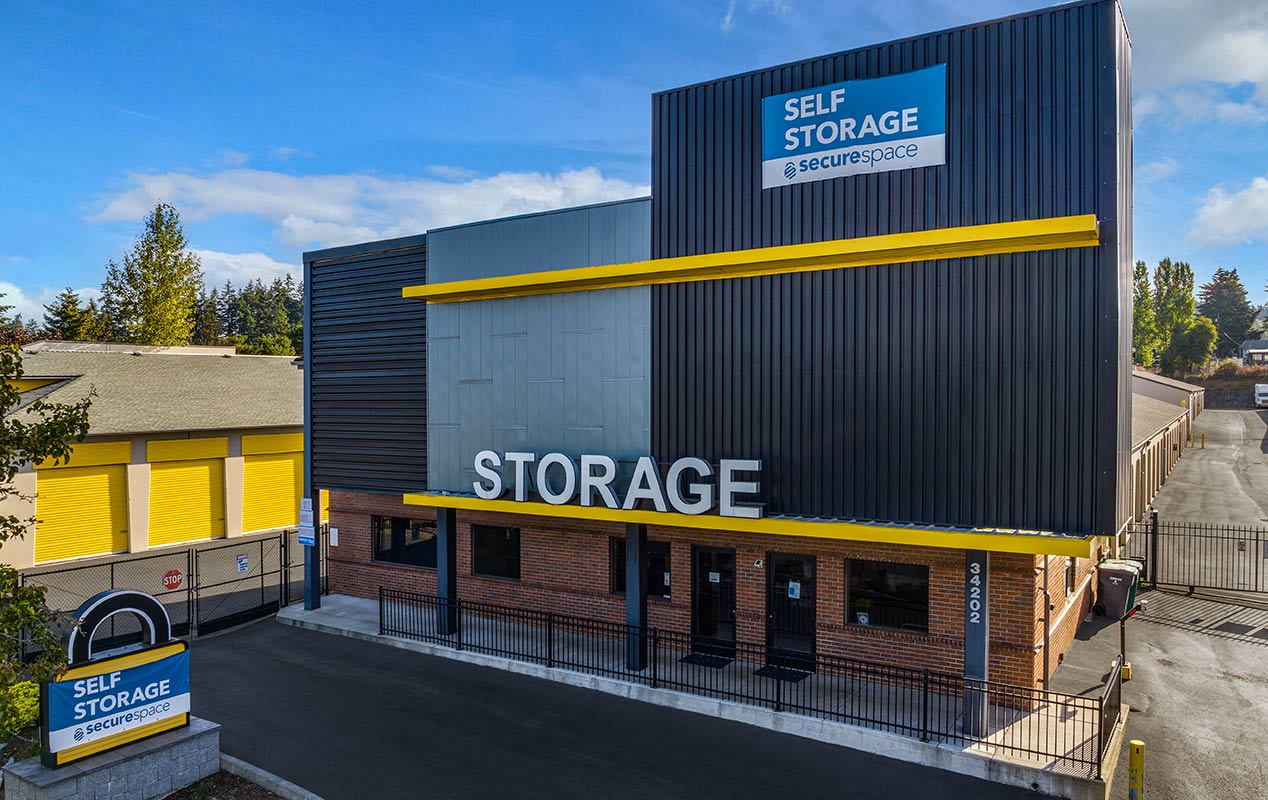
This guide explains how to prepare a bicycle for storage, choose an appropriate unit size, organize accessories, and plan around the features available at SecureSpace Self Storage Federal Way.
A bicycle includes several components that may require cleaning, maintenance, or manufacturer-specific preparation before an extended period of storage.
Poor organization can also make the bike difficult to retrieve or increase the chance that handlebars, pedals, wheels, and frames will come into contact with other belongings.
A practical bicycle-storage plan should account for:
The full length and width of the bike
Handlebar and pedal clearance
The type of storage stand being used
E-bike battery requirements
Helmets, pumps, tools, and spare parts
The need for an access aisle
How often the bike will be retrieved
Whether other seasonal gear will share the unit
Planning these details before move-in can help avoid renting an unsuitable size or arranging the unit in a way that blocks access.
Keeping a bike at home is convenient, but each setup has tradeoffs.
Indoor home storage keeps the bike close and makes routine maintenance easier. Freestanding racks may help organize bikes without drilling into walls, which can be useful for renters.
The drawback is the amount of living space a bicycle occupies. Wide handlebars, pedals, tires, and repair equipment can make narrow entryways or small rooms difficult to navigate.
Garages and sheds can provide more room, but storage conditions vary. Before leaving a bicycle there for an extended period, consider ventilation, moisture exposure, access control, and whether the bike is supported securely.
According to Sundays Insurance, more than 50% of bicycle thefts occur on or near the owner's home, making thoughtful storage and locking practices important for cyclists with higher-value bikes.
Outdoor exposure may affect chains, cables, fasteners, bearings, electronics, finishes, and other bicycle components. A cover does not necessarily prevent moisture from reaching the bike or collecting underneath it.
Follow the bicycle manufacturer's care guidance and avoid treating an exposed balcony, patio, or carport as equivalent to enclosed storage.
A storage unit can move bicycles and related gear out of the home while keeping the collection organized in one location.
SecureSpace Self Storage Federal Way offers standard storage rather than heated or climate-controlled units. Bikes should be clean and completely dry before move-in, and owners should follow manufacturer instructions for long-term maintenance and electronic components.
Preparation requirements differ by bicycle model, frame material, suspension system, tire type, and component manufacturer.
Remove dirt, mud, sand, road residue, and other debris before storage. Use products and cleaning methods appropriate for the bike's finish and components.
Pay particular attention to:
The drivetrain
Brake surfaces
Wheels and tires
Suspension components
The bottom bracket area
Pedals and crank arms
Bottle cages and accessories
Areas where dirt may remain trapped
Allow the bicycle to dry completely after cleaning.
The chain and other moving components may require maintenance before a long period of inactivity. Follow the bicycle or component manufacturer's instructions rather than applying a universal amount or type of lubricant.
Wipe away excess product when instructed so it doesn't collect unnecessary dust or transfer onto nearby belongings.
Check tire condition, sidewalls, valves, and inflation before storage. Recommended pressure and long-term preparation vary among conventional tubes, tubeless systems, road tires, mountain-bike tires, and specialty setups.
Avoid using a fixed pressure reduction as a rule for every bicycle. Follow the tire and bicycle manufacturer's instructions and inspect the tires again before riding.
Look for visible wear, rubbing, loose components, damaged cables, or other issues that may be easier to address before the bike goes into storage.
Do not make adjustments unless you understand the component system or are following qualified service guidance.
Lights, computers, bottles, bags, pumps, tools, and removable mounts can become damaged or misplaced during transportation.
Place accessories in a labeled container or equipment bag and keep them near the corresponding bicycle.
E-bikes require additional attention because their batteries, displays, motors, chargers, and electrical connections may have specific storage conditions.
For many systems, manufacturer guidance may call for removing the battery before long-term storage and keeping it in a dry room at room temperature. Bosch also provides system-specific guidance regarding charge level and storage conditions.
Always follow the instructions for the exact bicycle and battery model. Do not assume the same procedure applies to every e-bike.
Before storing an e-bike:
Review the bicycle and battery manuals.
Confirm the recommended charge range.
Inspect the battery for visible damage.
Use only the approved charger.
Follow guidance for removable displays and accessories.
Keep batteries away from combustible or flammable materials.
Do not leave a damaged or recalled battery in a storage unit.
Because SecureSpace Federal Way does not offer climate-controlled storage, the unit may not provide the conditions required for an e-bike battery. Store the battery elsewhere when directed by its manufacturer.
The bicycle should remain stable without relying on modifications to the storage unit.
A floor-supported bicycle stand can keep a bike upright without drilling into walls. Measure the stand and bicycle together before selecting a unit.
Confirm that the stand supports the bike's:
Tire width
Wheel diameter
Weight
Frame design
Fenders or accessories
Some freestanding racks hold bikes vertically while transferring their weight to the floor or a self-supported frame.
Make sure the rack is stable and designed for the specific bicycle. Do not lean a bike in a position where it could fall against boxes or other equipment.
Keeping a bicycle on both wheels may be the simplest option when sufficient floor space is available.
Leave clearance around the handlebars, pedals, and derailleur, and avoid stacking boxes against the frame.
Some bicycles, suspension systems, or specialty frames may have specific long-term positioning recommendations. Follow those instructions when they differ from general storage advice.
Do not drill into the unit walls or install permanent hooks, anchors, or rails. Use removable, freestanding, or floor-supported storage systems instead.
The correct unit size depends on the number and dimensions of the bikes, their storage position, and the accessories being stored with them.
SecureSpace Self Storage Federal Way offers primary sizes of:
5x5
5x15
10x10
10x15
10x20
10x25
10x30
A 5x10 is not one of the facility's primary sizes.
A 5x5 may accommodate a compact bicycle setup when the bicycle and stand fit within the available dimensions.
It may also provide room for a limited amount of related gear, such as:
A helmet
Riding shoes
A floor pump
A small tool kit
Spare tubes
A compact accessories bin
Measure the bicycle's full length and handlebar width rather than assuming every adult bike will fit the same way.
A 5x15 provides more depth for multiple bicycles, a repair stand, cycling accessories, or gear shared by several riders.
Its longer layout may allow bikes to be arranged in a row, although an aisle may be needed to reach the equipment stored farthest from the entrance.
A 10x10 may suit a household storing several bicycles along with camping equipment, sports gear, shelving, or seasonal belongings.
Use freestanding racks to separate bikes and prevent handlebars or pedals from contacting one another.
Larger sizes may be appropriate for extensive bicycle collections, team equipment, repair stands, cargo bikes, recumbent bicycles, or storage shared with household property.
Choose the size based on measurements and layout rather than a guaranteed number of bicycles.
Bicycle storage often includes much more than the bike itself.
For a household with multiple cyclists, give each person a labeled shelf, bin, or gear bag.
Keep helmets, shoes, gloves, tools, and other accessories together so complete riding kits are easy to retrieve.
Store permitted tools, pumps, spare components, and repair equipment in a designated area.
Fuels, flammable products, solvents, pressurized containers, and other hazardous materials should not be assumed to be allowed. Review the rental agreement before placing maintenance products in the unit.
Label tubes, tires, brake pads, chains, cassettes, cables, and other replacement parts by bicycle or component type.
This can reduce duplicate purchases and make it easier to locate compatible equipment.
Repair stands, toolboxes, trainers, and other dense items should remain near the floor.
Avoid placing heavy containers above bikes, helmets, wheels, or fragile components.
Keep enough open space to remove one bicycle without moving the entire collection.
Frequently used bikes should remain closest to the entrance, while seasonal or less frequently ridden bikes can go farther back.
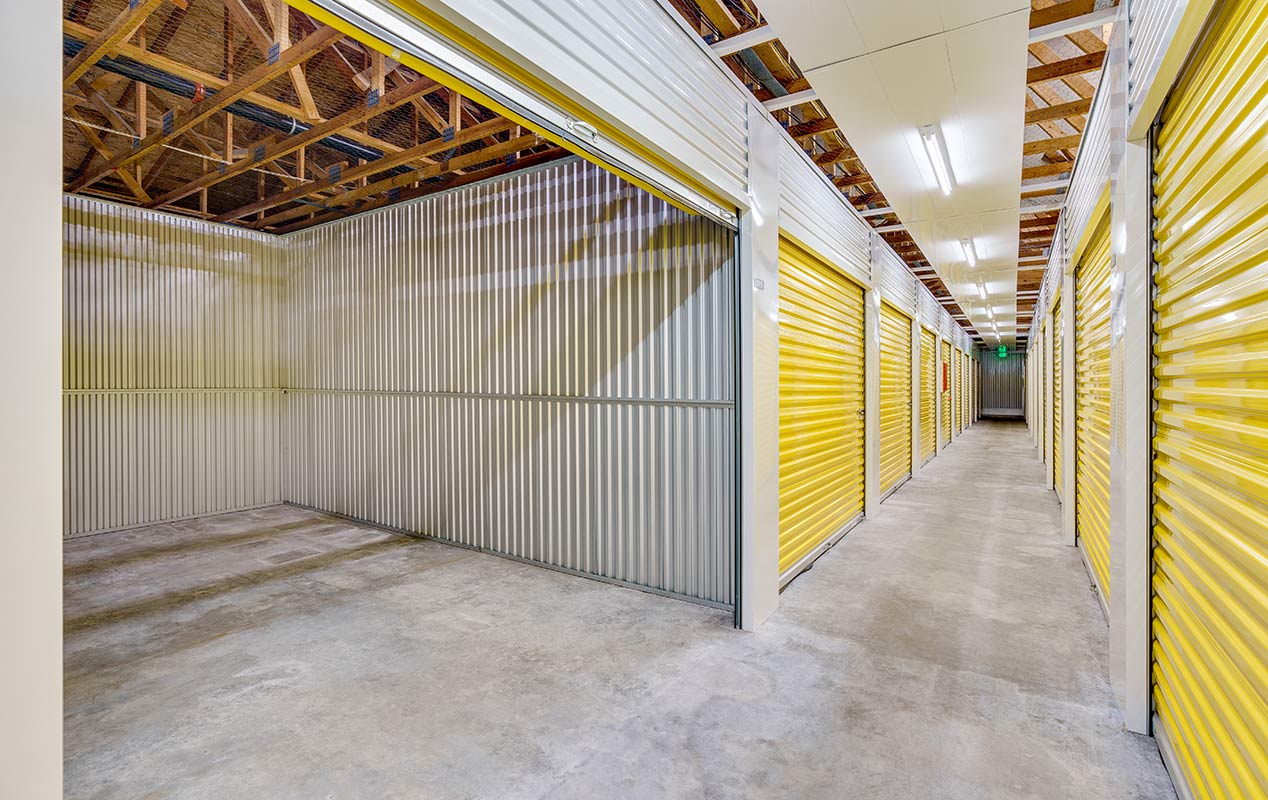
SecureSpace Self Storage Federal Way does not offer heated or climate-controlled units.
Before placing a bicycle in standard storage:
Clean and dry it completely.
Review manufacturer requirements.
Remove batteries when instructed.
Use a stable support system.
Keep the bike away from wet belongings.
Avoid placing boxes against sensitive components.
Check the bicycle periodically.
Inspect it before returning it to service.
Highly valuable, irreplaceable, or environmentally sensitive bicycles and components may require another storage arrangement.
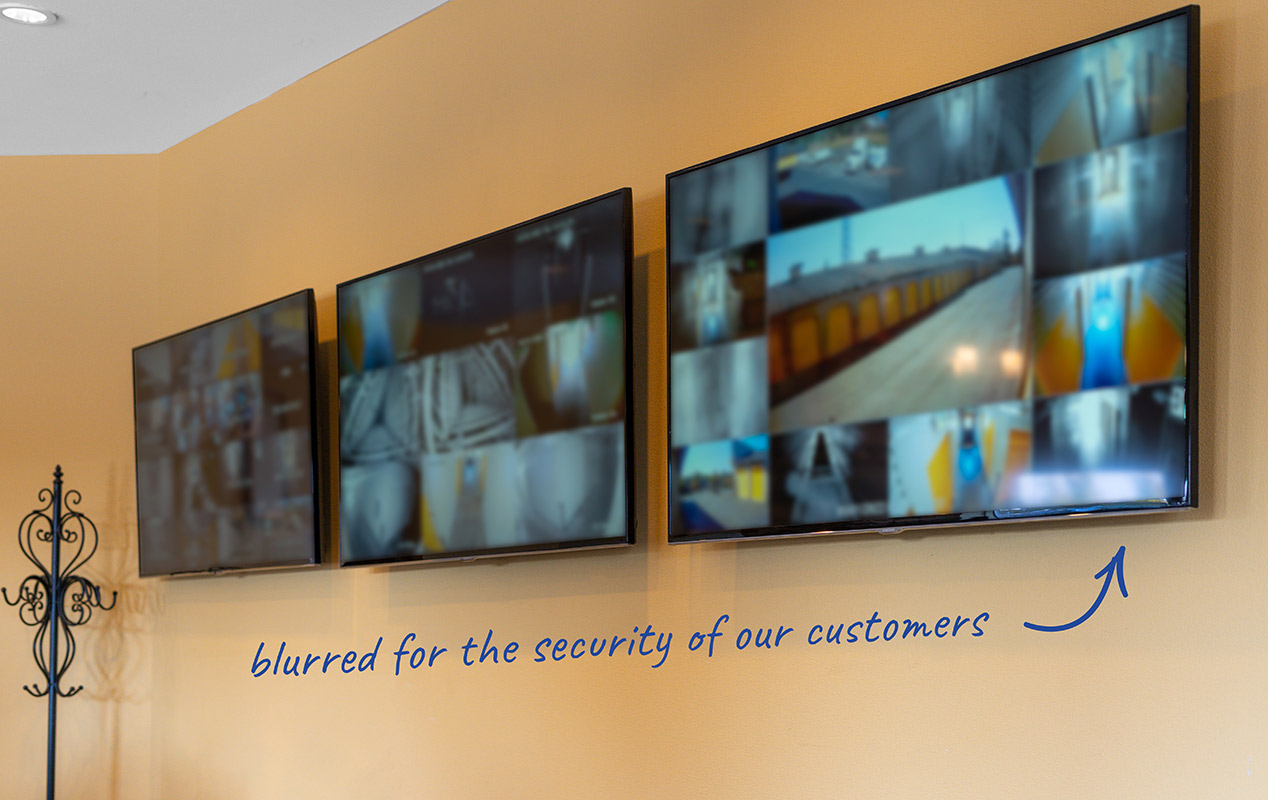
SecureSpace Self Storage Federal Way offers an access gate, digital video recording, and overnight surveillance.
These features do not guarantee protection from theft, loss, or damage. Bicycle owners should also consider practical precautions.
Confirm which lock type fits the unit before purchasing one. Keep keys, combinations, and access information private.
Record the bicycle's:
Make and model
Serial number
Frame size
Distinguishing features
Approximate value
Component upgrades
Photograph the bicycle and retain purchase or service records when available.
Determine whether homeowners, renters, bicycle, or another insurance policy applies to a bike stored away from home.
Review limits, deductibles, exclusions, documentation requirements, and security conditions directly with the provider.
Share keys and facility access information only with people who need them. Keep an updated record of anyone authorized to enter the unit.
Selected units at SecureSpace Self Storage Federal Way offer drive-up access, which can reduce the distance bikes, stands, trainers, and accessory bins need to be carried.
Drive-up access does not permit vehicle storage inside the unit.
The facility does not provide:
Carts or dollies
An elevator
Covered loading
A loading dock
Semi-truck access
Moving-pod staging
Check the weather before transporting bicycles and bring any covers, ramps, stands, or assistance needed for loading.
Gate access is available daily from 6:00 a.m. to 9:00 p.m.
Month-to-month leases are offered, but billing dates, rate adjustments, notice requirements, and move-out procedures still apply.
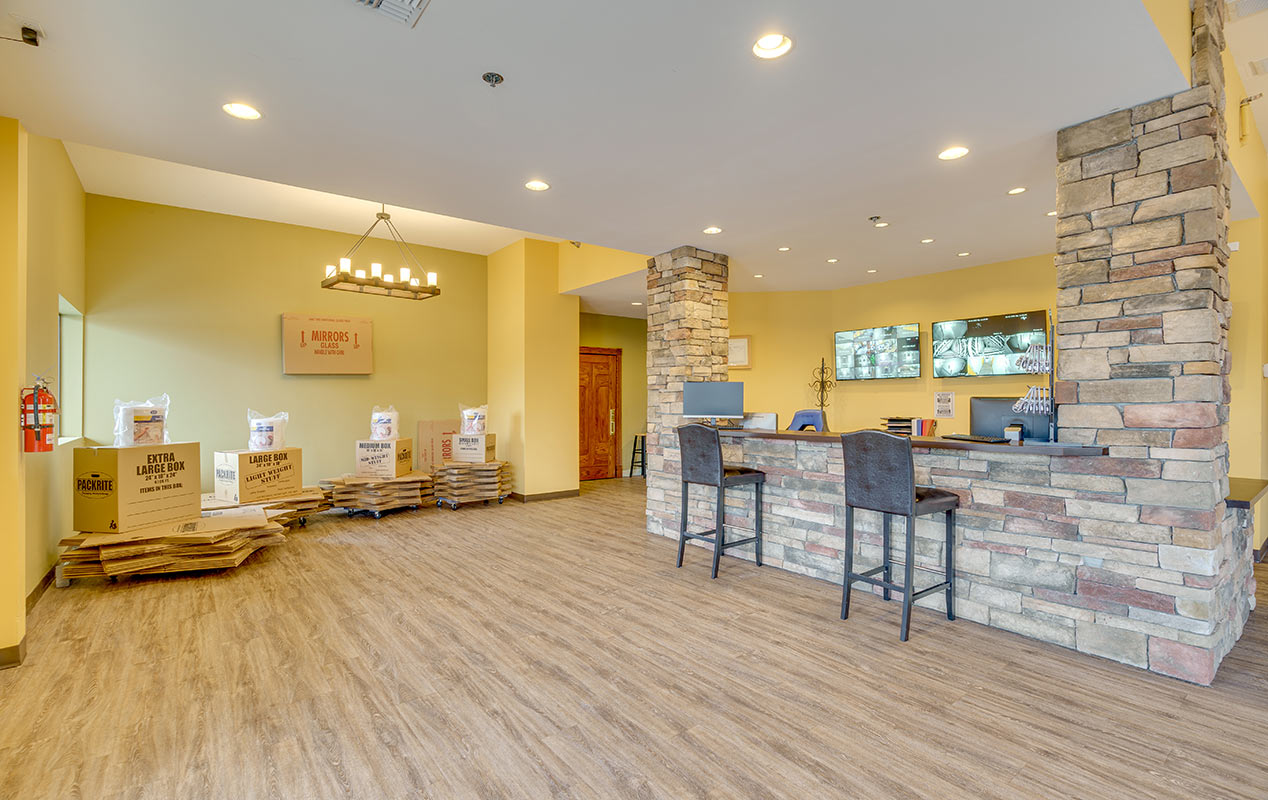
Online payments and ACH or credit card payment plans are available. Basic moving and packing supplies may also be purchased in the leasing office.
Review current unit pricing, access type, and availability before arranging transportation.
A 5x5 may work when the bicycle and its freestanding support fit within the available dimensions. Measure the bike's length, handlebar width, and stand before renting.
A 5x15 or larger unit may provide more room for several bikes, accessories, and an access path. Fit depends on the bicycle dimensions and rack configuration.
No. The facility offers standard, non-climate-controlled storage.
The bicycle may be suitable for standard storage, but the battery and electronic components may have separate requirements. Follow the manufacturer's instructions and store the battery elsewhere when directed.
Many manufacturers recommend removing the battery for long-term storage, but requirements vary. Follow the guidance for the specific bicycle and battery system.
No. Use a freestanding or floor-supported rack instead of drilling into or modifying the unit.
Yes. Selected units offer drive-up access, subject to current availability.
No. Facility features cannot guarantee protection from theft, loss, or damage. Use a compatible unit lock, document the bicycle, control access information, and review insurance coverage.
No. Customers should bring their own moving equipment.
Gate access is available every day from 6:00 a.m. to 9:00 p.m.
Follow the bicycle and tire manufacturer's recommendations. Tire-system requirements vary, so a single pressure adjustment should not be applied to every bike.
Availability varies by size and access type. Review current options before scheduling transportation or planning a seasonal bike changeover.
Bicycle storage works best when the bike is clean, dry, documented, and supported in a stable position. Measure the full setup before selecting a unit, follow manufacturer guidance for tires and electronic components, and keep frequently used gear easy to reach.
Explore current options for bicycle storage in Federal Way, WA.
Everything you need to store your belongings securely, on your schedule.
Visit us online