Last updated Aug 7, 2026
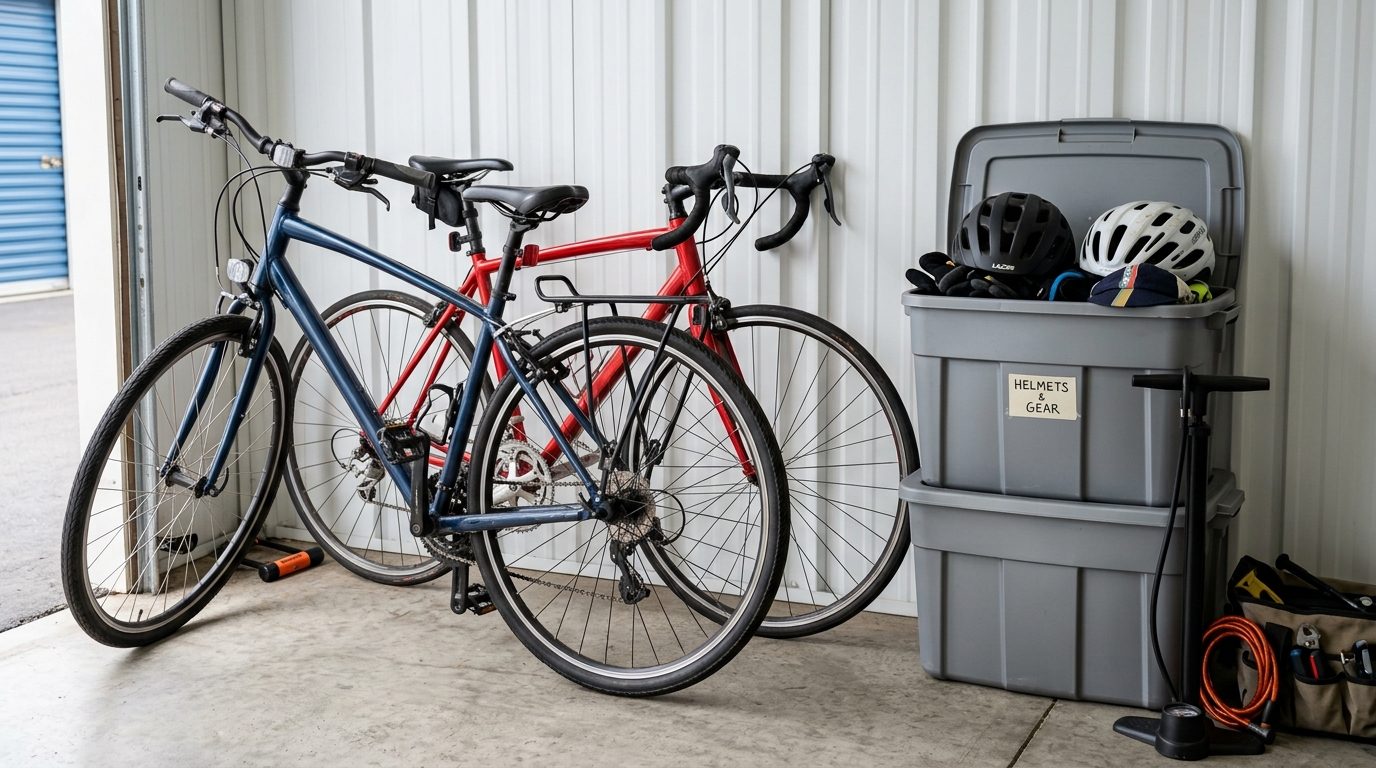
San Diego riders use bicycles for commuting, recreation, fitness, and competition. The region supports everything from neighborhood rides to endurance events featuring pavement, dirt roads, single-track, and climbs, including the Belgian Waffle Ride's California event.
Keeping a bicycle at home is not always simple. Full-sized bikes, e-bikes, cargo bikes, helmets, repair stands, trainers, and spare wheels can quickly fill an apartment, garage, or shared storage area.
A self-storage unit can provide a dedicated place for permitted bicycles and related gear. The right setup depends on the bike's dimensions, battery requirements, frequency of use, and the features of the selected unit.
Bikes have an awkward footprint. They are too long for many closets, handlebars create additional width, and leaning several bikes against one another can make daily access frustrating.
Some apartment communities incorporate dedicated cycling amenities into their designs. For example, the Simone in Little Italy advertises bicycle storage and a repair shop for residents. Those features illustrate how bicycle storage has become part of urban housing planning, but not every building provides a comparable space.
Off-site storage may be useful when:
A bicycle blocks a hallway, balcony, or living area
Several riders share a small home
Seasonal bikes are used only part of the year
A household is preparing for a move or deployment
Trainers, racks, tools, and spare components need their own space
Self storage should not be treated as a guarantee against theft or damage. Review the rental agreement, choose an appropriate lock, keep an inventory, and consider whether personal insurance or another form of coverage applies.
Bicycle theft is a legitimate concern, particularly for riders relying on shared garages, outdoor racks, or spaces accessible to many people.
An analysis of 2023 FBI incident data reports that California leads the country in bicycle theft by total reported bicycle incidents. That statewide figure does not establish the risk at a particular San Diego address, but it reinforces the value of thoughtful storage practices.
Regardless of where a bicycle is kept:
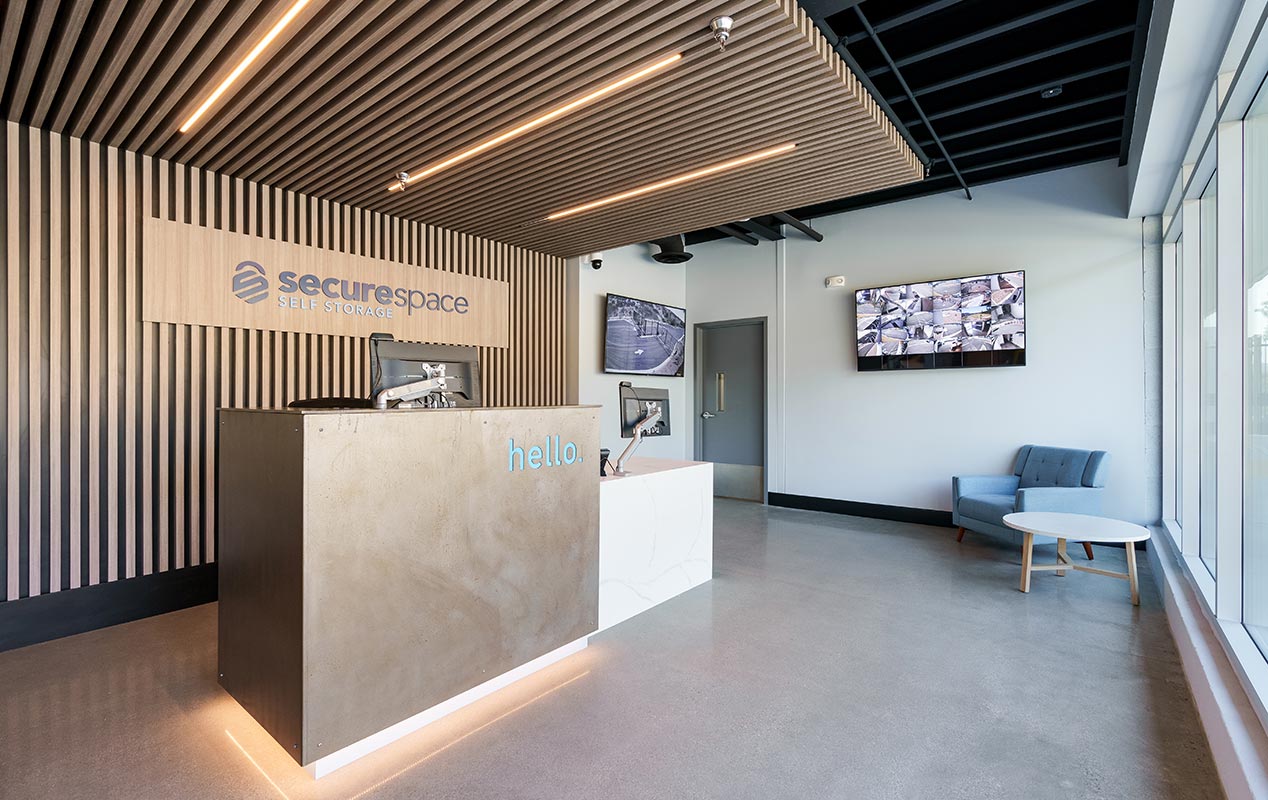
SecureSpace's facility features support access management and monitoring, but no storage facility can guarantee that property will not be stolen or damaged.
A unit's square footage does not reveal whether a specific bike and rack will fit comfortably.
Measure the bicycle from wheel to wheel and note:
Handlebar width
Overall height
Cargo racks or baskets
Saddle and pedal clearance
Rack or stand dimensions
Space needed to turn and retrieve the bike
Also consider the route into the unit. Entrances, elevators, hallways, and unit doors may have different clearances.
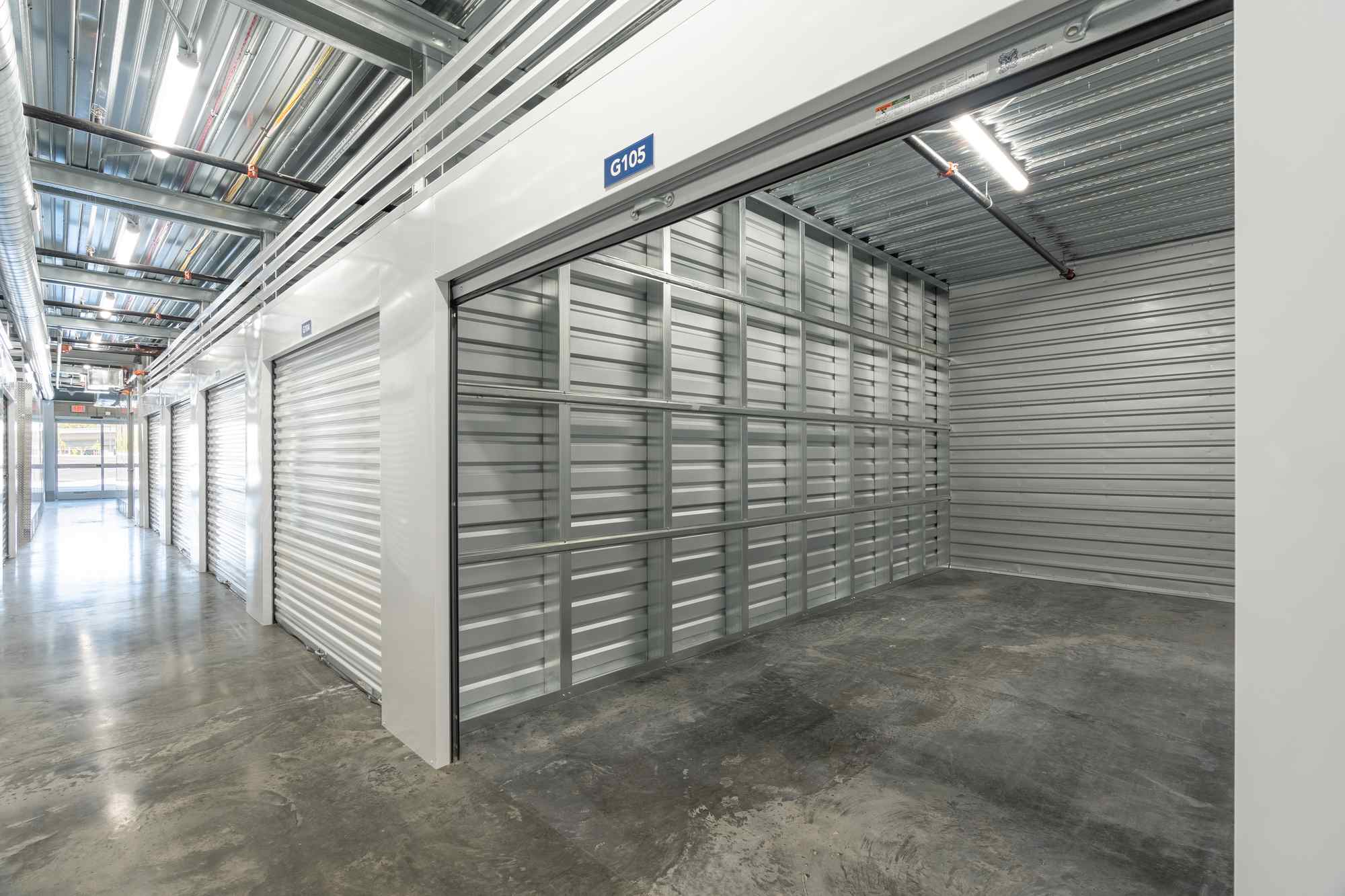
Both SecureSpace San Diego locations offer unit sizes from 5x5 through 10x30. The examples below are planning possibilities rather than fit guarantees.
A 5x5 may work for one bicycle or a small collection of cycling gear, depending on the bike's dimensions and arrangement.
Diagonal placement or an approved freestanding rack may help use the space efficiently. Confirm rack and installation rules before setting up the unit, and do not drill into walls or attach equipment without permission.
A 5x10 may provide easier positioning for a full-sized bicycle, e-bike, trainer, hitch rack, spare wheels, and labeled equipment bins.
The longer layout may also make it possible to maintain an aisle rather than moving several items whenever the bicycle is retrieved.
A larger space may be useful for households with several bicycles, cargo bikes, cycling equipment, or other recreational belongings.
Make a simple floor plan before renting. Mark each bike, rack, shelving unit, and access path so the unit is chosen based on actual measurements rather than a general capacity estimate.
Preparation should follow the bicycle and component manufacturers' instructions. Requirements vary by frame material, suspension system, drivetrain, tires, and electronics.
Remove dirt, mud, sand, and salt residue using methods appropriate for the bicycle. Allow the frame and components to dry before placing the bike in an enclosed space.
Avoid high-pressure cleaning unless the manufacturer specifically permits it, as water may be forced into bearings or electrical components.
Check the tires, brakes, chain, cables, frame, and mounting hardware. Address leaks, cracks, loose parts, or other concerns before long-term storage.
Lubricants and cleaning products should be selected according to the manufacturer's guidance rather than applied as a universal treatment.
Do not bury a bicycle beneath boxes or lean heavy objects against the frame, wheels, derailleur, or brake components.
A stable freestanding rack may help keep bicycles separated when the facility permits it. Use padding where contact between frames or components could cause scratching.
E-bikes require additional planning because battery condition and storage instructions vary by manufacturer.
Before move-in:
Check for swelling, cracks, leaks, corrosion, unusual heat, or impact damage.
Review the manufacturer's recommended storage charge level.
Determine whether the battery should remain installed or be removed.
Check for active manufacturer or government recall notices.
Confirm the facility's current battery rules.
Do not charge an e-bike or battery inside a storage unit unless the facility expressly allows it. A damaged, recalled, or unstable battery may require specialized handling rather than ordinary self storage.
Climate-controlled storage should not be described as eliminating battery risk. Battery condition, approved charging practices, and manufacturer instructions remain more important than temperature control alone.
Bicycles stored near the coast may encounter salt residue, moisture, sunlight, and changing temperatures. The effect depends on distance from the water, exposure, ventilation, maintenance, frame materials, and storage duration.
Rather than assuming that coastal air will destroy a bike, focus on practical preparation:
Clean off salt, mud, and road residue.
Dry the bicycle before covering or storing it.
Follow component-specific maintenance instructions.
Inspect metal hardware and battery contacts periodically.
Avoid trapping a damp bicycle beneath an airtight cover.
Rancho Penasquitos offers climate-controlled options that may help reduce exposure to significant temperature swings. Humidity regulation is not confirmed, and climate control cannot guarantee prevention of corrosion, moisture damage, fading, electrical problems, or other deterioration.
San Diego Encanto does not offer climate-controlled storage.
Cyclists who retrieve their bikes frequently may place more value on access hours and unit location than customers storing seasonal household items.
Both San Diego facilities offer drive-up units, subject to current availability. A suitable drive-up unit may reduce the distance a bicycle must be moved through an interior building, but exact door dimensions, approach space, and unit layout should be reviewed before renting.
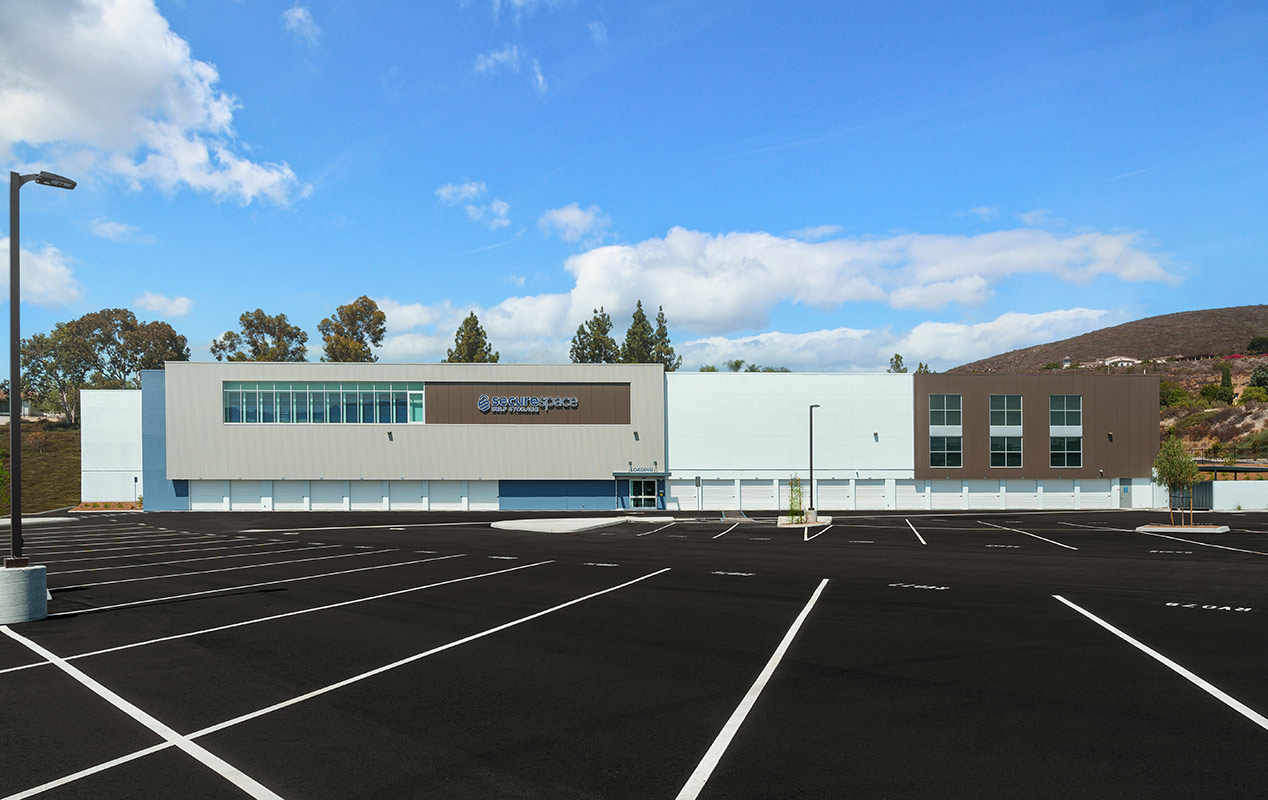
SecureSpace Self Storage Rancho Penasquitos is located at 10389 Azuaga St, San Diego, CA 92129.
Gate and move-in access is available daily from 6:00 AM to 10:00 PM. The facility offers indoor and drive-up units, climate-controlled options, elevators, extra-large elevators, and carts and dollies.
SecureSpace Self Storage San Diego Encanto is located at 5950 Federal Blvd., San Diego, CA 92114.
Access is available Monday through Friday from 9:30 AM to 6:00 PM and Saturday and Sunday from 9:30 AM to 5:00 PM.
Encanto offers standard indoor and drive-up units, elevator access, and carts and dollies. It does not offer climate-controlled storage or extra-large elevators.
Both SecureSpace San Diego facilities have:
An access gate
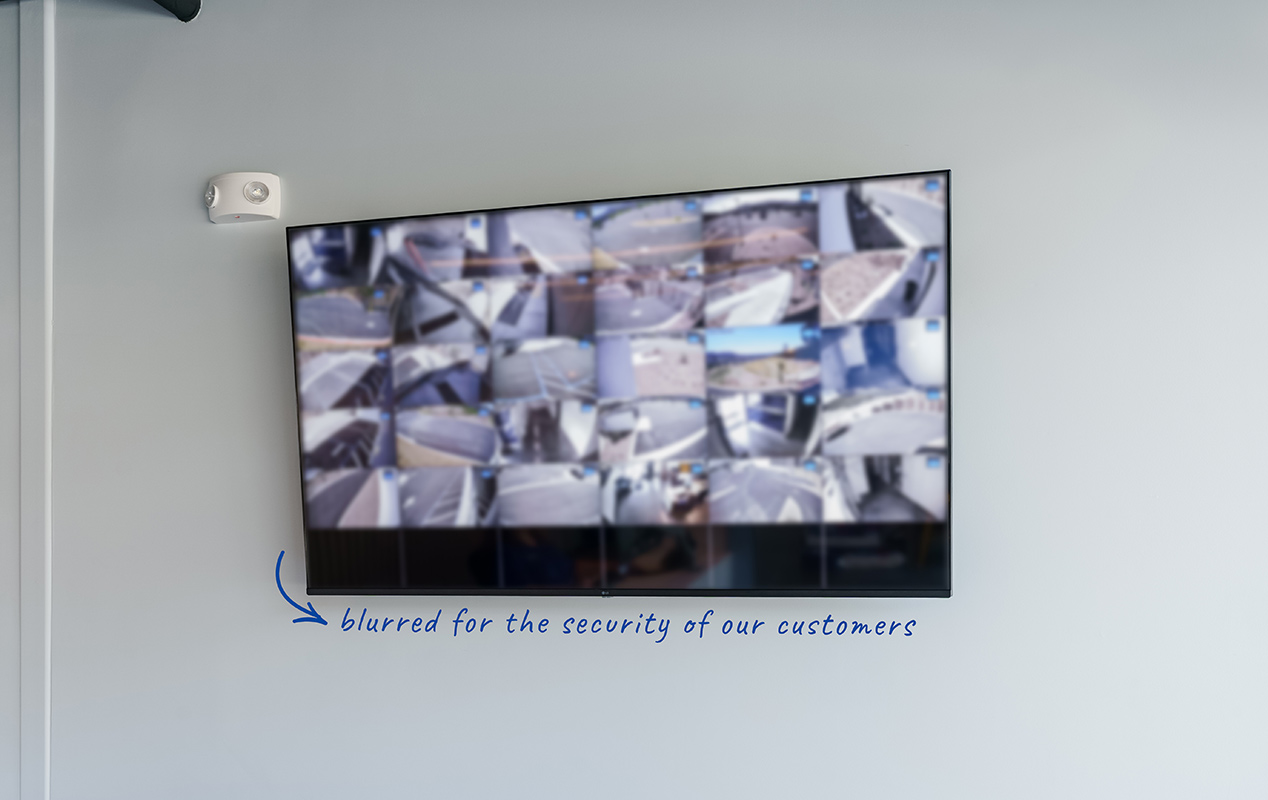
Digital video recording
Logged access
Overnight surveillance
Online payments
ACH and credit card payment plans
Rancho Penasquitos also has Turing-enabled monitoring and touchless computer-controlled access. Those features are not available at Encanto.
These systems support facility operations and monitoring. They do not guarantee protection from theft, unauthorized entry, fire, water, pests, or other loss.
Arrange the unit around how often each item is used.
Keep the primary bicycle close to the entrance. Seasonal bikes, trainers, travel cases, spare wheels, and infrequently used gear can sit farther back.
Use labeled containers for smaller equipment such as:
Helmets and shoes
Pumps and repair tools
Lights and chargers
Gloves and eyewear
Locks and mounting hardware
Tubes, sealant, and spare parts
Store liquids, aerosols, batteries, and maintenance products only when permitted by the rental agreement. Fuel, compressed gas, flammable materials, and certain chemicals may be prohibited.
A move, deployment, temporary assignment, renovation, or housing transition may create a temporary need for bicycle storage.
Both locations offer month-to-month leases. This rental structure can provide flexibility, but it does not guarantee fixed pricing, no fees, proration, or freedom from notice and move-out requirements.
Before leaving the area, determine who may access the unit, how payments will be managed, and whether another person should be authorized on the account.
Possibly. Fit depends on the bicycle's length, handlebar width, rack arrangement, and the space needed to retrieve it.
Measure the bike and selected unit before relying on a standard size recommendation.
A 5x10 may provide more room to position an e-bike without lifting or tightly maneuvering it. It is not a universal requirement, and actual fit depends on the bike and unit configuration.
Battery eligibility and storage instructions should be confirmed separately.
Not for every bicycle. Consider the frame and component materials, manufacturer guidance, storage duration, packaging, and conditions where the bicycle would otherwise be kept.
Climate-controlled options are available at Rancho Penasquitos but not at Encanto.
Do not assume modifications are allowed. Confirm the facility's rules before drilling, attaching hardware, or installing a rack.
A permitted freestanding stand may offer an alternative.
Do not charge an e-bike or battery inside the unit unless the facility expressly permits it.
Follow manufacturer instructions and facility rules for battery storage and charging.
Rancho Penasquitos has daily gate access from 6:00 AM to 10:00 PM.
Encanto access is 9:30 AM to 6:00 PM Monday through Friday and 9:30 AM to 5:00 PM on Saturday and Sunday.
Good bicycle storage starts with accurate measurements, careful preparation, and a layout that does not bury the bike behind unrelated belongings.
Clean and inspect the bicycle, follow the manufacturer's battery guidance, and select a unit that provides enough clearance for both storage and retrieval.
Start planning your setup by reviewing bicycle storage options at Rancho Penasquitos or San Diego Encanto.
Everything you need to store your belongings securely, on your schedule.
Visit us online