Last updated Aug 7, 2026
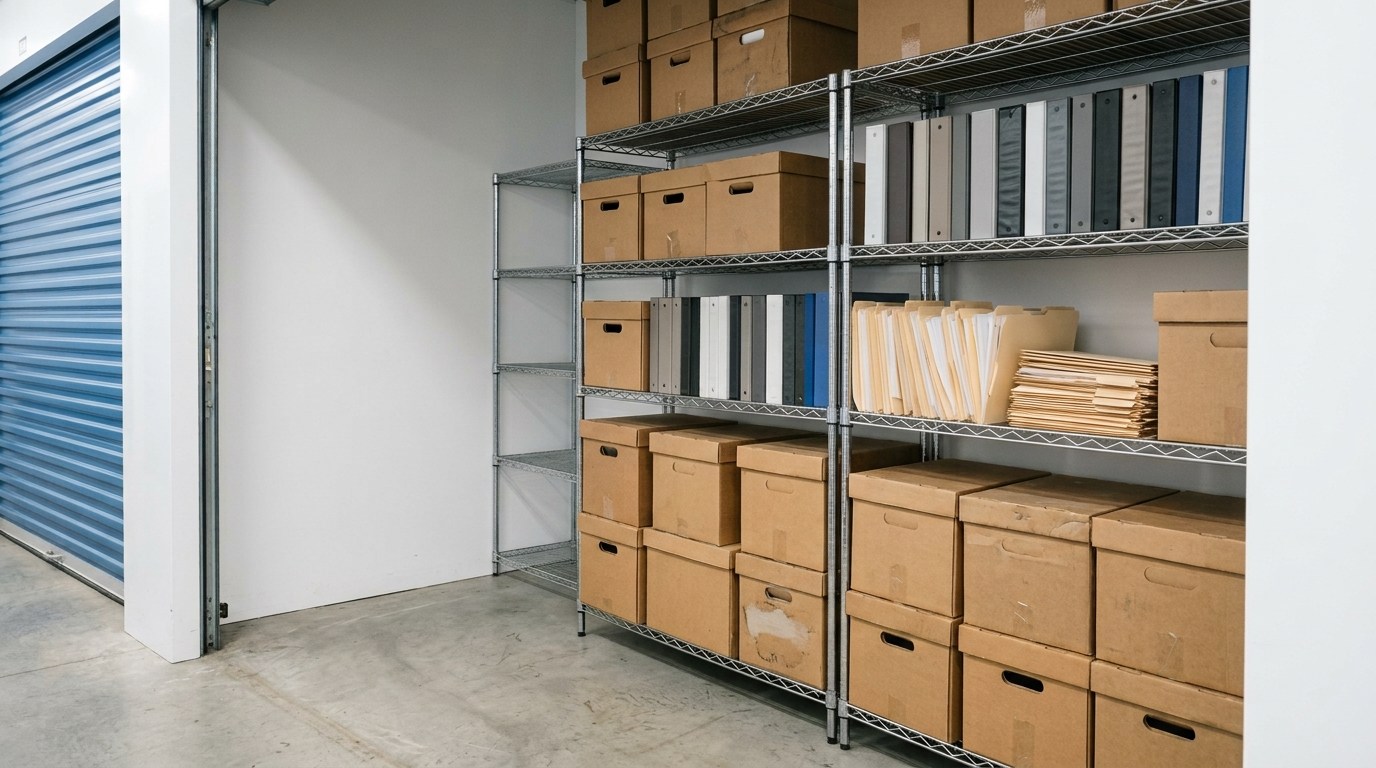
Running a business often means managing inventory, equipment, files, supplies, and seasonal materials within limited workspace. As those items accumulate, offices, storefronts, garages, and work vehicles can become difficult to organize.
Business self storage may provide additional room for permitted items without requiring a company to expand its office or retail footprint. It can be useful during seasonal changes, renovations, relocations, inventory adjustments, or periods of temporary growth.
The right setup depends on what the business plans to store, how often items need to be retrieved, and whether the intended use complies with the rental agreement.
Everett supports businesses across aerospace, manufacturing, health care, professional services, retail, construction, maritime industries, and other sectors.
The Greater Seattle Partners economic overview describes Snohomish County as having a broad business community in which smaller employers play a substantial role. The City of Everett also identifies small businesses as important contributors to local neighborhoods, employment, and economic activity.
Everett's connection to aerospace continues to influence the surrounding business environment. Recent reporting on a new Boeing assembly line in Everett reflects ongoing manufacturing activity in the area.
Commercial space can carry significant recurring costs. The local market information available through CommercialCafe illustrates how office leasing expenses may affect businesses considering additional space.
A storage unit is not a replacement for a warehouse, office, retail location, or distribution center. It may, however, provide a practical place for permitted items that do not need to remain in the primary workspace.
Business storage is not limited to one industry. Suitability depends on the contents, intended activity, and facility rules.
Contractors, technicians, landscapers, and repair professionals may need room for permitted:
Hand tools
Tool cases
Ladders
Protective equipment
Project supplies
Seasonal equipment
Replacement parts
Marketing materials
Fuel, hazardous chemicals, compressed gases, certain batteries, and powered equipment may be restricted. Confirm unusual tools and equipment before move-in.
The unit should be used for storage rather than repairs, fabrication, charging, equipment operation, or employee work.
Retailers and online sellers may use storage for permitted inactive inventory, packaging materials, display supplies, and seasonal merchandise.
Keep an updated inventory and organize products so older stock can be reached without moving the entire contents of the unit.
A storage unit should not be used for customer visits, order fulfillment operations, employee shifts, or an active storefront.
Real estate professionals may need space for:
Yard signs
Directional signs
Brochure holders
Event supplies
Staging accessories
Marketing materials
Office furniture
Printed materials
Sort items by property, campaign, or season so they can be retrieved efficiently.
Event planners, promotional companies, and community organizations may need room for permitted banners, booth supplies, table coverings, signage, containers, and reusable event equipment.
Clean and dry all materials before storage. Maintain an inventory so supplies can be matched to upcoming events.
Businesses may use storage for office furniture, general supplies, nonregulated records, and materials that do not need to remain in the primary workplace.
Companies storing records remain responsible for privacy, retention, access control, legal compliance, and applicable insurance requirements.
Self storage should not be treated as a specialized archival, legal-records, medical-records, or data-management service.
Maintenance and cleaning companies may need space for permitted equipment, empty containers, tools, uniforms, and unopened supplies.
Chemicals, fuels, aerosols, compressed containers, and other hazardous materials may be prohibited. Review every container and confirm facility rules before move-in.
Permitted business belongings may include:
Office furniture
Shelving
Empty containers
Packaging materials
Marketing displays
Printed promotional materials
Seasonal merchandise
Inactive inventory
Hand tools
Event supplies
Uniforms
Routine office supplies
Nonregulated business records
All contents must comply with the rental agreement.
Items requiring regulated temperatures, continuous environmental monitoring, specialized security, hazardous-material handling, or controlled access may not be suitable for ordinary self storage.
A storage unit should not function as an active commercial location.
Customers should not use a unit for:
Customer meetings
Employee work areas
Product manufacturing
Repairs or fabrication
Equipment operation
Battery charging
Food preparation
Retail sales
Order pickup
Hazardous-material handling
Large freight deliveries
Receiving ongoing commercial shipments
Running utilities or machinery
Operating a public-facing business
Discuss the intended use with facility management when there is any uncertainty.
Start by creating a detailed inventory.
Separate belongings into categories such as:
Inventory
Tools
Records
Office furniture
Promotional materials
Seasonal supplies
Packaging materials
Event equipment
Remove items that are outdated, damaged, prohibited, or no longer needed.
Measure shelving, cabinets, ladders, rolling toolboxes, furniture, equipment cases, and other bulky items.
Consider the complete move-in path, including entrances, corridors, elevator access, and the unit door.
A tightly packed unit may hold more items but make regular access difficult.
Businesses expecting frequent retrieval should leave a clear path and keep commonly needed items near the entrance.
Additional room may improve organization, but it may also increase costs unnecessarily.
Measure the inventory and sketch a basic layout before selecting a unit.
A structured system can make visits more efficient.
Keep related categories together.
For example, place marketing materials in one area, office supplies in another, and seasonal inventory in a separate section.
Stable freestanding shelving may help organize lightweight boxes, containers, and supplies.
Do not drill into walls, attach hardware, or modify the unit without written permission.
Follow shelving weight limits and keep heavier items on lower levels.
Use clear labels that identify the contents, department, project, or season.
Labels should remain visible when containers are stacked.
Track what enters and leaves the unit.
The inventory may include:
Item description
Container label
General location inside the unit
Condition
Date added or removed
Responsible employee
Businesses should control who may access this information.
Keep enough space to reach items stored toward the back.
Avoid unstable stacks or arrangements that require moving heavy equipment repeatedly.
Items retrieved regularly should remain easy to reach.
Longer-term materials can be placed farther inside when they do not block access.
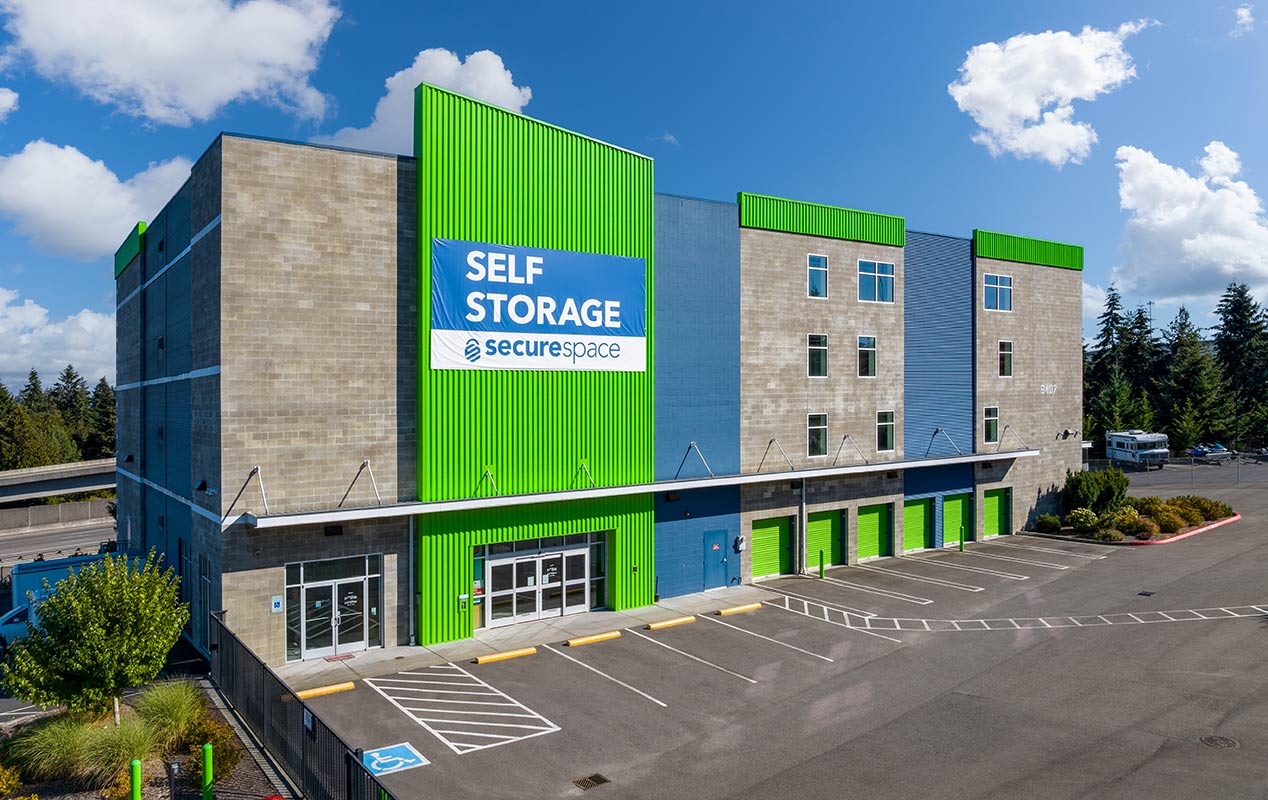
SecureSpace Everett offers climate-controlled and heated storage options.
These features may help reduce exposure to temperature swings and cold conditions compared with an unconditioned space. They should not be described as precise humidity-control systems or as guarantees against mold, rust, corrosion, warping, fading, or other deterioration.
Climate-controlled or heated storage may be worth considering for compatible business items containing:
Electronics
Wooden furniture
Leather
Paper records
Specialized fabrics
Sensitive seals or adhesives
Materials with manufacturer-specified temperature guidance
Not every business item requires climate-controlled storage. Suitability depends on the materials, preparation, expected storage period, and manufacturer instructions.
Items requiring precise temperatures, regulated conditions, or continuous environmental monitoring should be stored through an appropriate specialized provider.
Do not place damp equipment, furniture, boxes, fabrics, or inventory into storage.
Clean each item appropriately and allow it to dry completely before packing.
Check tools and equipment for leaks, damaged cords, loose parts, residual fluids, or other concerns.
Follow manufacturer instructions and confirm whether powered equipment is permitted.
Inspect toolboxes, containers, cabinets, and equipment cases for:
Fuel
Propane
Hazardous chemicals
Flammable liquids
Compressed gases
Perishable goods
Certain batteries
Illegal materials
Explosives
Equipment containing prohibited fluids or fumes
Do not assume an item is permitted simply because a tank or container appears empty.
Choose boxes, bins, cases, and covers based on the contents.
Do not seal damp belongings inside plastic containers. Packing materials cannot correct moisture already present on an item.
Use labeled containers and maintain a controlled inventory.
Businesses handling confidential or regulated records should obtain appropriate legal and compliance guidance before using self storage.
Use suitable cases, guards, padding, or covers.
Do not place heavy containers on delicate furniture, electronics, measuring equipment, or fragile components.
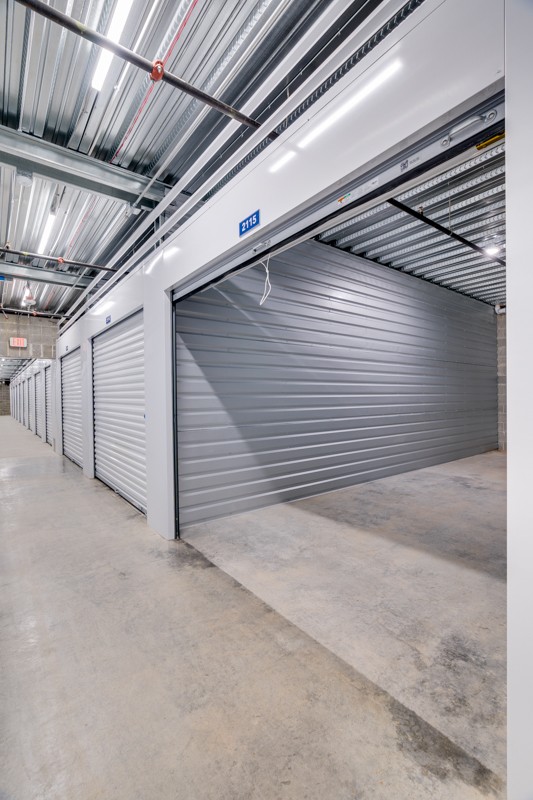
SecureSpace Everett offers indoor and drive-up storage options.
Drive-up units may simplify moving permitted tools, containers, furniture, and business supplies by allowing customers to park closer to the storage door. This should not be interpreted as approval for warehouse operations, commercial freight receiving, or large-truck access.
Vehicles cannot be stored inside drive-up units.
Elevator access is available for indoor units located away from the ground level. Carts and dollies are also available to assist with moving suitable containers and equipment through the facility.
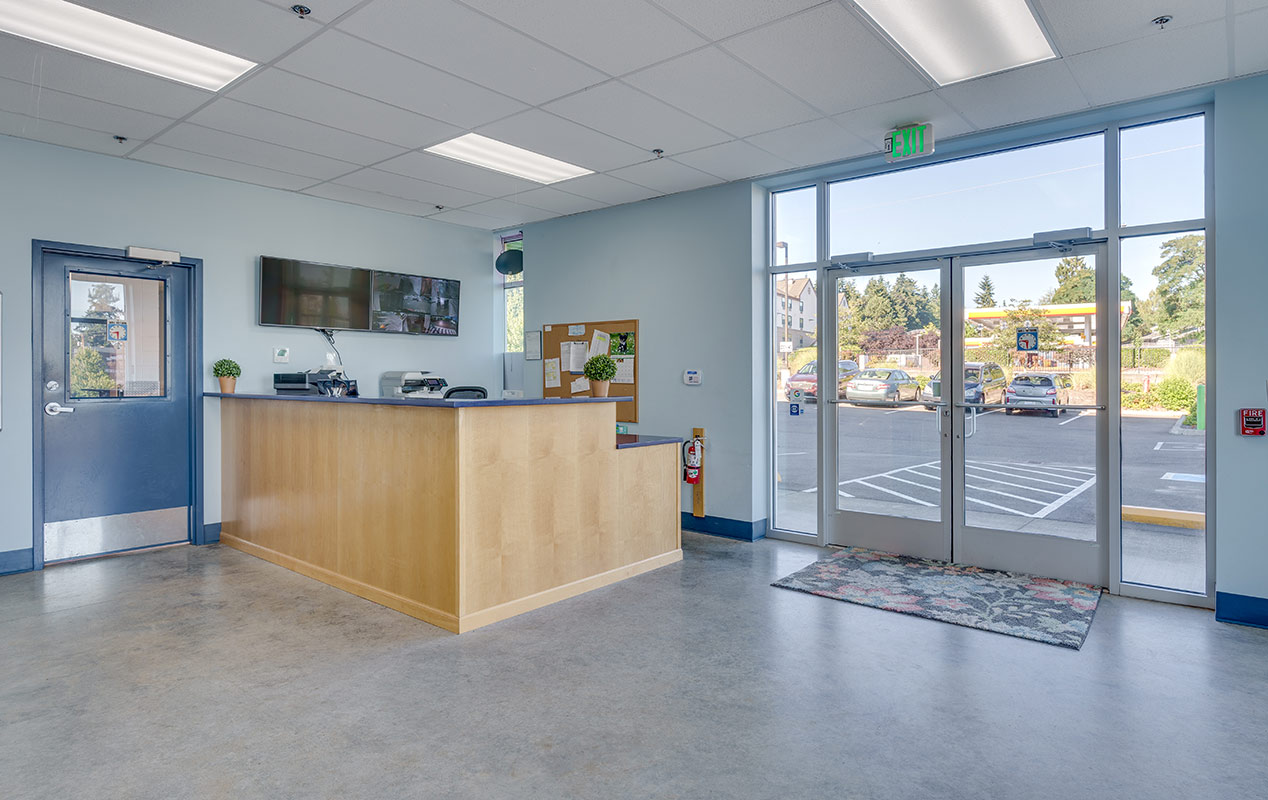
The property provides daily gate access from early morning into the evening. Manager hours are separate from storage-access hours, so review the current schedule when planning visits.
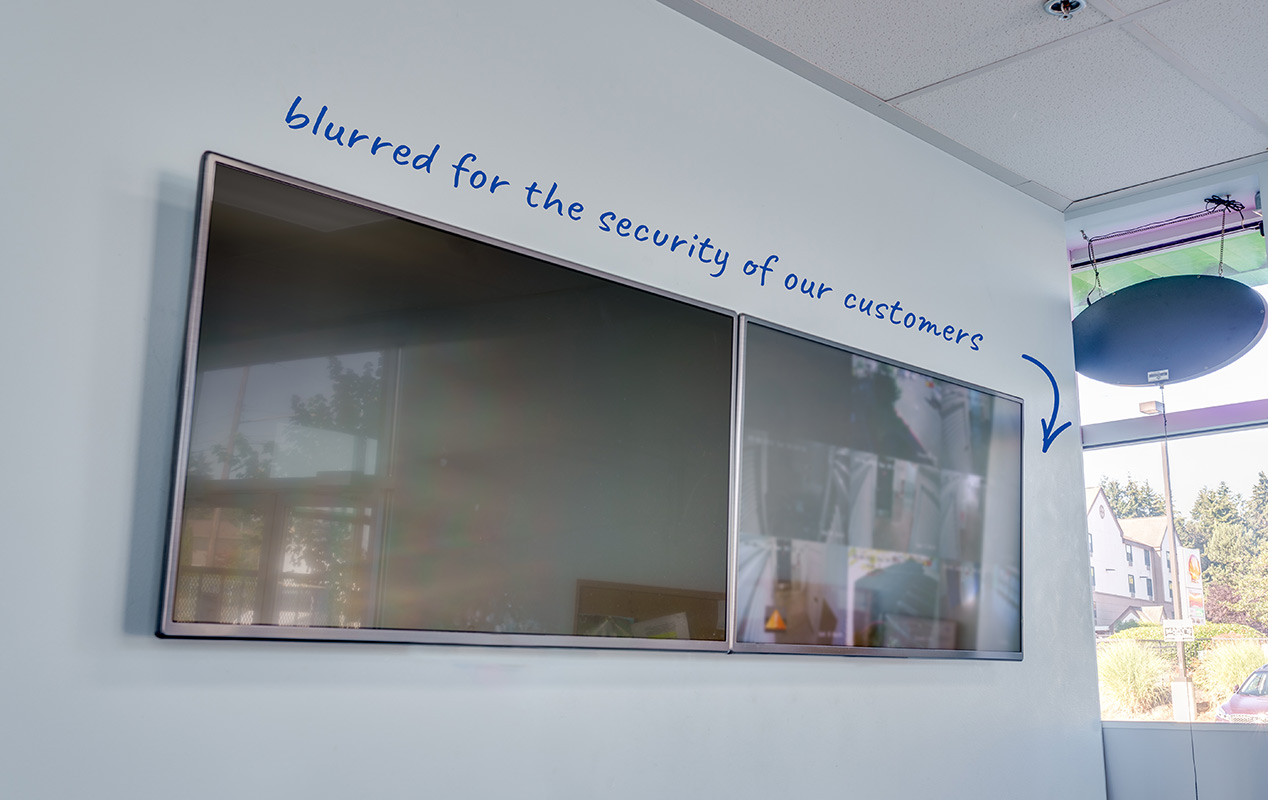
Security features include:
An access gate
Digital video recording
Logged access
Overnight surveillance
Touchless computer-controlled access
Turing-enabled monitoring
These features support access and monitoring procedures but cannot guarantee protection against theft, loss, or damage.
Month-to-month leases, online rental, online payments, supported payment-plan options, and touchless move-in are available.
Review current inventory, rental rates, billing dates, notice requirements, rate terms, coverage requirements, and move-out procedures before completing a rental.
Basic moving supplies are available through the leasing office. Confirm current inventory if the business needs a particular box, lock, cover, or packing product.
Facility features are only one part of a storage plan.
Businesses should also:
Use a suitable lock
Protect access credentials
Limit authorized users
Record equipment serial numbers
Photograph valuable items
Maintain an updated inventory
Review applicable coverage
Keep regulated or irreplaceable records elsewhere
Remove access when an employee leaves
Inspect stored items periodically
No storage method can guarantee protection against theft, loss, deterioration, or damage.
Before signing, review:
The rental rate
Promotional terms
Billing dates
Rate-adjustment provisions
Notice requirements
Coverage requirements
Access procedures
Prohibited items
Authorized-user policies
Move-out procedures
Business-use restrictions
Month-to-month leasing does not eliminate notice requirements, fees, billing obligations, or other rental terms.
A business may rent a unit for permitted belongings when the intended use complies with the rental agreement.
Confirm unusual inventory, equipment, batteries, chemicals, and business activities before move-in.
A storage unit should not be used as an employee work area, office, repair shop, workshop, storefront, or operating location.
Employees may access permitted stored items in accordance with facility rules.
Do not assume the facility accepts shipments, freight, or ongoing commercial deliveries.
Confirm any delivery needs with facility management before renting.
Routine business records may be suitable when they do not require specialized archival, legal, medical, regulatory, or environmental controls.
The business remains responsible for privacy, retention, access, insurance, and legal compliance.
Not every business item requires it.
Climate-controlled and heated options may help reduce exposure to temperature swings and cold conditions. Suitability depends on the materials, preparation, duration, and manufacturer guidance.
These features do not guarantee humidity control or prevent deterioration.
Permitted tools may be stored when they comply with the rental agreement.
Confirm rules concerning batteries, chargers, fuels, fluids, chemicals, and powered equipment before move-in.
No. A storage unit should not be used as an office, storefront, workshop, production space, employee area, or customer-facing location.
It may provide space for permitted inactive inventory, tools, supplies, records, and business equipment.
Create an inventory, measure bulky items, consider shelving, and plan for retrieval.
Choose based on the actual contents and layout rather than automatically selecting a larger unit.
No facility or storage method can guarantee protection against theft, loss, shifting, deterioration, or damage.
Appropriate preparation, access controls, inventory records, applicable coverage, and a suitable lock can help reduce avoidable risks.
Business self storage may provide useful space for permitted inventory, tools, office furniture, supplies, and other materials that do not need to remain at the primary workplace.
Before renting, create an inventory, remove restricted materials, measure bulky items, and confirm that the intended business use complies with facility rules.
Explore current options for business storage in Everett, WA.
Everything you need to store your belongings securely, on your schedule.
Visit us online