Last updated Aug 12, 2026
Storage units can be useful for Riverview businesses that need extra room for inventory, tools, records, supplies, event materials, or seasonal equipment. The important distinction is how the unit is used. A storage unit can support a business as an off-site storage space, but it should not be treated like a retail storefront, staffed office, workshop, or customer-facing business location.
If you run a small business in Riverview, you may already feel the space crunch. E-commerce inventory can take over a spare room. Contractor tools can crowd the garage. Event supplies, files, signage, or staging materials can become difficult to manage at home. A storage unit may help create room without committing to a warehouse or long commercial lease.
This guide explains how businesses can think about storage in Riverview, what types of items may be appropriate to store, what uses to avoid, and what facility details to review before renting.
In general, a storage unit should be used for storing business items, not operating the business itself. That means the unit may be useful for holding inventory, tools, documents, or supplies, but it should not function as a storefront, office, production space, repair shop, or place where customers visit.
On the local side, Hillsborough County zoning rules treat storage facilities as passive storage spaces-not as retail, office, or manufacturing locations. Before using any storage unit for business-related items, review the lease, facility rules, zoning requirements, and any licensing obligations that apply to your business.
A storage unit should not be used for activities such as:
Meeting customers at the unit
Running a retail counter or showroom
Operating machinery or production equipment
Performing repairs inside the unit
Using the unit as a staffed office
Receiving regular customer foot traffic
Storing prohibited or hazardous materials
For many businesses, the cleanest approach is to keep business operations at a proper home office, commercial office, job site, or approved business address while using storage only for items that need extra space.

Storage can work well for businesses that need a practical holding space rather than an operating location. Think of the unit as an organized extension of your back room, garage, or supply closet.
Common business storage uses may include:
E-commerce inventory: Boxed stock, packaging supplies, and seasonal products.
Contractor tools and materials: Hand tools, ladders, bins, and job-site supplies.
Landscaping or service equipment: Durable tools and supplies that do not need to stay at home.
Event and promotional materials: Displays, banners, tables, and seasonal marketing items.
Real estate staging items: Furniture, decor, and accessories between listings.
Business records: Files, archived paperwork, and documents that do not need daily access.
Small retail overflow: Extra inventory for markets, pop-ups, or seasonal demand.
The best use is passive storage. If an activity would bring customers, employees, machinery, or regular business operations into the unit, review the rules carefully and choose a more appropriate business space.
Business storage rules can vary by facility, lease terms, and local requirements. The safest approach is to ask questions before move-in and avoid storing anything that could create a safety, legal, or lease issue.
The Florida Fire Prevention Code, enforced locally in Hillsborough County, strictly limits what you can keep in an enclosed unit. Examples of items commonly restricted or prohibited may include:
Hazardous materials
Flammable liquids or fuels
Explosives
Toxic chemicals
Perishable goods
Live plants or animals
Illegal goods
Items that require active power, ventilation, or special handling
If your business uses paints, solvents, fuels, batteries, cleaning chemicals, or similar materials, review facility rules before renting. Do not assume a storage unit can hold every item your business owns.
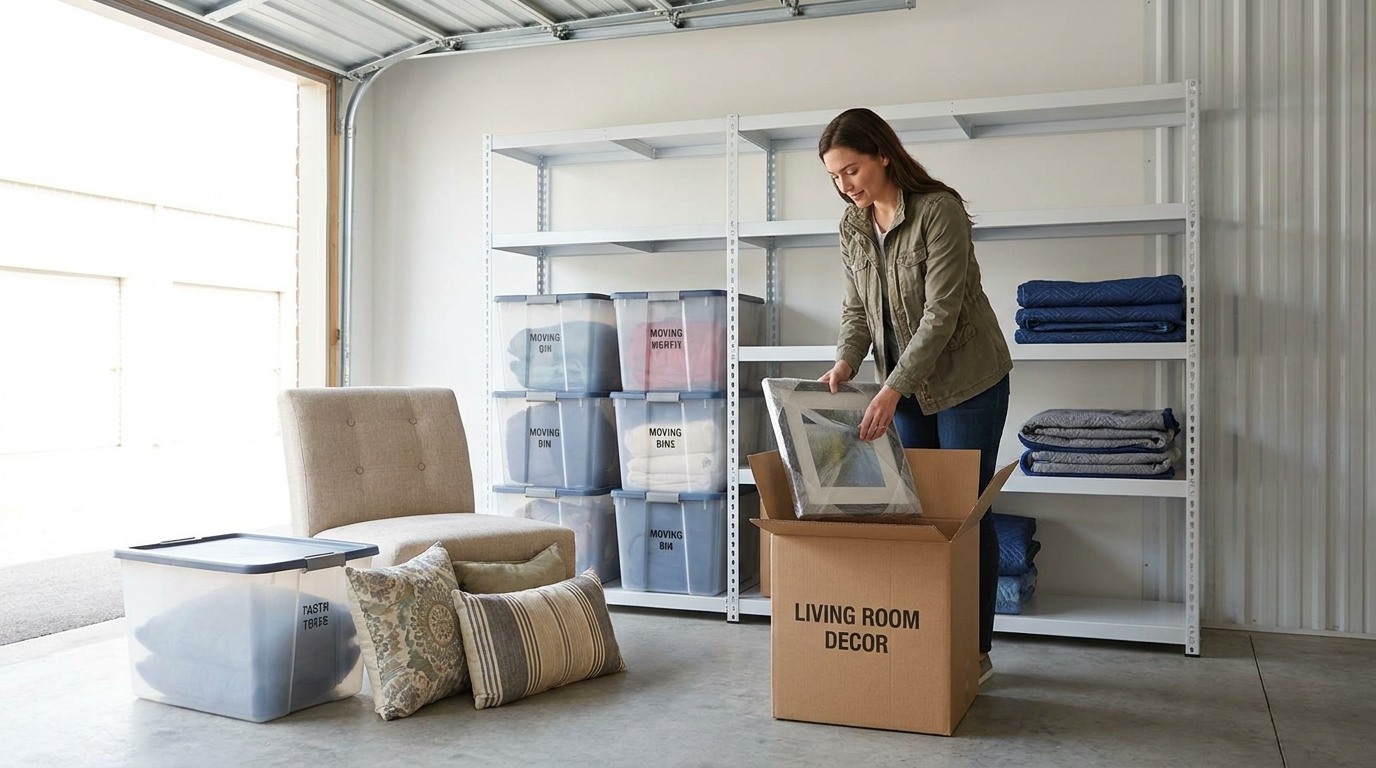
Self storage may be useful for businesses that need extra room but do not need a public-facing location.
Online sellers often need room for boxed inventory, packing materials, seasonal stock, and returns. A storage unit can help separate business items from living space while keeping inventory organized.
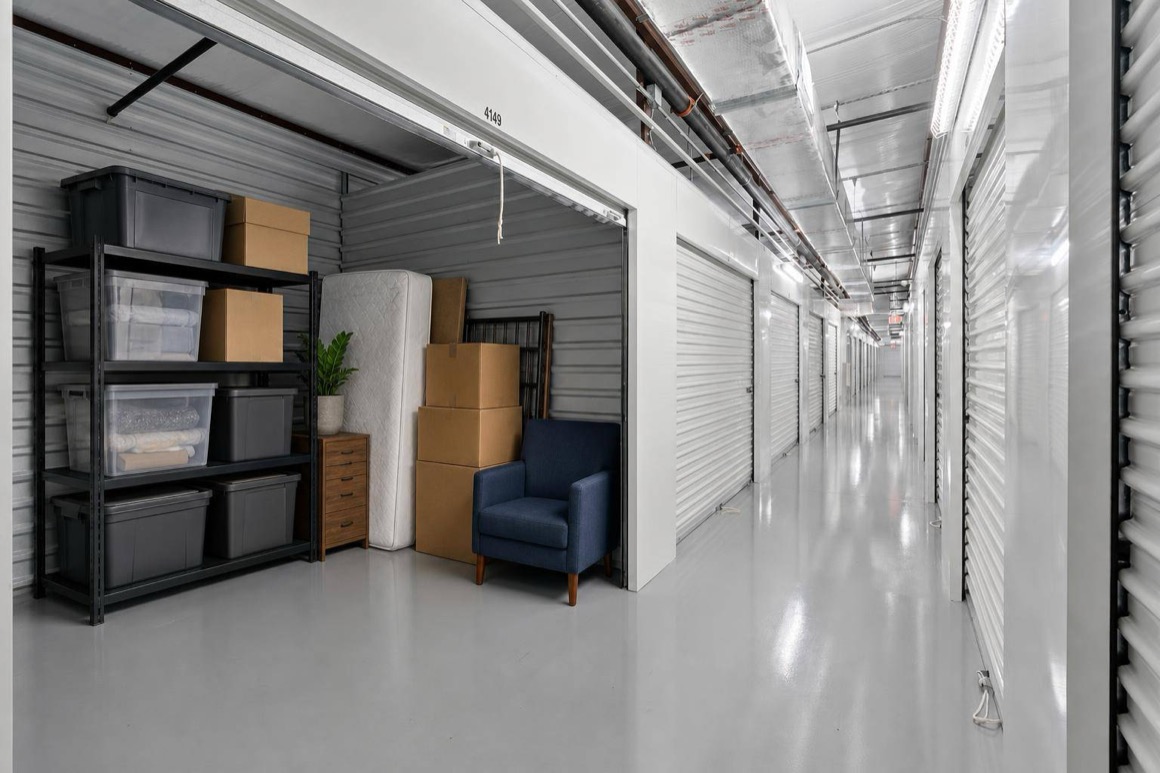
For e-commerce storage, use clearly labeled bins or shelves, keep a simple inventory list, and avoid storing items that require special handling or active climate conditions beyond what the unit provides.
Contractors, plumbers, electricians, painters, landscapers, cleaners, and other service businesses may need space for tools, equipment, bins, and supplies. A drive-up unit may be useful when items are heavy or loaded often.
Before renting, think about how you will load and retrieve items. Keep frequently used tools near the front, label bins by job type, and make sure the selected unit's access route works for what you are bringing.
Agents, stagers, and property managers may need space for decor, small furniture, signs, and staging accessories. Storage can help keep these items ready between listings without filling a garage or spare room.
Climate-controlled storage may be worth considering for furniture, textiles, documents, and other items that may benefit from a more stable indoor environment.
Law offices, accounting firms, consultants, medical-adjacent businesses, and other professional services may need room for archived files or supplies. If you are storing records, review retention, privacy, and coverage requirements before move-in.
Keep records organized by date, client, project, or category so you can retrieve the right box without unpacking the whole unit.
Many Riverview business owners work from home, run mobile service companies, or store supplies between job sites. That can create tension when residential garages, driveways, or spare rooms become crowded with work materials.
Some neighborhoods may also have HOA rules that affect commercial signage, customer visits, work vehicles, inventory, tools, or equipment kept at home. Rules vary by community, so business owners should review their own HOA documents before storing business items on residential property.
A storage unit may help with overflow when home storage is not practical, but it does not replace business licensing, zoning, lease, insurance, or HOA requirements. Treat it as a support space for stored items, not as the business location itself.
A storage unit generally should not be used as a primary business address, storefront address, or customer-facing location. Business address requirements can depend on local rules, licensing needs, platform policies, and the type of business you operate.
If you need a registered business address, review Hillsborough County requirements and any platform rules that apply to your business. Many businesses use a home office, commercial office, registered agent, or other approved address while using storage only for inventory, records, tools, or supplies.
Before storing business inventory, tools, documents, or equipment, review coverage requirements and speak with your insurer. Homeowners or renters insurance may not cover business property the same way it covers personal belongings, and commercial property may require separate coverage.
A simple inventory can help you stay organized. Before move-in, consider:
Photographing stored items
Recording serial numbers for equipment
Keeping receipts for high-value items
Labeling bins and boxes clearly
Grouping items by category or job type
Reviewing coverage requirements before renting
The more organized the unit is, the easier it is to manage claims, inventory checks, and retrieval.
Choosing a business storage unit starts with what you are storing and how often you need access.
A smaller unit may work for files, boxed inventory, or a few supplies. A mid-size unit may be better for tools, displays, equipment, or larger inventory loads. Larger units may be useful for bigger equipment, bulky materials, or eligible larger items when fit and facility rules allow.
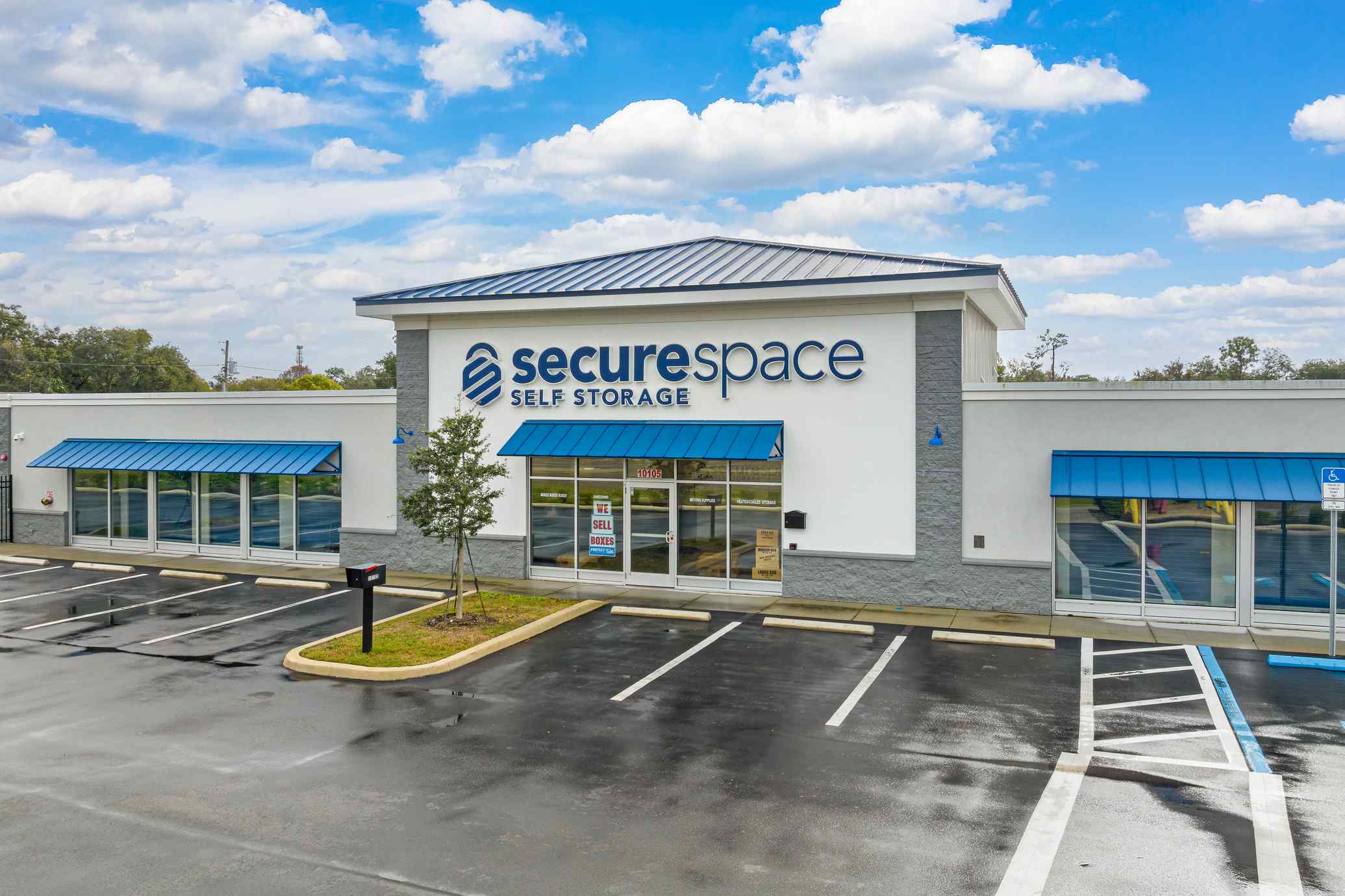
At SecureSpace Riverview, available unit sizes include 5x5, 5x10, 10x10, 10x15, 10x20, 10x25, and 10x30.
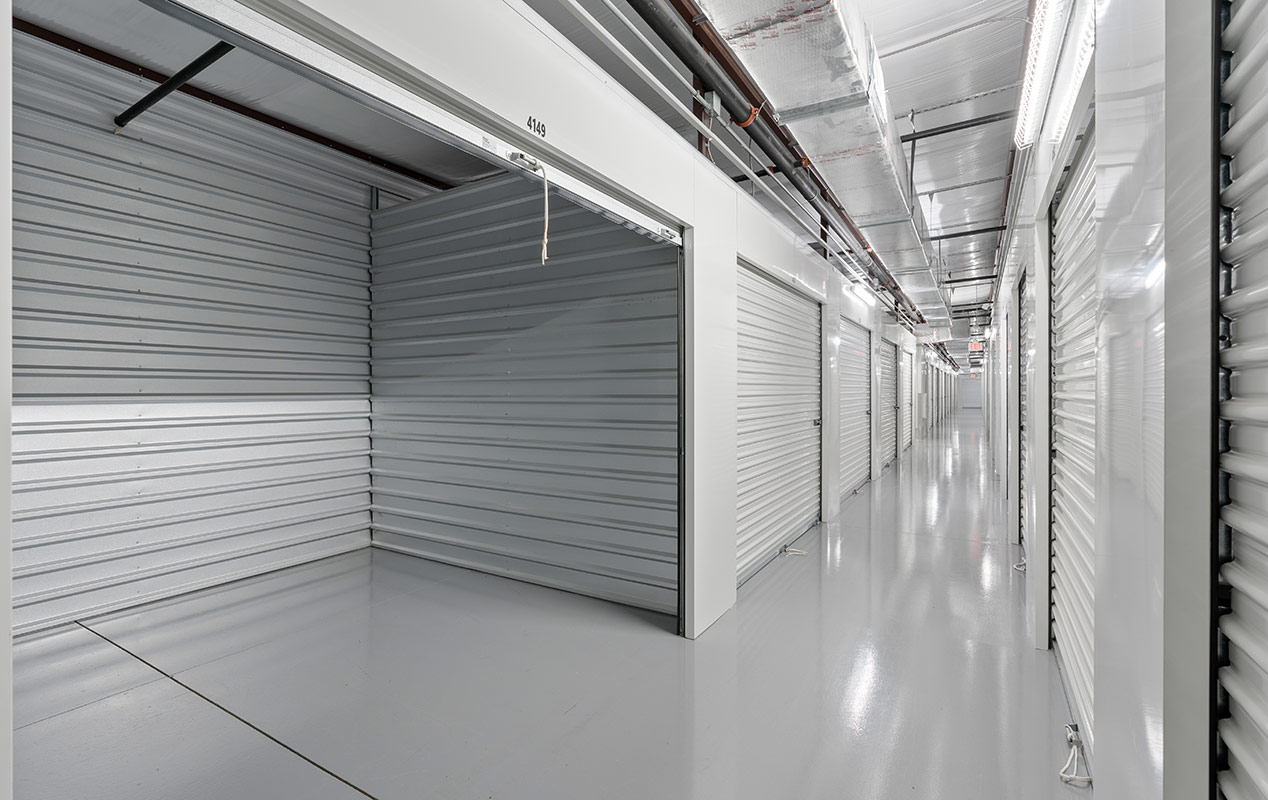
Climate-controlled storage may be useful for documents, electronics, furniture, textiles, and certain inventory. Drive-up units may be more practical for tools, equipment, durable materials, and frequent loading.
If you are storing a trailer, vehicle, or other larger eligible item, confirm dimensions, door clearance, availability, and facility rules before renting. SecureSpace Riverview does not offer separate outdoor parking spaces for rent.
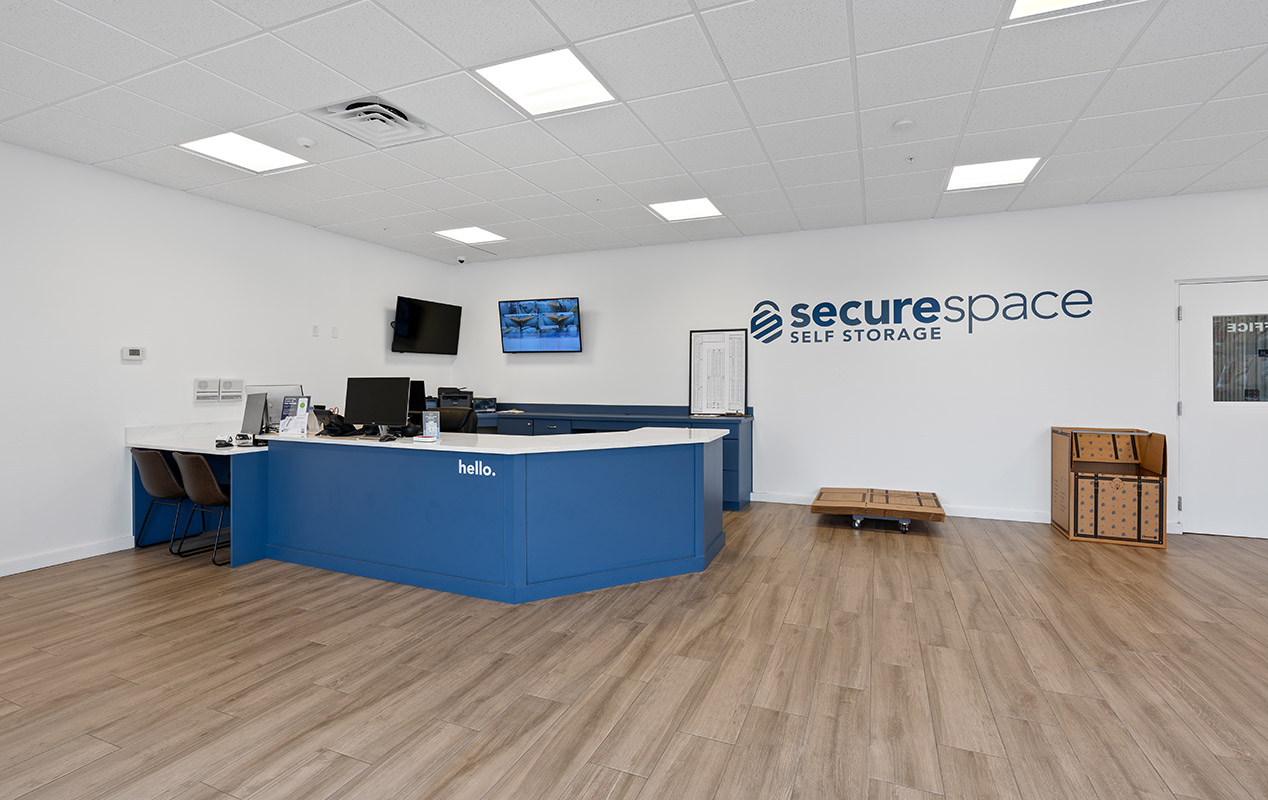
Think about when you will need to visit. SecureSpace Self Storage Riverview offers daily gate access from 6:00 AM to 10:00 PM. If you need staff assistance, check office hours separately.
Carts and dollies are available, and the facility is one floor, which can help when moving boxes, tools, or supplies.
Business storage needs can change with the season, job schedule, inventory cycle, or project load. Month-to-month leases are available at SecureSpace Riverview, which can help if your space needs increase or decrease over time.
Online payments and touchless move-in are also available.
No. A storage unit should not be used as a retail shop, showroom, or customer-facing business location. It may be useful for storing inventory or supplies, but active business operations should take place somewhere properly approved for that use.
Generally, no. A storage unit should not be used as a primary registered business address or public business location. Review local requirements, licensing rules, and platform policies before choosing a business address.
Yes. The Florida Fire Prevention Code and facility rules can restrict hazardous materials, flammable liquids, explosives, toxic chemicals, and other unsafe items. Review the lease and facility rules before storing business materials.
Self storage may cost less than commercial office or warehouse space for businesses that only need passive storage. It is not a substitute for a storefront, staffed office, workshop, manufacturing space, or fulfillment center.
It depends on what you are storing. A small unit may work for files or boxed inventory, while mid-size or larger units may be useful for tools, equipment, staging items, or business supplies. Measure large items and estimate box count before choosing.
A storage unit can help Riverview businesses manage inventory, tools, records, supplies, and seasonal materials when home or office space gets crowded. The key is to use the unit for storage only, review facility rules before move-in, and keep active business operations in an approved location.
Take a look at the current options for business storage in Riverview, FL.
Everything you need to store your belongings securely, on your schedule.
Visit us online