Living and working in Camarillo brings a unique set of logistical needs. Local businesses, healthcare offices, military families, retirees, and households in transition often accumulate physical paperwork that needs to be organized, protected, and kept accessible.
Handling boxes of sensitive files can become a major source of stress. Small business owners may need to free up office space, families may need a place for tax records and estate documents, and professionals may need to organize records during a move or renovation. Stacking cardboard boxes in a spare bedroom or garage is rarely the best long-term solution.
This guide explores common document storage needs for Camarillo residents and businesses. We will cover the risks of improper archiving, the regulatory considerations that some businesses may need to review, and how to evaluate storage options for physical paperwork.
The corporate and professional ecosystem in Ventura County generates a significant amount of physical paperwork. With nearly 63% of the workforce employed by private companies, local offices may handle contracts, tax files, employee records, invoices, client documents, and other paper records.
Camarillo is located near major employers and business centers across Ventura County. Institutions like Amgen in nearby Thousand Oaks and regional healthcare networks contribute to a business environment where recordkeeping and document organization matter.
For businesses in healthcare, life sciences, finance, real estate, legal services, and other regulated fields, document storage should be approached carefully. Some organizations may have retention, privacy, chain-of-custody, or disposal requirements based on the type of records they handle. Storage can help organize eligible paper files, but businesses should confirm legal, regulatory, and internal compliance requirements before storing sensitive documents off-site.
Research and healthcare organizations may also face specialized retention rules. For example, research institutions conducting animal studies are legally required to retain their protocols and research records for three years after the protocol has ended. Requirements vary by record type and institution, so administrators should rely on their own compliance guidance before making storage decisions.
The regulatory landscape governing document retention can be complex. Businesses may need to balance federal rules, California requirements, internal policies, client contracts, insurance requirements, and industry-specific standards.
For example, federal healthcare privacy rules can include document-retention obligations. The Health Insurance Portability and Accountability Act requires covered entities to retain certain compliance documents and risk assessments for six years from the date of creation. Healthcare providers may also need to consider other record-retention requirements, including Medicare and Medicaid program expectations; some guidance states that providers may need to maintain patient records for ten years.
Corporate and tax records also require careful handling. California business owners should review Franchise Tax Board guidance, including requirements that may apply even if a business operated at a loss or ceased active operations.
A self-storage unit should not be presented as a compliance solution by itself. Instead, it may be one part of a broader document-management plan that includes retention schedules, access controls, secure destruction policies, digital backups, legal review, and insurance review.
Many small and medium-sized businesses are rethinking how they use office space. Filing cabinets, banker boxes, and old records can take up valuable square footage that could otherwise be used for employees, equipment, meetings, or customer-facing operations.
Off-site storage can help businesses move inactive records, archived files, and boxed paperwork out of the primary office. This can be especially useful during office downsizing, hybrid-work transitions, renovations, or seasonal reorganizations. Businesses should label boxes clearly, maintain an inventory, and store only documents that are appropriate for off-site storage under their own policies and applicable requirements.
The need for organized document storage extends beyond the corporate sector. Residents across Ventura County may need temporary or longer-term space during major life events.
Camarillo is a popular area for retirees and older adults. As seniors transition from larger family homes in neighborhoods like Camarillo Heights into smaller, maintenance-free units, they may face a significant downsizing challenge.
Retirees may need to organize property deeds, estate planning documents, old tax returns, family records, photographs, keepsakes, and other paper archives. A storage unit can provide temporary breathing room while families decide what to keep, scan, shred, pass down, or store longer-term.
For personal records, organization matters. Use clearly labeled boxes, keep an inventory, and avoid storing irreplaceable originals without reviewing insurance, backup copies, and access needs.
Camarillo is connected to the broader Ventura County military community. Naval Base Ventura County includes Point Mugu and Port Hueneme, and military families may need storage during moves, housing transitions, or temporary assignments.
Service members and families should keep essential documents such as orders, passports, birth certificates, Social Security cards, medical records, and financial paperwork accessible during a move. For questions about reimbursable storage, Storage-in-Transit, or PCS-related allowances, military personnel should confirm details with their transportation office or official relocation resources.
Paper is vulnerable to moisture, heat, pests, fire, mishandling, and poor organization. When small business owners or residents store boxes in garages, sheds, or crowded backrooms, they may expose records to conditions that make retrieval harder later.
Camarillo generally enjoys a mild climate, but coastal influence and seasonal humidity shifts can still affect paper over time. When paper is exposed to fluctuating moisture or poor storage conditions, it may warp, curl, wrinkle, discolor, or become harder to scan and handle.
Paper-handling guidance notes that fluctuating humidity can destroy the legibility of printed text or contribute to handling issues over time. To reduce risk, store documents in clean, dry boxes, avoid damp areas, and keep boxes off bare floors when possible.
If climate-controlled storage is important for your documents, review current facility options before reserving. Climate-controlled storage can help reduce exposure to temperature swings compared with non-climate-controlled spaces, but it does not guarantee a specific temperature range, humidity level, preservation outcome, mold prevention, or complete protection from environmental risks.
Large volumes of paper can create practical fire-safety and space-management concerns. Businesses storing significant quantities of paper should understand applicable local fire-code requirements and building rules before stockpiling boxes in offices, warehouses, or backrooms.
The Ventura County Fire Protection District provides guidance on Standard 14.7.5 regarding "High-Piled Combustible Storage". Requirements may depend on quantity, storage configuration, building use, sprinkler systems, aisle spacing, and other factors.
Businesses should not assume a self-storage unit automatically satisfies fire-code, insurance, privacy, or document-retention obligations. Review facility rules, insurance requirements, and compliance guidance before storing large volumes of records.
When you are ready to move documents to a dedicated facility, focus on practical features and clear rental terms. You may be storing personal records, business files, family archives, or inactive office documents, so the process should be organized and intentional.
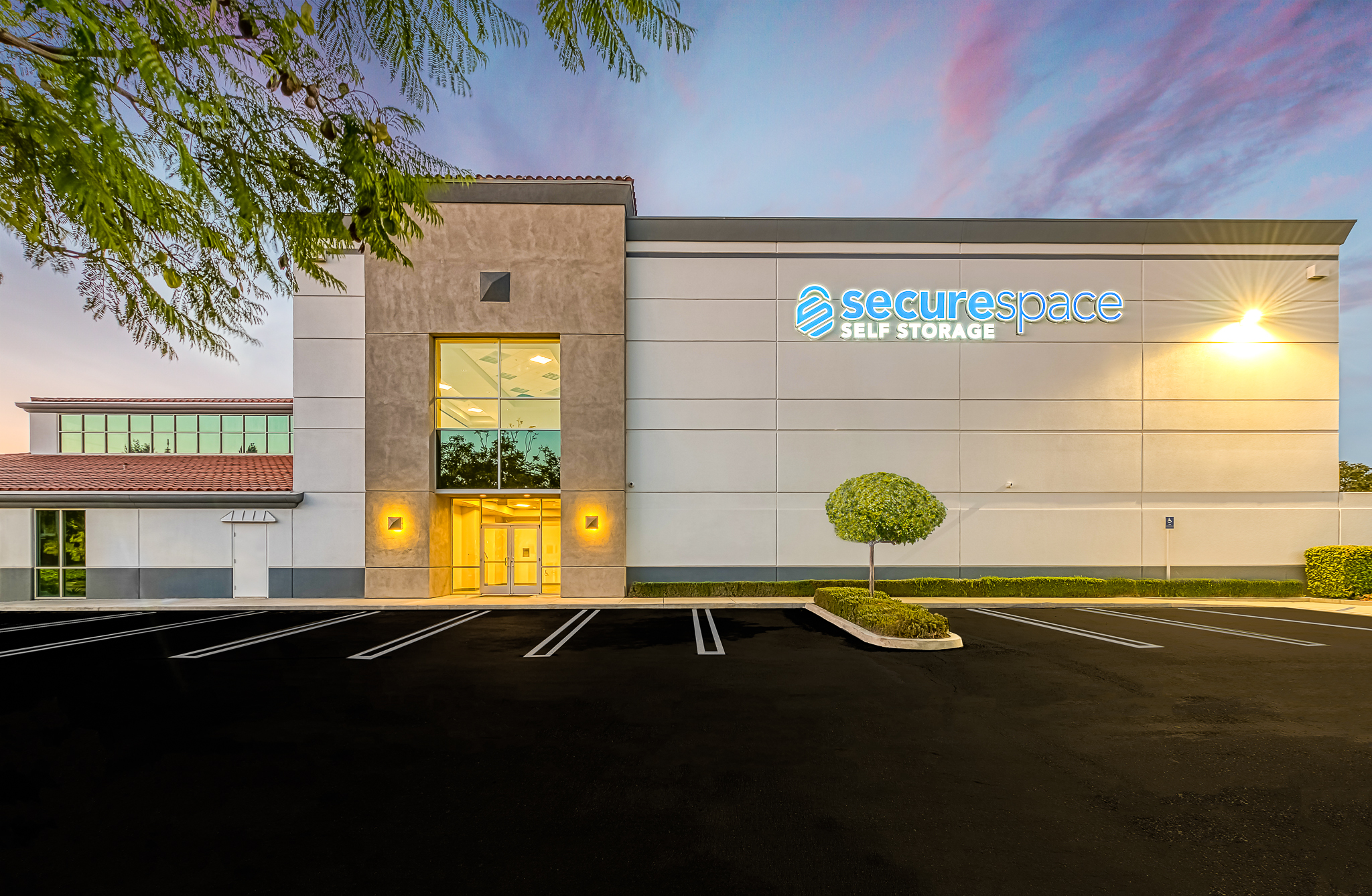
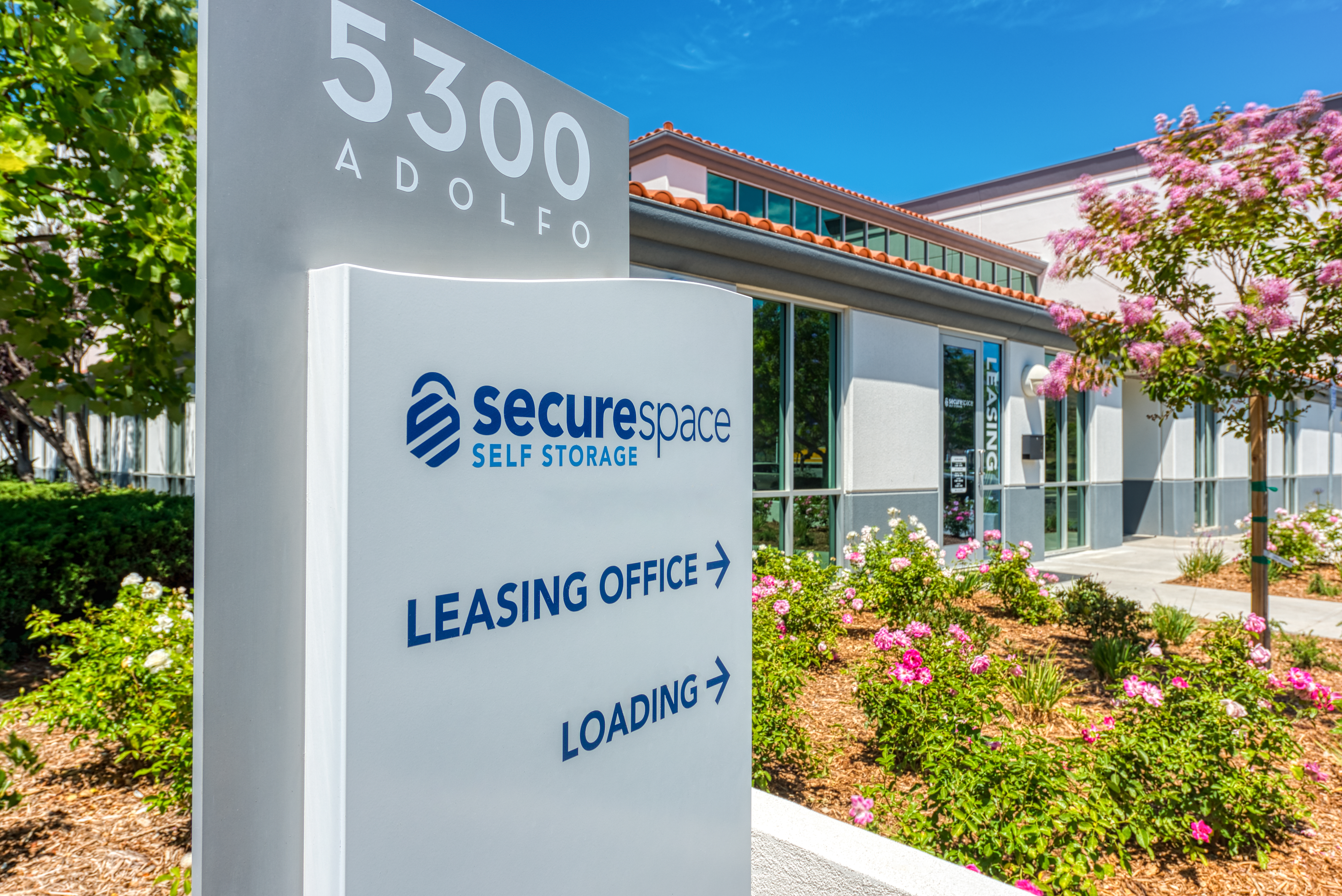
Security matters when storing paper records. Look for specific, verifiable facility features rather than broad promises. At SecureSpace Self Storage Camarillo, facility features include gated access, digital video recording, logged access, and overnight surveillance.
For sensitive business records, facility security is only one part of the plan. Businesses should also control who has access to keys, maintain a box-level inventory, document retrievals, and follow their own privacy and records-management procedures.
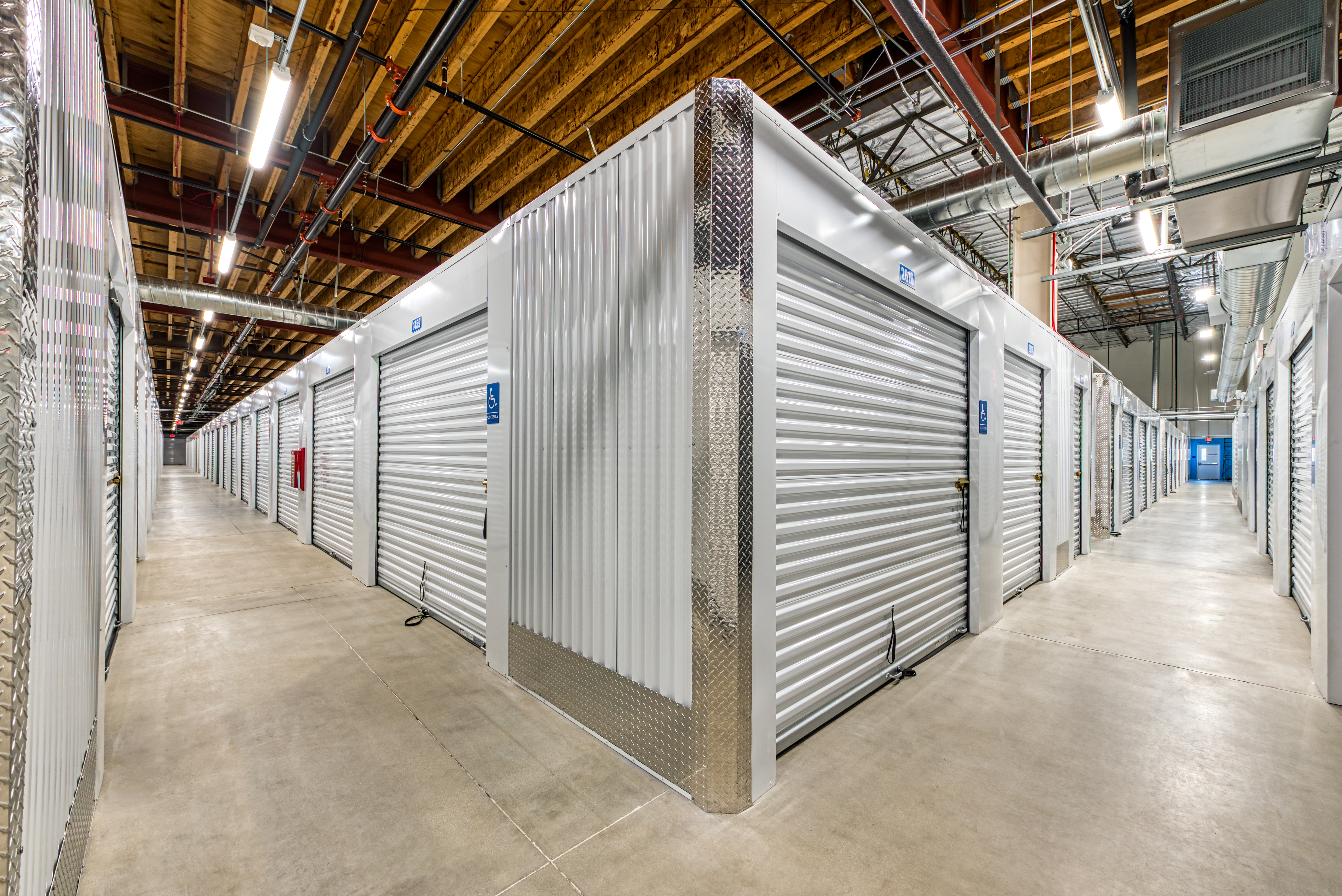
Climate-controlled storage may be useful for paper records, photographs, documents, and archival boxes that may be sensitive to temperature swings. It can help reduce exposure to temperature changes compared with non-climate-controlled spaces.
However, climate-controlled storage should not be described as absolute preservation. It does not guarantee ink preservation, humidity control, pest prevention, fire protection, or a specific future condition. For highly sensitive, regulated, or irreplaceable documents, consult records-management, insurance, or preservation professionals before choosing a storage plan.
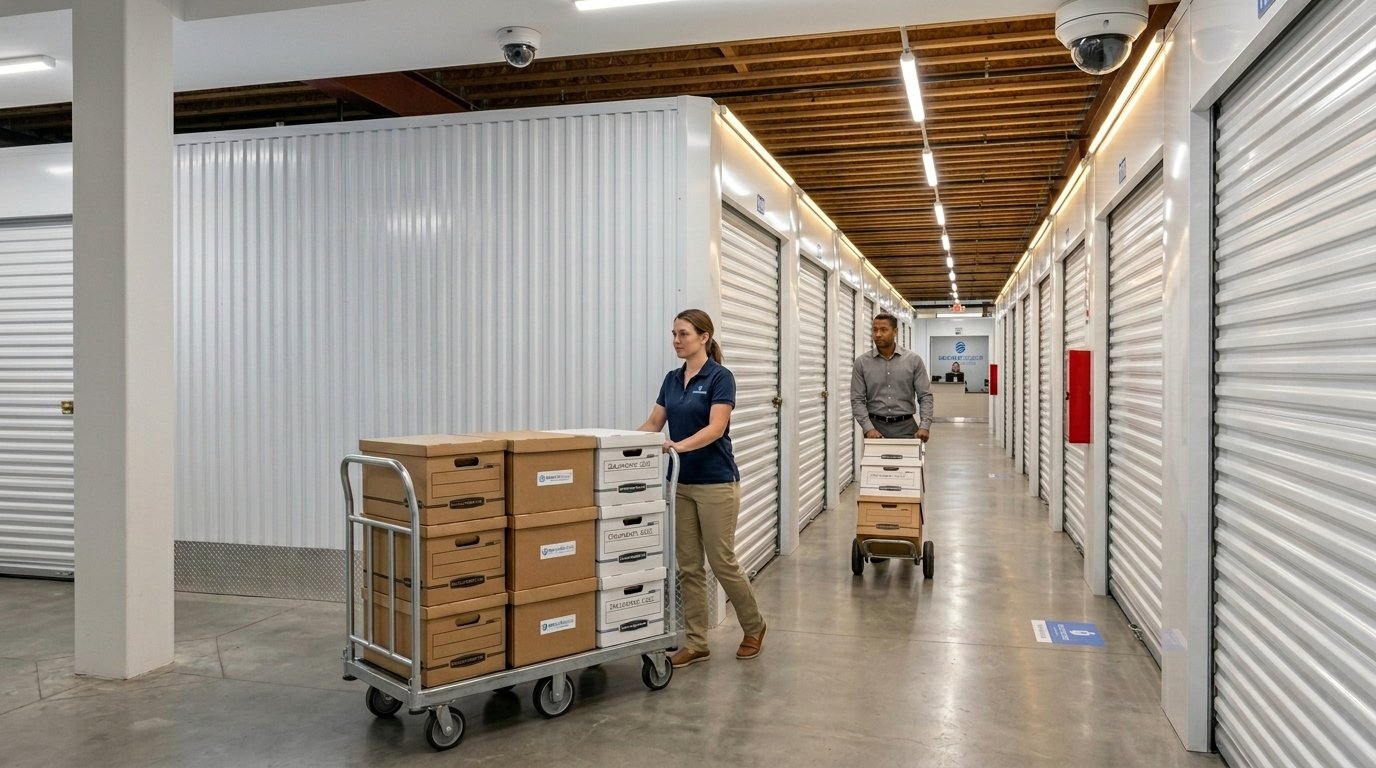
Paper is heavy. Banker boxes, file cartons, and archive tubs can quickly become difficult to move without a plan. SecureSpace Self Storage Camarillo offers helpful moving features such as a covered loading area, loading dock, elevator access, carts and dollies, semi-truck accessibility, and moving pods allowed. Gate hours are daily from 6:00 AM to 10:00 PM.
Label boxes by category and date, avoid overpacking, and keep frequently needed files near the front of the unit. Maintain a separate inventory so you can retrieve files efficiently without opening every box.
Climate-controlled storage can be useful for documents because paper may be affected by temperature swings, humidity, and poor packing conditions over time. It can help reduce exposure to temperature changes compared with non-climate-controlled spaces, but it does not guarantee humidity control, archival preservation, mold prevention, or complete protection from environmental risks.
Record-retention requirements vary by document type, industry, employer, and regulatory body. Some healthcare, payroll, personnel, tax, and corporate records may need to be retained for years. Businesses should rely on legal, accounting, HR, compliance, and industry-specific guidance before deciding what to store, digitize, or destroy.
Start with a written inventory. Label each box with record type, date range, department, retention period, and destruction-review date if applicable. Keep a digital index outside the storage unit. Limit key access to authorized people and document file retrievals when appropriate.
Military families relocating to or from Point Mugu, Port Hueneme, or other duty stations may need temporary storage during a move. Storage benefits and reimbursement rules can vary based on orders, timing, branch guidance, and shipment arrangements. Service members should confirm Storage-in-Transit and other storage-related benefits with their transportation office.
Protecting sensitive corporate archives, tax records, family documents, and personal paperwork starts with careful planning. Clean, dry packing materials, clear labels, inventory lists, and insurance review can make document storage easier to manage.
Whether you are clearing office space, downsizing a home, organizing family records, or preparing for a move, review current storage options, rental terms, and facility features before reserving.
Ready to review current availability? View our available units today at SecureSpace Self Storage Camarillo.
Everything you need to store your belongings securely, on your schedule.
Visit us online