Last updated Aug 12, 2026


Renting a storage unit seems straightforward: pack your things, lock the door, and you're done. But storage facilities have rules about what can and cannot be stored, and those rules matter. Prohibited items can create safety risks, attract pests, damage neighboring units, or violate the rental agreement.
Whether you're clearing space for a growing family, managing a military PCS move, or cleaning out the garage, understanding the prohibited-items list upfront can help you avoid problems later. This guide covers common restricted items, practical storage tips for Waipahu, and what to ask before move-in.

Waipahu sits in Honolulu County on the island of Oahu, where climate, household size, and local safety rules can affect how people store belongings.
According to Census Reporter, the median home value in Waipahu is approximately $868,600. With limited living space and high housing costs, many families use storage units as an extension of the home for seasonal items, furniture, documents, and household overflow.
Hawaii's warm, humid climate also makes storage preparation important. Food, damp items, plants, chemicals, and other restricted materials can create pest, odor, safety, or damage concerns. Storage facilities also have to follow lease rules, fire-safety requirements, and other applicable regulations.
Understanding these rules is not just about protecting the facility. It's also about protecting your belongings and the belongings stored nearby.
Every facility has its own rental agreement, so check the lease and ask the facility directly before move-in. In general, these categories are commonly prohibited or restricted.
This is one of the most commonly misunderstood categories. Many people store lawnmowers, generators, boat equipment, or pressure washers and assume a little leftover fuel is fine. It usually is not.
Do not store gasoline, diesel fuel, kerosene, paint thinner, petroleum-based solvents, or other flammable and combustible materials in a standard storage unit. Before storing motorized equipment, drain fuel and fluids according to the equipment manufacturer's instructions and the facility's policies.
Examples that may be prohibited or restricted include:
Gasoline and diesel fuel
Paint thinner and petroleum-based solvents
Kerosene and similar fuels
Large quantities of motor oil or lubricants
Fuel containers or oily rags
If you are not sure whether something is allowed, ask before bringing it to the facility.
Propane tanks, camping fuel canisters, welding tanks, oxygen cylinders, and other compressed gas containers are typically not allowed in standard storage units. Even empty tanks may contain residue or pressure.
Store and dispose of these items through approved channels rather than placing them in a storage unit.
Contractors, mechanics, landscapers, and homeowners may have leftover chemicals from projects. These materials should not be stored in a self storage unit unless the facility specifically allows them, which is uncommon.
Prohibited or restricted items may include:
Agricultural pesticides and fertilizers
Industrial solvents and degreasers
Bleach, ammonia, and strong acids in large quantities
Chemical cleaning agents
Hazardous renovation materials
If you have leftover chemicals from a renovation, landscaping project, or garage cleanout, check current City and County of Honolulu disposal options for safe handling.
Standard self storage facilities generally prohibit live ammunition, fireworks, blasting caps, marine flares, and other explosive materials. These items create serious safety risks and may violate the rental agreement.
Firearms may be subject to separate facility policies and legal requirements. Military personnel and firearm owners should follow Hawaii law, base rules where applicable, and the facility's written policies before storing anything related to firearms.
Food is one of the most common prohibited categories. Even sealed food can attract pests or create odor issues over time.
Do not store:
Fresh produce or frozen foods
Dry pantry staples or bulk grains
Emergency rations or MREs
Pet food or bird seed
Open food containers
Recently cut plants or organic yard material
Food, seeds, and organic materials can attract insects or rodents, especially in warm climates. Keeping food out of storage helps protect your unit and neighboring units.
No people, pets, plants, or animals may be stored in a unit. This includes houseplants. Soil, water, and organic matter can introduce pests, moisture, and odor issues into an enclosed space.
Used syringes, bodily fluids, medical waste, asbestos-containing materials, radioactive materials, and controlled or illicit substances should never be stored in a self storage unit. Use proper disposal channels for medical waste, regulated materials, or hazardous items.
Storage rental agreements typically allow the facility to take action if a tenant stores prohibited items, creates a safety issue, causes pest problems, or violates the lease. Depending on the situation, consequences may include being asked to remove the item, fees, loss of access, termination of the rental agreement, or other remedies allowed under the lease and applicable law.
Under Hawaii Revised Statutes § 507-62, storage facility owners hold a statutory lien on property stored within a unit to secure unpaid rent and charges.
If you realize you have stored something prohibited, contact the facility immediately and ask how to remove or dispose of it safely.
Knowing what's prohibited is only half the equation. Hawaii's environment means even permitted items should be packed with care.
Wood furniture, family keepsakes, and cultural items should be stored clean and dry. Use breathable covers rather than sealing items in plastic if moisture may be present. Elevate items off the floor when possible, and consider climate-controlled storage for belongings that may be sensitive to temperature changes.
For valuable wood pieces, antiques, or cultural items, ask a specialist about proper care before placing them in storage.
Surfboards, fishing gear, paddleboards, and other ocean equipment can be stored, but preparation matters.
Before storage:
Rinse off salt and sand
Let items dry fully
Remove or protect wax where appropriate
Use board bags, racks, or padding when possible
Avoid trapping damp gear in sealed containers
For motorized marine equipment, drain fuel and fluids according to manufacturer instructions and facility rules before bringing equipment to the property.
For general household items, use sturdy containers and label everything clearly. Plastic storage totes can be useful for items that need extra structure or repeated access. Cardboard boxes can work for many moves, but avoid placing them directly on concrete floors when possible.
Vacuum upholstered furniture before storing it, make sure fabrics are dry, and leave space for airflow if the unit will be packed tightly.
Outdoor parking may be available for eligible vehicles, depending on current availability and facility rules. Customers should confirm vehicle dimensions, documentation requirements, storage rules, and current parking availability before making plans.
Do not assume vehicles can be stored inside drive-up units. At SecureSpace Self Storage Waipahu, vehicle storage inside drive-up units should be confirmed with the facility before planning.
Yes, with proper preparation. Rinse off salt and sand, let gear dry fully, and pack items so they are not crushed or bent. For motorized marine equipment, drain fuel and fluids according to manufacturer instructions and facility rules before bringing it to storage.
Food items are generally prohibited in storage units, including canned goods, dry goods, pet food, bird seed, and emergency rations. Food can attract pests or create odor issues, even when sealed.
Live ammunition, explosives, fireworks, and similar materials are generally prohibited in self storage facilities. Firearms may be subject to facility policies and legal requirements. Military personnel should follow Hawaii law, base rules where applicable, and the facility's written policies.
Warm, humid conditions and salt air can be hard on some items over time, especially wood furniture, electronics, documents, clothing, and metal items. Climate-controlled storage can help reduce exposure to temperature swings compared with non-climate-controlled spaces, but careful packing still matters.
Use approved disposal channels for hazardous materials such as old paint, solvents, fuel, batteries, pesticides, and chemicals. Check current City and County of Honolulu and Hawaii Department of Health guidance for accepted materials, schedules, and drop-off procedures.
Contact the facility as soon as you realize the issue. Facility staff can tell you how to remove the item and what the lease requires. Addressing the problem early is usually better than waiting until it creates a safety, pest, odor, or lease issue.
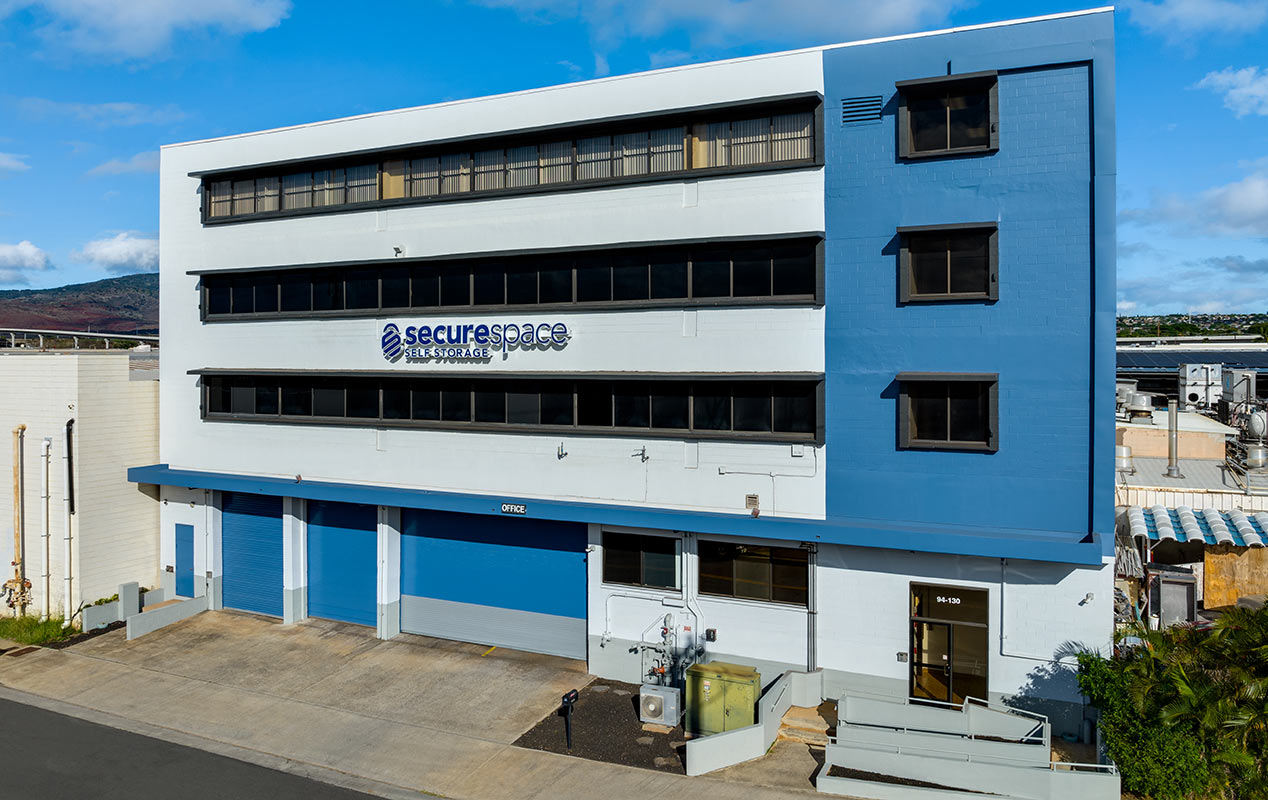
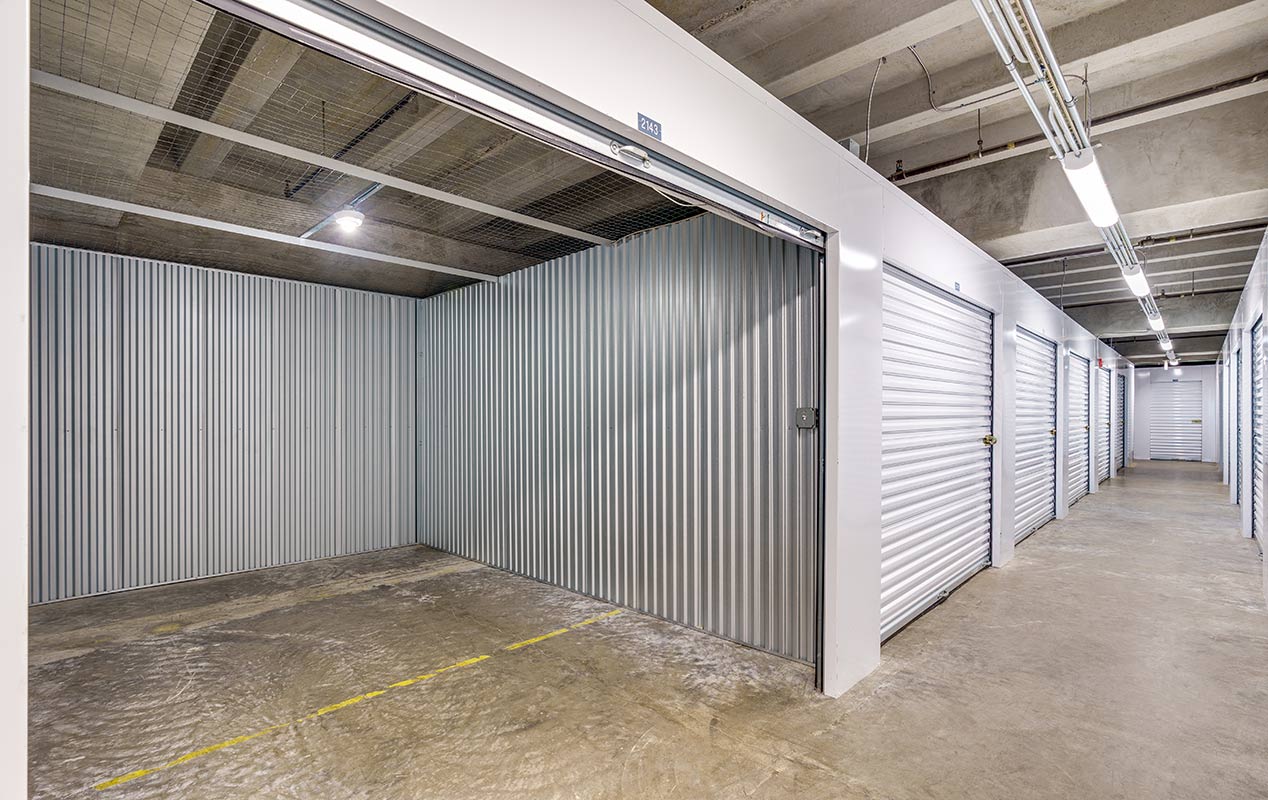
SecureSpace Self Storage Waipahu is located at 94-130 Leokane St, Waipahu, HI 96797. The facility offers a range of unit sizes, climate-controlled storage, drive-up units, locker units, loading features, online payments, and month-to-month leases.
Gate access is available daily from 6:00 AM to 10:00 PM. Security-related features include an access gate, digital video recording, logged access, and overnight surveillance.
Everything you need to store your belongings securely, on your schedule.
Visit us online