Last updated Jun 26, 2026
Owning a car in Rialto comes with a few unique challenges. Summer temperatures can climb quickly, residential parking rules may limit where extra vehicles can sit, and vehicle theft is a real concern across Southern California. If you have an extra car, truck, RV, boat, or daily driver that sits while you commute, finding the right parking option can make storage planning easier.
This guide walks you through what to know about car storage in Rialto. You'll learn why local conditions make parking and storage decisions important, how to prepare your vehicle, and what to look for in a storage facility. By the end, you'll have a clearer idea of how to choose an option that fits your vehicle, schedule, and budget.

Rialto sits in the heart of the Inland Empire, where summers are hot, dry, and sunny. According to WeatherSpark, Rialto's hot season lasts more than three months, with average daily highs above 89°F and frequent spikes past 103°F during heatwaves.
That kind of heat can be hard on a parked vehicle over time. Constant UV exposure may contribute to faded paint, worn rubber trim, and aging exterior materials. Inside a closed car, cabin temperatures can climb high enough to make electronics, plastics, and upholstery more vulnerable to wear.
Outdoor parking does not eliminate sun or heat exposure, so vehicle prep still matters. If you plan to park a car for an extended period, consider using a quality cover if appropriate, checking tires regularly, keeping the vehicle clean, and following manufacturer guidance for long-term storage.
Many Rialto residents simply cannot keep extra vehicles at home. The city has grown quickly, and many homes have limited driveway space. With multiple vehicles in one household, driveways can fill up fast.
Local rules may make things tighter. The Rialto Municipal Code includes rules about where vehicles may be parked or stored, including limits on parking vehicles on lawns, landscaped areas, or unpaved surfaces. Some vehicle types and oversized vehicles may also be subject to additional restrictions.
On top of city rules, many newer neighborhoods sit within homeowners' associations that enforce parking rules. Project cars, work trucks, boats, and RVs parked in driveways may trigger notices depending on the community. For many residents, off-site storage or outdoor parking can be a practical way to address space limitations while reviewing local and HOA requirements.
Security is a top concern for many vehicle owners. The Riverside-San Bernardino-Ontario metro area has repeatedly ranked among the top ten worst regions in the country for vehicle theft, according to the National Insurance Crime Bureau.
The statewide picture is also worth noting. The California Highway Patrol reported 176,230 stolen vehicles in 2024, with trucks and SUVs making up the largest share of thefts.
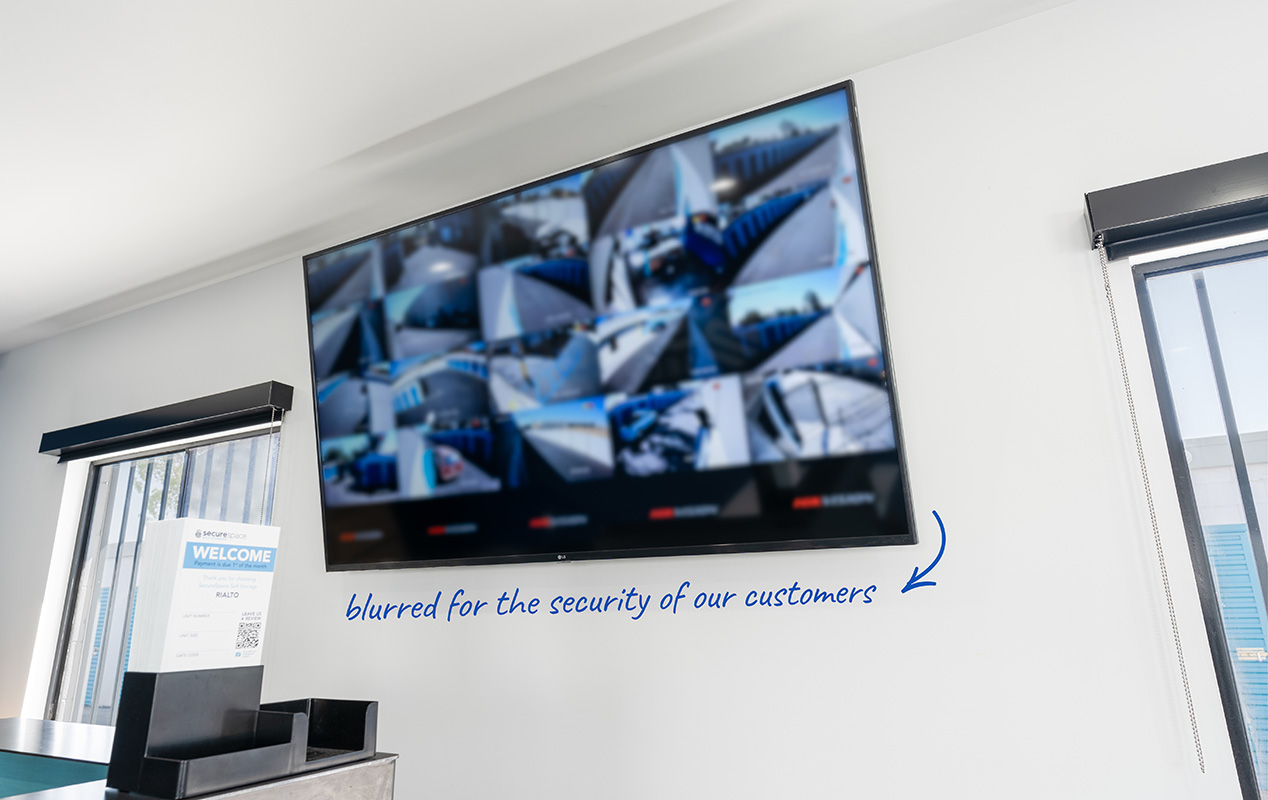
Leaving a valuable vehicle on a dark street or in an unsecured location can create risk. When comparing storage options, look for specific security-related features such as gated access, digital video recording, logged access, overnight surveillance, and patrols. These features do not guarantee protection, but they can support a more controlled parking environment than many residential street-parking situations.

A little prep work goes a long way. Before storing your car for a month or more, review your owner's manual and consider these general steps.
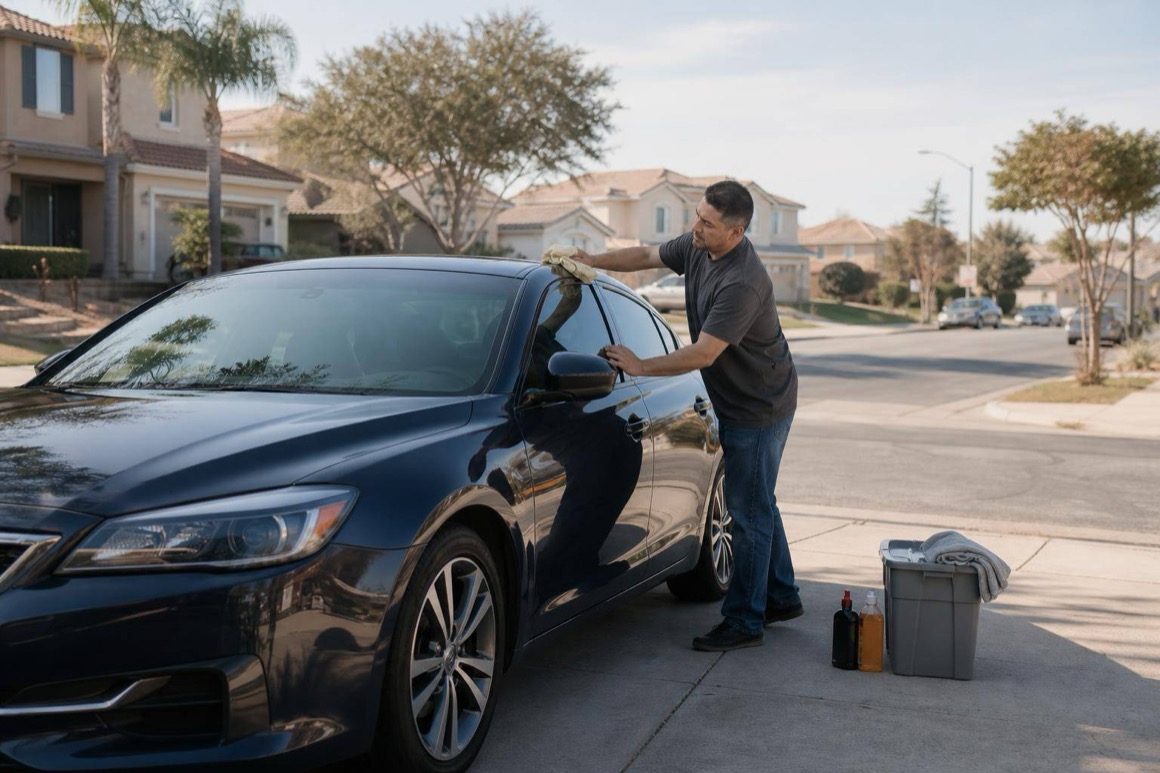
Wash and wax the exterior before storage. Bird droppings, sap, and water stains can permanently damage paint if left to sit, as Kelley Blue Book notes. Vacuum the interior and remove food, trash, and anything that could create odors.
If you're storing the car longer than 30 days, check your owner's manual or mechanic's advice on whether an oil change makes sense first. According to Edmunds, a full tank prevents moisture buildup, and a fuel stabilizer keeps fuel fresh for up to 12 months. Take a short drive afterward if recommended so the stabilizer can circulate.
A car battery can lose charge when it sits unused. If possible, follow your manufacturer's guidance for battery storage. Depending on the vehicle, that may mean having someone drive it periodically, disconnecting the negative battery cable, or using a maintenance charger.
Tires can lose pressure over time, and flat spots may develop if a vehicle sits in one place for a long period. Check tire pressure before storage and again before driving. For longer storage periods, ask a mechanic whether tire cradles, jack stands, or other precautions are appropriate for your vehicle.
For some vehicles and storage situations, leaving the parking brake engaged for an extended period can create issues. Check your owner's manual and use wheel chocks if recommended.
A parked vehicle can attract pests if food, crumbs, or nesting materials are left inside. Clean the interior thoroughly, remove trash, and check under the hood before driving again. For specific pest-prevention steps, follow your vehicle manufacturer's guidance and avoid anything that could damage the car or create safety concerns.
Storing an EV follows many of the same general rules: clean it, avoid leaving it in direct sun where possible, check tires, and follow the owner's manual. The main difference is battery care.
Many EV manufacturers recommend storing the high-voltage battery within a certain charge range rather than fully charged or nearly empty. Some models also have a storage or sleep mode. The smaller 12-volt battery may need attention too. Always follow model-specific guidance before leaving an EV parked for an extended period.
It may be tempting to cancel auto insurance while your car sits unused, but that can create risk. If a stored vehicle is stolen, vandalized, or damaged, coverage details matter. A gap in coverage may also affect future insurance costs.
Instead, talk to your insurer about options such as comprehensive-only coverage, storage or "layup" coverage, or other policy adjustments. Requirements can vary by lender, state, insurer, and vehicle status, so confirm details before making changes.
Not all storage is created equal. As you compare options around Rialto, keep these features in mind.
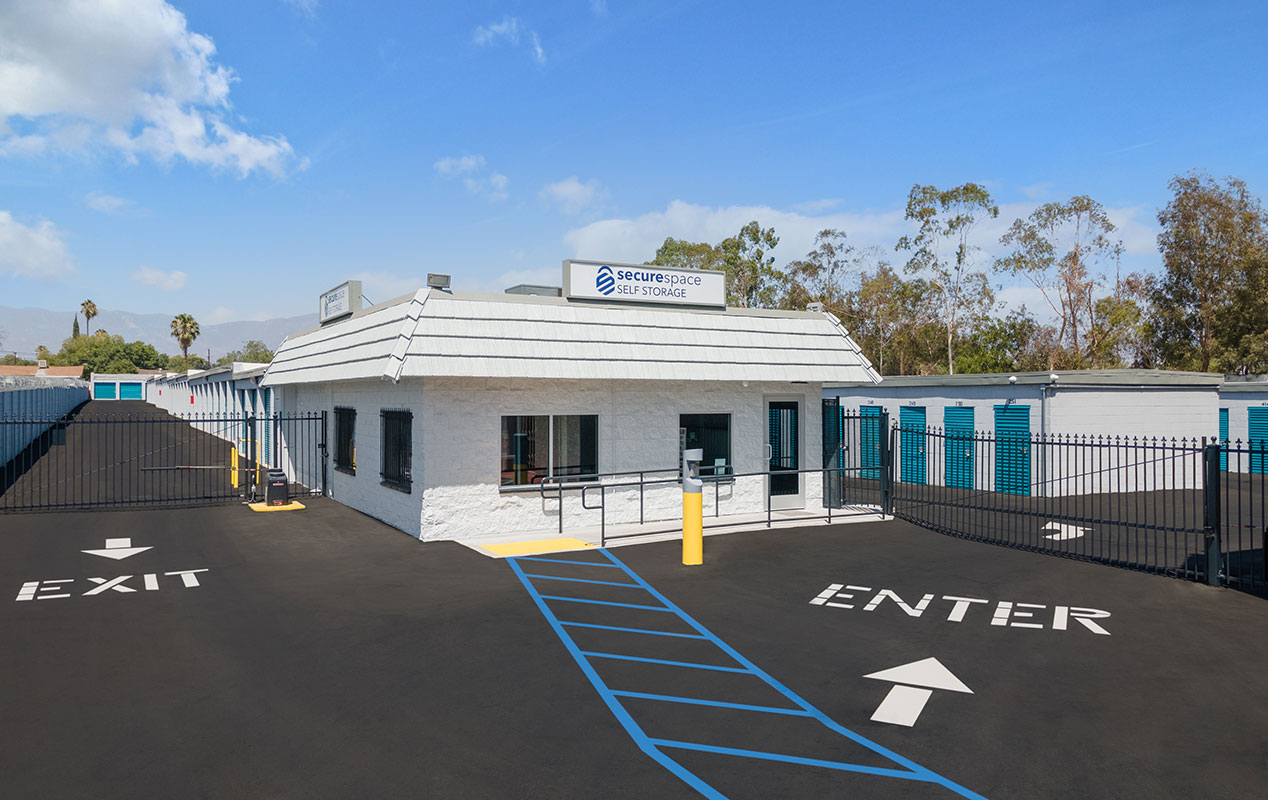
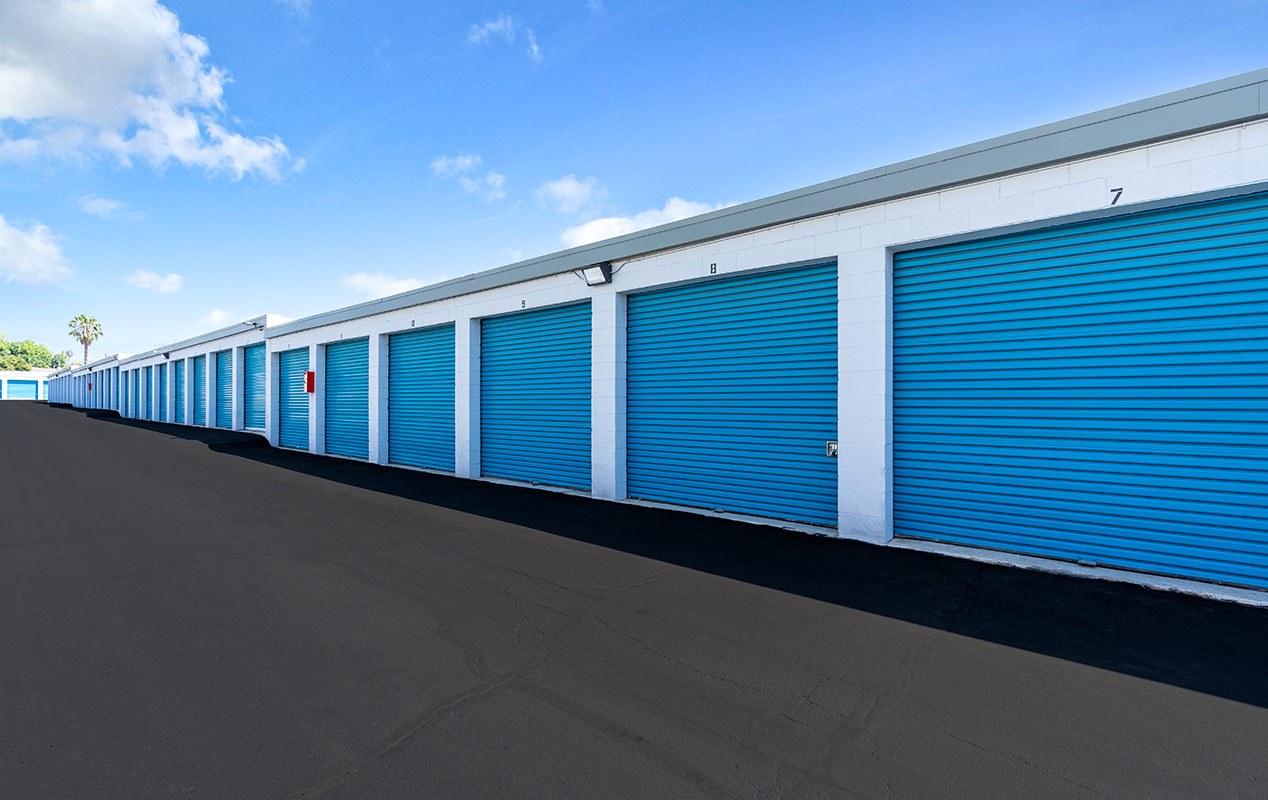
SecureSpace Self Storage Rialto offers outdoor parking for eligible vehicles, RVs, boats, and cars. Vehicles should not be stored inside drive-up units at this facility. Before renting, confirm current outdoor parking availability, vehicle size requirements, documentation needs, and facility rules.
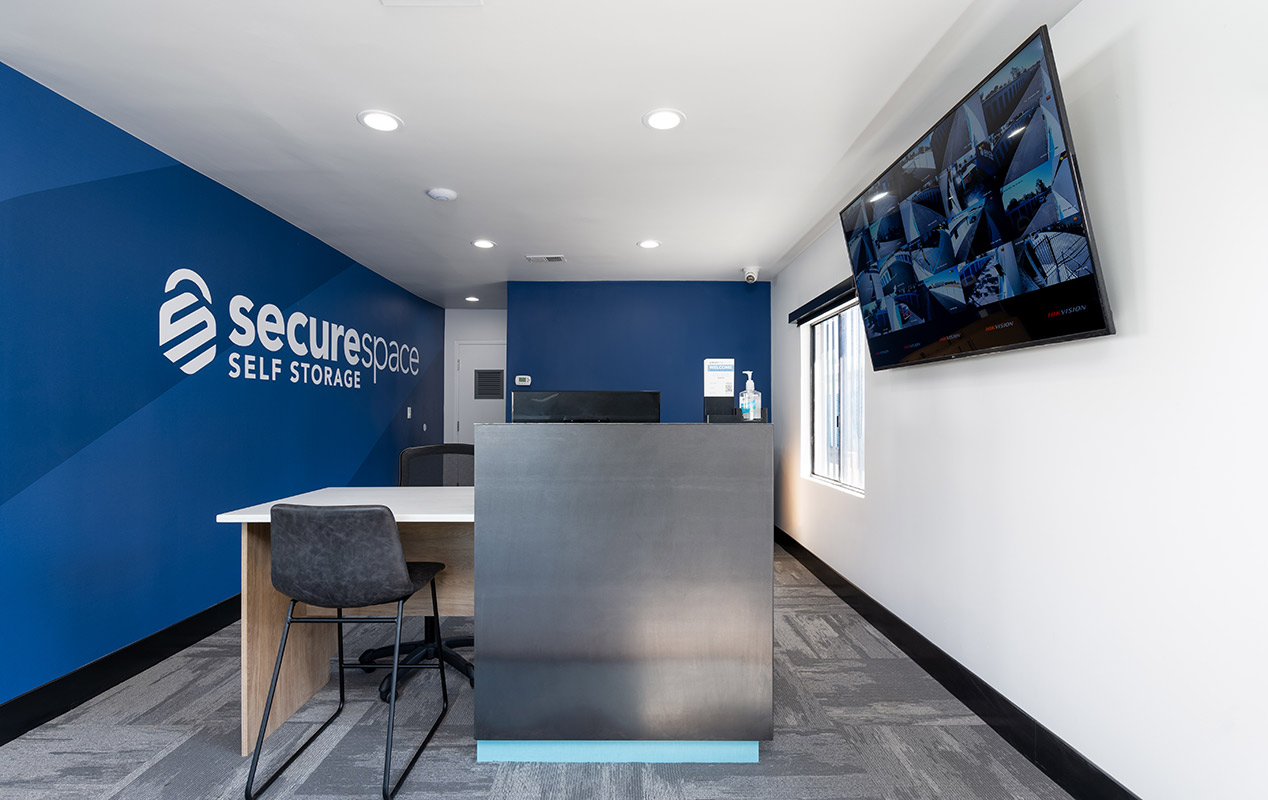
Look for specific facility features rather than broad security claims. SecureSpace Self Storage Rialto includes an access gate, digital video recording, logged access, overnight surveillance, and third-party security patrol.
Month-to-month leases can be useful if you need parking for a short-term transition, a seasonal vehicle, or an extra car while your household plans change.
SecureSpace Self Storage Rialto offers daily gate access from 6:00 AM to 10:00 PM. If you work shifts, commute, or need weekend access, confirm that the current access window matches your schedule before renting.
Online payments, ACH and credit card payment plans, and a cash-free facility can make ongoing storage easier to manage. Check current rental details before reserving.
When you're ready to drive again, run through a quick inspection first:
Look under the hood for any signs of pests or damage.
Check tire pressure and inflate to the recommended level.
Reconnect or check the battery if needed.
Inspect the brakes before normal driving.
Check fluid levels and look for leaks.
Give the car a quick wash to remove settled dust.
Review your insurance and registration status before taking the vehicle on public roads.
A few minutes of inspection can help catch issues before you're back in traffic.
Prices vary based on the type of space, vehicle size, availability, and rental timing. Outdoor parking rates and promotions can change, so check current parking availability and pricing before reserving.
It depends on the vehicle, battery, tires, fluids, and storage conditions. For anything longer than a few weeks, follow your owner's manual and consider basic prep such as battery care, tire checks, fuel stabilization for gas vehicles, and a pre-drive inspection before using the car again.
SecureSpace Self Storage Rialto does not offer climate-controlled storage, covered parking, or indoor vehicle storage. The facility offers outdoor parking for eligible vehicles, RVs, boats, and cars. If you have a high-value classic or a vehicle with special storage needs, review manufacturer guidance and choose a storage option that fits those requirements.
SecureSpace Self Storage Rialto offers daily gate access from 6:00 AM to 10:00 PM. Confirm current gate hours before renting so the access window matches your schedule.
It can be useful if your driveway is full, your HOA restricts parking, or you need a place for an extra vehicle. Outdoor parking can help free up space at home, but customers should still review local rules, vehicle requirements, and facility guidelines before renting.
Rialto's heat, residential parking limits, and regional theft concerns can make off-site vehicle parking worth considering. With the right prep and a facility that fits your vehicle, parking needs can become easier to manage.
Everything you need to store your belongings securely, on your schedule.
Visit us online