Living in Pinellas County offers beautiful waterfront views and a vibrant local culture. From public installations along the Cleveland Street District to galleries, local events, and coastal homes filled with personal décor, Clearwater residents often have belongings that deserve thoughtful storage.
However, the same coastal environment that makes the city so appealing can create challenges for household items, framed pieces, collectibles, documents, and decorative furniture. High humidity, heat, salt air, and seasonal storms can all affect how you store items during a move, renovation, downsizing project, or seasonal transition.
If you are downsizing, managing an estate, renovating a home, or simply making extra room, finding the right storage option can help keep your belongings organized and out of the way. This guide explains the challenges of storing sensitive household items in coastal Florida, what to look for in a storage facility, and how climate-controlled storage can help reduce exposure to temperature swings.
Florida's beautiful weather comes with a downside for belongings that may be sensitive to heat, moisture, and coastal air. Sustained warm temperatures and humidity can affect materials such as wood, paper, fabric, canvas, leather, and cardboard over time.
Framed pieces, décor, antique furniture, paper items, and textiles may respond to humidity in different ways. Wood frames may expand or contract. Paper items can become more vulnerable to waviness, staining, or fading. Fabrics and upholstered pieces may be more susceptible to musty odors or mildew if they are stored damp or without proper airflow.
When local humidity stays high for long periods, porous materials can become more vulnerable to moisture-related issues. Reports on climate-driven mold issues note that mold can affect porous materials when moisture conditions are favorable. For Clearwater residents, this makes careful packing, drying, and storage preparation especially important.
Air conditioning at home is designed primarily for comfort. A spare room, garage, or unconditioned shed may still expose items to temperature swings, moisture, dust, or pests depending on the space.
For many household items, basic storage may be fine. But if you are storing framed pieces, photographs, documents, furniture, décor, clothing, or keepsakes, climate-controlled storage can be a smart option. Climate-controlled storage can help reduce exposure to temperature swings compared with non-climate-controlled spaces.
To store sensitive items more thoughtfully, look beyond square footage alone. The right facility should support access, organization, and basic protection from everyday storage risks.
Climate-controlled storage can be useful for belongings that may be sensitive to Florida's heat and humidity. While it does not guarantee preservation, it can help reduce exposure to temperature swings compared with non-climate-controlled spaces.
This can be helpful for items such as:
Framed photos and prints
Decorative mirrors
Wooden furniture
Textiles and clothing
Books, documents, and records
Collectibles and keepsakes
Seasonal décor
Household items used during renovations or downsizing
Before placing anything in storage, make sure items are clean and dry. Avoid sealing damp fabrics, paper, or upholstery in containers, and consider using breathable protective coverings where appropriate.
Beyond temperature, thoughtful packing can help reduce common storage risks. Keep framed items wrapped and upright where possible. Use clean moving blankets, paper, or protective materials for furniture and décor. Avoid placing heavy boxes directly on fragile frames or decorative pieces.
If you are storing photographs, paper items, or collectibles, use sturdy boxes and keep them off the floor where practical. Label boxes clearly so you can find items later without unpacking everything.
Long-term storage works best when items are prepared carefully. Clean crumbs, residue, and scented products from anything going into storage. Do not store food, plants, or perishable items. Use sealed bins for certain durable belongings and avoid packing items while damp.
These steps can help reduce common storage concerns without implying a specialized preservation service.
If you are storing valuable collectibles, estate items, framed pieces, or inherited belongings, review your insurance coverage before move-in. Standard homeowners or renters policies may have limits or exclusions for stored items, collectibles, or higher-value belongings.
Some specialty items may require separate coverage or documentation. Providers such as Liberty Mutual offer specialty fine art and specie insurance products, but coverage requirements vary. Customers should speak with their insurance provider to understand coverage limits, documentation needs, and storage requirements before placing valuable items in storage.
It is also smart to create an inventory before move-in. Take clear photos, record item descriptions, and keep receipts or appraisals where available. This can make it easier to stay organized and manage insurance documentation if needed.
Pinellas County includes hurricane evacuation zones, and storm planning is part of life in coastal Florida. A storage unit should not be treated as a storm shelter or a guarantee against flood, wind, or hurricane damage. However, storage can be part of a broader preparation plan when you need to organize belongings, move loose outdoor items, or make room at home before severe weather.
Before storm season, consider moving patio décor, lightweight outdoor furniture, seasonal items, and household overflow into storage if that fits your plan. Always follow local emergency guidance and check facility rules for prohibited items.
Moving framed pieces, mirrors, furniture, or delicate décor requires careful planning. The most vulnerable part of storage is often the move itself, not the time the item spends in the unit.
Downtown Clearwater and busy coastal areas can present parking, traffic, and loading challenges. If you are moving items from a condo, townhome, or downtown property, check building rules, elevator access, loading areas, and parking requirements before scheduling your move.
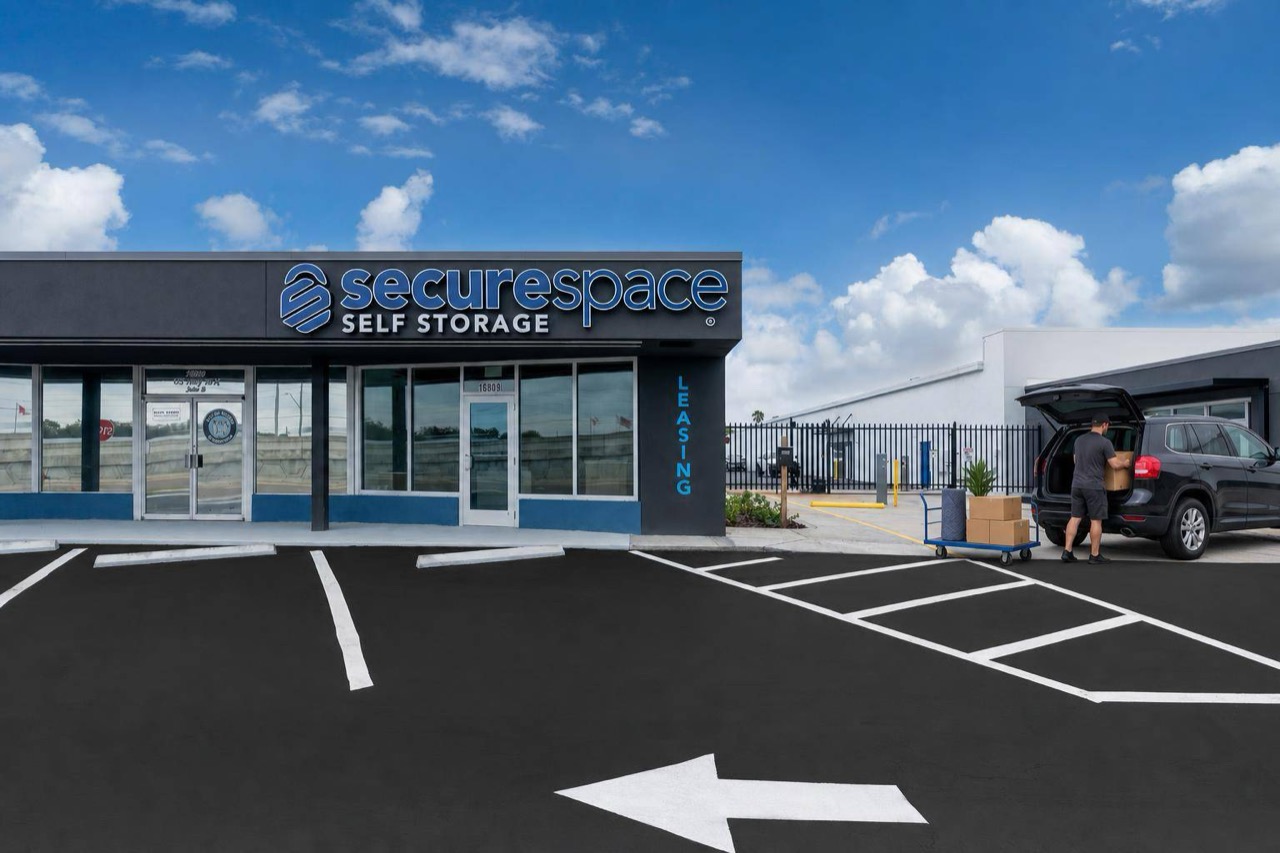
A storage facility located near major roads can make transportation easier. SecureSpace Self Storage Clearwater is located at 16809 US Hwy 19 N, offering access from a major Clearwater corridor without requiring you to navigate the tightest downtown streets for every storage visit.
SecureSpace Self Storage Clearwater offers drive-up units, carts and dollies, semi-truck accessibility, and daily gate access from 6:00 AM to 10:00 PM. These features can help with moving furniture, boxes, framed pieces, décor, and other household items.
For oversized items, large deliveries, or specialty moving needs, contact the facility directly before making plans.
Before you move a single item, take a few careful steps to keep everything organized and easier to manage.
Take photos of valuable or sentimental items before packing. If you are storing inherited pieces, collectibles, or higher-value belongings, keep any appraisals, receipts, or condition notes in a separate file. This can be helpful for your own records and for any insurance questions.
Use sturdy boxes, clean padding, and protective wrap for fragile items. For framed pieces, mirrors, or prints, consider corner protectors and upright storage where practical. Avoid using newspaper directly against delicate surfaces because ink may transfer.
For textiles, clothing, and soft goods, make sure everything is clean and fully dry before packing. Use breathable covers for furniture where appropriate, and avoid trapping moisture inside sealed packaging.
Place items you may need first near the front of the unit. Keep heavier boxes low and lighter boxes on top. Leave a small walkway where possible so you can retrieve items without disturbing fragile belongings.
Storing décor, collectibles, framed pieces, and household items does not have to be stressful. By choosing a facility with climate-controlled storage, practical access features, and clear security features, you can better organize your belongings during renovations, downsizing, seasonal moves, or estate transitions.
SecureSpace Self Storage Clearwater offers climate-controlled storage, digital video recording, overnight surveillance, logged access, gated access, touchless computer-controlled access, carts and dollies, drive-up units, and month-to-month leases. Available unit sizes include 5x5, 5x10, 5x15, 10x10, 10x15, 10x20, 10x25, and 10x30.
Ready to organize your space? View available storage units at SecureSpace Clearwater.
Everything you need to store your belongings securely, on your schedule.
Visit us online