Last updated Jul 24, 2026
Homestead businesses generate paper records that may need to remain organized and accessible for years. Farms, medical practices, law firms, construction companies, and government contractors all face different retention requirements, and storing boxes in an overcrowded office can consume valuable workspace.
General self-storage can provide additional room for properly packed, permitted business records. However, businesses remain responsible for determining how legal, contractual, privacy, and security requirements apply to their documents.
This guide explains why document storage matters in Homestead, how retention periods can vary by industry, and what to consider when preparing records for an off-site storage unit.
Homestead's economy includes agriculture, healthcare, legal services, construction, and businesses supporting nearby military operations. Each sector generates contracts, financial records, personnel files, project documents, or other materials that may need to be retained.
Moving inactive files out of a back office can make current records easier to manage and free up room for employees, equipment, or customer-facing operations. Commercial office listings in the area can exceed $34 per square foot, although actual rates vary by property, size, condition, and lease terms.
Off-site self-storage is not a records-management service and does not automatically make documents compliant or audit-ready. Businesses should establish their own retention schedules, access procedures, inventories, and disposal policies before moving files.
Record-retention requirements vary by document type, organization, contract, and governing authority. The following examples provide general context, but businesses should confirm current requirements with qualified legal, compliance, or records-management professionals.
Miami-Dade County is the only tropical growing region in the continental United States and has reported an annual agricultural crop value of approximately $1.135 billion. Farms and nurseries operating at this scale may generate substantial employment, application, purchasing, and production records.
Agricultural employers using the H-2A visa program must retain certain records for prescribed periods. The U.S. Department of Labor outlines requirements involving job orders, recruitment records, earnings, hours, and deductions, with some documents retained for at least three years.
Restricted-use pesticide applications also carry recordkeeping requirements. The Pesticide Environmental Stewardship program summarizes private-applicator requirements, including details that may need to be recorded for each application.
Because rules can change and may differ by license or activity, agricultural businesses should verify which records apply and how long each category must be kept.
Homestead Hospital, whose local history dates to 1940, is part of the area's healthcare infrastructure. Medical offices and related providers may manage patient records, billing documents, authorizations, personnel files, and required compliance documentation.
Retention periods vary by provider and record type. Florida medical record laws may require physicians to retain patient records for a specified period after the last patient contact, while hospitals and other organizations may follow different schedules.
HIPAA does not establish one universal retention period for all medical records. It does require certain policies, procedures, notices, and other compliance documentation to be retained for six years. AAPC provides an overview of how federal and state requirements can overlap.
Businesses handling protected health information should not assume that a standard storage unit satisfies HIPAA. Access controls, authorization procedures, document packaging, transportation, and disposal must all be addressed through the organization's own compliance program.
Contracts, correspondence, financial records, permits, plans, and project files may remain relevant long after work is completed.
Florida limitation periods can influence how long businesses retain documents connected to disputes. Written and oral agreements may be subject to different deadlines, as summarized in this Florida business statute guidance.
Construction companies may also have licensing and business-record obligations. Cobb & Gonzalez discusses documents Florida contractors may need to maintain. Because project claims, warranties, tax rules, and contract terms can involve different timelines, firms should create a retention schedule tailored to each record category rather than relying on one general period.
Businesses supporting federal or defense-related work may handle contract documents, financial records, technical materials, or Controlled Unclassified Information.
NIST and federal acquisition requirements can impose physical and administrative controls, but compliance depends on the organization's entire security program. Renting a storage unit does not by itself satisfy federal requirements.
Contractors should determine whether off-site self-storage is permitted for a particular record type and establish appropriate authorization, inventory, transportation, and access procedures before moving regulated materials.
Paper can deteriorate when it is exposed to water, dirt, pests, or major environmental fluctuations. A garage, shed, or vehicle may provide limited protection from South Florida weather, especially when boxes are placed directly on concrete or packed while damp.
Climate-controlled storage can help reduce exposure to outdoor temperature fluctuations compared with a non-climate-controlled space. It does not guarantee a specific humidity level or prevent mold, fading, warping, storm damage, or other deterioration.
Before storing documents:
Remove papers that are already damp or contaminated.
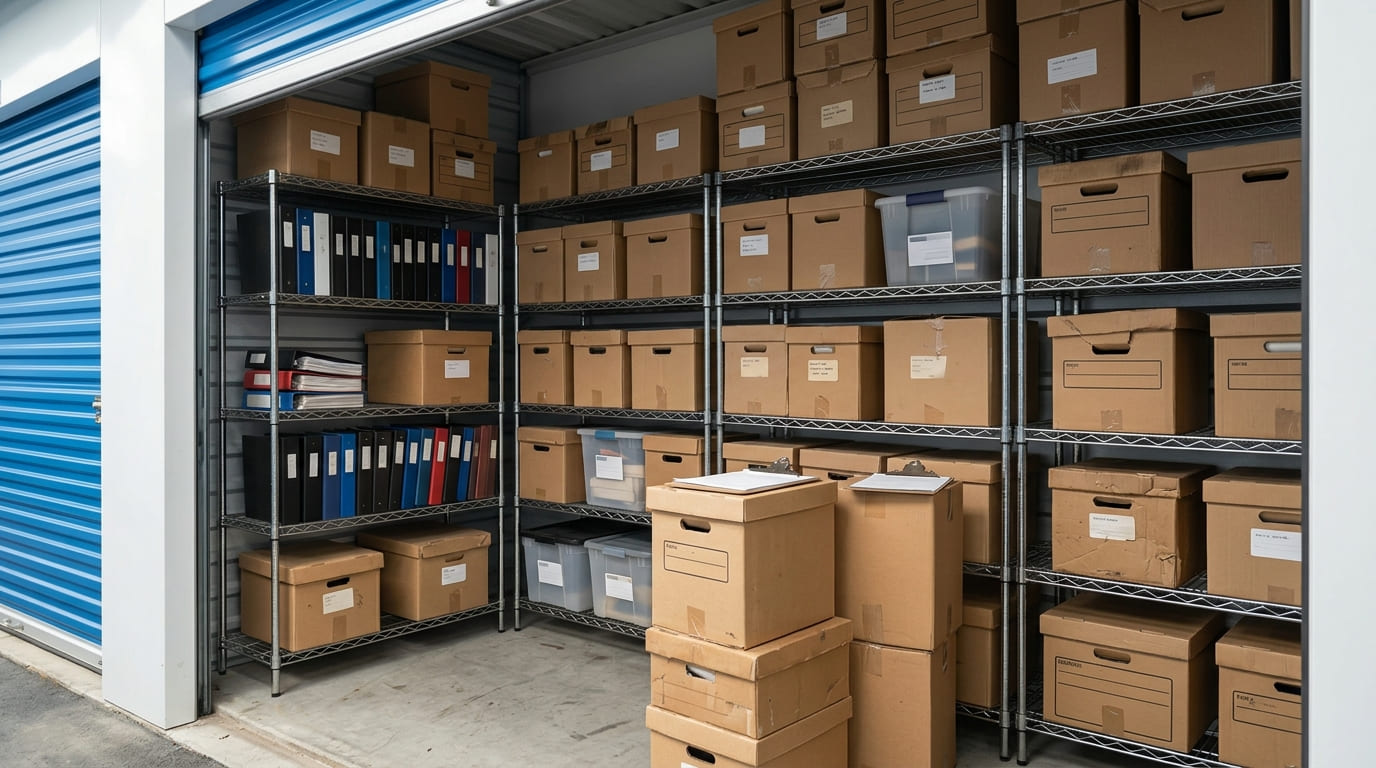
Use sturdy, lidded document boxes rather than open cartons.
Avoid overfilling boxes, which can damage folders and make retrieval difficult.
Label each box with a neutral identification code instead of sensitive personal information.
Place boxes on shelving or pallets where permitted rather than directly on the floor.
Maintain a separate digital inventory showing each box's location and authorized retention date.
Keep frequently requested files near the front of the unit.
Review insurance or other coverage requirements before move-in.
Confidential records may require additional safeguards beyond ordinary self-storage. Businesses should determine whether documents need locked containers, restricted personnel access, encryption of the inventory, or professional records-management services.
Homestead is located within Miami-Dade County's High-Velocity Hurricane Zone, where specialized building-code provisions apply. That regional designation does not establish that every storage facility has a particular wind rating, impact-resistant window system, Miami-Dade Notice of Acceptance, or guaranteed level of storm protection.
Businesses should not describe a facility as hurricane-rated unless its specific construction documentation supports that claim. No storage arrangement can guarantee protection from flooding, wind-driven rain, roof damage, flying debris, or prolonged power outages.
Important records should be digitized when legally and operationally appropriate, backed up securely, and included in the organization's broader disaster-recovery plan.
Keeping records in the office may appear free, but file cabinets and storage rooms occupy space that could otherwise support daily operations.
The actual cost depends on:
Local lease rates
The amount of floor space used
Staff time spent filing and retrieving documents
Shelving and storage equipment
Scanning or records-management expenses
The value of the alternative use for that space
A self-storage unit may be practical for inactive records that employees rarely need. Frequently retrieved, highly confidential, or regulated documents may be better suited to a specialized records-storage provider.
Before moving files, estimate the number of boxes, anticipated retrieval frequency, remaining retention period, and whether the records can legally be stored at a general self-storage facility.
A business using self-storage for permitted paper records should focus on practical features rather than assuming the facility provides archival or compliance services.
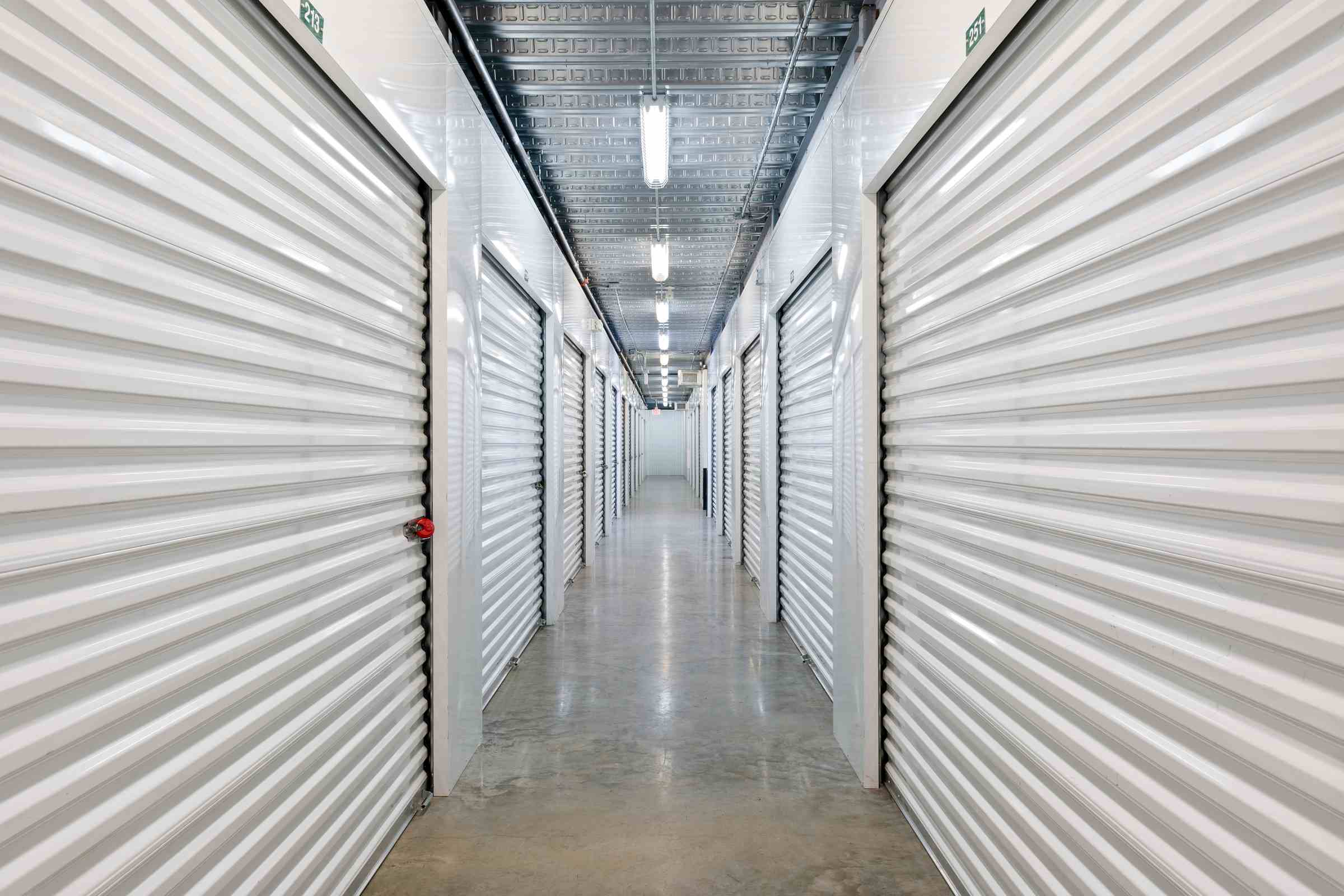
Climate-controlled storage may be helpful for properly packed records that benefit from reduced exposure to outdoor temperature changes. Businesses should still store documents clean and dry and avoid making humidity-control or damage-prevention assumptions.
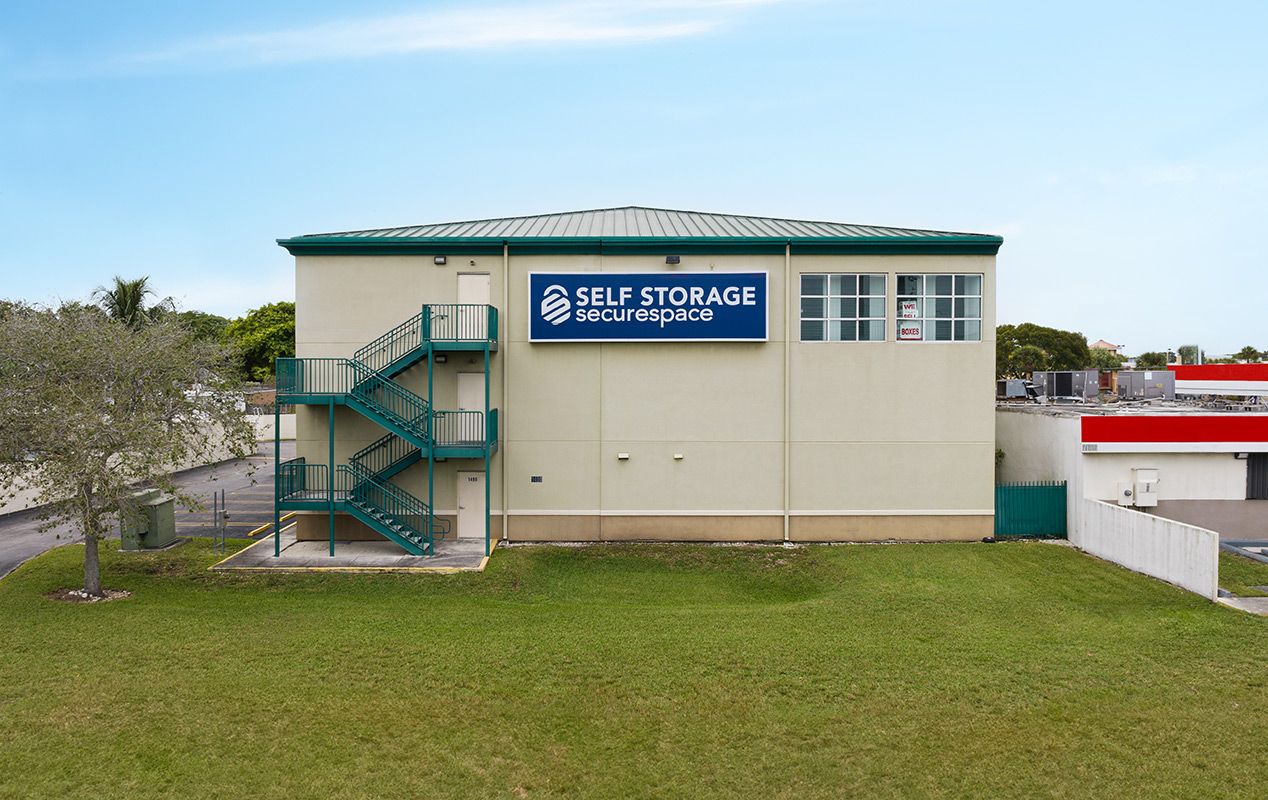
SecureSpace Self Storage Homestead provides daily access from 6:00 AM to 9:00 PM. Businesses should determine who is authorized to enter the unit and maintain an internal record of document pickups and returns.
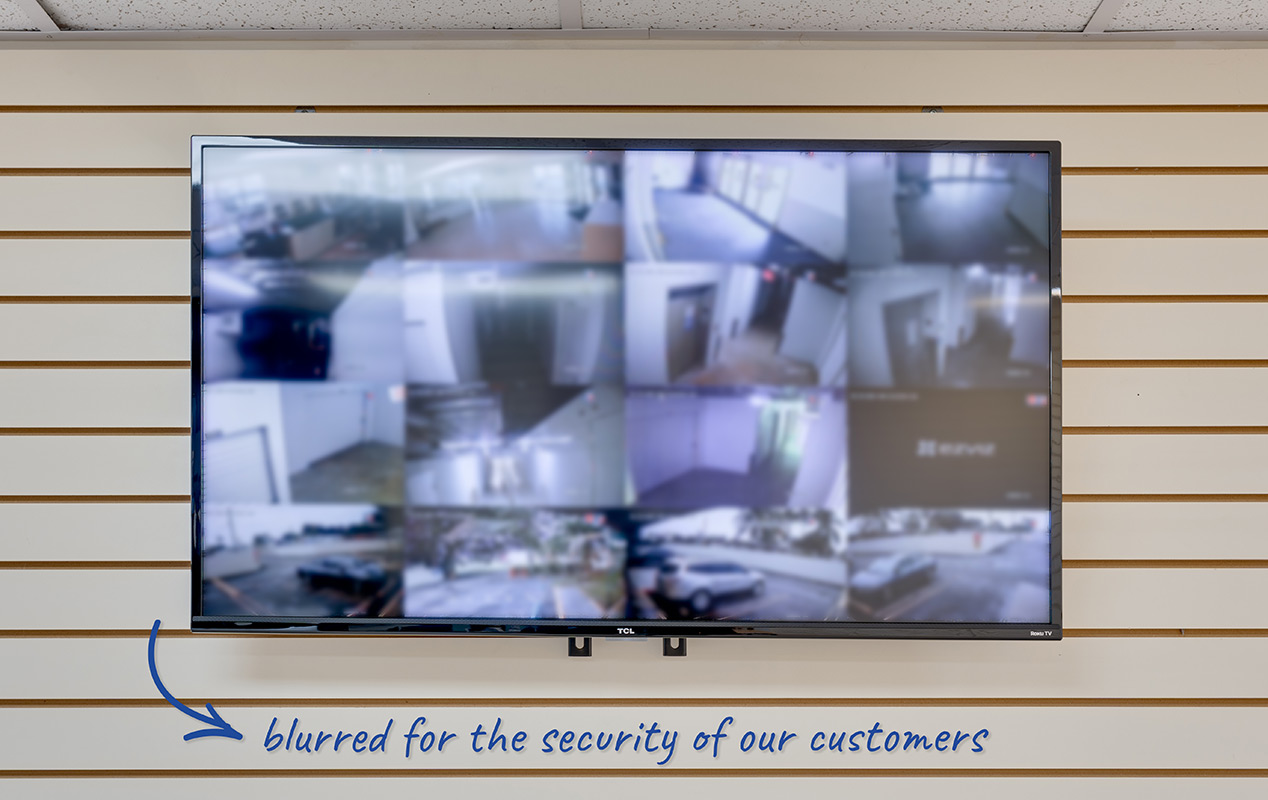
The facility provides an access gate, digital video recording, and logged access. These are useful security features, but they do not replace a business's own confidentiality and records-handling procedures.
Available unit sizes include 5x5, 5x10, 5x15, 10x10, 10x15, 10x20, and 10x25. The appropriate size depends on box count, shelving layout, aisle space, and how frequently records need to be retrieved.
Leave enough room to reach each box without unloading the entire unit. A simple row, shelf, and box-number system can make future retrieval more efficient.
Homestead does not provide chain-of-custody tracking, document pickup, file delivery, or professional retrieval services. Tenants are responsible for transporting, organizing, locating, and removing their own records.
Businesses that need scheduled file delivery, certified destruction, detailed custody logs, or regulatory records administration should consider a specialized records-management provider.
Heat, water exposure, and environmental fluctuations can affect paper over time. Climate-controlled storage may reduce exposure to outdoor temperature changes, but it does not guarantee humidity levels or prevent mold, warping, fading, or moisture damage.
Pack documents only when they are clean and dry, use sturdy containers, and elevate boxes where practical.
Buildings in Miami-Dade County are subject to applicable building requirements, including provisions associated with the High-Velocity Hurricane Zone. However, customers should not assume that every facility has a specific wind rating, impact-resistant system, or hurricane certification.
Facility-specific construction claims should be verified directly through appropriate documentation.
Certain H-2A records must generally be retained for at least three years, but the applicable period can depend on the specific document and program requirement. Agricultural employers should follow current U.S. Department of Labor guidance and any additional state or contractual rules.
The answer varies by provider type, record category, licensing rules, and other legal requirements. HIPAA's six-year documentation rule should not be treated as a universal medical-record retention period.
Healthcare organizations should establish written retention schedules based on current Florida law, federal requirements, payer contracts, and professional guidance.
It can be, particularly when inactive records occupy valuable leased space. The actual savings depend on office rent, unit cost, staff time, retrieval frequency, and whether the business needs professional records-management services.
No. A storage unit alone does not establish compliance with HIPAA, NIST, CUI requirements, or other legal and contractual standards.
Businesses must determine whether off-site self-storage is appropriate and implement their own access, inventory, transportation, confidentiality, retention, and destruction controls.
Document storage in Homestead can help businesses move inactive files out of crowded offices while keeping properly packed records accessible during the facility's daily access window.
Before renting, identify which documents can be stored off-site, establish a retention schedule, estimate the required space, and decide how authorized employees will manage retrieval. Climate-controlled units and available security features can support an organized storage plan, but the tenant remains responsible for document condition, confidentiality, and compliance.
Explore available options for document storage in Homestead, FL and choose a unit that fits your box count and retrieval needs.
Everything you need to store your belongings securely, on your schedule.
Visit us online