Last updated Jul 2, 2026
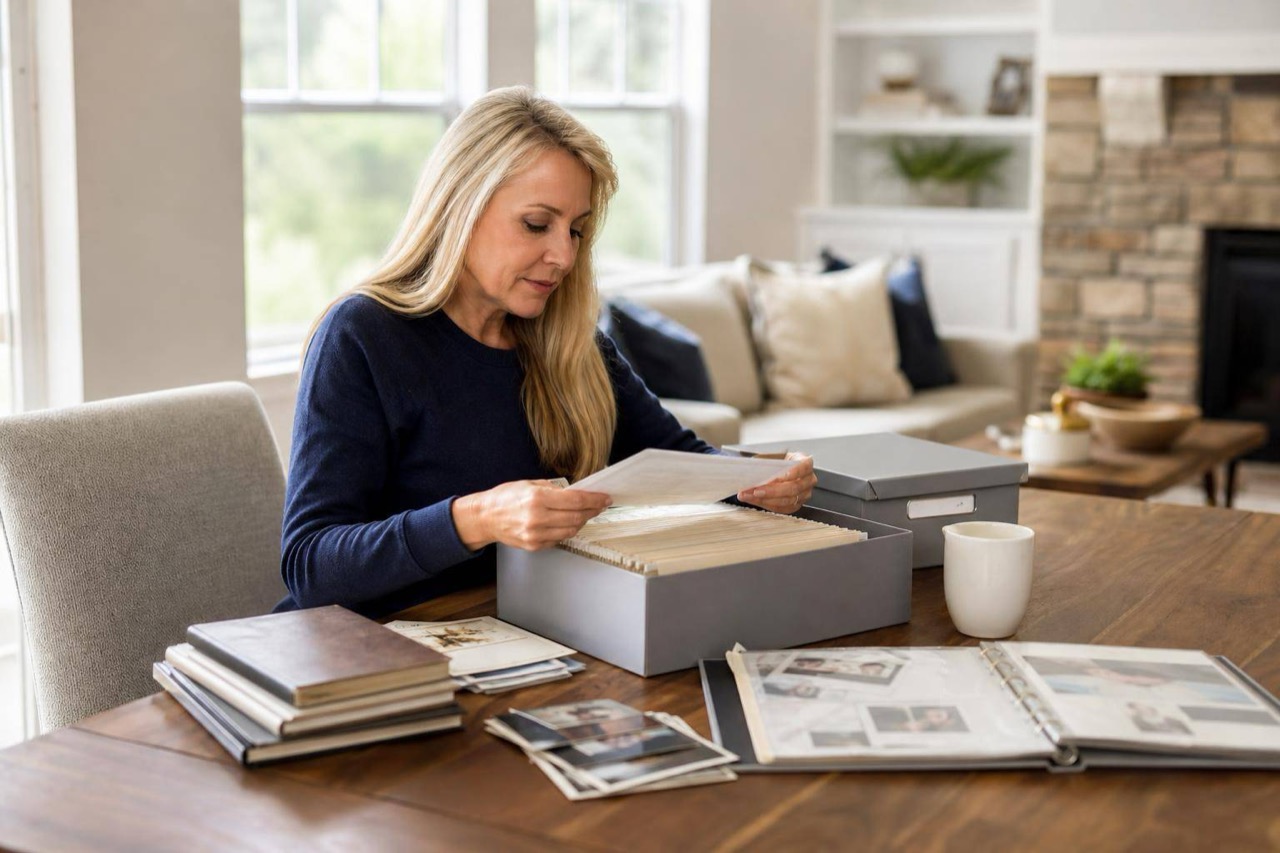
If your filing cabinets are overflowing or you're facing a records deadline, you're not alone. Across Lakewood, law firms, medical offices, small businesses, and military families all share the same problem: too many important documents and not enough organized space to keep them.
Storing paper records sounds simple until you factor in wet Northwest weather, retention rules, and the cost of using prime office space as a filing room. This guide walks through what document storage involves, how long you may need to keep certain records, and what to look for when choosing self storage for boxed files near you.
Paper is more fragile than it looks. It absorbs and releases moisture from the air, which means damp storage areas can affect records over time.
Lakewood's wet winters can make garages, basements, sheds, and poorly ventilated buildings less than ideal for important paperwork. If boxes are stored directly on concrete, packed while damp, or left in areas with limited airflow, paper records can become harder to preserve and organize.
The takeaway is simple: before putting important documents into storage, make sure they're dry, boxed properly, labeled clearly, and stored in sturdy containers. For records that require strict archival temperature or humidity controls, a specialized records-storage provider may be a better fit than standard self storage.
The answer depends on the type of record and your industry. Holding onto documents too long wastes space, but tossing them too early can create serious legal headaches. Here are some general guidelines for Washington businesses.
The IRS recommends keeping most tax records for at least three years, and employment tax records for at least four years. In some situations, such as unreported income or unfiled returns, you may need to keep them much longer.
Washington State payroll-record requirements generally require employers to keep payroll records for a set period of time, and employees may have rights to request copies of those records.
Washington statute of limitations rules can affect how long businesses keep written agreements, sales contracts, and related files. Many businesses keep contract files through the relevant limitations period and sometimes longer, depending on their risk tolerance and legal guidance.
Under RCW 70.41.190, Washington hospitals must retain medical records for a minimum of 26 years from the date of creation. That long retention period can create a major storage burden for hospital records, but requirements can vary for other healthcare providers and record types.
Because retention rules vary, it's always smart to confirm specific requirements with your accountant, attorney, records manager, or compliance officer before disposing of any records.
Document storage isn't just for big institutions. A wide range of people in Pierce County rely on extra space to stay organized.
Law firms and accountants: Active and closed case files, tax returns, and client records pile up fast. Off-site storage can free up office space while keeping boxed files available when a court, client, or team member needs them.
Medical and dental offices: Healthcare offices may need to retain patient, billing, insurance, and administrative records for long periods. Storage needs should be reviewed with the appropriate compliance or legal advisor before moving files off-site.
Small businesses: Growing companies often outgrow their back-room storage. Moving older invoices, contracts, supplies, and archived materials off-site can reclaim room for everyday work.
Military families near Joint Base Lewis-McChord: Deployments, relocation, and Permanent Change of Station moves can leave families looking for a practical place to store personal records, property files, tax documents, and other paperwork while they're away or in transition.
Not all storage needs are the same, especially when you're organizing important records. Here's what to prioritize when choosing a facility near you.
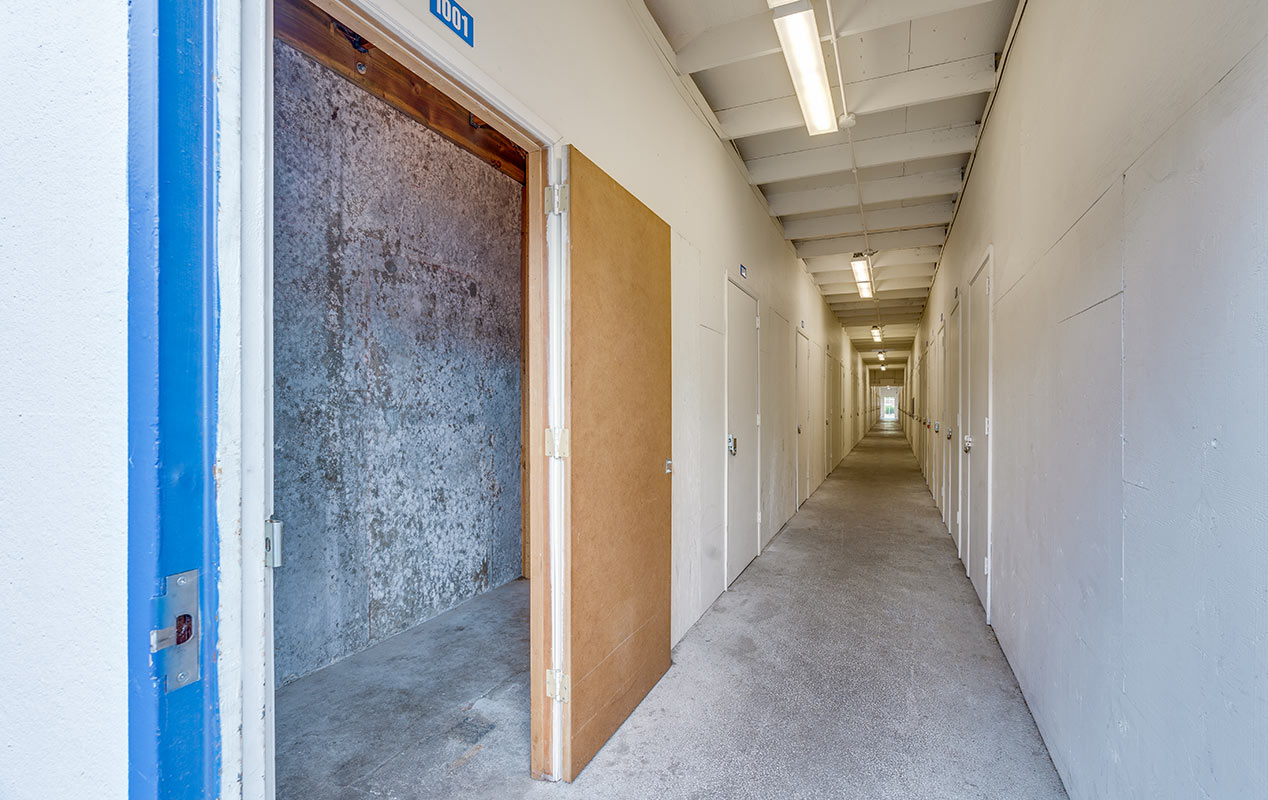
Start with the amount of paperwork you actually need to store. Standard banker's boxes stack neatly, but they can become heavy quickly, so choose a layout that lets you reach older files without unloading the whole unit.
If you need strict environmental controls for archival materials, confirm those requirements before renting. For general boxed-record storage, focus on clean, dry packing practices, sturdy containers, and a unit size that gives you room to organize.
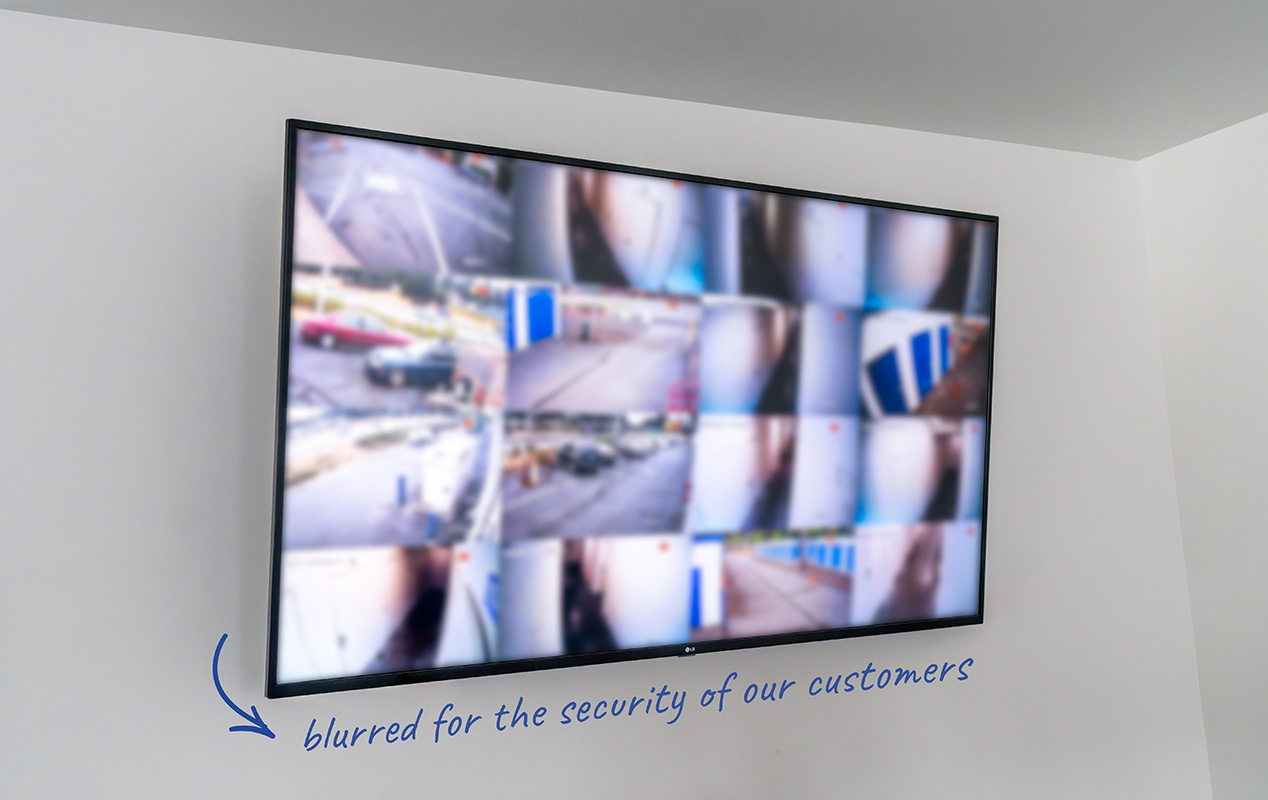
Your records may contain confidential client, employee, or patient information. SecureSpace Self Storage Lakewood includes security features such as an access gate, digital video recording, logged access, overnight surveillance, and Turing Enabled monitoring.
A storage unit should still be part of a broader records plan. Use sealed boxes or file containers, avoid leaving sensitive papers exposed, keep a current inventory, and make sure only authorized people know what is stored and where.
When a client, court, or internal team needs a file, access matters. SecureSpace Self Storage Lakewood offers daily gate access from 6:00 AM to 9:00 PM, so plan pickups and drop-offs within that window.
Your storage needs may change over time. Month-to-month leases can help if you're archiving records temporarily, clearing office space, or adjusting storage as files reach the end of their retention period.
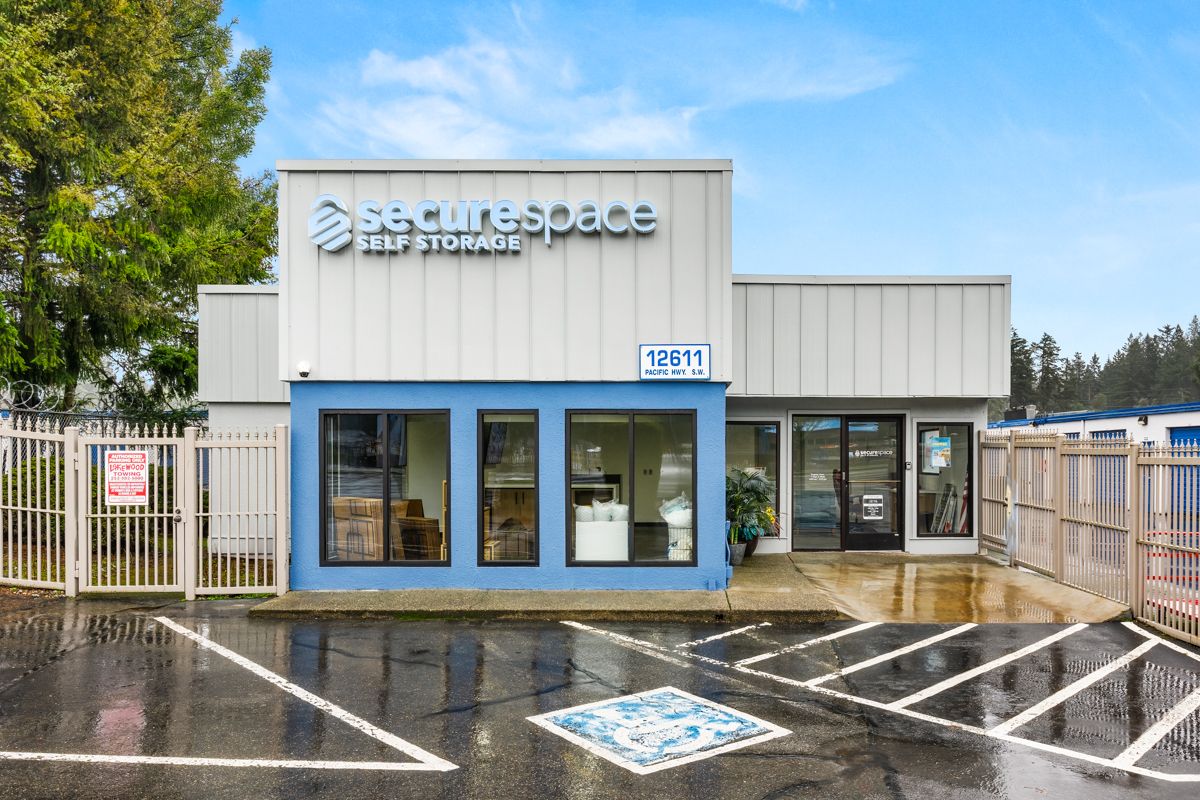
The closer the facility, the easier it is to retrieve a box when you need it. SecureSpace Self Storage Lakewood is located at 12611 Pacific Hwy SW, with access to nearby Lakewood, Tacoma, and South Sound routes, including Interstate 5.
A little organization upfront saves a lot of frustration later. Follow these steps to keep your archives easier to manage.
Sort and purge first: Before you box anything up, review your records and securely shred anything past its required retention period. There's no sense paying to store files you no longer need.
Use sturdy, uniform boxes: Standard banker's boxes stack neatly and protect documents better than mismatched containers.
Label everything clearly: Mark each box with its contents and date range, and keep a master inventory list, especially if multiple staff members will access the unit.
Leave a center aisle: Stack boxes with a walkway down the middle so you can reach files in the back without unloading the whole unit.
Don't overstack: Leave room to reach your boxes and avoid crushing the containers at the bottom of the pile.
It depends on the documents and how long you need to keep them. For records that require strict archival temperature or humidity controls, use a specialized storage solution that meets those requirements. For general boxed documents, focus on storing clean, dry papers in sturdy containers and keeping an organized inventory.
Under RCW 70.41.190, Washington hospitals must keep medical records for at least 26 years from the date of creation. Other healthcare providers or record types may follow different rules, so confirm requirements with a qualified advisor before disposing of medical or patient records.
Self storage can be useful for boxed records, but sensitive files should be handled carefully. Use sealed containers, maintain an inventory, limit who has access, and review any privacy or compliance obligations before moving confidential records off-site. SecureSpace Self Storage Lakewood includes security features such as an access gate, digital video recording, logged access, overnight surveillance, and Turing Enabled monitoring.
Costs vary based on unit size, availability, and rental details. A smaller unit can hold many banker's boxes when packed carefully, so estimate your box count and aisle space before renting.
Access depends on the facility's gate hours. SecureSpace Self Storage Lakewood offers daily gate access from 6:00 AM to 9:00 PM, which can help businesses plan file retrieval before or after the workday.
Self storage gives you a private unit you control and access yourself. It can be a practical option for boxed records you manage internally. Full-service document management companies may offer indexing, retrieval, scanning, shredding, or archival controls, which can cost more but may be useful for highly regulated or frequently accessed records.
Your documents are too important to leave in a damp garage or crowded office closet. With the right boxes, labels, inventory system, and storage plan, you can free up workspace while keeping important records easier to manage.
Whether you're a law firm clearing old case files, a medical office reviewing retention needs, a small business organizing archives, or a military family preparing for a move, the right storage setup can help keep paperwork from taking over your home or office.
Review current availability for document storage at SecureSpace Lakewood.
Everything you need to store your belongings securely, on your schedule.
Visit us online