Last updated Jul 31, 2026
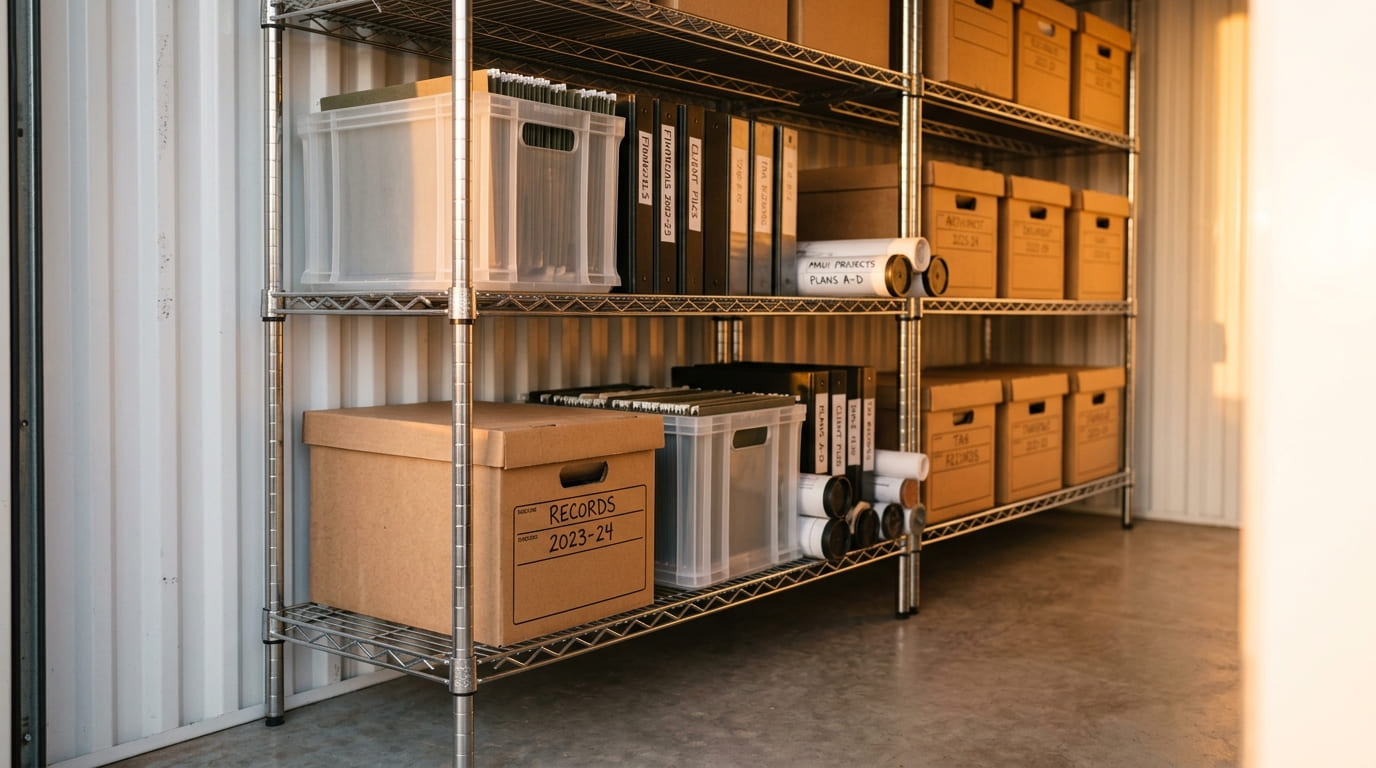
If you live or work in Mililani, space can come at a premium, and Hawaii's climate may complicate long-term paper storage. Whether you manage a medical office with archived patient files, run a business that retains tax records, or are preparing for a Permanent Change of Station, important documents need an organized storage plan.
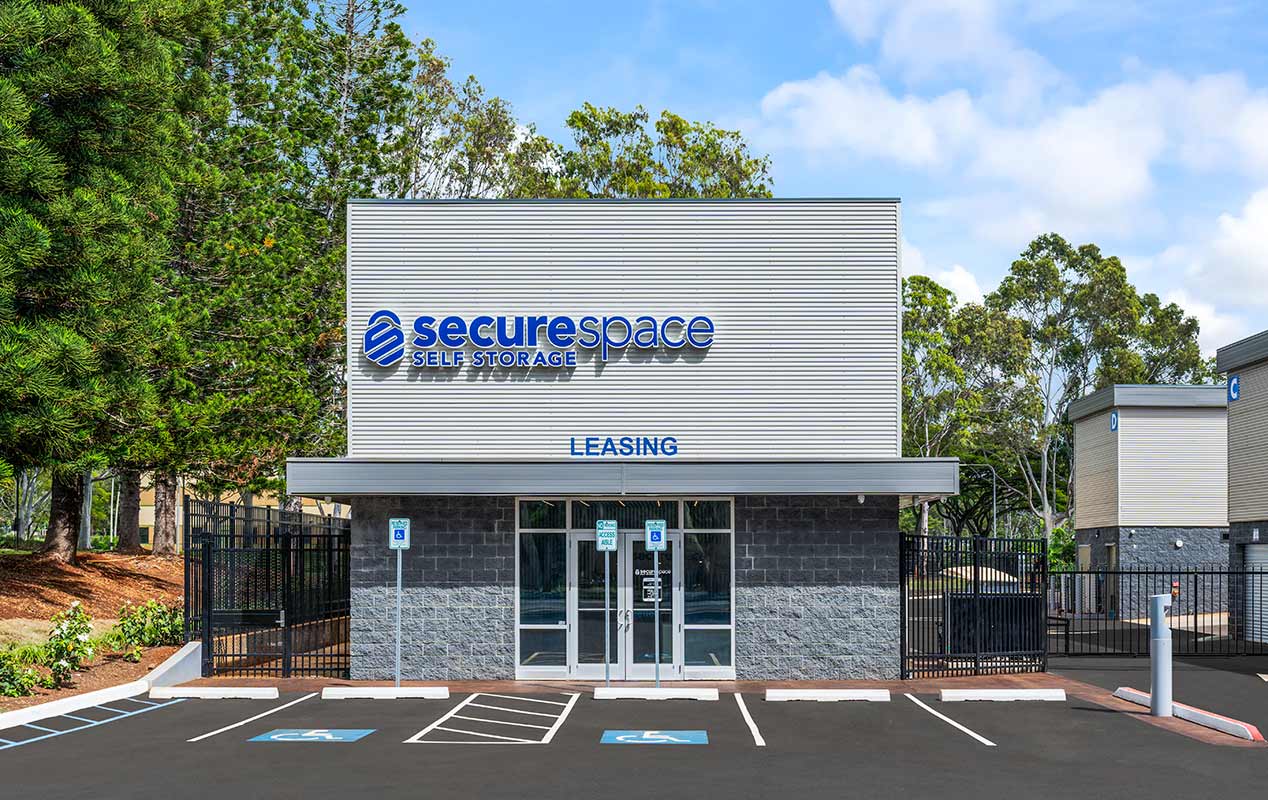
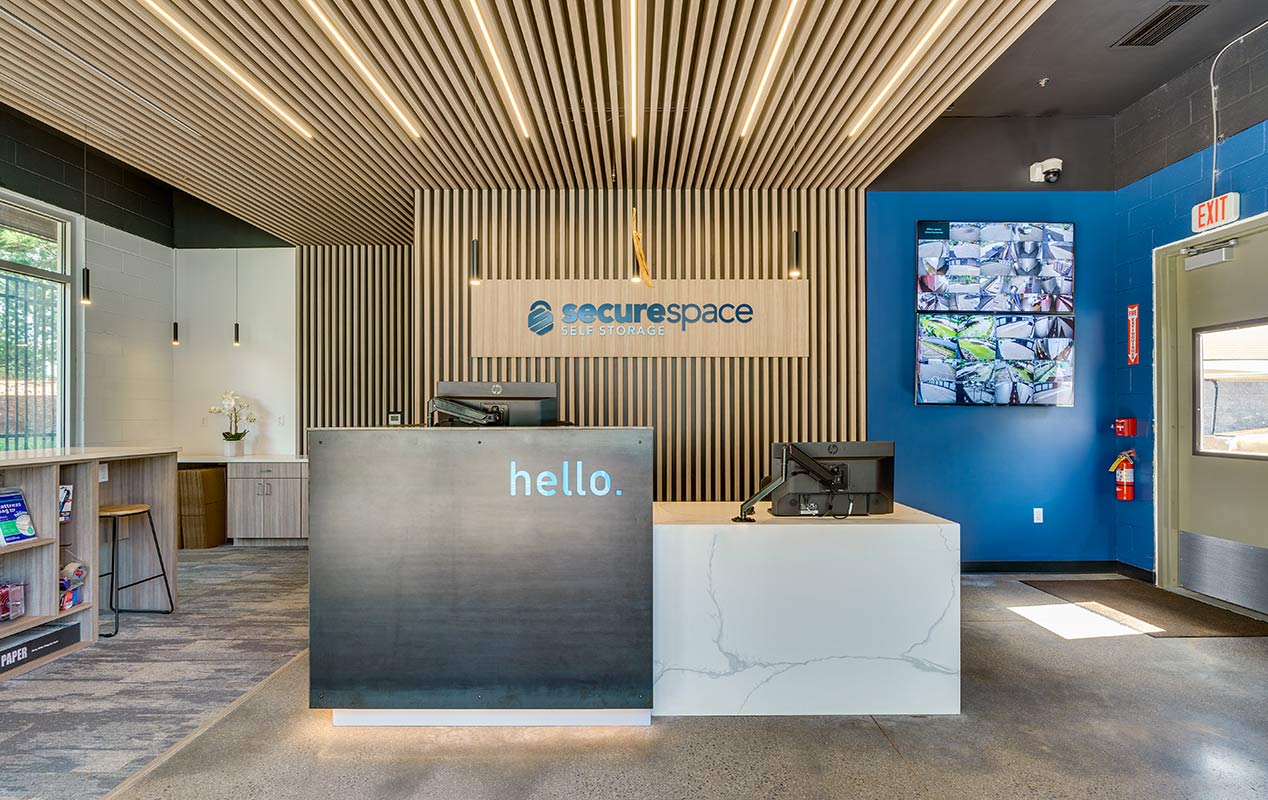
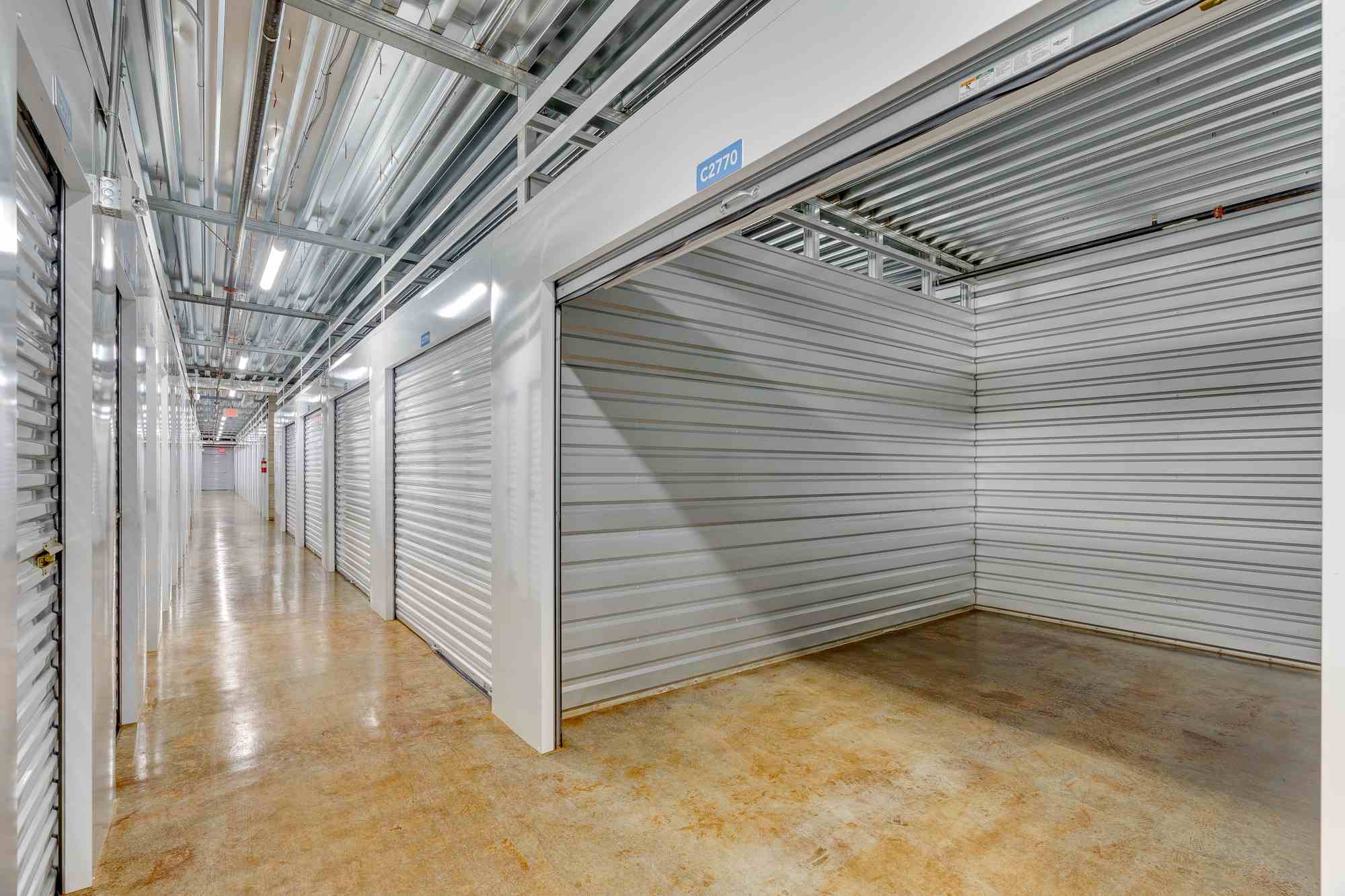
SecureSpace Self Storage Mililani at 95-1 Wikao St offers climate-controlled storage, several security features, and daily gate access from 6:00 AM to 10:00 PM.
This guide explains why garages may not be ideal for long-term document storage, what features to consider, and how to prepare records before placing them in a storage unit.
Mililani sits in Central Oahu near established residential neighborhoods, professional offices, Schofield Barracks, and Wheeler Army Airfield. Businesses, healthcare practices, and military households may all accumulate records that need to be retained but do not require daily access.
Two groups may feel the pressure most:
Medical Practices and Businesses: Clinics, legal practices, financial offices, and other organizations may generate years of records while operating from limited office space.
Military Families: Frequent moves and deployments can require households to organize financial, medical, housing, and service-related paperwork before a transition.
Space is another consideration. According to Niche, Mililani has a median property value of around $923,900. Using valuable residential or office space for boxes of archived records may not be practical when the files are only needed occasionally.
Paper records can be affected by prolonged exposure to heat, moisture, pests, dust, and changing environmental conditions. Garages may also experience wider temperature changes than indoor living or office areas.
Climate-controlled storage may help reduce exposure to temperature fluctuations compared with a garage or non-climate-controlled space. It does not guarantee against mold, moisture, fading, or other damage, so proper document preparation remains important.
Before storing paperwork:
Use clean, sturdy document boxes or sealed plastic containers.
Make sure all papers and folders are dry before packing.
Avoid placing boxes directly against walls or on bare concrete.
Label containers clearly without listing sensitive personal information on the exterior.
Keep an inventory showing which records are in each box.
Store frequently needed files near the front of the unit.
If you manage a medical practice, record retention is a legal and operational responsibility. Hawaii establishes medical-record retention requirements under Hawaii Revised Statutes Section 622-58, while HIPAA governs the privacy and safeguarding of protected health information.
Retention periods can vary based on the type of record and the patient's age. A simplified overview includes:
Adult Medical Records: Generally retained for at least seven years after the last entry.
Minor Patient Records: Longer retention schedules apply, including time after the patient reaches adulthood.
Core Basic Information: Certain essential information may need to be retained substantially longer.
Diagnostic Images and Related Records: Separate retention requirements may apply.
Because legal requirements can change and may vary by provider type, medical practices should review the statute, consult qualified compliance professionals, and follow their own records-management policies.
Accountable HQ also summarizes medical-record retention requirements by state. However, responsibility for HIPAA compliance, confidentiality, authorized access, and proper destruction remains with the healthcare organization. Renting a storage unit does not by itself establish regulatory compliance.
The military recommends assembling a PCS binder so essential documents remain organized and accessible throughout a move.
A PCS binder may include:
Original PCS orders and amendments
Leave and earnings statements
DD-214 documentation when applicable
Vehicle titles and shipping records
Medical, dental, and immunization records
Birth certificates and Social Security cards
Powers of attorney and other legal documents
Essential originals should generally be hand-carried rather than packed with household goods or placed where they cannot be accessed during the move.
A storage unit may be more appropriate for archived copies, prior tax records, older housing documents, nonessential medical paperwork, and other files that do not need to remain with the family during travel. Sensitive records should be packed securely and stored according to applicable privacy and access requirements.
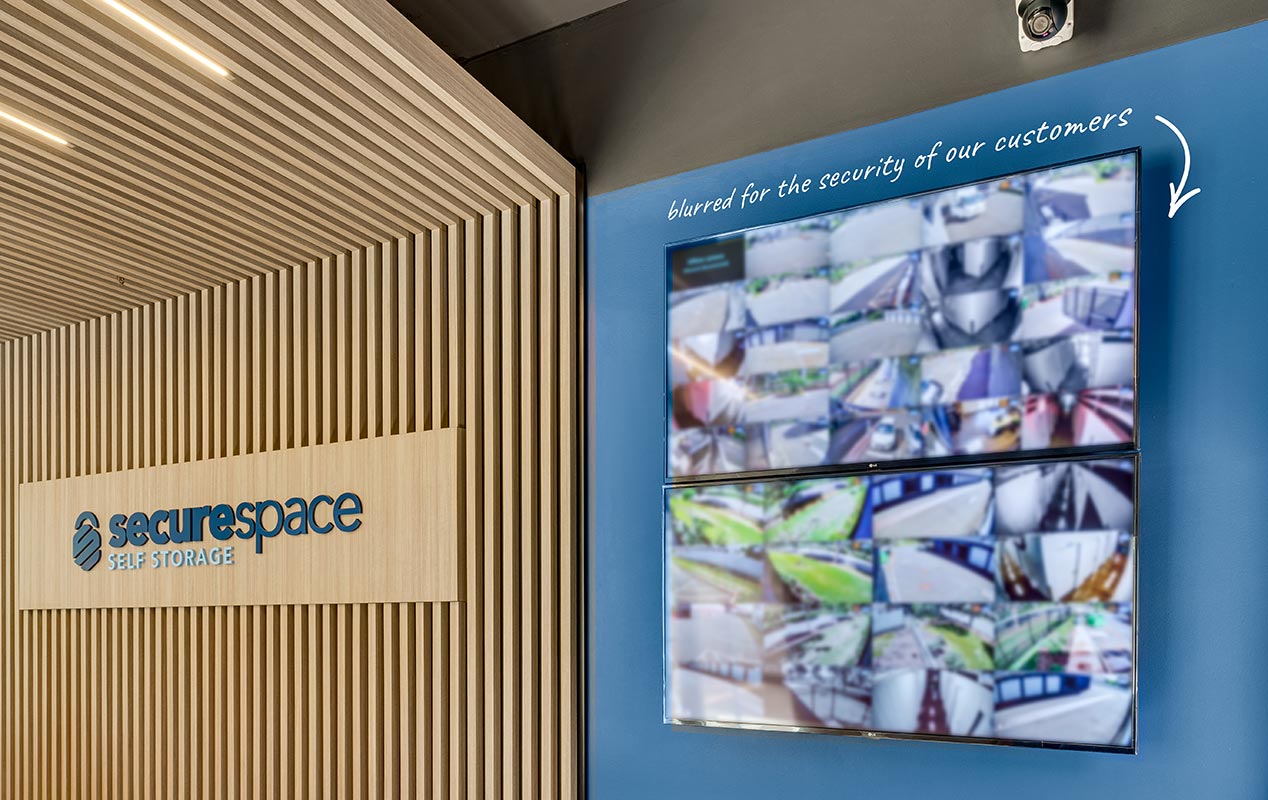
When records contain personal, financial, medical, or business information, the facility's access and monitoring features should be part of the selection process.
SecureSpace Mililani includes:
An access gate
Digital video recording
Logged access
Overnight surveillance
Turing-enabled monitoring
Daily gate access from 6:00 AM to 10:00 PM
The facility uses a Turing AI cloud-based system as part of its Turing-enabled monitoring. Articles and customers should not assume that every capability offered by the technology provider is active at this specific property.
These security features do not guarantee against theft, damage, or unauthorized access. Customers storing sensitive records should also use a quality lock, avoid placing confidential details on exterior labels, limit who has access to the unit, and maintain an off-site inventory.

Storage is only one part of a document-management process. When records reach the end of their required retention period, sensitive information should not be placed in ordinary trash.
Businesses and households can work with document-destruction providers that offer drop-off or mobile shredding services. Before selecting a provider, ask about:
Chain-of-custody procedures
On-site versus off-site destruction
Handling of staples, binders, and other materials
Certificates of destruction
Requirements for medical, financial, or legal records
Medical practices and other regulated organizations should follow their written destruction policies and applicable legal requirements.
Consider the following factors before renting:
Climate-Controlled Storage: May help reduce exposure to temperature fluctuations compared with garages or standard units.
Security Features: Review the facility's access gate, digital video recording, logged access, and monitoring features.
Location and Hours: Choose a location that is practical for authorized staff or household members who may need occasional access.
Unit Size: Estimate the number of boxes, shelving dimensions, and aisle space required.
Access Procedures: Decide who will be permitted to enter the unit and how keys or access information will be managed.
Document Preparation: Use sturdy containers, clear inventories, and a consistent labeling system.
Climate-controlled storage may be worth considering for records that will remain stored for extended periods, but packing methods and records-management procedures remain equally important.
It is not required for every box of paperwork, but it may help reduce exposure to temperature changes compared with a garage or non-climate-controlled space.
Documents should still be packed clean and dry in sturdy containers. Climate-controlled storage does not guarantee protection against moisture, mold, fading, or other damage.
SecureSpace Self Storage at 95-1 Wikao St is near Mililani-area routes serving Schofield Barracks and Wheeler Army Airfield.
Military families should hand-carry essential originals during a PCS move. A storage unit may be considered for archived copies and nonessential records that do not need to remain immediately accessible.
Hawaii Revised Statutes Section 622-58 establishes different retention schedules based on record type and patient age. Adult records are generally subject to a minimum seven-year period, while longer requirements may apply to records involving minors and certain core information.
Medical practices should review the current statute and obtain compliance guidance appropriate to their organization.

Customers can access the facility daily from 6:00 AM to 10:00 PM. Medical staff, legal professionals, business owners, and households should plan record retrieval within that gate-access window.
Pricing varies by unit size, unit type, current availability, and active promotions. Climate-controlled units may be priced differently from non-climate-controlled spaces.
Estimate the number of boxes and any shelving you plan to use before choosing a unit so you are not paying for unnecessary space.
A thoughtful document-storage plan involves more than moving boxes out of an office or home. Records should be packed carefully, labeled consistently, accessed only by authorized people, and retained or destroyed according to applicable requirements.
SecureSpace Self Storage Mililani offers climate-controlled storage, daily access from 6:00 AM to 10:00 PM, online payments, month-to-month leases, and several security features. Review current unit availability and rental details before choosing a space for archived business or household records.
Everything you need to store your belongings securely, on your schedule.
Visit us online