Last updated Jun 20, 2026
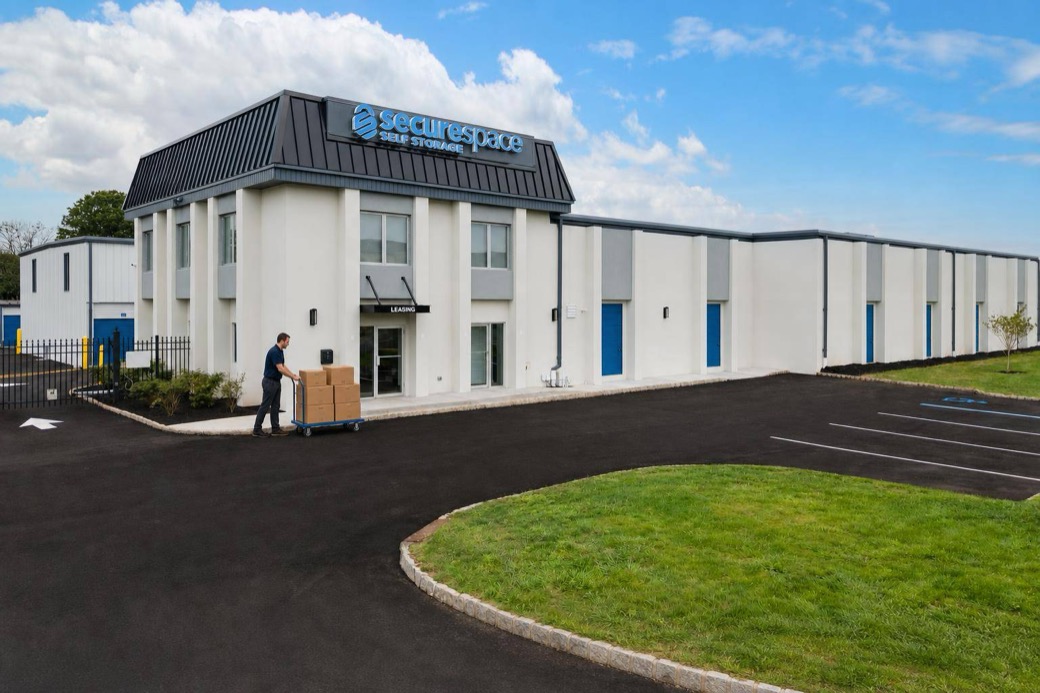
Businesses in Piscataway, NJ, often need extra space for records, archives, files, and business documents. Climate-controlled self storage can help reduce exposure to temperature swings, while features like gated access, logged access, digital video recording, and overnight surveillance can support a more organized off-site storage plan. Businesses should still follow applicable retention, privacy, and access-control requirements for their industry.
Piscataway serves as an active hub for academic research, healthcare networks, logistics operations, and business activity. With institutions like Rutgers University and major employers operating locally, physical documentation can accumulate quickly. Medical charts, employee records, financial audits, and legal contracts may start to consume valuable office real estate.
Moving business records to an off-site self storage unit can help solve multiple operational challenges. It can free up office space, support better organization, and create a dedicated place for boxes, archived files, and business materials that do not need to stay in the workplace every day. For sensitive records, businesses should also create internal policies for who can access stored files, how boxes are labeled, and when documents should be reviewed or destroyed.
This guide explores why local businesses may need a more organized archiving strategy. You'll learn about New Jersey record-retention considerations, environmental threats facing physical media, and how to evaluate storage options for your company's records.
New Jersey experiences warm, humid summers and cold winters. Seasonal shifts can create storage challenges for physical media because paper can absorb and release moisture depending on its surroundings. Over time, poor storage conditions may contribute to yellowing, warping, mildew concerns, or general deterioration.
Standard basements, utility closets, and non-climate-controlled spaces may not be ideal for records that need to be retained for years. Climate-controlled storage can help reduce exposure to temperature swings compared with non-climate-controlled spaces. It is not a substitute for proper records management, but it can be useful for businesses storing paper files, boxed archives, and other materials that may be sensitive to changing conditions.
Housing dormant filing cabinets in active office space can create a financial drain for growing organizations. Commercial real estate in busy Piscataway corridors can be costly, especially when a business needs more room for staff, client meetings, inventory, or operations.
A standard filing cabinet takes up more space than its footprint alone because drawers need clearance and employees need room to move around it. For a medical practice, law firm, accounting office, or local business, dozens of cabinets can tie up space that could otherwise support daily work.
Using self storage for archived records can help companies move less-frequently used files out of the office while keeping them organized and accessible during the facility's access hours. Businesses should make sure their own retention, privacy, and chain-of-custody procedures are followed before moving sensitive documents off site.
Many organizations in Middlesex County have adjusted their office footprints as hybrid work, shared workspaces, and collaboration-focused layouts have become more common. When private offices and dedicated filing rooms are reduced, older paper archives, human resources files, financial documents, and operational records may need a more organized off-site storage plan.
Local logistics and business activity can also generate physical paperwork, including shipping documents, vendor files, contracts, invoices, and internal records. For teams that do not need daily access to every paper file, a storage unit can help separate active office materials from long-term archives.
Healthcare providers face detailed rules regarding medical record retention. Under New Jersey Department of Health regulations, physicians and private practices may need to retain adult patient records for a minimum period after the last medical entry, and records for minors may require longer retention depending on the patient's age and the type of provider.
Because these rules can vary by provider type, record type, and situation, healthcare organizations should verify current requirements with legal counsel, their compliance team, or the appropriate regulator. Improper record handling can create privacy and compliance risks, so storage should be paired with clear access controls, labeling, inventory procedures, and secure destruction policies.
General corporate businesses must also follow federal recordkeeping requirements. The Internal Revenue Service (IRS) mandates that companies keep all records of employment taxes for at least four years after filing the fourth quarter for the year. These documents should remain available for review if needed.
For general income tax records, the retention period can extend further depending on the type of return, claim, deduction, or reporting issue involved. Businesses should follow current IRS guidance and consult a tax professional when deciding how long to retain specific records. A storage unit can support physical organization, but it does not replace a business's responsibility to manage records correctly.
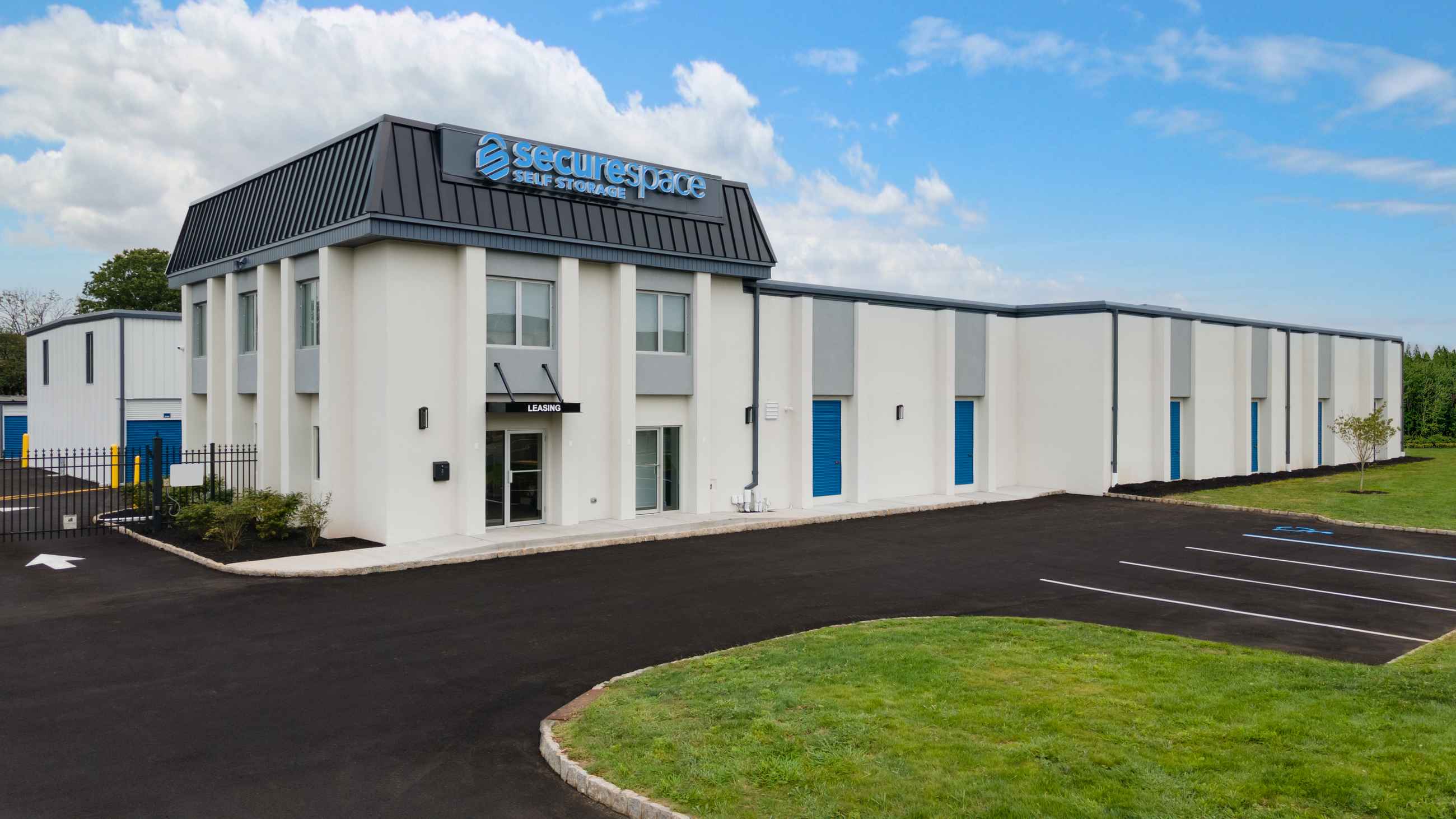
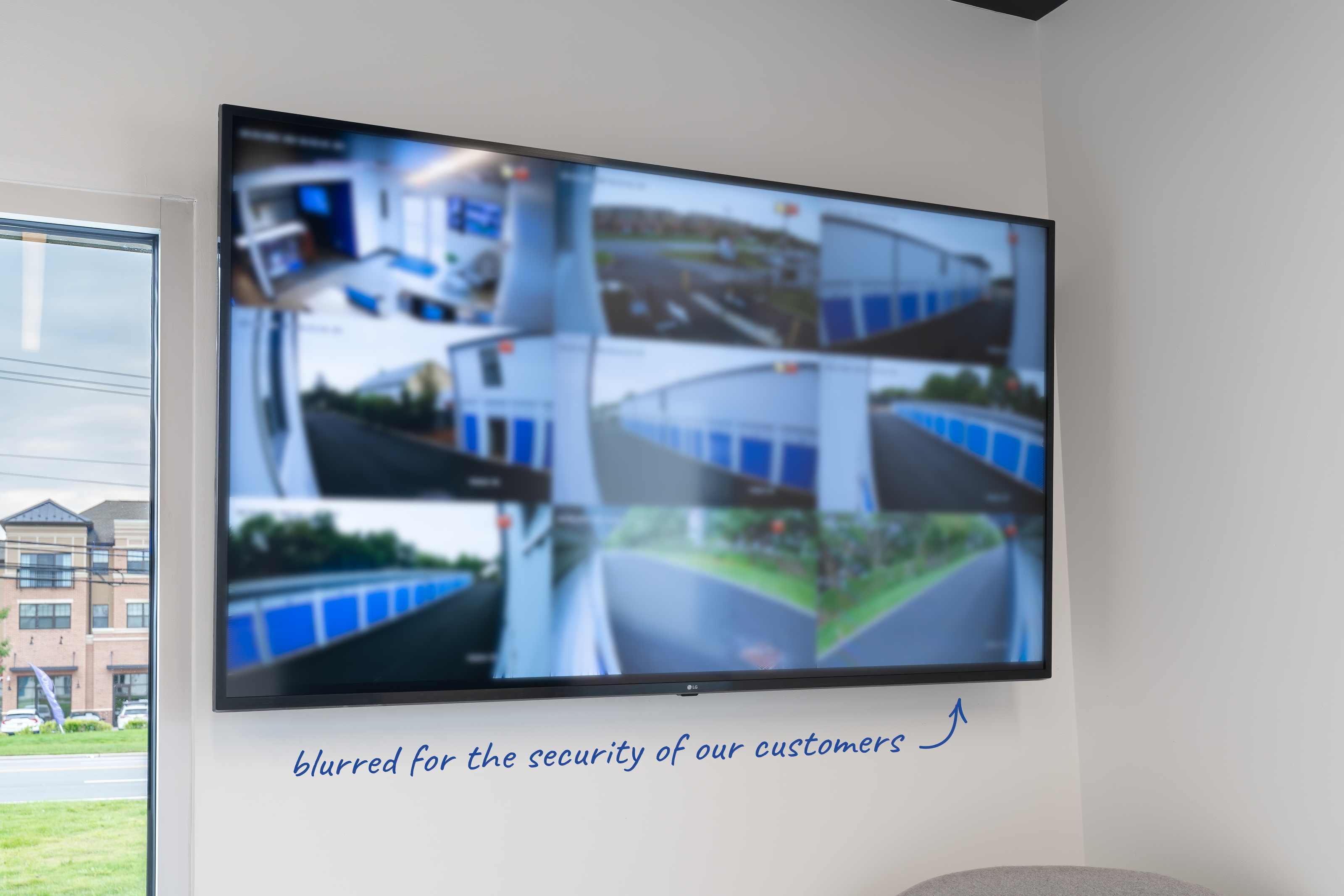
Business owners and office managers should look for storage features that help control facility access and support monitoring. SecureSpace Self Storage Stelton-Piscataway offers an access gate, digital video recording, logged access, and overnight surveillance.
Those features can support an off-site records plan, but businesses should still manage document security at the box, unit, and employee level. Use quality locks, limit who has keys or access credentials, keep a stored-record inventory, and avoid writing sensitive client or patient details on the outside of boxes.
Beyond access and monitoring, document storage should focus on preparation. Files should be packed clean and dry, placed in sturdy boxes, and organized so they do not need to be repeatedly handled or moved. Climate-controlled storage can help reduce exposure to temperature swings, but businesses should not rely on storage alone to guarantee preservation.
Avoid storing boxes directly against walls where airflow may be limited. Leave aisles or clear zones inside the unit so authorized staff can retrieve files without moving every box. For records that are irreplaceable, extremely delicate, or legally sensitive, consider whether a specialized records-management provider is more appropriate than a standard self storage unit.
Choose physical off-site storage if you need to retain original hard copies, wet signatures, historical files, archived business records, or boxed documents that rarely require daily access. Physical storage can be cost-effective for legacy records that must remain organized but do not need to take up office space.
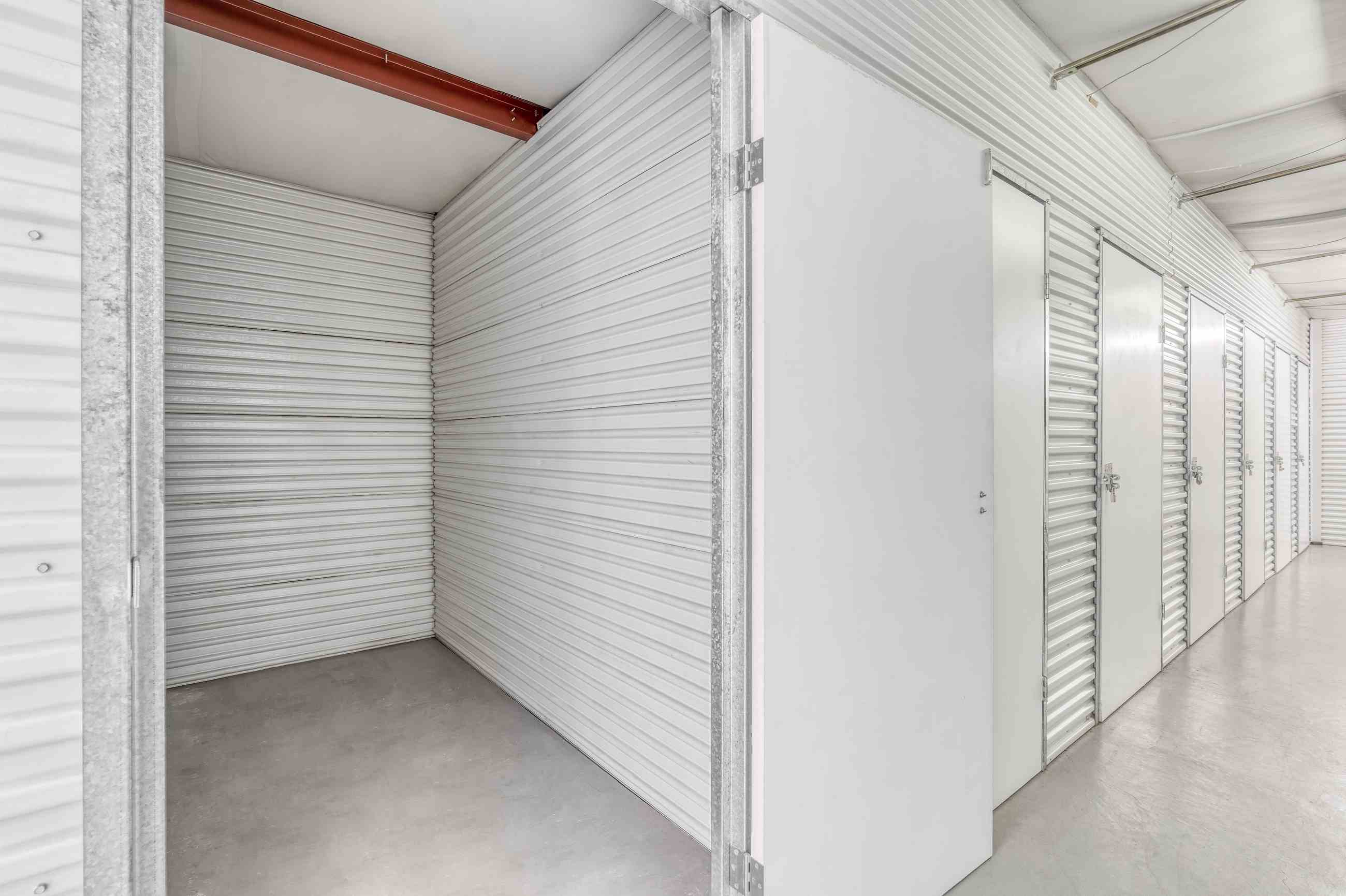
SecureSpace Self Storage Stelton-Piscataway offers climate-controlled storage, elevator access, carts and dollies, and daily gate access from 6:00 AM to 10:00 PM. The facility also offers drive-up units, but businesses should not assume every unit type is climate-controlled. Compare current unit options and choose the setup that fits the records, boxes, and access needs of your team.
Choose cloud storage or document digitization if your daily operations require instant, remote access to legacy files by multiple employees across different geographic locations. Companies like Record Nations provide bulk document scanning and cloud storage integration. By digitizing active files, administrative staff may be able to request and retrieve important documents through a secure Document Management System (DMS), depending on the provider and platform.
Scanning can be especially useful for active files that employees need regularly. Physical storage may still make sense for originals, archived boxes, backup records, or files that must be retained but rarely accessed.
Choose specialized media vaulting if your organization needs to preserve delicate X-rays, microfilm, magnetic backup tapes, or legacy audiovisual media. Improper storage of these sensitive materials can lead to deterioration. Specialized providers like Vital Records Control offer advanced media vaulting with specific fire suppression technology and exact climate controls tailored specifically to preserve multimedia assets for decades.
A standard self storage unit is usually better suited for boxed paper records, office archives, and business materials. For specialized media, confirm the environmental and handling requirements before choosing a storage method.
To keep files organized inside your unit, preparation matters. Use sturdy archival-style boxes or bankers boxes that can be stacked safely and labeled clearly. Avoid overpacking boxes, because heavy paper files can make boxes difficult to lift and more likely to fail.
Before packing, remove unnecessary metal paper clips, binder clips, and rubber bands when possible. Metal can rust over time, and rubber bands can become brittle or stick to paper. For sensitive records, use internal file labels or coded box numbers rather than writing confidential information on the outside of the box.
Never send a box to storage without documenting its contents. Create a master digital inventory list that explains which files are in each box, where the box is stored, and when the documents should be reviewed.
Label the exterior of every box clearly with a box number, department, date range, and retention review date when applicable. When loading your unit, keep high-priority boxes near the front and avoid creating stacks that are too heavy or unstable. Shelving can also help keep records organized and easier to retrieve.
Moving business documents into a climate-controlled storage unit can be a practical way to reclaim office space and keep archived records organized. It can also help businesses separate daily files from long-term records while still maintaining access during facility hours.
The key is to treat storage as part of a broader records-management process. Know what you are storing, who can access it, how long it must be retained, and when it should be reviewed. With the right labeling system and storage setup, your team can keep files easier to find without letting paper take over the office.
Ready to upgrade your records management? Reserve your secure, climate-controlled unit today: SecureSpace Self Storage in Stelton-Piscataway.
Storage costs vary based on unit size, unit type, features, and current availability. For current pricing, compare available units online or contact SecureSpace Self Storage Stelton-Piscataway directly.
SecureSpace Self Storage Stelton-Piscataway offers daily gate access from 6:00 AM to 10:00 PM. If your office is near Rutgers, Interstate 287, or nearby business corridors, authorized staff can plan file retrieval during that access window.
Basements can be vulnerable to moisture, temperature swings, leaks, pests, and poor airflow. Storing paper records in unstable conditions may contribute to mildew, warping, yellowing, or general deterioration over time.
The main alternatives are document scanning, cloud storage, and specialized records-management services. These options may work better when employees need frequent remote access or when records require specialized handling.
Medical practices, law firms, accounting agencies, academic offices, nonprofits, and local businesses may benefit from climate-controlled storage for boxed records and archives. Businesses with legal or privacy obligations should also follow their own retention policies and applicable regulatory requirements.
Everything you need to store your belongings securely, on your schedule.
Visit us online