Last updated Jul 2, 2026

Riverview has grown fast. Once a quiet community along the Alafia River, it's now home to more than 116,000 residents, with a thriving mix of medical clinics, law firms, and small businesses (World Population Review, 2026). That growth brings a less obvious challenge: where do you safely keep all the paperwork these businesses generate?
Office space in Riverview is expensive, and stuffing filing cabinets into a back room isn't a smart use of square footage. At the same time, Florida's climate can be rough on paper, especially when records are stored in garages, sheds, closets, or other unconditioned areas.
This guide walks you through everything you need to know about document storage in Riverview-why climate control can matter here, which compliance rules may apply to local businesses, how to prepare your records, and how to choose the right storage solution for your needs.
Florida's weather is one reason document storage in Riverview requires more thought than in many other places. Heat, seasonal storms, and poorly conditioned storage areas can make paper records harder to preserve over time.
Paper records generally do better when they're kept clean, dry, boxed, and away from large temperature swings. Documents stored in an unconditioned garage or attic may face more exposure to heat, pests, roof leaks, and water intrusion than records stored in a more stable environment.
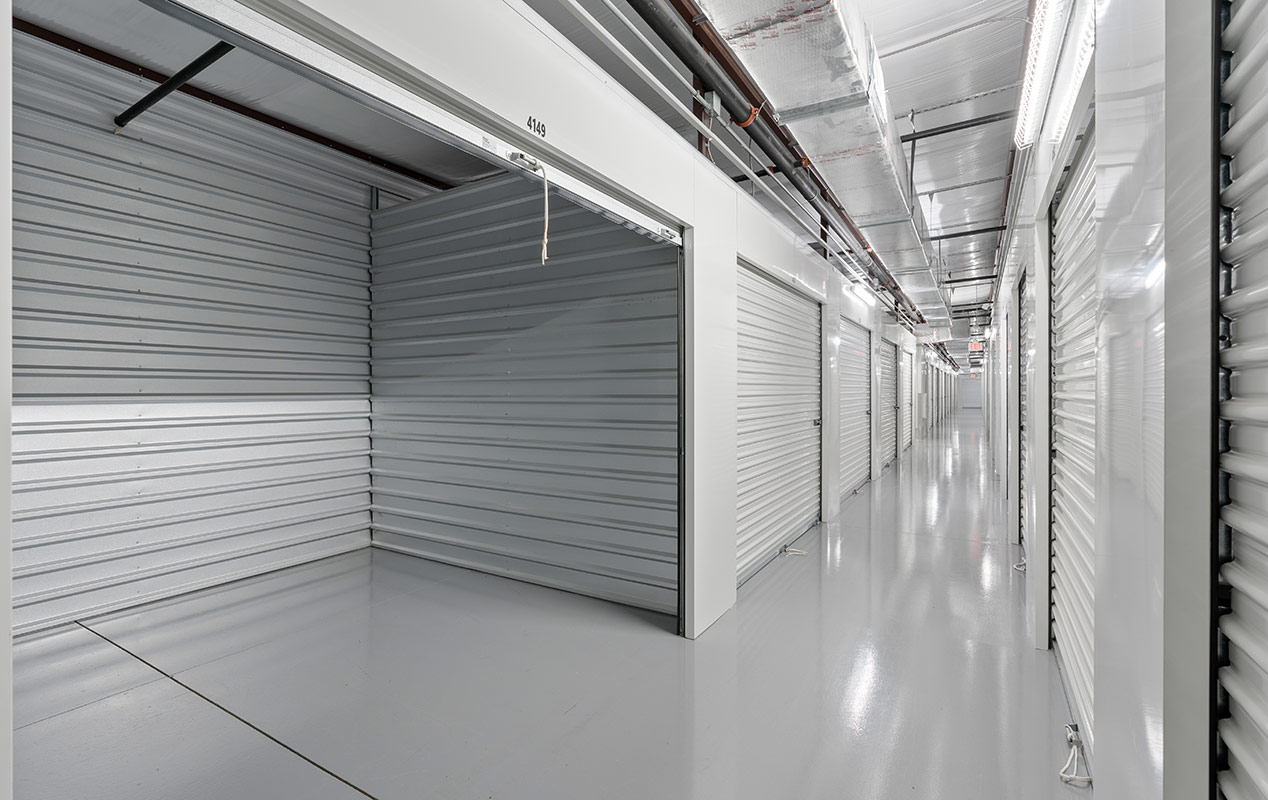
Climate-controlled storage can help reduce exposure to temperature swings compared with non-climate-controlled spaces. For sensitive business files, that added consistency can be useful when paired with sturdy boxes, clear labeling, and a simple retrieval system.
Riverview sits in a region where flood planning matters. According to climate research from First Street, a striking 93.8% of properties in some Riverview neighborhoods carry flood risk over the course of a 30-year mortgage (First Street). Hillsborough County also maintains detailed floodplain maps that flag high-risk areas across the community (Hillsborough County).
That doesn't mean every storage decision is the same. For irreplaceable records, it helps to keep backup copies, avoid storing boxes directly on bare floors when possible, and review local flood information before deciding where originals should be kept.
For many Riverview professionals, document storage isn't just about convenience. Certain records must be retained for specific periods, and businesses are responsible for understanding the rules that apply to their industry.
Healthcare is booming in Riverview, with major anchors like St. Joseph's Hospital-South and AdventHealth Riverview drawing clinics and practices to the area. These providers handle sensitive patient data covered by HIPAA.
Florida law requires physicians to keep medical records for at least five years from the last patient contact, and HIPAA requires certain related documentation to be retained for six years (HIPAA Journal). Public hospitals and many health care facilities follow even longer schedules under Florida's general records guidelines (Florida Department of State).
For retiring physicians or practices that close, a specialized records custodian or records-management provider may be needed. Self-storage can be useful for boxed records that a business manages directly, but it is not a substitute for professional compliance advice or formal custody procedures.
Accountants, financial advisors, and business owners face their own retention rules. The IRS recommends keeping tax records for different periods depending on the situation, and guidance from Davis & Associates, CPAs suggests holding items like payroll records, bank statements, and expired contracts for six years.
Corporate formation documents and meeting minutes are often kept permanently. Losing these can create serious legal or administrative problems during an audit, financing review, sale, or lawsuit.
Legal practices treat physical documents as critical business records. Maintaining organized files, limiting access, and preventing loss are daily concerns. A storage unit with controlled access can support office organization, while firms that need documented chain of custody, scan-on-demand retrieval, or certified destruction should consider a managed records service.
A little preparation goes a long way toward keeping your records organized and easy to find later.
Sort and purge first. Review your files and securely shred anything past its required retention period. There's no point paying to store documents you're legally allowed to destroy.
Use sturdy, uniform boxes. Standard banker's boxes stack neatly and protect contents better than mismatched containers.
Label clearly. Note the contents, date range, and a destruction date on each box so you know when records can be safely discarded.
Create an index. Keep a simple spreadsheet listing what's in each box. This saves hours when you need to retrieve a single file.
Keep active and archived files separate. Store frequently accessed records where they're easy to reach.
Both options work, but they suit different needs.
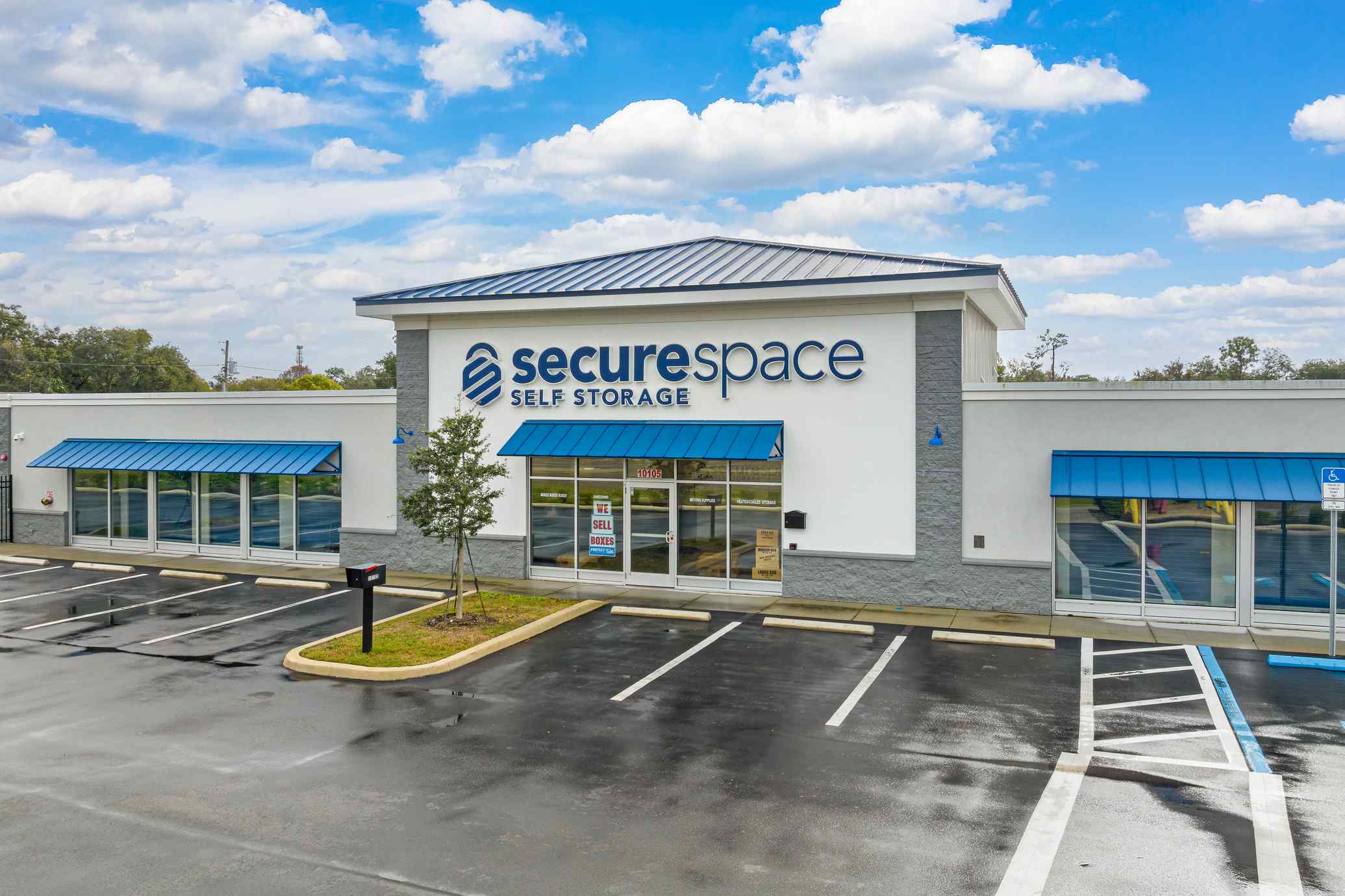
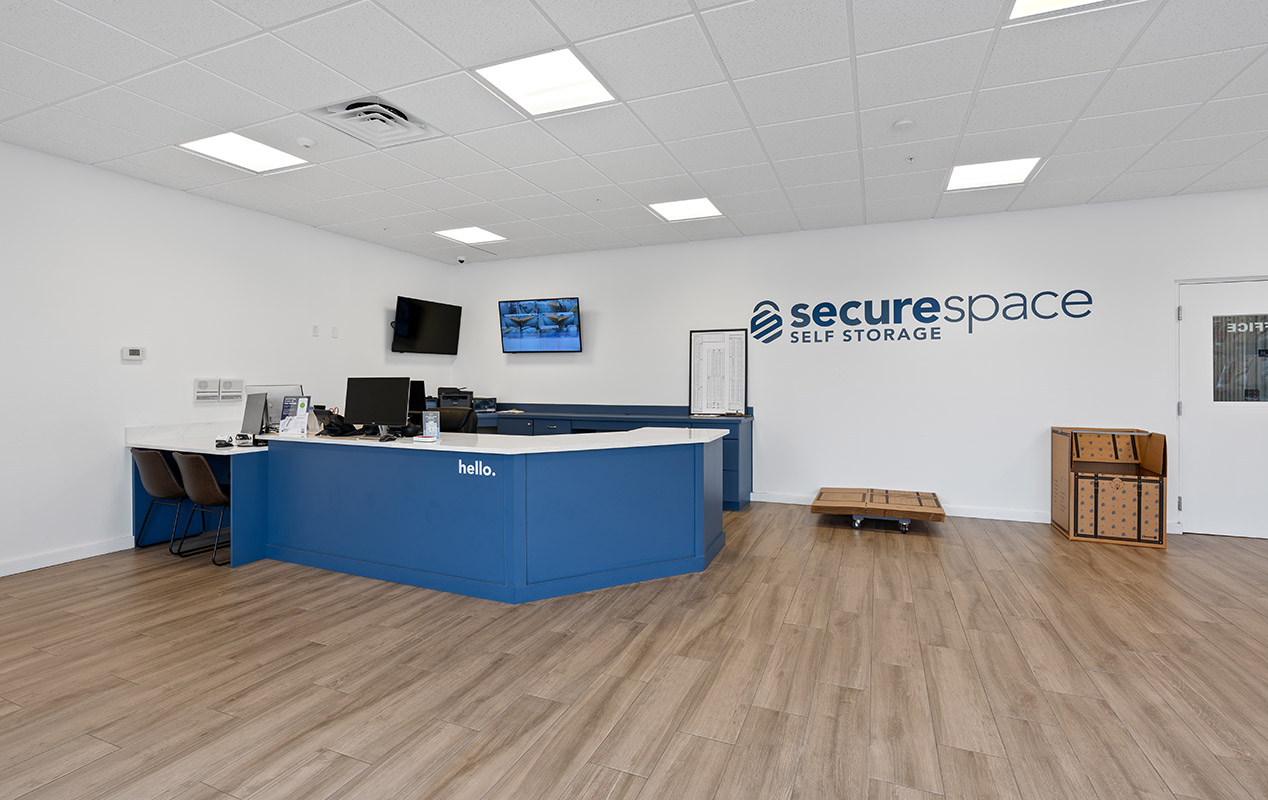
Choose self-storage if you want direct access to your own records during the facility's access hours and prefer to manage indexing yourself. A climate-controlled unit gives you flexibility and control over box organization, which works well for small businesses and individuals who retrieve files regularly. At SecureSpace Self Storage Riverview, gate access is available daily from 6:00 AM to 10:00 PM.
Choose a managed records management service if you need professional indexing, documented chain of custody, scan-on-demand retrieval, and certified shredding when records expire. This route suits larger practices with heavy compliance requirements and limited time to handle files in-house.
For many Riverview businesses, a climate-controlled self-storage unit can hit the sweet spot: flexible, practical, and directly managed by your team.
When you're storing confidential records, it's important to choose a facility with access and oversight features that fit your needs. Useful features can include an access gate, digital video recording, logged access, overnight surveillance, and individually locked units.
These features can help support controlled access and facility oversight. For added protection, use a quality lock, keep an inventory of stored boxes, avoid placing sensitive records in unlabeled containers, and review your insurance or coverage options before move-in.
Costs vary based on unit size, whether the space is climate-controlled, and the length of your rental. Climate-controlled units may cost more than standard units, but they can be worth considering for paper records in Florida. Many facilities offer move-in discounts, so it pays to compare local rates.
It depends on the document type and your business situation. As a general rule, many tax and financial records are kept for several years, while corporate formation documents and meeting minutes are often kept permanently. Medical providers should retain patient records for at least five years under Florida law (HIPAA Journal). Always confirm retention schedules with your CPA, attorney, or industry regulator.
Garages and attics can expose records to heat, pests, roof leaks, and water intrusion. Records stored there may be harder to keep clean, organized, and accessible. For anything important or legally required, a climate-controlled unit is often a better fit than an unconditioned home storage area.
Digital scanning is a popular option. Many businesses scan older files for digital backup while keeping originals in storage. Some local providers in the Tampa Bay area offer document scanning services (Post & Pack). A hybrid approach-storing originals while digitizing for quick access-works well for many organizations.
Medical practices, law firms, accounting offices, and businesses that generate retained paperwork may benefit from organized storage space. Home-based professionals and individuals managing estate documents, tax records, or long-term household files may also find a climate-controlled unit useful.
Riverview's growth shows no signs of slowing, and the businesses driving it generate more paperwork every year. A clean, climate-controlled storage unit can help keep boxed records organized and out of crowded office areas, while your team manages retention schedules, access procedures, and any compliance requirements that apply.
Ready to find the right space for your records? Explore climate-controlled storage options at SecureSpace Self Storage in Riverview, FL and store with confidence.
Everything you need to store your belongings securely, on your schedule.
Visit us online