Last updated Jun 20, 2026
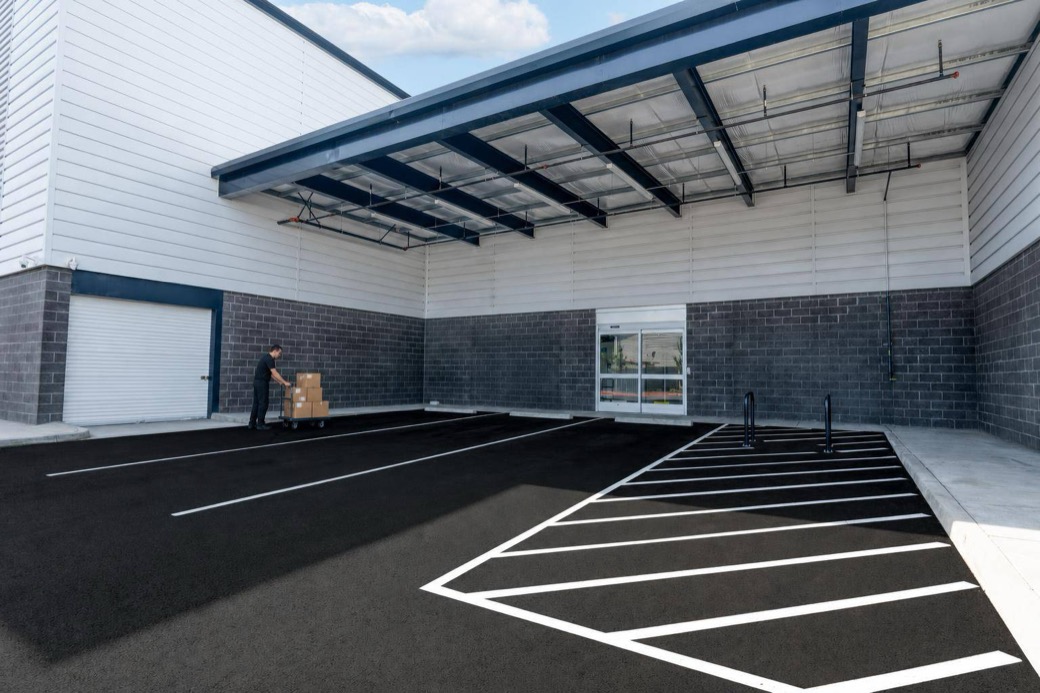
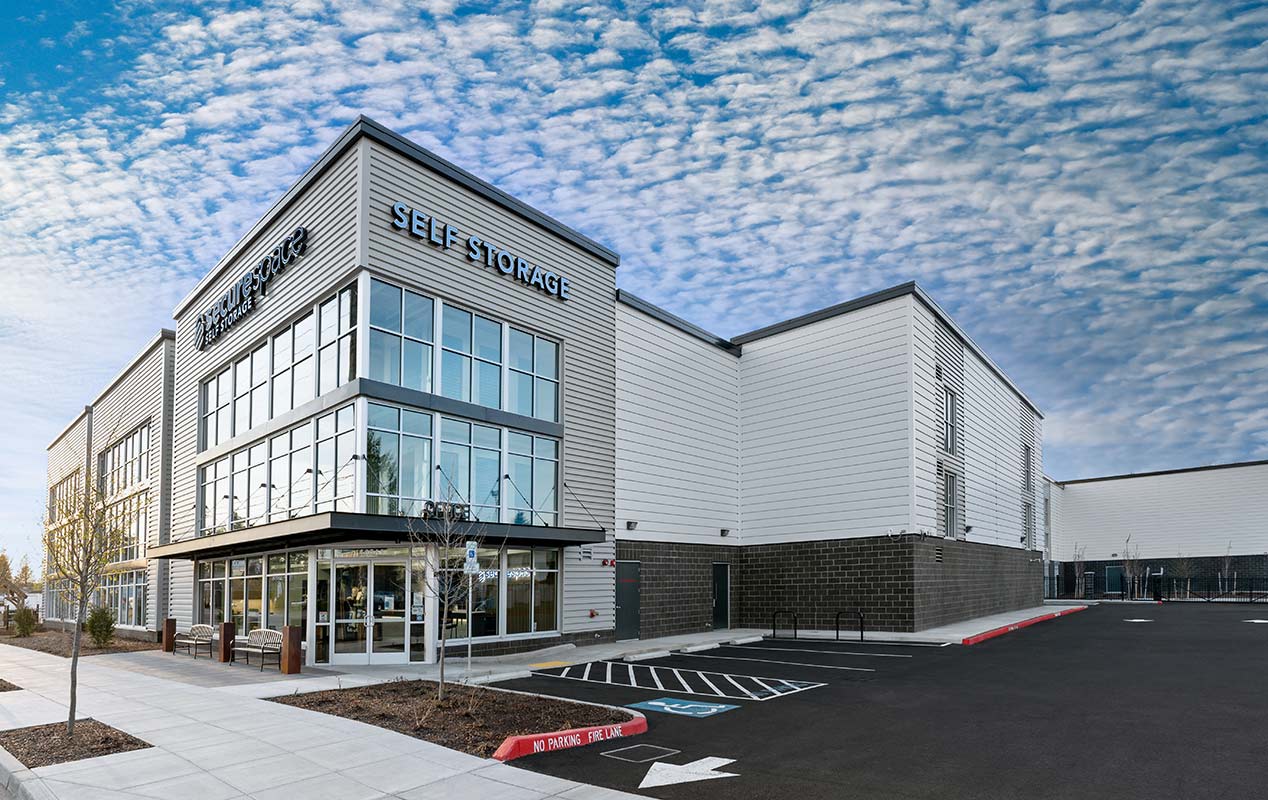
Portland businesses can use self storage to organize boxed records, reduce office clutter, and keep rarely accessed files in an indoor storage environment. SecureSpace Self Storage Centennial offers heated indoor storage, digital video recording, logged access, overnight surveillance, online payments, and daily access from 7:00 AM to 10:00 PM. Businesses remain responsible for their own record-retention, privacy, and compliance requirements.
Managing a business in the Pacific Northwest comes with a unique set of challenges. Between navigating the commercial real estate market and keeping up with state data privacy expectations, local business owners have a lot to balance. For companies operating in areas like the Pearl District or the Central Eastside, finding enough room to store years of physical paperwork can become difficult. Stacking archive boxes in a cramped back room is rarely the best long-term option for a growing enterprise.
Self storage can provide a practical alternative to keeping boxed records on-site. By moving less frequently accessed files to a dedicated storage unit, organizations can reclaim valuable office space and reduce daily clutter. This approach can help local law practices, healthcare offices, creative agencies, and small businesses keep archived documents organized while maintaining their own internal procedures for access, retention, and privacy.
Beyond simply saving space, off-site storage can support a more organized records strategy. Portland's damp weather makes it especially important to pack paper files carefully, while state and federal privacy laws require businesses to think seriously about how sensitive information is handled. Understanding these local factors is the first step toward choosing a storage setup that fits your needs.
The financial pressure of maintaining an office in Portland makes spatial efficiency a top priority. Over the last few years, the local commercial real estate market has seen significant shifts, with many companies moving toward hybrid work models to reduce overhead. According to recent data, the average asking rent for Class A office space in Portland reached $34.13 per square foot in 2024.
Using expensive office space to house metal filing cabinets and cardboard archive boxes can create operational waste. For example, a law firm renting office space in Downtown Portland pays a premium for every square foot. Storing thousands of pages of litigation files on-site can cut into collaborative workspaces, meeting rooms, and revenue-generating areas. Businesses may not want to move bulky, rarely accessed files into smaller, high-rent office spaces.
Self storage can help reduce that burden. Storing physical files locally allows businesses to keep archived documents nearby without dedicating prime office space to boxes. This can be especially useful for retiring professionals, newly sold businesses, or firms managing legacy files that are rarely accessed but still need to be retained under their own recordkeeping policies.
The geographic reality of the Pacific Northwest creates an ongoing concern for physical media. Portland sits at the northern end of the Willamette River Valley, an area known for its prolonged rainy season. According to the National Weather Service, nearly 90% of the city's annual rainfall occurs between mid-October and mid-May. This constant precipitation can contribute to damp storage conditions if boxes are kept in basements, garages, or other poorly protected areas.
Paper and archival media are sensitive to moisture. In damp environments, paper can absorb moisture from the air, and repeated shifts in temperature and humidity can contribute to deterioration over time. For businesses storing important files, the goal is to avoid careless storage conditions that expose boxes to leaks, standing water, pests, or uncontrolled dampness.
Portland's humid climate can also increase mold concerns when paper records are stored in poor conditions. The Environmental Protection Agency (EPA) emphasizes that moisture control is the only viable defense against mold damage. That does not mean every storage unit offers archival-grade preservation, but it does mean businesses should store documents clean, dry, boxed, and elevated when possible.
SecureSpace Self Storage Centennial offers heated indoor storage. Heated storage is not the same as climate-controlled storage, and it does not maintain strict temperature or humidity levels for archival preservation. Still, heated indoor storage may be useful for businesses that want a more practical alternative to storing boxed records in an unheated garage, damp basement, or crowded office closet.
Businesses operating in Oregon may need to follow state and federal requirements regarding document retention, consumer data, and disposal. The details depend on the industry, document type, and the kind of information being stored.
For the healthcare sector, the federal Health Insurance Portability and Accountability Act (HIPAA) includes safeguards for protected health information. However, the Oregon Consumer Identity Theft Protection Act (OCIPA) imposes even tighter restrictions on local companies. Businesses that handle consumer personal information should review applicable rules, maintain appropriate internal safeguards, and consult qualified legal or compliance guidance when needed.
State laws can also affect how records must be disposed of when their retention period ends. Physical records containing sensitive information may need to be destroyed so the information cannot be reconstructed. A standard self storage facility does not manage your compliance program, track retention schedules, or provide certified document destruction, so businesses should maintain their own procedures for storage, access, and disposal.
The legal sector faces its own distinct retention considerations. The Oregon State Bar Professional Liability Fund publishes exhaustive guidelines on file retention to protect law firms from malpractice claims. Retention periods can vary by file type, client matter, and professional obligation, so law firms should use storage as part of a broader records policy rather than a substitute for one.
When selecting a storage option, it is important to match the facility's capabilities to your actual operational needs. If your team needs daily digital access, scanning, courier retrieval, or barcode-tracked chain of custody, a specialized records management vendor may be a better fit. If you need to store boxed historical files that you access only occasionally, a self storage unit may be a practical option.
For businesses considering physical self storage, prioritize features that help with organization, access, and day-to-day usability.
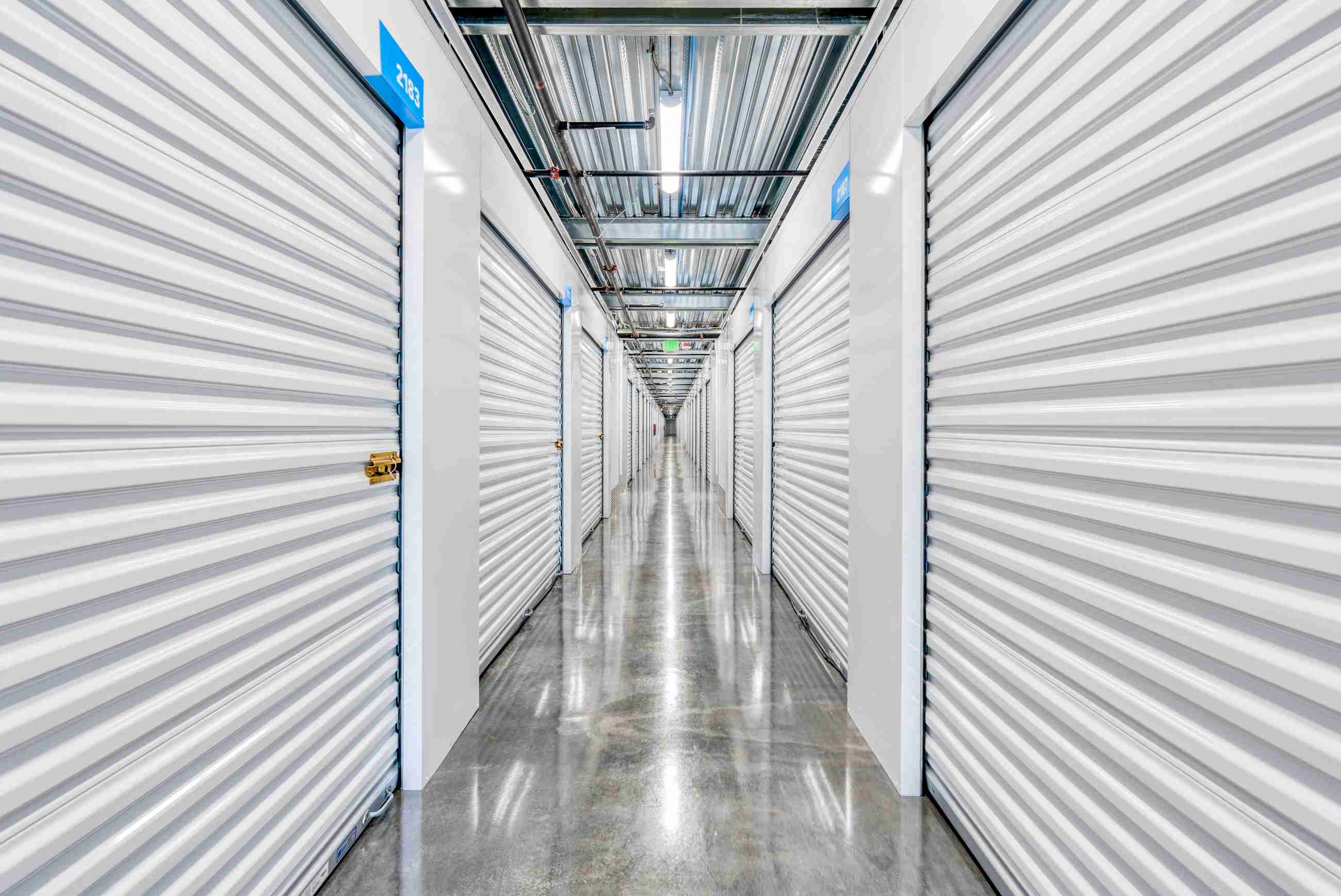
Look for an indoor option that keeps document boxes out of direct outdoor exposure. At SecureSpace Self Storage Centennial, heated indoor storage can help support a more practical storage setup than leaving boxes in a damp garage or crowded office corner. Pack paper files in sturdy boxes or sealed bins, keep boxes off the floor when possible, and avoid storing documents that are already damp.
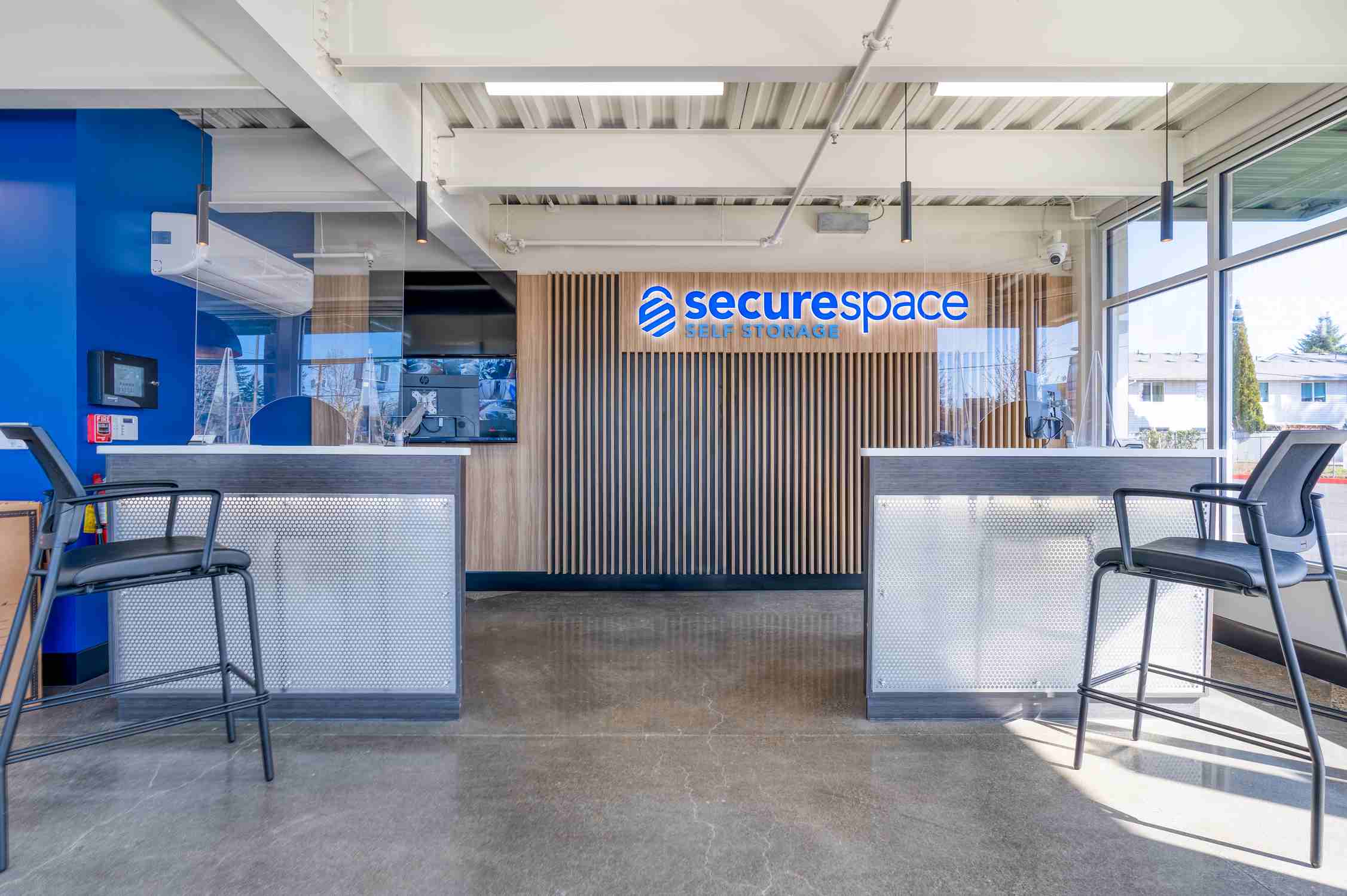
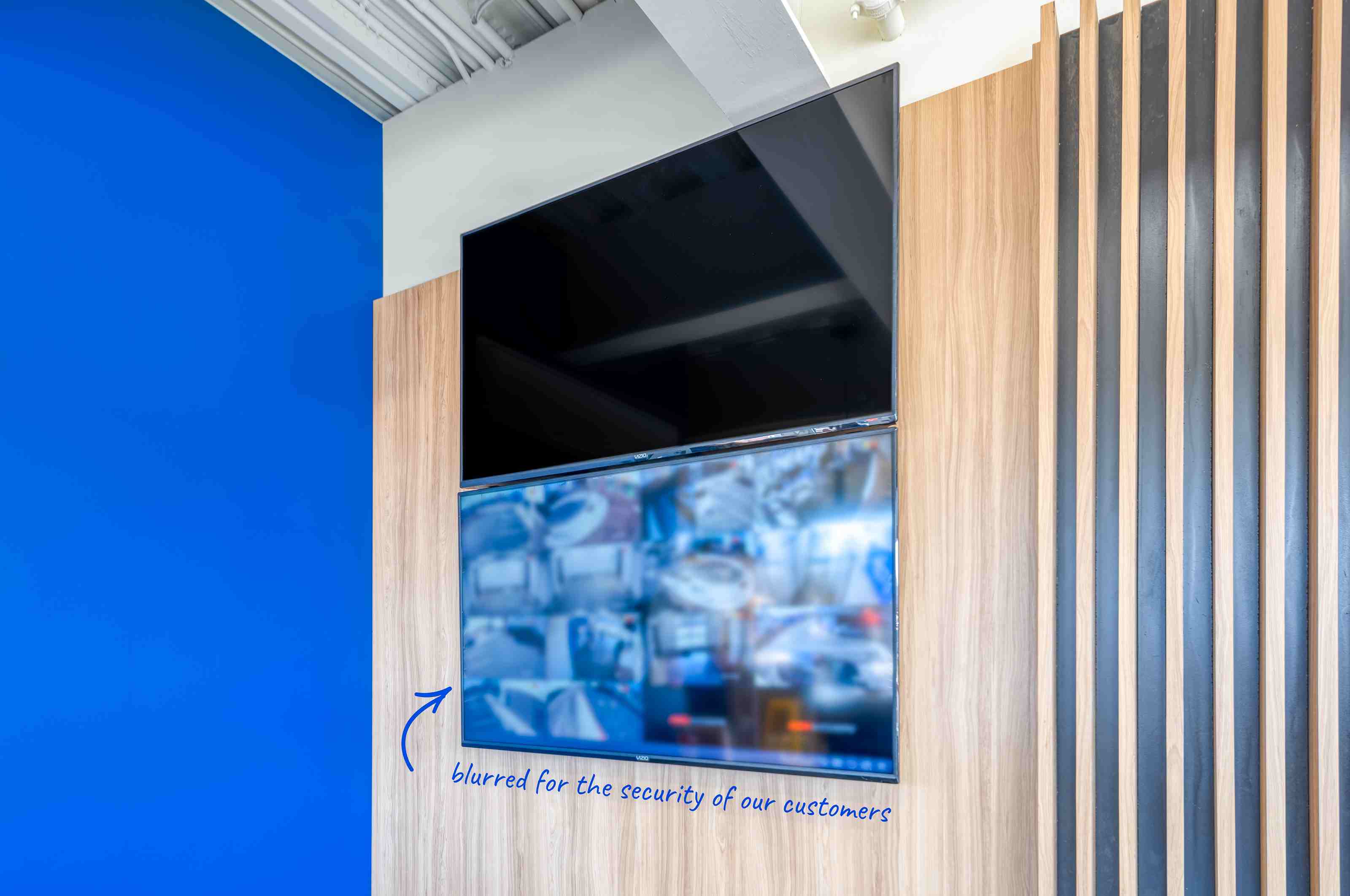
For sensitive business files, security-related features matter. SecureSpace Self Storage Centennial includes digital video recording, logged access, and overnight surveillance. Businesses should also use strong locks, keep an inventory of stored boxes, limit who has access to the unit, and maintain internal procedures for handling confidential materials.
Fast document retrieval often depends more on organization than on the storage unit itself. Label boxes clearly, group records by year or category, and keep the most likely-to-be-needed files near the front. SecureSpace Self Storage Centennial offers daily access from 7:00 AM to 10:00 PM, along with elevator access, extra-large elevators, a covered loading area, and carts and dollies to help move boxes into storage.
For businesses managing ongoing storage costs, online payments and flexible rental terms can make storage easier to manage. SecureSpace Self Storage Centennial offers online payments, ACH and credit card payment plans, and month-to-month leases, giving businesses a practical way to manage archived documents without committing office space to long rows of file cabinets.
Proper document storage is about much more than finding a place to put extra boxes. It can be a practical business decision that helps reduce office clutter, organize archived records, and make better use of expensive workspace. For businesses with boxed files that do not require daily retrieval or specialized chain-of-custody services, self storage can be a useful part of a broader records plan.
If you're ready to transition files out of your primary workspace, evaluate local options based on access hours, indoor storage features, security-related amenities, and the amount of space your boxes actually need. Keep compliance responsibilities, retention schedules, and document-destruction requirements within your own business procedures.
Start organizing your office today by exploring local self storage options that fit your boxed-record storage needs.
Some specialized records management providers may offer climate-controlled or archival document storage, but SecureSpace Self Storage Centennial offers heated indoor storage rather than climate-controlled storage. Heated storage can be useful for boxed records, but it does not provide strict temperature or humidity control for archival preservation.
Security features vary by facility. SecureSpace Self Storage Centennial includes digital video recording, logged access, and overnight surveillance. Law firms should pair any storage unit with their own file-retention policies, access controls, inventory system, and confidentiality procedures.
Businesses that store protected health information, consumer personal information, or legal records should understand the applicable requirements under HIPAA, OCIPA, and other rules that may apply to their industry. A self storage unit can provide physical space for boxed documents, but businesses remain responsible for compliance, access procedures, retention schedules, and secure destruction.
With self storage, retrieval is typically self-managed. SecureSpace Self Storage Centennial offers daily access from 7:00 AM to 10:00 PM, so businesses should organize boxes clearly and plan visits during that access window. If you need courier delivery, scan-on-demand, or two-hour retrieval, look for a specialized records management provider.
For a practical place to organize boxed records, explore current options for document storage in Portland, OR.
Everything you need to store your belongings securely, on your schedule.
Visit us online