Last updated Aug 7, 2026
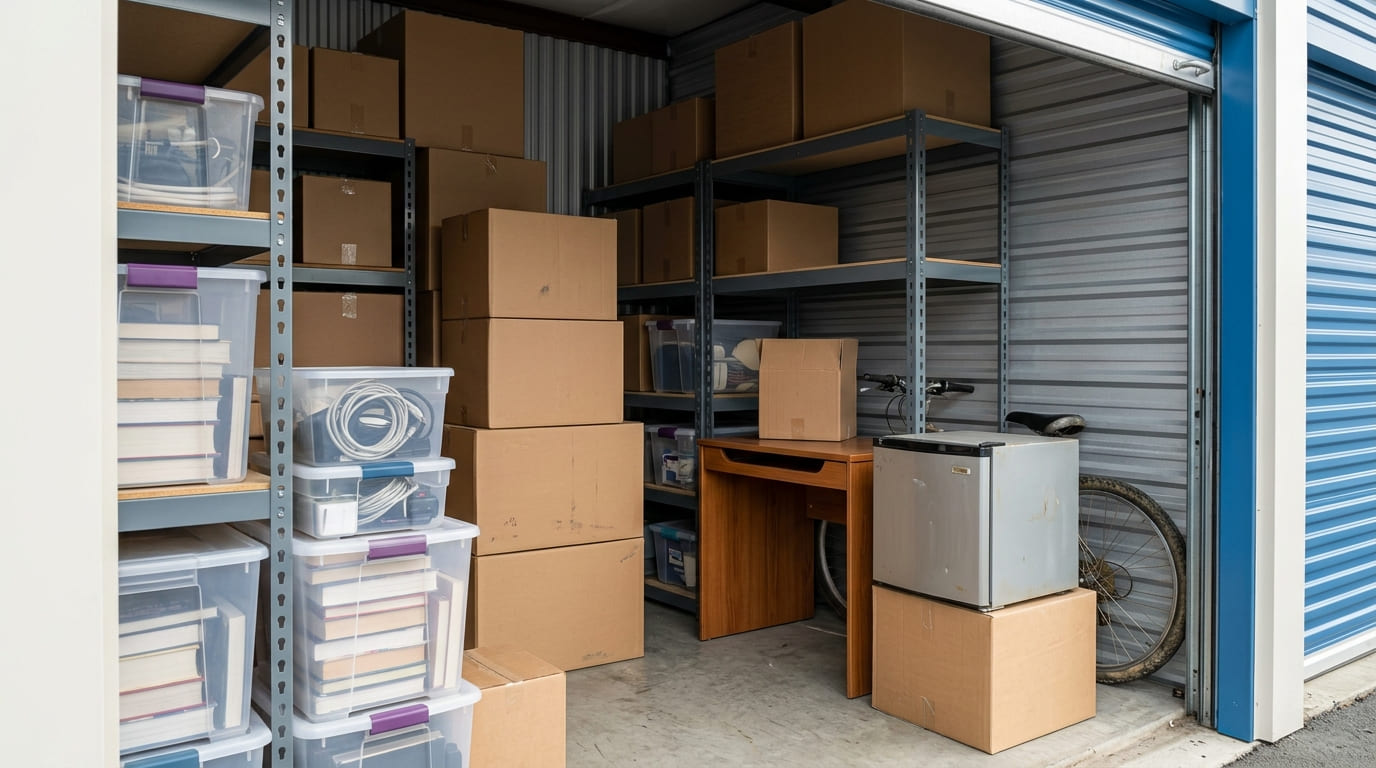
Dorm move-out can arrive quickly. Between final exams, packing, housing deadlines, and travel plans, students may have only a short window to clear their rooms and decide what comes home, what gets donated, and what needs temporary storage.
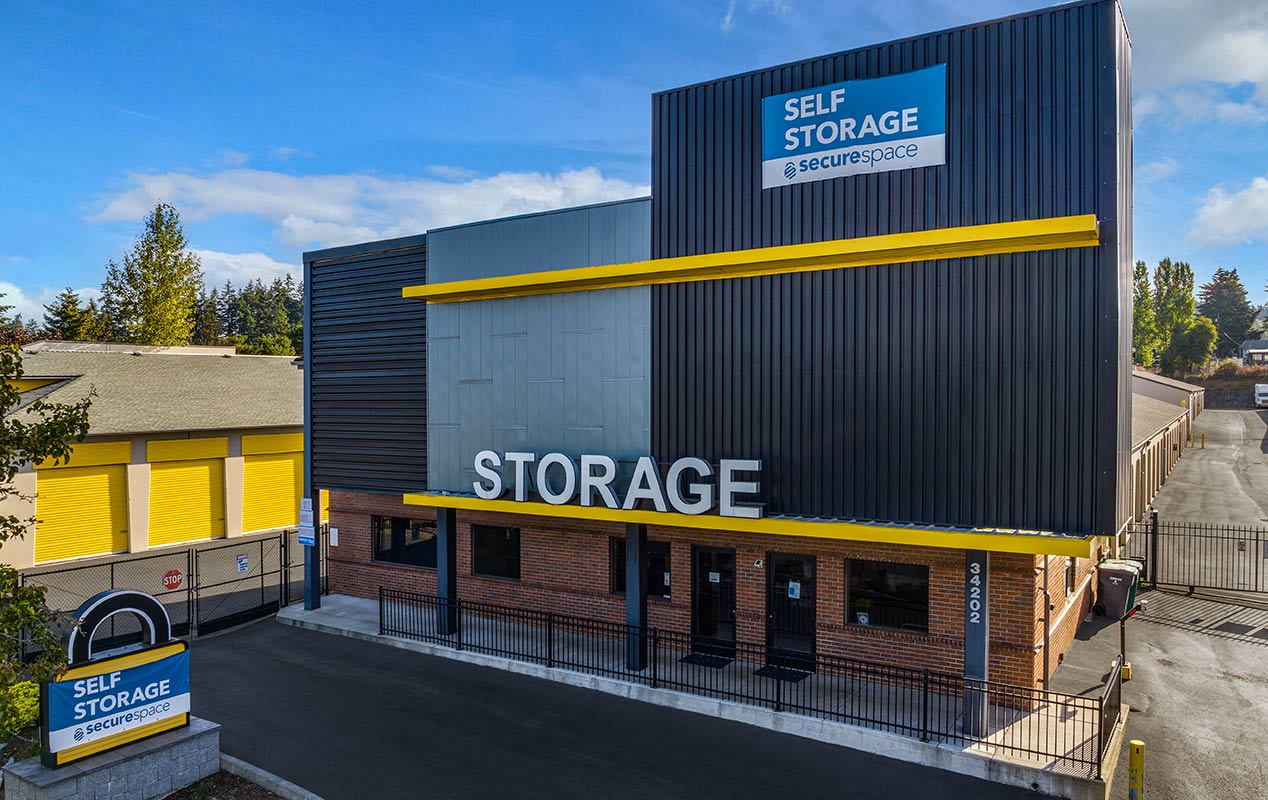
A nearby storage unit can provide space for boxes, dorm furniture, seasonal clothing, sports equipment, and other belongings between semesters. At SecureSpace Self Storage Federal Way, the primary small-unit options are 5x5 and 5x15.
This guide covers how to choose between those sizes, prepare dorm belongings, plan around move-out requirements, and organize a unit for summer.
Shared dorm rooms and student apartments usually provide limited room for clothing, books, furniture, electronics, and recreational gear. StudentRoomStay offers broader context on the space limitations students may encounter in shared college housing.
Even a furnished room can accumulate more belongings than expected over an academic year:
Bedding and pillows
Seasonal clothing
Textbooks and notebooks
Kitchen supplies
Sports equipment
Small furniture
Electronics
Decorations
Luggage
Boxes from care packages and online orders
Waiting until the final day to sort everything can lead to rushed packing, forgotten property, and transportation problems.
Housing deadlines, cleaning expectations, key-return procedures, and disposal rules vary by school and residence.
Students in Highline College housing should review the current Highline College Campus View Resident Guide and related housing communications before making move-out plans.
Check for:
The exact move-out date and time
Cleaning requirements
Key-return instructions
Furniture-placement rules
Checkout appointments
Donation locations
Trash and recycling procedures
Charges for abandoned belongings
Summer housing options
Create a schedule that leaves time for packing, cleaning, loading, and a final room inspection.
SecureSpace Federal Way's primary small-unit options are 5x5 and 5x15. A 5x10 is not one of the location's primary sizes.
General resources such as Storage Scholars can help students think through summer packing and storage needs, but measuring actual belongings is more reliable than using a standard room-capacity estimate.
A 5x5 provides approximately 25 square feet of floor space.
It may work for one student storing a compact collection of:
Moving boxes and bins
Seasonal clothing
Luggage
Books
Bedding
A desk chair
Small shelves
Sports equipment
Dorm decorations
Compact kitchen supplies
A 5x5 often works best when most belongings are boxed, stackable, or easy to arrange vertically.
A 5x15 provides approximately 75 square feet of floor space and may be suitable when furniture or a larger volume of belongings is involved.
Possible contents include:
Mattresses and bed frames
Dressers
Desks and chairs
Small sofas or futons
Bicycles
Freestanding shelving
Luggage
Multiple boxes and bins
Kitchen supplies
Sports or recreation equipment
The unit's long layout requires planning. Belongings placed at the back may be difficult to retrieve if an access path is not maintained.
Before selecting a unit:
Measure handles, legs, wheels, arms, and other parts that affect how furniture fits through an entrance or rests inside the unit.
A small unit may be useful for belongings that will be needed during the next semester.
Possible items include:
Bed frames
Mattresses
Desks
Desk chairs
Small bookcases
Nightstands
Compact seating
Freestanding shelves
Disassemble furniture only when doing so will not damage joints or make reassembly difficult.
Keep hardware in labeled bags secured to the corresponding furniture without damaging its finish.
Wash and fully dry clothing, sheets, blankets, and towels before packing them.
Use clean containers and avoid storing damp textiles. Keep clothing needed immediately after summer near the front of the unit.
Store books, notebooks, binders, and permitted records in sturdy containers that will not collapse under weight.
Avoid overfilling large boxes with books. Smaller containers are generally easier to lift and stack safely.
Students may store permitted:
Bicycles
Skis and snowboards
Golf clubs
Camping equipment
Hiking packs
Sports bags
Helmets
Paddles and accessories
Clean and dry equipment before packing it. Follow manufacturer instructions for batteries, electronics, and specialized gear.
Mini-fridges, microwaves, coffee makers, fans, and similar appliances should be cleaned and prepared according to manufacturer instructions.
Before storing a mini-fridge:
Do not connect or operate appliances inside the storage unit.
Some belongings are better kept in personal possession rather than stored.
Keep these items accessible:
Identification
Passport and immigration documents
Medications
Keys
Payment cards
Academic records needed for enrollment
Travel documents
Irreplaceable personal items
Chargers needed during travel
Items required immediately upon return
Highly valuable, environmentally sensitive, or irreplaceable property may require another arrangement.
Summer storage is easier when unnecessary belongings are removed before packing.
Potential donation items include:
Clothing in usable condition
Duplicate kitchen supplies
Furniture that will not be needed next year
Unopened school supplies
Books accepted by local organizations
Working lamps and small appliances
Check campus donation programs and local organizations for current acceptance rules.
Recycle eligible:
Cardboard
Paper
Containers
Electronics through approved programs
Batteries through suitable collection sites
Do not place loose batteries, damaged lithium-ion batteries, chemicals, or electronic waste in ordinary trash unless local rules specifically allow it.
Do not place spoiled food, trash, leaking products, or damaged belongings into storage.
Review the rental agreement before storing cleaning products, batteries, appliances, or other items that may be restricted.
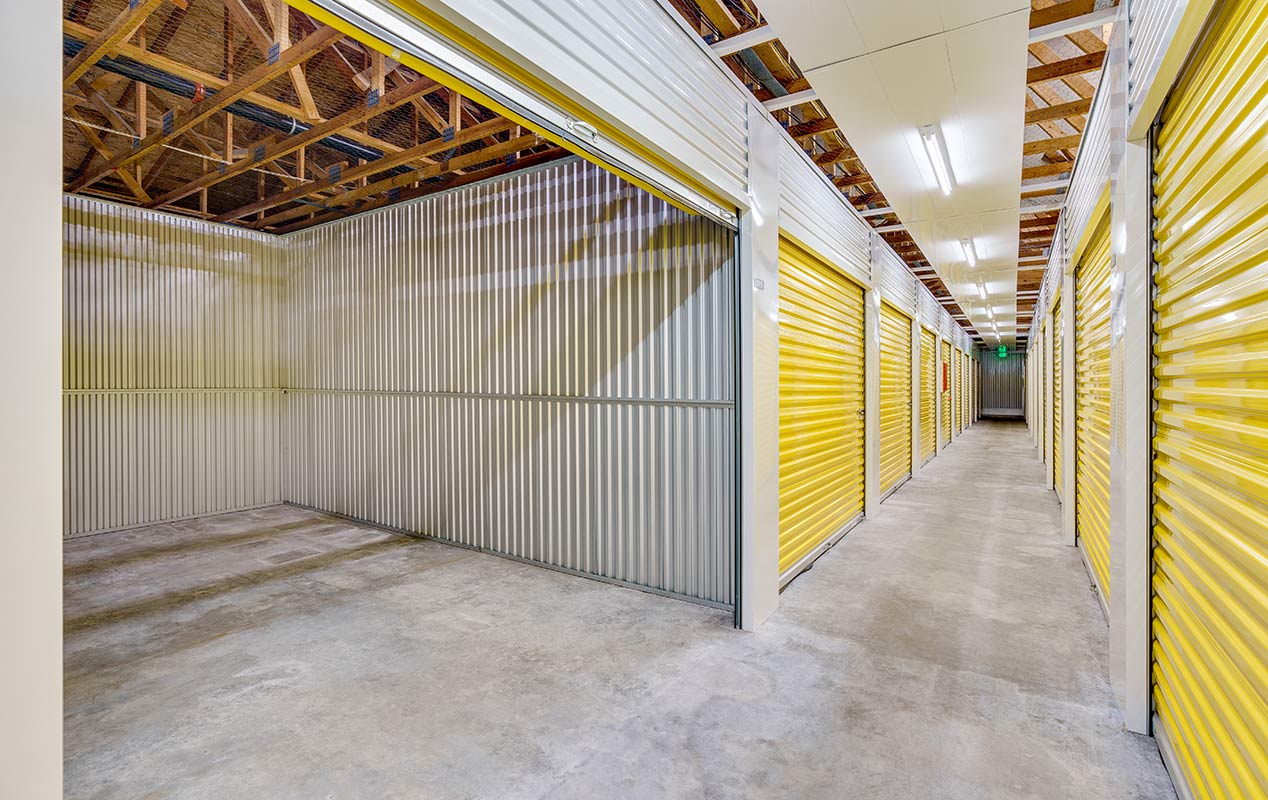
SecureSpace Self Storage Federal Way offers standard, non-climate-controlled storage.
Heated and climate-controlled units are not available at this location.
Before storing dorm belongings:
Clean and dry every item.
Follow manufacturer instructions.
Avoid packing damp bedding, clothing, furniture, or boxes.
Use sturdy containers and suitable covers.
Remove batteries when recommended.
Keep wet equipment separate from dry belongings.
Inspect stored property periodically when practical.
Consider another arrangement for highly sensitive property.
The facility does not offer specialized storage for artwork, antiques, pharmaceuticals, or archival materials.
Laptops, monitors, televisions, gaming systems, speakers, and musical equipment can have specific environmental and packing requirements.
Before storing electronics:
Back up important data.
Follow the manufacturer's storage guidance.
Remove batteries when instructed.
Label cables and accessories.
Use original packaging when available.
Use suitable cushioning.
Keep equipment completely dry.
Avoid placing heavy boxes on screens.
Consider another arrangement for sensitive or high-value devices.
Standard storage does not actively regulate temperature or humidity.
A clear layout makes move-in easier and helps prevent another scramble when the semester begins.
Keep the belongings needed first near the entrance:
Bedding
Clothing
School supplies
Kitchen basics
Desk equipment
Cleaning supplies
Frequently used sports gear
Mini-fridges, dense book boxes, furniture, and sturdy equipment should remain on the floor or properly rated shelving.
Avoid placing heavy objects above fragile property.
Freestanding shelves can help separate books, clothing, kitchen supplies, and smaller containers.
Shelving should:
Support the intended weight
Stand securely on the floor
Remain clear of the entrance
Avoid unstable overloading
Allow containers to be removed safely
Do not drill into or attach shelves, hooks, brackets, or organizers to the storage-unit walls.
Label containers on the front and at least one side so the contents remain identifiable when boxes are stacked.
Useful labels include:
Fall bedding
Winter clothes
Kitchen supplies
Textbooks
Desk items
Sports equipment
Open first
A simple phone note or spreadsheet can record:
Box numbers
General contents
Furniture stored
Appliance details
Where each category is located
Which roommate owns each item
Update the inventory when anything enters or leaves the unit.
A small aisle may reduce the need to unload the entire unit when retrieving one box.
The necessary space depends on the unit layout, furniture dimensions, and how often access will be needed.
Sharing a unit may reduce individual costs, but it also creates responsibility and access questions.
Before renting together:
Decide whose name will be on the agreement.
Review authorized-access rules.
Agree on how rent and fees will be divided.
Keep separate inventories.
Label each person's belongings.
Decide who will provide the lock.
Set a retrieval date.
Discuss what happens if one person returns late.
Put payment and move-out expectations in writing.
Do not share gate credentials or keys in a way that conflicts with facility rules.
A shared 5x15 may provide more flexibility than separate smaller units, but fit depends on both students' belongings.
Selected units at SecureSpace Federal Way offer drive-up access, subject to current availability.
This may reduce carrying distance for:
Boxes
Dorm furniture
Bicycles
Luggage
Mini-fridges
Sports equipment
Shelving
Kitchen supplies
Drive-up access does not permit vehicle storage inside the unit.
SecureSpace Federal Way does not provide:
Carts or dollies
An elevator
Covered loading
A loading dock
Semi-truck access
Moving-pod staging
Students should bring any hand trucks, furniture dollies, protective covers, or lifting assistance needed for move-in.
Because loading areas are uncovered, check the weather and keep rain-protection materials accessible.
The Federal Way property has:
An access gate
Digital video recording
Overnight surveillance
These features cannot guarantee protection from theft, loss, or damage.
Students should also:
Use a compatible unit lock.
Keep access information private.
Maintain an inventory.
Photograph higher-value belongings.
Retain serial numbers and receipts.
Review applicable insurance coverage.
Limit access to authorized people.
Visit the unit periodically when practical.
Do not assume the facility offers individual unit alarms, motion-text alerts, security patrols, continuous live monitoring, or logged individual access.
Gate access is available daily from 6:00 a.m. to 9:00 p.m.
Schedule move-in early enough to unload, organize the unit, and leave before access closes. The facility does not provide 24-hour gate access.
Month-to-month leases are available. Students can also use:
Online payments
ACH payment plans
Credit card payment plans
Basic moving and packing supplies are available at the facility.
Review the rental agreement for:
Current pricing
Billing dates
Rate adjustments
Access rules
Lock requirements
Coverage requirements
Prohibited items
Authorized users
Move-out notice
Final billing procedures
There is no universal booking deadline. Availability changes as units are rented or vacated.
Before choosing a move-in date:
Avoid scheduling transportation before confirming that the preferred unit size and access type are available.
SecureSpace Federal Way's primary small-unit options are 5x5 and 5x15, subject to current availability.
A 5x5 may hold boxes, luggage, clothing, bedding, small furniture, books, and sports equipment. Fit depends on item dimensions and layout.
A 5x10 is not one of the location's primary sizes. Students can compare available 5x5 and 5x15 options.
It may work for two compact collections of dorm belongings, but both students should measure their furniture, appliances, and boxes before renting.
A clean, empty, fully defrosted mini-fridge may be stored if it complies with the rental agreement. Follow the manufacturer's preparation and positioning instructions.
No. Heated storage is not available at SecureSpace Federal Way.
No. The facility offers standard, non-climate-controlled storage.
Selected units offer drive-up access, subject to current availability.
No. An elevator is not available.
No. Students should bring their own moving equipment.
Gate access is available daily from 6:00 a.m. to 9:00 p.m.
Yes. Review the rental agreement for billing dates, rate adjustments, notice requirements, and move-out procedures.
A unit may be shared only in accordance with the rental agreement and authorized-access rules. Decide who will be responsible for the account before moving belongings in.
A dorm storage plan works best when students start with a realistic inventory, choose a unit based on measurements, and pack return-day essentials near the entrance.
Explore current options for dorm room storage in Federal Way, WA.
Everything you need to store your belongings securely, on your schedule.
Visit us online