Last updated Aug 12, 2026
Navigating the end of the academic year brings a lot of moving pieces for college students. Between final exams, summer plans, and move-out deadlines, figuring out what to do with a dorm room full of belongings can quickly become a last-minute challenge.
For students living in Piscataway, New Jersey, local storage can help bridge summer break, lease gaps, study abroad, or the short window between one housing assignment and the next. Instead of hauling everything home, shipping bulky items, or crowding a friend's apartment, students can compare nearby storage options that fit their budget, schedule, and belongings.
This guide explains how the Rutgers calendar can affect storage demand, which small unit sizes may work for dorm-room items, and how to pack for summer storage without overcomplicating move-out.
Rutgers University-New Brunswick has a large student community. According to Rutgers By the Numbers, 2026, the university supports a student body exceeding 71,000 individuals. While many students can bring belongings home in a family vehicle, out-of-state and international students often face more complicated move-out logistics.
Shipping mini-fridges, bedding, boxes, clothing, and small furniture across state lines can be expensive. For international students, bringing dorm-room items home between terms may not be realistic at all. A local storage unit keeps items closer to campus so students can retrieve them when they return.

The university calendar can create strong seasonal demand for student storage. Students living in traditional residence halls on the Busch and Livingston campuses are generally required to vacate their spaces within 24 hours of their last final exam, according to Rutgers Residence Life, 2026.
Late summer can create another timing issue. The official move-in dates for the incoming fall semester typically do not begin until late August, according to Rutgers Move-In Guidelines, 2026. Students should check their own housing assignment, closing date, and move-in window before choosing rental dates.
For the smoothest move-out, start planning before finals week. Decide what is going home, what is being donated, and what needs to stay near campus. Then compare storage availability early enough to avoid rushing during move-out.
The most common mistake students make is renting more space than they need. A dorm room typically includes a mix of boxes, bedding, clothing, small appliances, and compact furniture, so a smaller unit may be enough when items are packed carefully.
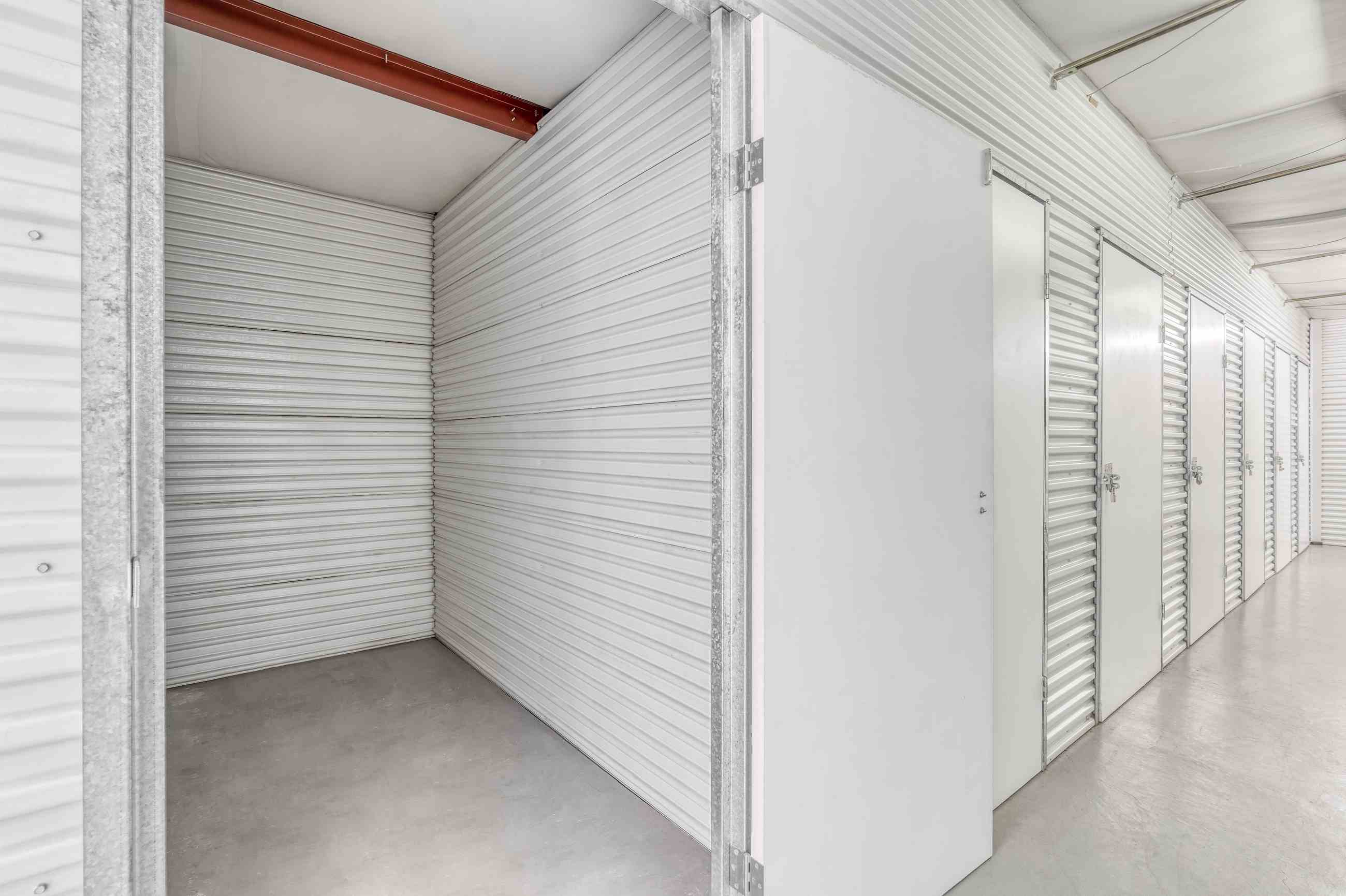
A 5x5 storage unit provides 25 square feet of floor space. This size may work for bins, boxes, bedding, books, clothing, a compact desk chair, and small approved appliances.
Rutgers residence halls commonly use twin XL beds, and Newark Student Affairs notes that a standard twin XL mattress is 80 inches long in its residence hall information. If you plan to store one, measure the mattress and the rest of your items before renting, then leave enough room to reach boxes you may need first in the fall. Use the Newark Student Affairs, 2026 residence hall details as a starting point, but always check the furniture provided in your own room.
A 5x10 storage unit provides 50 square feet of floor space. This size may be useful when two roommates are sharing a unit, when you have larger bins or compact furniture, or when you want more room to organize items without stacking everything tightly.
If roommates share a unit, agree on who holds the rental, how costs will be split, and when each person needs access. Label boxes by owner, keep frequently needed items near the front, and take photos before move-out so everyone knows what is stored.
Summer storage works best when items go into the unit clean, dry, and organized. New Jersey summers can be warm and humid; the New Jersey Weather and Climate Network provides local weather and climate data, including humidity conditions, through New Jersey Weather and Climate Network, 2026.
Climate-controlled storage may be useful for items such as books, electronics, bedding, photographs, and clothing because it can reduce exposure to temperature changes compared with non-climate-controlled spaces. It is still important to prep items properly before storage.
Use sturdy bins for heavier items, especially books and school supplies. Let mini-fridges defrost fully before move-out, wipe them dry, and keep the door slightly open if stored. Wash bedding and clothing before packing, avoid overfilling boxes, and do not store food, open snacks, damp items, hazardous materials, or anything prohibited by facility rules.
For student storage, the most useful details are simple: unit size, rental timing, route from campus, access window, and how easy the unit will be to use during move-out.
Month-to-month leases can help students rent only for the time they need. Online payments can make it easier to manage a unit from home or while traveling. Carts and dollies can help with stacked bins and boxes, and climate-controlled options may be worth comparing for books, electronics, and fabrics.
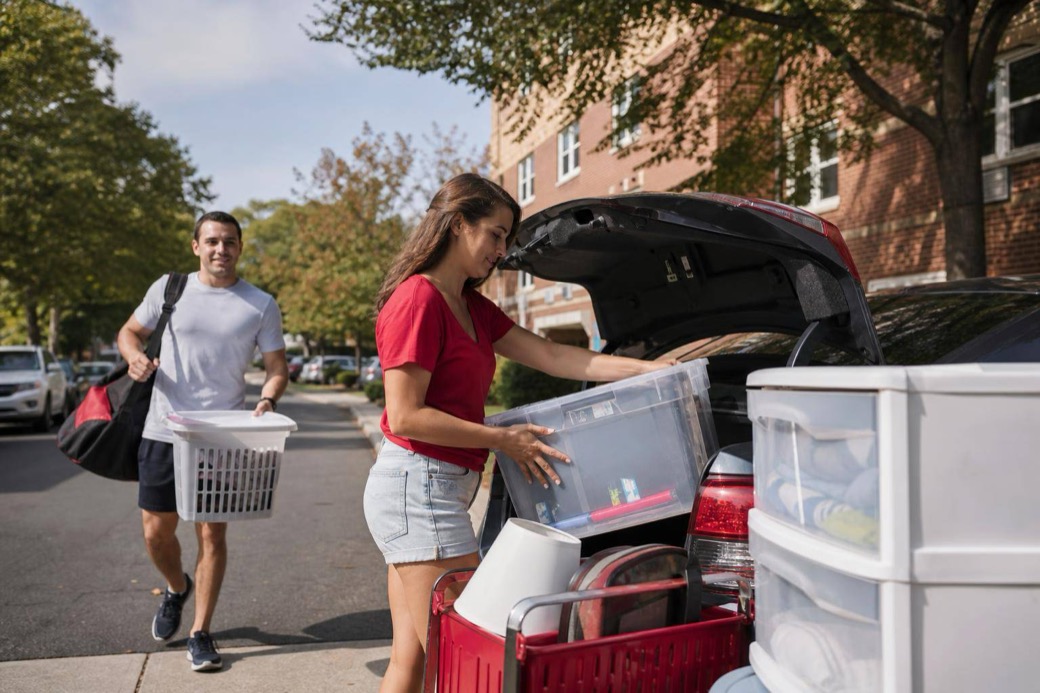
Students should also think through transportation before move-out day. Check whether a family vehicle is enough, whether a friend is helping, or whether a rental van is needed. Pack so the heaviest bins are not buried under fragile items, and keep chargers, documents, and essentials out of storage.

SecureSpace Self Storage Stelton-Piscataway is located at 1635 Stelton Road in Piscataway. Students should map the route from their specific residence hall, apartment, or campus location before move-out because traffic and starting point can change travel time.
Gate access is available daily from 6:00 AM to 10:00 PM, so schedule drop-offs and pickups during that window. If you are storing items with a roommate, make sure everyone understands the access plan before leaving campus.
The transition between academic years is easier when storage is planned before move-out week. Start by listing what you need to keep near campus, then compare whether a 5x5 or 5x10 unit makes more sense.
For Rutgers University or Middlesex College students comparing local options, SecureSpace Self Storage Stelton-Piscataway offers small-unit storage options, climate-controlled storage, month-to-month leases, and online payments. Review current availability and rental details before finals week so move-out feels more organized.
Pricing depends on unit size, unit type, availability, and current promotions. Students should review current online rates before renting and compare whether a 5x5, 5x10, or shared unit is the better fit.
Start comparing options several weeks before your move-out date if possible. Demand can increase around the end of the semester, so waiting until finals week may limit available unit sizes.
Students should check current Rutgers Residence Life guidance for their specific housing assignment. If campus storage is not available for your situation, a nearby self storage unit may help bridge the summer or semester gap.
SecureSpace Self Storage Stelton-Piscataway offers locker units as part of its available storage options. Availability can change, so review current unit options before planning around a locker.
Do not store food, perishables, hazardous materials, flammable liquids, live plants, damp items, or anything prohibited by facility rules. Appliances should be clean, dry, unplugged, and stored according to the facility's requirements.
Everything you need to store your belongings securely, on your schedule.
Visit us online