Last updated Aug 7, 2026
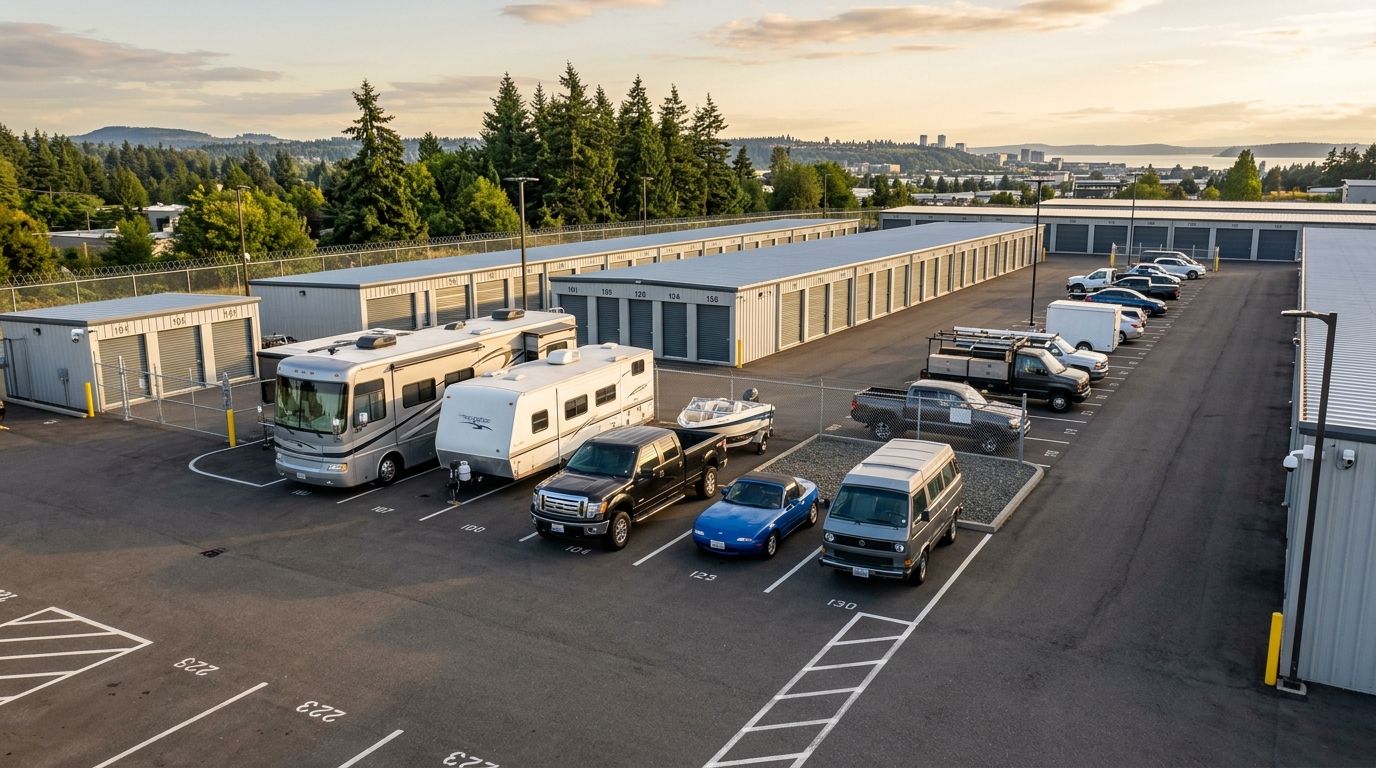
Finding enough room for an extra vehicle can be difficult when driveway space is limited, street parking is restricted, or a vehicle will remain unused during a move, deployment, or extended trip.
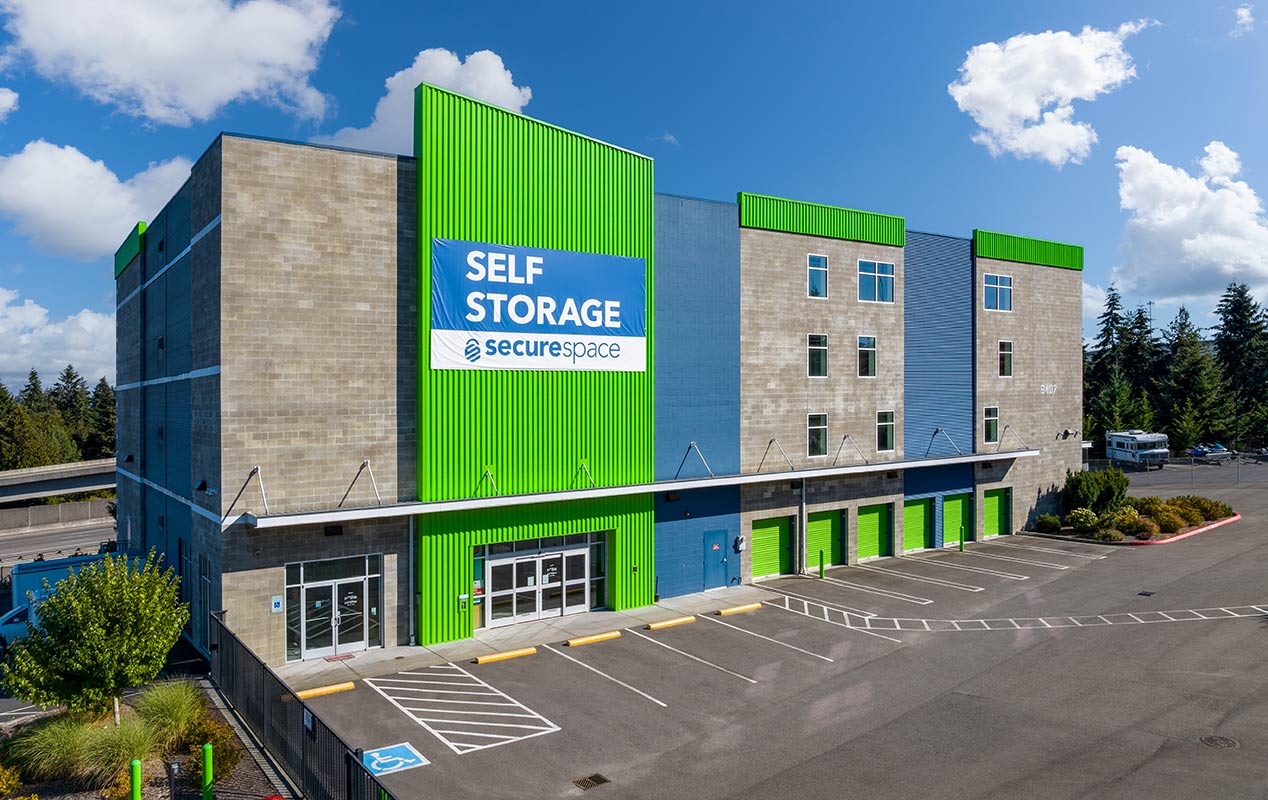
SecureSpace Everett offers outdoor parking for eligible cars, boats, RVs, and other approved motor vehicles. The right parking arrangement depends on the vehicle's dimensions, condition, documentation, and how frequently you need access.
This guide explains how outdoor vehicle storage works, what facility features to review, and how to prepare before parking your vehicle.
Off-site parking may be useful when:
A driveway has limited room
Street parking is restricted
A landlord limits additional vehicles
Neighborhood rules affect vehicle parking
A household owns more vehicles than it can accommodate
A driver is preparing for a deployment or extended trip
A move creates a temporary parking need
A car, boat, or RV is used seasonally
Parking rules vary by property and jurisdiction. Review current city requirements, lease terms, and applicable neighborhood or association rules before deciding where to keep a vehicle.
SecureSpace Everett offers outdoor parking for eligible approved motor vehicles.
Outdoor parking provides a designated space at the facility, but it does not create an enclosed, covered, heated, or climate-controlled environment. Vehicles remain exposed to rain, sunlight, wind, temperature changes, airborne debris, and other outdoor conditions.
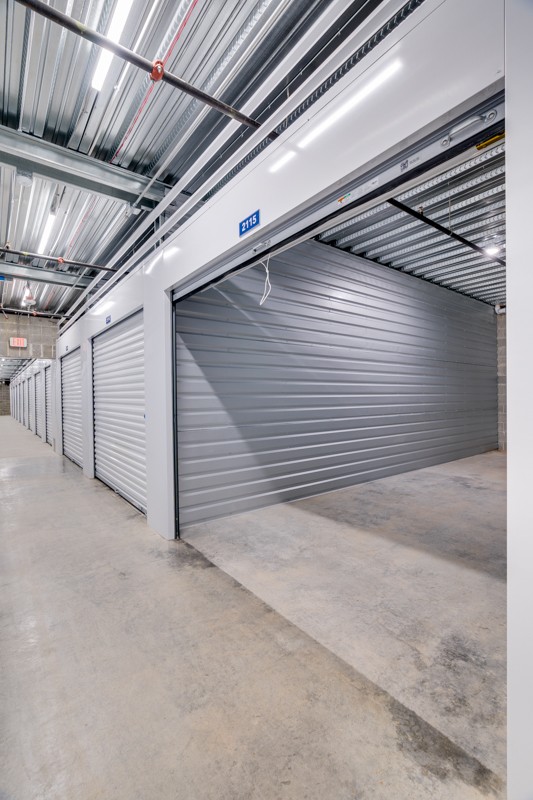
Covered parking is not available at this facility. Vehicles also cannot be stored inside drive-up storage units.
Before renting, confirm that the available parking space is appropriate for the specific vehicle.
SecureSpace Everett may offer outdoor parking for eligible:
Passenger cars
Boats
RVs
Other approved motor vehicles
Eligibility may depend on:
Overall vehicle dimensions
Mirrors, racks, hitches, and other projections
Registration and insurance documentation
Vehicle condition
Operability
Facility rules
Current availability
Maneuvering requirements
Measure the complete vehicle rather than relying only on its model description. Include anything attached to the front, rear, roof, or sides.
Do not assume that trailers, campers, commercial trucks, heavy equipment, or unusual vehicle configurations are eligible. Confirm the exact vehicle type before completing a rental.
Outdoor parking and indoor storage units are different products.
Outdoor parking may provide a consistent off-site location for an eligible car, boat, RV, or other approved motor vehicle.
It does not guarantee protection against weather exposure, theft, vandalism, pests, leaks, fading, corrosion, mechanical deterioration, or other damage.
Vehicles cannot be stored inside drive-up units at SecureSpace Everett.
Do not rent a storage unit with the expectation that it can serve as an enclosed garage for a car, motorcycle, truck, RV, boat, or other vehicle.
Covered vehicle parking is not available at this location.
Customers seeking an overhead canopy or enclosed parking environment will need a different storage configuration elsewhere.
Vehicle preparation should follow guidance from the manufacturer.
Fluids, batteries, tires, fuel systems, electronics, seals, and maintenance requirements vary by vehicle type and expected parking duration. A procedure that works for one vehicle may not be appropriate for another.
General preparation considerations may include:
Cleaning and drying the exterior
Removing food, trash, and unnecessary belongings
Reviewing fluid and maintenance needs
Checking tire condition and pressure
Following manufacturer battery guidance
Inspecting for leaks
Securing removable accessories
Selecting a suitable outdoor cover
Keeping registration and insurance current
Recording the vehicle's condition
Consult a qualified technician when the appropriate preparation is unclear.
Remove food, trash, dirt, damp materials, and unnecessary belongings before parking.
Clean the exterior and interior using products suitable for the vehicle's materials. Allow upholstery, floor mats, storage compartments, and other surfaces to dry completely.
Do not leave medications, sensitive documents, or irreplaceable belongings inside the vehicle.
For boats and RVs, empty food-storage areas and remove materials that may attract pests or create odors.
Check the manufacturer's recommendations for extended parking.
Depending on the vehicle, preparation may involve fluid inspection, fuel-system care, battery management, winterization, or other maintenance. Boats, RVs, electric vehicles, and conventional passenger cars may have substantially different requirements.
Do not add chemicals, drain systems, disconnect components, or change fluid levels solely on the basis of general online advice.
Address visible leaks, warning indicators, or overdue maintenance before moving the vehicle into outdoor storage.
Review the recommended tire pressure and inspect the tires for visible damage before parking.
The appropriate approach to battery care depends on the vehicle. Disconnecting a battery, using a maintainer, or leaving a vehicle inactive may affect electronic systems, warranties, or manufacturer settings.
Electrical hookups are not a confirmed feature at SecureSpace Everett. Do not connect chargers, maintainers, extension cords, or other powered equipment without permission.
Follow manufacturer guidance or consult a qualified technician.
A suitable cover may help limit exposure to dust and airborne debris, but it does not guarantee protection from outdoor conditions.
Choose a cover intended for the vehicle and expected environment. Follow the cover manufacturer's instructions for fit, ventilation, fastening, and use.
An unsuitable or poorly secured cover may shift, trap existing moisture, or rub against the vehicle's finish.
Confirm that covers are permitted under the facility's parking rules before using one.
Outdoor parking does not remove the need for routine inspections and maintenance.
Before leaving the vehicle:
Confirm that doors, windows, hatches, and compartments close properly
Remove damp materials
Check for existing leaks
Secure removable accessories
Remove unnecessary valuables
Photograph the vehicle's condition
Keep registration and insurance information current
Follow manufacturer guidance for tires, fluids, and batteries
Inspect the vehicle periodically when practical. Address leaks, tire concerns, pest activity, battery issues, or exterior damage promptly.
Measure the vehicle and verify the dimensions of the available parking space.
Allow for mirrors, hitches, racks, ladders, mounted equipment, and other accessories. Consider the room needed to enter, exit, turn, and position the vehicle safely.
Do not assume that every parking space will accommodate every vehicle configuration.
Inspect the actual parking area rather than relying only on a general facility description.
Consider:
Turning and maneuvering room
Nearby parked vehicles
Parking-surface conditions
Drainage
Access to the assigned space
Clearance around attached accessories
The layout should be evaluated with the vehicle's full dimensions in mind.
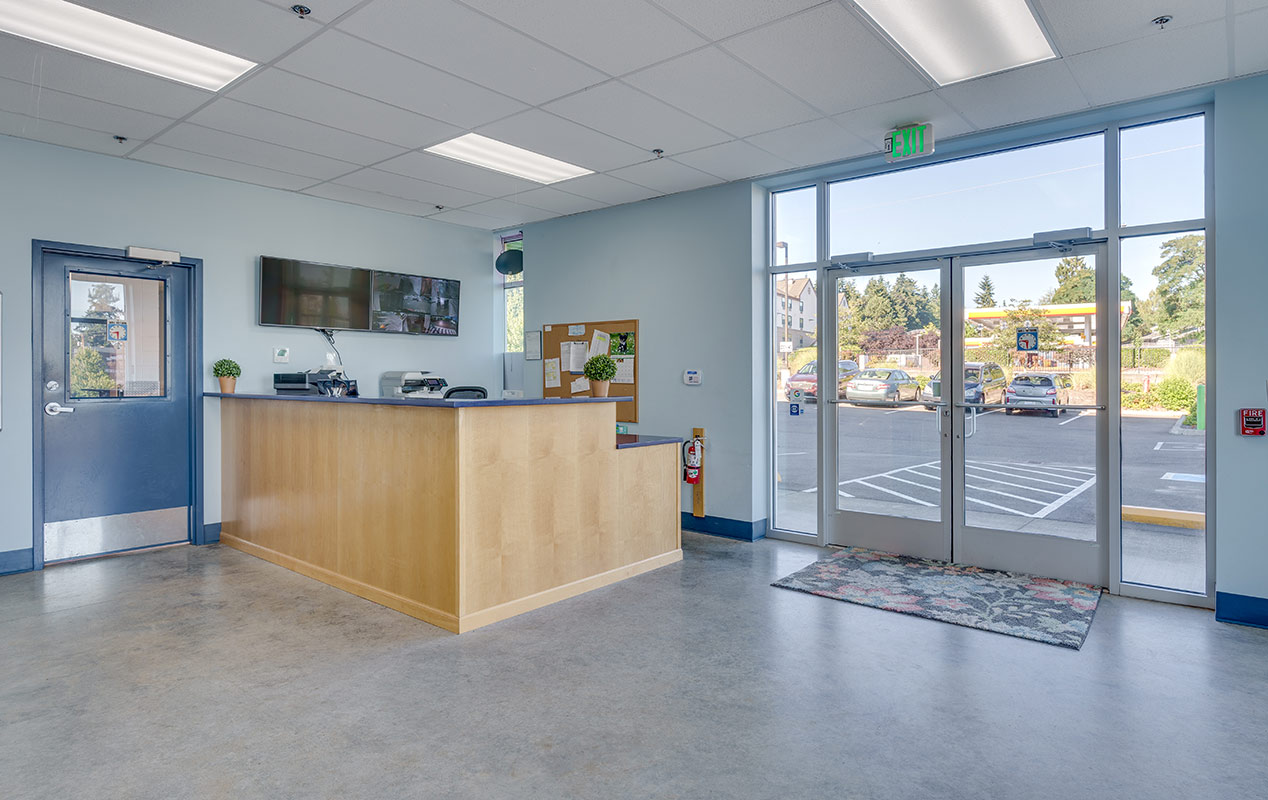
SecureSpace Everett provides daily gate access from early morning into the evening.
Manager hours are separate from gate-access hours, so review the current schedule before planning to park or retrieve a vehicle.
Access is not available around the clock.
Vehicle parking may require current documentation.
Before arriving, verify whether the facility needs:
Registration
Insurance information
Identification
Vehicle photographs
Proof of ownership or authorization
Emergency contact information
Additional vehicle details
Keep required documents current throughout the rental period.
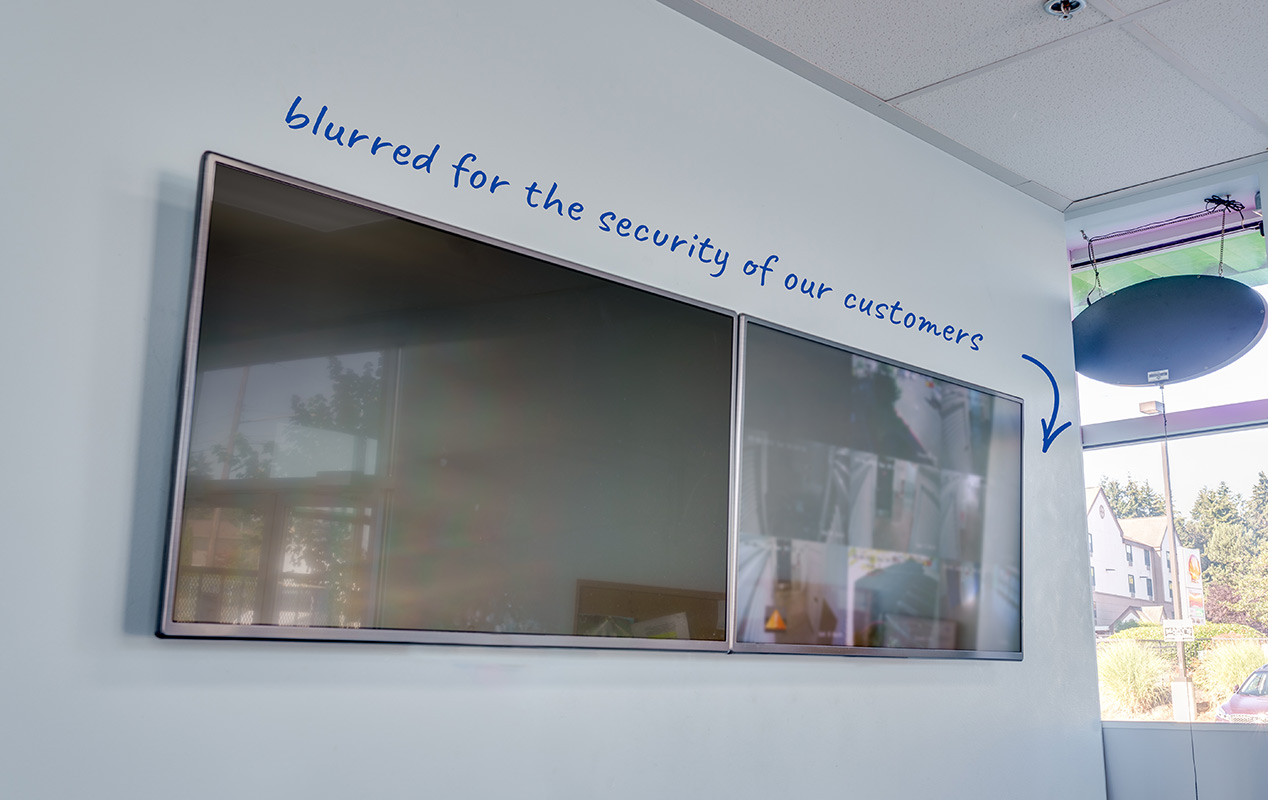
Confirmed security features include:
An access gate
Digital video recording
Logged access
Overnight surveillance
Touchless computer-controlled access
Turing-enabled monitoring
These features support facility access and monitoring procedures but cannot guarantee protection against theft, vandalism, loss, or damage.
Vehicle owners should secure the vehicle appropriately, protect access credentials, remove unnecessary valuables, maintain suitable insurance, and document its condition.
SecureSpace locations offer month-to-month leases.
This arrangement may suit moves, deployments, extended travel, seasonal vehicle use, or changing household parking needs.
Month-to-month leasing does not eliminate:
Billing obligations
Notice requirements
Rate terms
Coverage requirements
Late-payment provisions
Access policies
Move-out conditions
Review the rental agreement before parking the vehicle and ask about any terms that are unclear.
SecureSpace Everett offers online rental, online payments, electronic payment options, and touchless move-in.
These tools may simplify portions of the rental process, but vehicle eligibility and current parking availability still need to be confirmed.
Before completing a rental, verify:
The assigned parking type
Vehicle eligibility
Current availability
Rental rate
Promotional terms
Additional charges
Documentation requirements
Access procedures
Notice requirements
Move-out procedures
Do not rely on an old price, previous promotion, or third-party listing.
Insurance requirements vary by insurer, lender, registration status, vehicle type, and intended storage period.
Do not cancel or reduce coverage based solely on general storage advice. A financing agreement or registration requirement may call for particular coverage even when the vehicle is not being driven.
Contact the insurer and any lienholder before modifying a policy. Confirm that the vehicle meets both facility and insurance requirements throughout the rental period.
Deployments, temporary assignments, and housing changes may create off-site parking needs.
Service members should confirm whether the parking arrangement complies with applicable orders, reimbursement rules, insurance requirements, and command guidance.
Keep registration, insurance, access information, and emergency contact details current. Arrange for an authorized person to inspect or retrieve the vehicle when necessary.
Parking availability should not be assumed until the vehicle has been reviewed and a suitable space is confirmed.
A vehicle may need temporary parking while a household changes residences, prepares a property for sale, or waits for parking to become available at a new home.
Before moving the vehicle off-site:
Confirm parking access at the new residence
Review neighborhood and lease restrictions
Remove belongings that should not remain in the vehicle
Photograph the interior and exterior
Record existing damage
Confirm who is authorized to access it
Review the facility's move-out requirements
A parking space should not be used as a workshop, repair area, sales lot, customer pickup location, or active business space.
Boats and RVs may require preparation beyond the steps used for a passenger car.
Follow the manufacturer's guidance for:
Water systems
Plumbing
Batteries
Appliances
Fuel systems
Tires
Seals
Covers
Mounted equipment
Seasonal maintenance
Do not assume that water, drainage, electricity, or maintenance services are available at the facility.
Confirm eligibility and preparation requirements before bringing a boat or RV to the property.
Before operating a vehicle that has remained parked for an extended period, follow the manufacturer's return-to-service guidance.
Consider checking:
Tire condition and pressure
Fluid levels
Visible leaks
Battery condition
Warning indicators
Brakes
Lights and signals
Signs of pest activity
Registration and insurance status
Remove covers and temporary obstructions before starting or moving the vehicle.
Consult a qualified technician when the vehicle has been parked for a prolonged period or its condition is uncertain.
SecureSpace Everett offers outdoor parking for eligible cars, boats, RVs, and other approved motor vehicles, subject to current availability and facility rules.
Vehicle dimensions, documentation, condition, operability, and maneuvering requirements may affect eligibility.
No. Vehicles cannot be stored inside drive-up units at SecureSpace Everett.
No. Covered parking is not available at this facility.
Outdoor vehicle parking remains exposed to weather conditions.
No. Vehicles, including motorcycles and scooters, cannot be stored inside drive-up units.
Motorcycle eligibility for outdoor parking should be confirmed before renting.
Do not assume that trailers, campers, commercial trucks, or heavy equipment are eligible.
Confirm the exact vehicle type, dimensions, documentation, and facility requirements before renting.
Electrical hookups are not a confirmed facility feature.
Do not connect a charger, battery maintainer, extension cord, or other powered equipment without facility permission.
No. Outdoor parking provides a designated space but does not prevent exposure to rain, sunlight, wind, temperature changes, or other outdoor conditions.
Manufacturer-guided preparation, regular inspection, insurance, and ongoing maintenance remain important.
Yes. SecureSpace locations offer month-to-month leases.
Billing, notice, rate, access, and move-out terms still apply.
SecureSpace Everett offers online rental and touchless move-in options.
Review current availability, vehicle eligibility, parking details, and rental terms before completing the process.
No facility or parking arrangement can guarantee protection against theft, vandalism, weather exposure, mechanical deterioration, pests, loss, or damage.
Manufacturer-guided preparation, routine maintenance, suitable security measures, current insurance, and periodic inspections can help reduce avoidable risks.
The right parking arrangement depends on the vehicle's dimensions, condition, documentation, and how frequently you need access.
Measure the vehicle, follow manufacturer storage guidance, review applicable parking rules, and confirm current availability before renting.
View available units and reserve your space today.
Everything you need to store your belongings securely, on your schedule.
Visit us online