Last updated Jul 24, 2026
Finding extra space in Seattle is tough. Between Puget Sound, Lake Washington, and the steep hills, the city has nowhere to grow but up-and that squeeze shows up in your apartment. The average new Seattle apartment is just 659 square feet, the smallest in the country, according to KING 5 News. When your studio can barely hold your couch, where do you keep the skis, the boxes of off-season clothes, and the gear you don't use every day?
That's where indoor storage comes in. But not all storage is created equal. In a city with frequent rain and compact housing, the type of unit you choose can affect how easy it is to store household items, seasonal gear, and furniture. This guide breaks down why indoor storage matters in Seattle, what to look for, and how to pick a unit that fits your needs.
Seattle's weather is one reason people search for indoor storage instead of outdoor options. The city is more humid than many people realize, according to Seattle Green Maids, and the wet season can make packing and move-in planning more important.
That kind of weather does not mean every item needs a specialized storage environment. It does mean you should store thoughtfully. Make sure belongings are clean and fully dry before packing them away, use sturdy containers where appropriate, and avoid sealing damp clothing, furniture, or outdoor gear inside boxes.
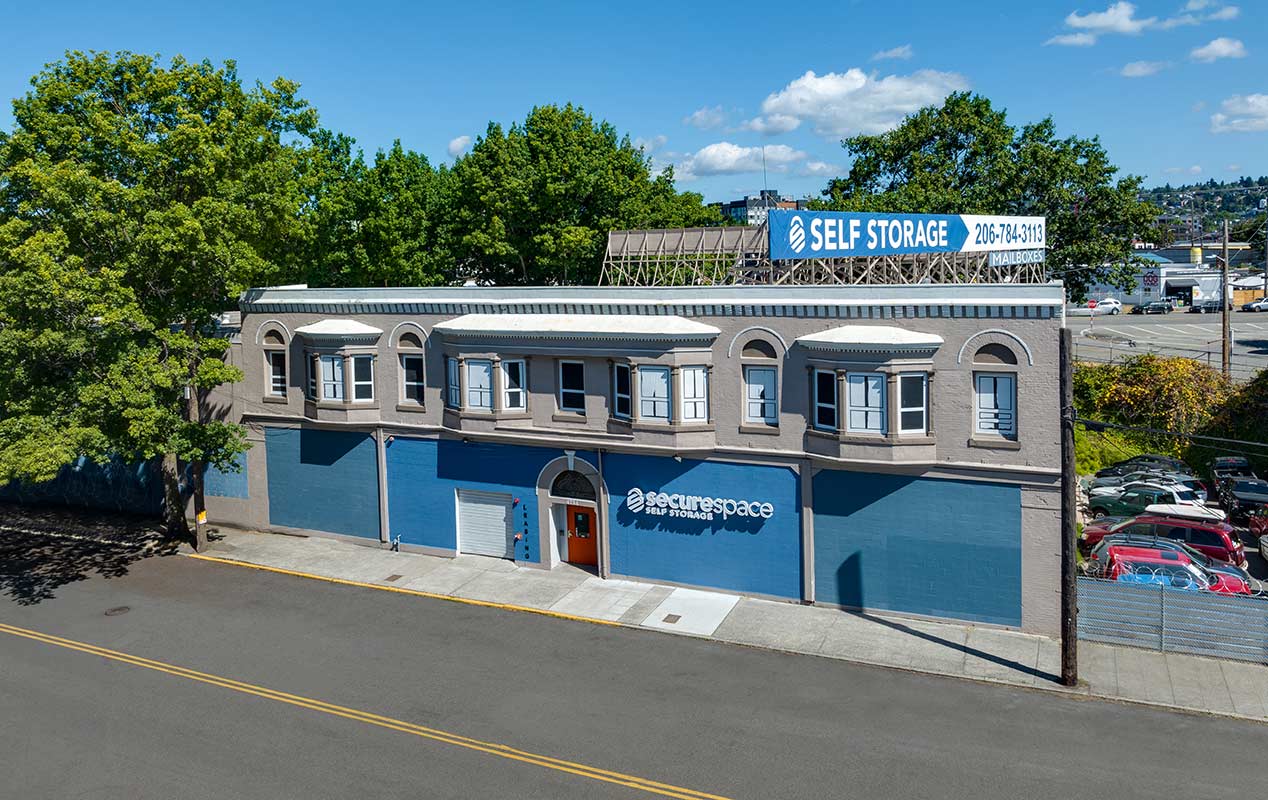
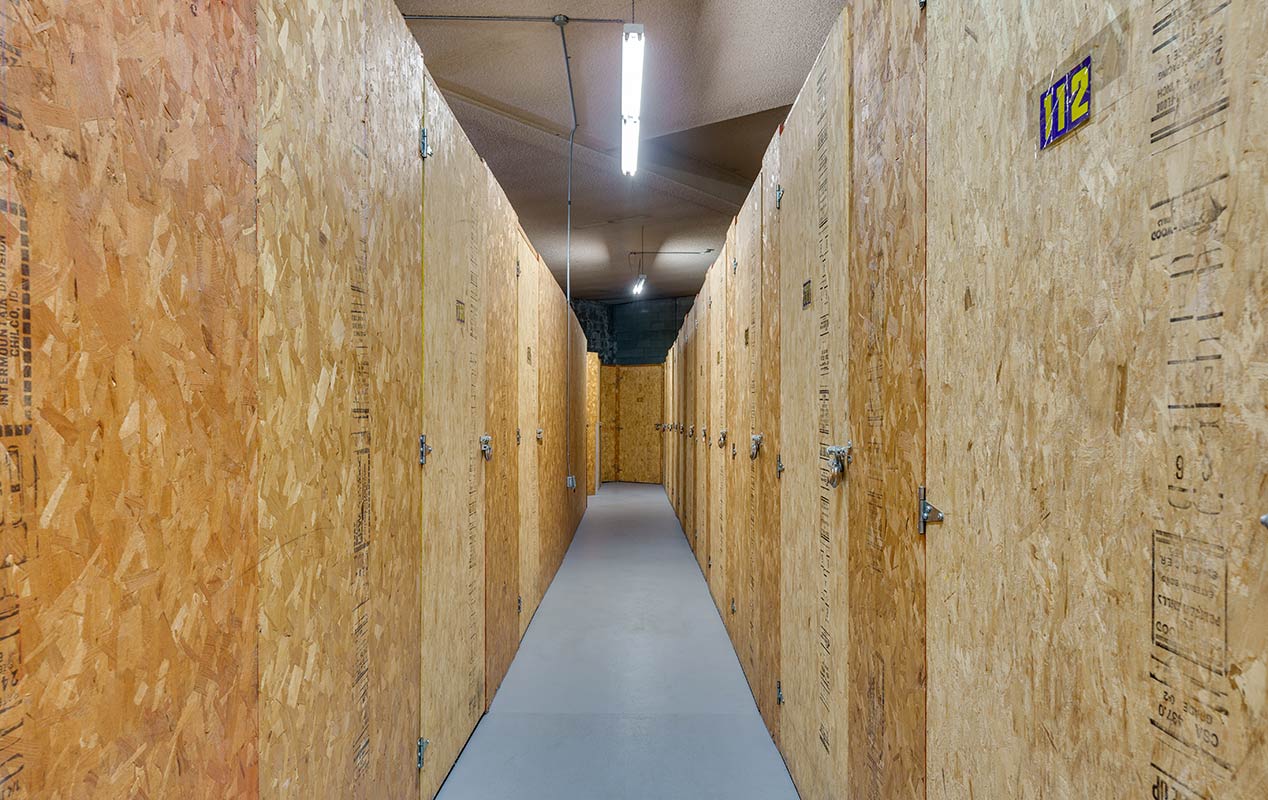
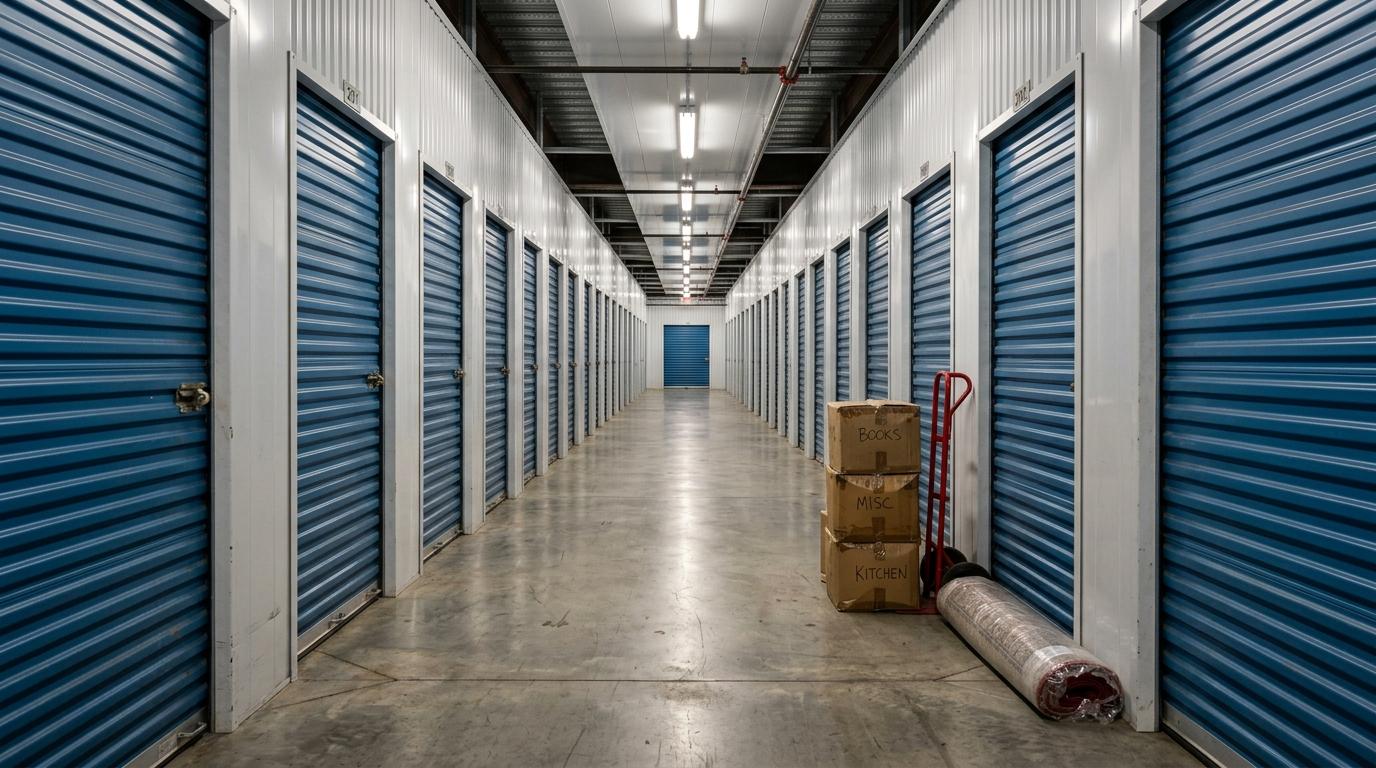
Indoor storage can also make move-in more comfortable during rainy months. Instead of loading directly into an outdoor unit, indoor storage usually places units inside a building, often with interior hallways and other facility-specific access features.
Both options have their place, but they serve different needs. Here's how they compare for Seattle renters.
Indoor units are located inside a storage building. Depending on the facility, they may include heated storage, elevator access, carts and dollies, and other moving conveniences. Indoor storage can be useful for household goods, boxes, furniture, clothing, and seasonal items that fit inside a rented unit.
Outdoor units are often arranged along drive aisles and may be better suited for items that can handle more exposure during loading and unloading. Availability, access style, and unit features vary by facility, so always check the specific location before renting.
If you're storing household items, boxed belongings, furniture, or seasonal gear in Seattle, an indoor unit can be a practical choice. If price is the only priority and your items are durable, an outdoor unit may be enough, depending on the facility and what you're storing.
Security features matter for Seattle renters, but it is better to look for specific facility features than broad promises. A storage facility cannot guarantee protection, but it can offer tools and procedures that help manage access and monitoring.
Property crime is a real concern for many Seattle residents, and storage facilities are not immune. Local news has reported incidents involving storage break-ins, including one covered by FOX 13 Seattle. A single incident does not define every facility, but it is a good reminder to review security features before renting.
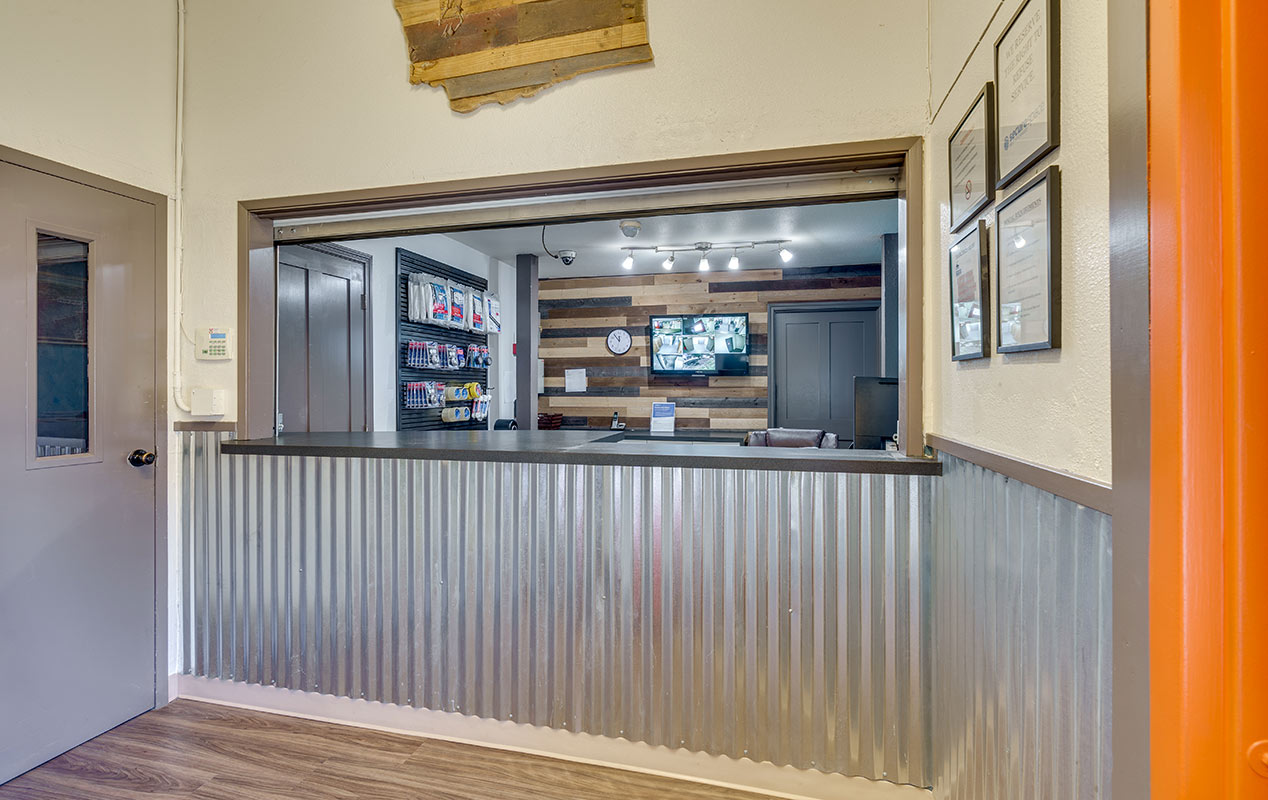
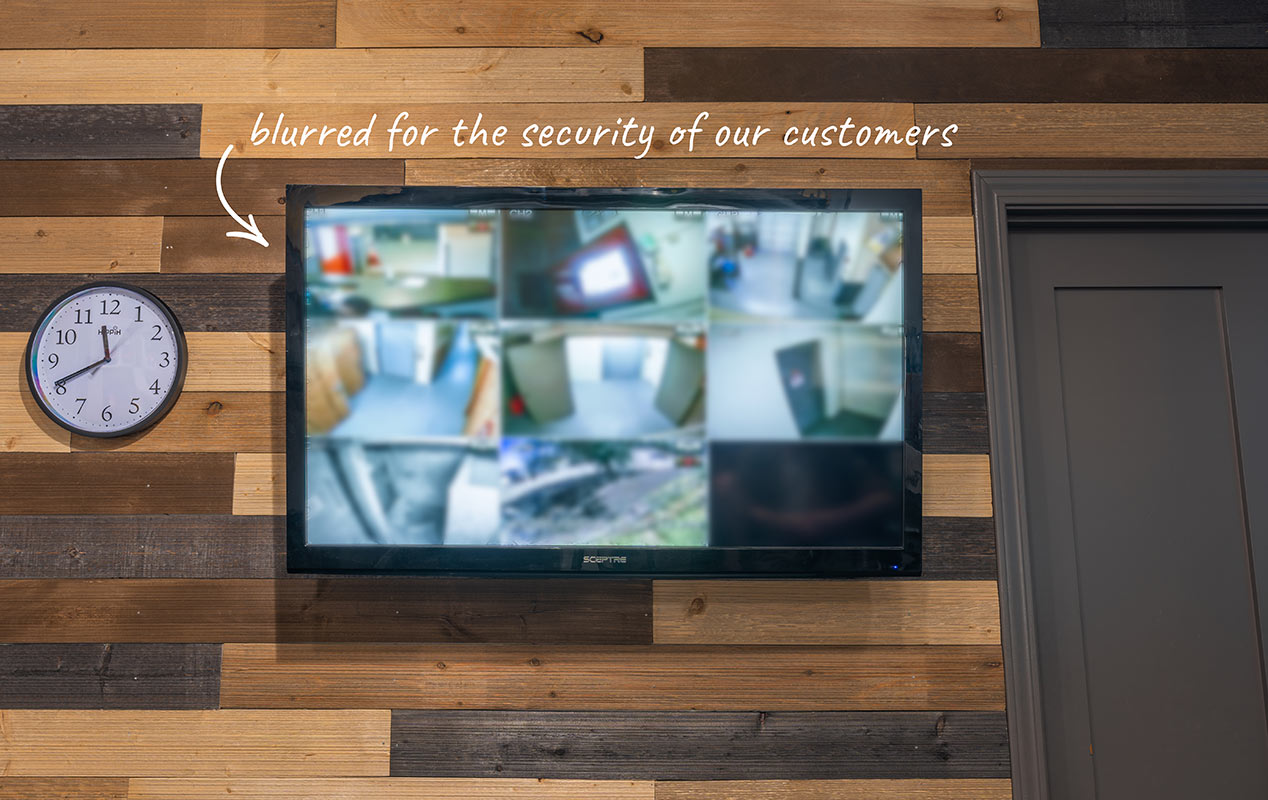
When comparing facilities, look for clearly listed features such as digital video recording, logged access, monitored entry procedures, and staff availability. Avoid relying on vague language alone.
One more thing worth checking: coverage. Facility protection plans, tenant insurance, and renter's insurance can vary widely. AMAROK highlights several storage-security considerations, but customers should review their own policy details and coverage limits before storing higher-value items.
Picking the right size saves you money and hassle. You never want to pay for space you won't use. Here's a quick guide to common indoor unit sizes.
A 5x5 or 5x10 unit can work well for boxes, seasonal clothing, small furniture, and recreational gear that fits inside the rented space. These sizes are often useful for studio and one-bedroom apartment overflow.
A 10x10 unit can fit many one-bedroom apartment storage needs, depending on furniture size, box count, and how efficiently everything is packed.
A 10x25 unit can be useful for larger household storage needs, business inventory, furniture, or items from a bigger move. Availability varies by facility, so check current options before planning around a specific size.
If you're unsure, it can help to size up slightly or ask the facility for a size guide. A little extra room can make it easier to organize boxes and reach items later.
Because many Seattle storage buildings are built upward, your unit may be on a higher floor. That does not have to be a problem if the facility has the right moving features.
Look for elevator access, carts, dollies, and clear loading procedures. These details can make a big difference when you're moving boxes, mattresses, furniture, or business inventory through the building.
When comparing facilities, confirm elevator availability and whether carts are provided. These small details can save time on move-in day.
Beyond the unit itself, a few features can make your experience much smoother.
Heated indoor storage can be useful in Seattle, especially during colder months. It can help reduce exposure to cold conditions compared with non-heated spaces, though customers should still pack items carefully and follow facility guidelines.
Look for practical moving features such as elevator access, carts, dollies, and clear access hours. If you need a specific loading setup, confirm it with the facility before move-in day.
Review the facility's listed security features. Digital video recording, logged access, monitoring tools, and staff availability can all be useful, depending on the location.
Location matters more than you might think. Seattle traffic and the city's bridges can turn a short trip into a long one, so picking a facility close to home or along your regular route is worth prioritizing.
Month-to-month leases can help if your storage needs change. They are especially useful for moves, renovations, student storage, and short-term household overflow.
Plenty of life moments call for extra space. You might consider indoor storage if you're:
Moving to a new apartment or downsizing
Renovating your home and need to clear a room
Storing seasonal gear, holiday decorations, or household overflow
Decluttering before selling your home
Managing inherited furniture or belongings while you decide what to keep
In a city where square footage is at a premium, an indoor unit can act like an off-site closet-an extension of your home for items you do not need every day.
Seattle's compact housing and frequent wet weather make indoor storage a practical option for many renters, homeowners, students, and businesses. When you're comparing options, focus on unit size, indoor access, security features, location, and flexible terms.
Pick a facility that fits your routine and your storage needs, and you'll have a more organized place for the items that do not fit comfortably at home.
Some indoor storage facilities in Seattle offer heated units. Heated storage can be useful during colder months, but availability varies by facility. Always confirm the exact unit features before renting.
Prices vary widely by size, location, availability, and current promotions. Smaller units usually cost less, while larger indoor or feature-specific units may cost more. Check current rates before reserving.
For many Seattle renters, yes. Indoor storage can make move-in easier during wet weather and may offer building-based access features. Outdoor units may still work for durable items, depending on the facility and what you're storing.
It depends on the facility. Some indoor facilities offer building access, elevator access, carts, dollies, or other moving conveniences that can help during rainy weather. Confirm the current loading and access setup before move-in day.
Start by estimating how much you're storing. A 5x5 suits boxes and small items, a 5x10 can work for apartment overflow, a 10x10 fits many one-bedroom storage needs, and a 10x25 can help with larger household items or business inventory. If you're unsure, size up slightly or ask the facility for a size guide.
Ready to find indoor storage in Seattle? Review available units and current move-in options at SecureSpace Self Storage in Seattle.
Everything you need to store your belongings securely, on your schedule.
Visit us online