Last updated Jul 2, 2026

Relocating in the Lakewood area is rarely simple. Proximity to Joint Base Lewis-McChord means many families move in and out of the South Puget Sound region each year, while local buyers, renters, and workers may be coordinating timelines across Tacoma, Lakewood, JBLM, and the Seattle corridor.
The challenge is finding a moving company that fits your timeline, budget, and level of service. This guide explains what to look for in a Lakewood-area mover, how to check licensing, what questions to ask before booking, and how storage can help when move-out and move-in dates do not align.
Before comparing companies, it helps to know what to look for. A strong mover should be properly licensed, clear about pricing, willing to provide written estimates, and transparent about what is included in the service.
Most importantly, any legitimate household-goods mover operating in Washington should be checked through the Washington Utilities and Transportation Commission (UTC). The UTC regulates residential moving companies in the state and provides consumer guidance for choosing a licensed mover.
You can also verify any mover's permit status before signing a contract. That step is worth taking even if a company has good reviews or appears in search results.
The right mover depends on the kind of move you're planning. Some customers need a full-service crew. Others only need loading help for a rental truck. Military families may need a company familiar with PCS timelines, while customers with delicate furniture or specialty items may need more detailed service planning.
Here are a few types of movers Lakewood customers may compare.
Full-service movers typically provide the truck, crew, loading, transport, and unloading. Some also offer packing, unpacking, and specialty handling. This option may be useful if you're moving a full household, relocating from outside Pierce County, or trying to reduce the amount of physical work on moving day.
Before booking, ask whether the mover is licensed for your move type, how estimates are calculated, whether packing materials are included, and what happens if the schedule changes.
Labor-only movers can help load or unload a rental truck, portable container, or storage unit. This option can work well for budget-conscious local moves, DIY moves, or situations where you already have transportation handled.
Because labor-only arrangements can vary, confirm who provides the truck, what equipment the crew brings, whether stairs or heavy items cost extra, and whether the service includes liability coverage.
Military moves can involve tight timelines, changing housing availability, and shipment schedules that do not always line up neatly. Orders may involve official systems such as Human Resources Command (HRC), and families often need to coordinate reporting dates, housing, shipments, and local transportation at the same time.
Resources like the National Military Family Association can help families understand broader military-life challenges, but service members should confirm move options and reimbursement rules with their transportation office before making decisions.
If you need help moving a piano, antique furniture, artwork, large appliances, fitness equipment, or other delicate items, ask movers directly about their experience, equipment, and coverage options. Do not assume every local mover handles specialty items the same way.
Get the details in writing before move day, including how the item will be packed, loaded, transported, and covered if damage occurs.
Hiring the wrong mover can turn an already stressful day into a much bigger problem. The UTC and other consumer-protection resources recommend checking licensing, getting written estimates, and avoiding unclear contracts.
The UTC has also taken enforcement action against movers that violate safety and consumer-protection rules, including a 2026 case where it issued over $15,600 in penalties to a moving company for safety violations.
Here are practical red flags to watch for:
No UTC permit or refusal to provide licensing information
Estimates that are unusually low or only given by phone
Pressure to sign quickly before you can review the terms
Blank documents or forms with missing fields
Unclear policies for damage, delays, stairs, heavy items, or extra fees
Confusion about who provides the truck, labor, equipment, or insurance coverage
Always verify licensing before signing, get pricing in writing, and keep copies of your estimate, bill of lading, and inventory documents.
The PCS process is different from a typical civilian move. Military families may be working around official orders, reporting dates, temporary lodging, school calendars, base housing, and shipment timelines.
If a government-arranged move changes or a contractor delay affects your schedule, contact your transportation office before making alternate plans. Personally Procured Move options, storage reimbursement, and other arrangements can depend on current policy and your specific orders.
For many JBLM-area families, the biggest issue is timing. Household goods may arrive before housing is ready, or a family may need temporary storage while waiting for an apartment, rental home, or base housing timeline to settle.
Whether you're a military family waiting on housing or a civilian caught between a closing date and a move-in date, there may be a window where belongings need a temporary place to go. This is often the storage gap.
A storage unit can help when:
Your move-out date comes before your new place is ready
You need to stage a home for sale
You are waiting on base housing or temporary lodging
You need to unload a moving truck before the final move-in date
You want to move in phases instead of doing everything in one day
Planning storage before moving day can reduce last-minute decisions and help keep boxes, furniture, and household items grouped in one place.
Moving costs vary based on distance, crew size, time, packing needs, stairs, heavy items, and whether the move is local or long-distance.
Local moving rates are often calculated hourly. According to moveBuddha's 2026 data, Washington moving costs can provide a general benchmark, but your actual price may be higher or lower depending on the company and move details.
Before booking, request written estimates from more than one mover. Ask whether the quote includes travel time, fuel, packing materials, stairs, long carries, disassembly, reassembly, specialty items, and storage stops.
Some storage facilities are better suited for move-in logistics than others. If you're using a box truck, semi-truck, or large moving vehicle, confirm access with the facility before move day.
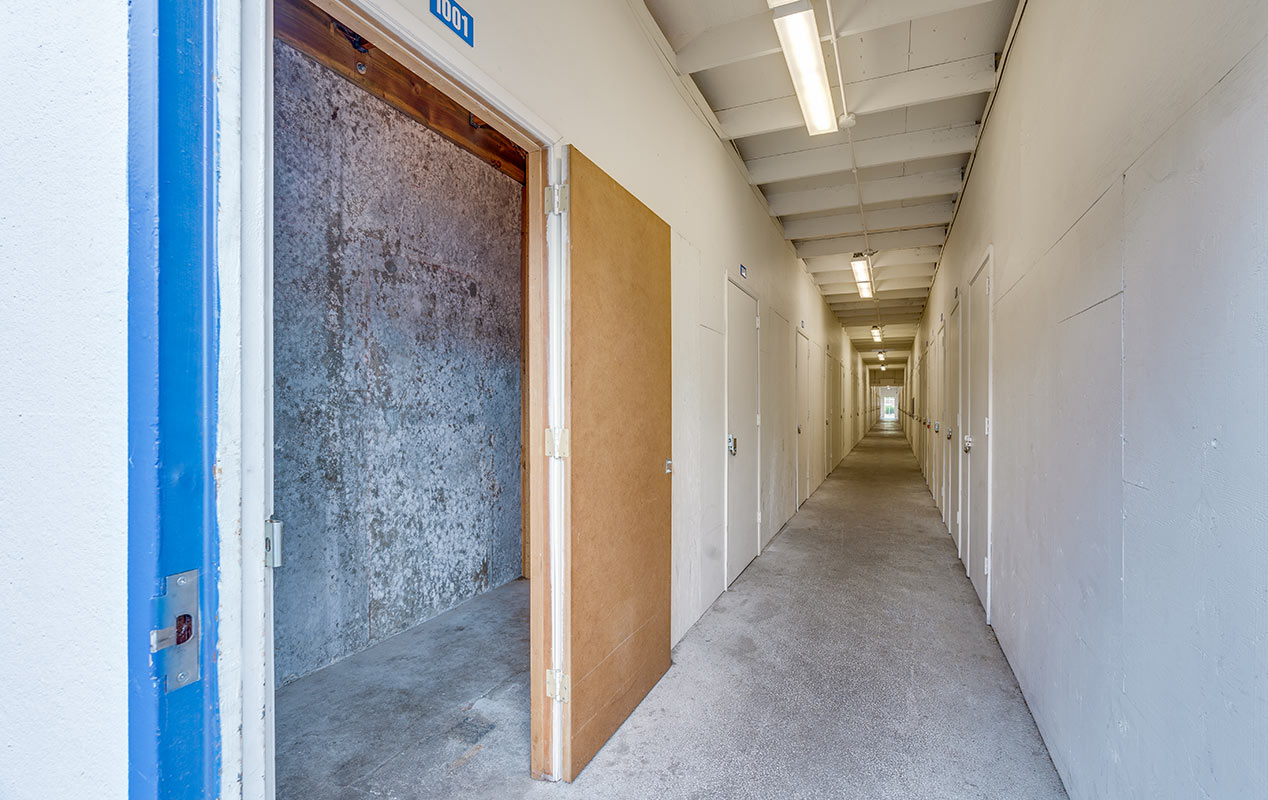
SecureSpace Self Storage Lakewood offers semi-truck accessibility, drive-up units, carts and dollies, and daily gate access from 6:00 AM to 9:00 PM. That can help when unloading household goods into storage during a move.
Outdoor parking is also available for eligible vehicles, boats, and RVs. Confirm current availability, size fit, documentation requirements, and facility rules before renting parking.
Use the Washington UTC's mover resources to check permit status before booking. You can also call the UTC at 1-888-333-9882 or use its online verification tools to confirm whether a mover is authorized.
Local moving rates are often hourly, but the total cost depends on crew size, time, distance, packing, stairs, specialty items, and other move details. moveBuddha's 2026 Washington moving-cost data can provide a general benchmark, but you should request written estimates from multiple movers before choosing one.
Contact your transportation office and follow the guidance tied to your orders before making alternate arrangements. If you are considering a Personally Procured Move or temporary storage, confirm current reimbursement rules and documentation requirements first.
Labor-only movers usually provide the crew to load or unload your rental truck, container, or storage unit. Full-service movers typically provide transportation, loading, unloading, and sometimes packing. Labor-only service can be more affordable, while full-service moving may be more convenient for larger or more complicated moves.
Yes. A storage unit can help bridge the gap if your moving truck arrives before your home is ready, if your closing date shifts, or if you need to move in phases. Month-to-month storage is especially useful when your timeline is uncertain.
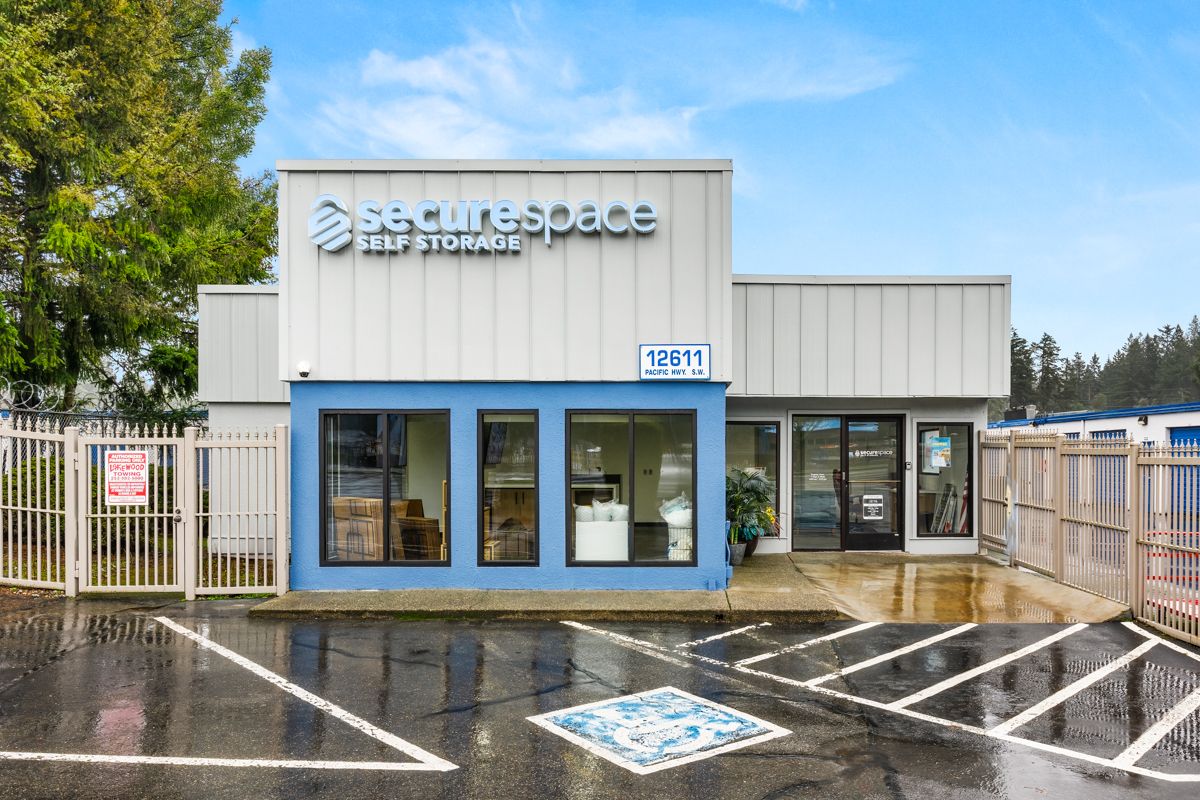
Once your mover is booked, the next step is making sure your belongings have a practical place to go if the timeline changes. SecureSpace Self Storage Lakewood is located at 12611 Pacific Highway Southwest and offers self storage, drive-up units, outdoor parking, carts and dollies, month-to-month leases, online payments, ACH and credit card payment plans, and daily gate access from 6:00 AM to 9:00 PM.
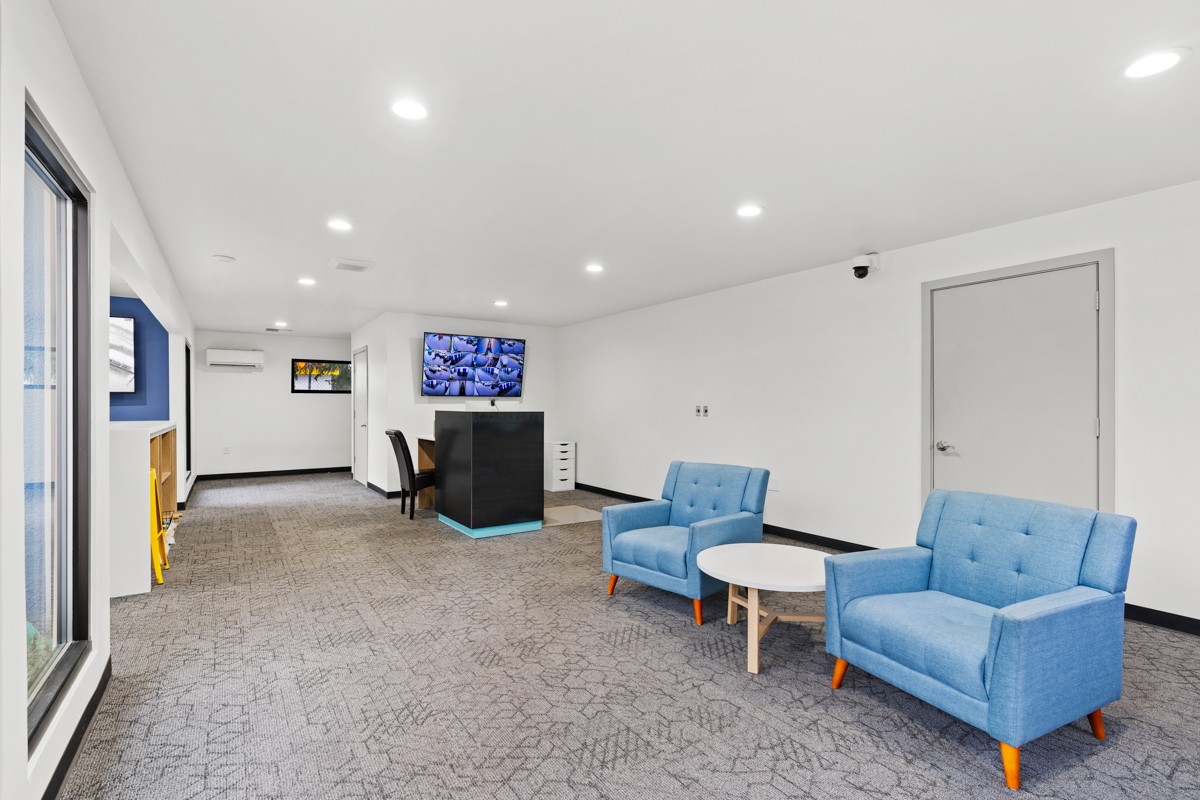
Security features include an access gate, digital video recording, logged access, overnight surveillance, touchless computer-controlled access, and Turing Enabled monitoring. Customers should also use a quality lock, keep an inventory, and review coverage options before move-in.
Review current rental details for storage units at SecureSpace Lakewood.
Everything you need to store your belongings securely, on your schedule.
Visit us online