Last updated Jul 31, 2026

Moving within or to Mililani requires more planning than simply hiring a truck and choosing a date. This meticulously planned community on central Oahu includes association-managed neighborhoods, busy residential streets, military households, and residents coordinating shipments across the Pacific.
A mover that works well for a local apartment move may not be the right choice for a military PCS, an inter-island relocation, or a shipment from the continental United States. Instead of relying on a generic ranking, compare companies based on licensing, services, availability, written estimates, and experience with the specific move you're planning.
This guide explains how to evaluate moving companies serving Mililani, estimate your costs, prepare for Hawaii's agricultural requirements, and arrange temporary storage when move-out and move-in dates do not align.
Data USA reports a 2024 population of approximately 27,700 for Mililani Town. The broader area includes long-term homeowners, renters, military households stationed near Schofield Barracks and Wheeler Army Airfield, and residents moving between Mililani Town and Mililani Mauka.
These moves can involve several practical complications:
Association or property rules
Limited space for moving trucks
Temporary container placement
Military shipment procedures
Ocean freight schedules
Agricultural inspections
Elevator or stair access at the destination
Gaps between closing, lease, and delivery dates
Furniture that does not fit the new home
A qualified mover should ask about these conditions before producing a final estimate.

There is no single moving company that is best for every customer. A company suited to a local townhome move may not offer ocean freight, military relocation support, vehicle shipping, or inter-island service.
Start by identifying the type of move involved.
For a move between Mililani neighborhoods or elsewhere on Oahu, ask whether the company handles:
Apartments, condominiums, and single-family homes
Stairs, narrow hallways, and limited parking
Furniture disassembly and reassembly
Packing and unpacking
Short-notice schedule changes
Temporary storage coordination
Large or unusually heavy items
Confirm whether the quote includes travel time, equipment, packing materials, fuel-related charges, and additional labor.
A trans-Pacific move may involve several service providers rather than one crew handling the shipment from beginning to end.
Ask who is responsible for:
Packing at the origin
Inland transportation to the port
Ocean freight
Port handling
Delivery on Oahu
Customs or agricultural documentation
Temporary storage
Claims for missing or damaged property
Determine whether the company provides a dedicated container, consolidated shipment, or another service arrangement. Each option can have different costs, delivery windows, and handling procedures.
Inter-island moves may require coordination between trucking, port, and delivery crews.
Ask whether the estimate includes:
Pickup at the original property
Port transportation
Ocean freight
Destination delivery
Packing materials
Stair or elevator charges
Storage between transportation stages
Confirm how shipment delays are handled and who provides status updates.
Military moves may be government-arranged or personally procured. The applicable requirements depend on the service member's orders, transportation office instructions, and selected move type.
Before hiring a mover independently, service members should confirm:
Weight entitlements
Authorization requirements
Reimbursement procedures
Required estimates
Documentation standards
Base-access procedures
Claims procedures
Temporary-storage eligibility
Do not assume every military customer must independently hire a Department of Defense contractor. Government-arranged and personally procured moves follow different processes.
For an intrastate household-goods move, verify whether the company holds the appropriate Hawaii Public Utilities Commission (PUC) certificate.
Confirm that:
The company name matches the certificate
The operating authority is current
The company is authorized for the requested service
The written estimate identifies the legal carrier
Payment instructions match the contracted company
A business name on a truck or advertisement is not enough. Verify the legal operator before paying a deposit.
For interstate moves involving the continental United States, use resources from the Federal Motor Carrier Safety Administration (FMCSA) to review the company's registration and available consumer information.
Check:
The legal business name
USDOT information
Operating status
Contact details
Whether the company is acting as a carrier or broker
Available complaint and safety information
A broker may arrange transportation without physically moving the belongings. Ask which carrier will handle the shipment and when that carrier will be identified.
Ask the mover for proof of current insurance and a written explanation of the available valuation or liability options.
Before signing, understand:
What happens if an item is lost
How damage is documented
The deadline for filing a claim
Whether high-value items need separate disclosure
Which exclusions apply
Who handles claims when multiple carriers are involved
Take photographs of valuable belongings before packing and retain copies of the inventory, estimate, contract, and delivery paperwork.
Reviews can reveal patterns, but a high average rating does not replace licensing and contract review.
Look for repeated comments involving:
Late arrivals
Unexpected charges
Damaged furniture
Missing items
Communication problems
Deposit disputes
Delivery delays
Claims handling
Crew professionalism
Pay attention to how the company responds when problems occur.
Some properties in Mililani are subject to association, condominium, or subdivision requirements involving parking, exterior areas, temporary containers, noise, and property access.
A neighborhood guide describes Mililani Mauka as generally having newer housing and more formal association oversight than many parts of Mililani Town. However, rules vary by property and sub-association.

Do not assume that every Mililani move requires advance MTA approval. Before scheduling a truck or portable container, review the requirements that apply to the exact property.
Ask about:
Moving-day hours
Truck parking
Loading locations
Temporary container placement
Elevator reservations
Gate or building access
Noise restrictions
Protection for floors, walls, or common areas
Required deposits or certificates of insurance
Provide the mover with written instructions rather than relying on verbal summaries.
Agricultural requirements may apply when household goods, vehicles, plants, outdoor equipment, or other materials are transported to or from Hawaii.
Rules vary by:
Item type
Origin
Destination
Soil or organic material present
Treatment status
Packaging
Current quarantine conditions
Plants, produce, soil, untreated natural materials, outdoor furniture, landscaping equipment, and items carrying dirt or plant debris may require additional review.
Before packing:
Mililani and other parts of Oahu may also be subject to current controls intended to limit the movement of invasive pests. Requirements can change, so a mover's past experience should not replace current agency guidance.
Moving costs vary too widely for a fixed price chart to remain reliable.
A local estimate may be affected by:
Crew size
Number of labor hours
Travel time
Home size
Stairs or elevators
Walking distance from the truck
Packing services
Furniture assembly
Specialty items
Moving date
Storage requirements
A mainland-to-Hawaii shipment may also depend on:
Origin
Shipment weight or volume
Container arrangement
Port charges
Fuel costs
Delivery accessibility
Insurance or valuation selection
Temporary storage
Vehicle transportation
Seasonal demand
Request written estimates from multiple properly authorized companies. Make sure each estimate covers the same services so the totals can be compared accurately.
Ask whether the quoted price includes:
Packing materials
Labor
Travel time
Fuel-related charges
Port handling
Stair or elevator fees
Long-carry charges
Oversized-item handling
Storage
Delivery
Taxes
Cancellation or rescheduling terms
Be cautious when a company will not inspect the shipment, ask detailed questions, or explain how the final charge is calculated.
For a mainland-to-Hawaii move, customers may encounter dedicated-container and consolidated-shipping options.
A dedicated container generally keeps one customer's shipment together.
It may be appropriate when:
The household has a large shipment
Reduced handling is important
The shipment is close to container capacity
Scheduling needs justify the cost
Consolidated service combines multiple customers' belongings within a larger shipment.
It may be appropriate when:
The shipment is smaller
The customer has more delivery flexibility
Cost is a higher priority
The carrier has a reliable tracking and inventory process
Ask how belongings are separated, inventoried, transferred, and delivered. Delivery dates for consolidated shipments may be less predictable.
Schofield Barracks and Wheeler Army Airfield are close to Mililani, making the area a common housing choice for military households.
PCS planning may involve:
Temporary lodging
On-post or off-post housing
Household-goods delivery
Personally procured move documentation
Vehicle shipment
School enrollment
Storage authorization
Base access
Contact the appropriate transportation and housing offices before booking independent services. Keep copies of orders, weight tickets, receipts, estimates, inventories, and delivery documents.
A mover may be familiar with base access without being authorized for every type of military-arranged shipment. Verify the requirements for the specific move.
Closing delays, lease dates, renovation schedules, and ocean freight arrivals do not always align. Temporary storage can provide a place for belongings until the new home is ready.
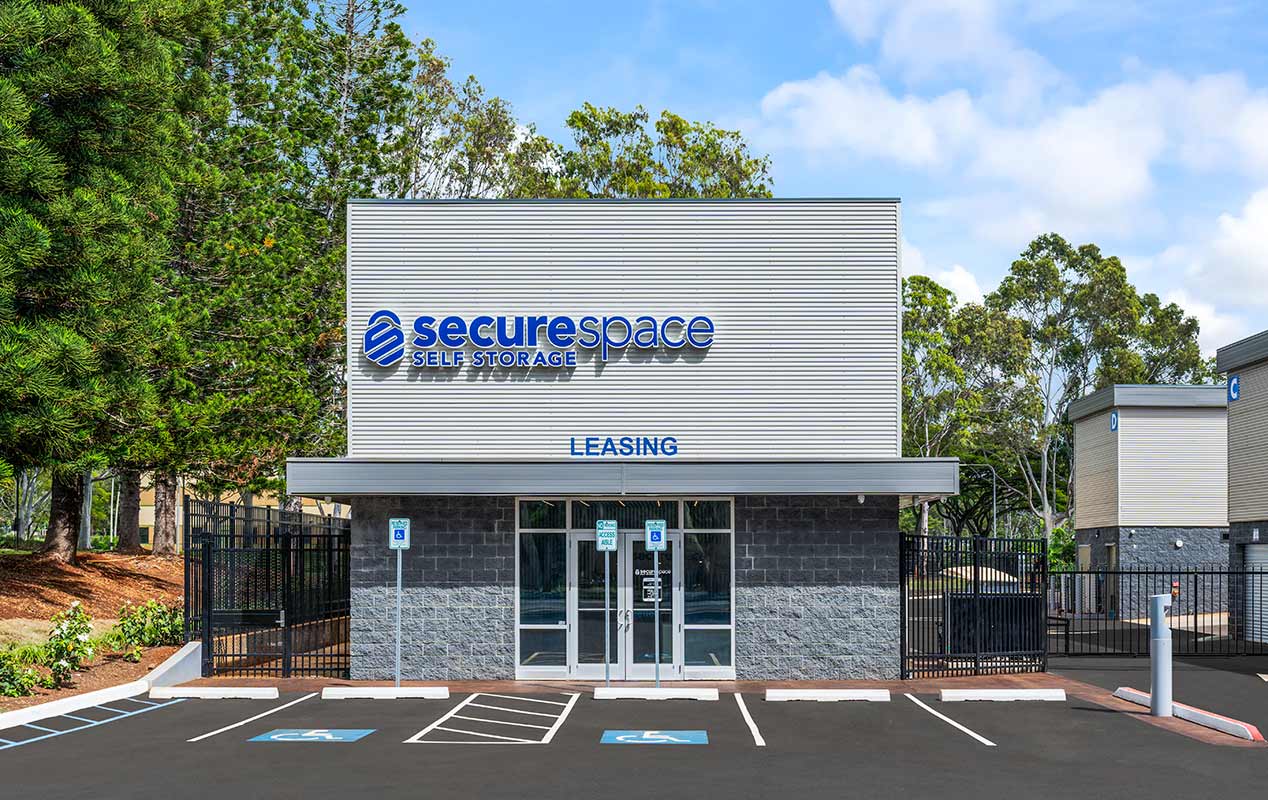
SecureSpace Self Storage Mililani at 95-1 Wikao St serves customers moving within Mililani and Central Oahu.
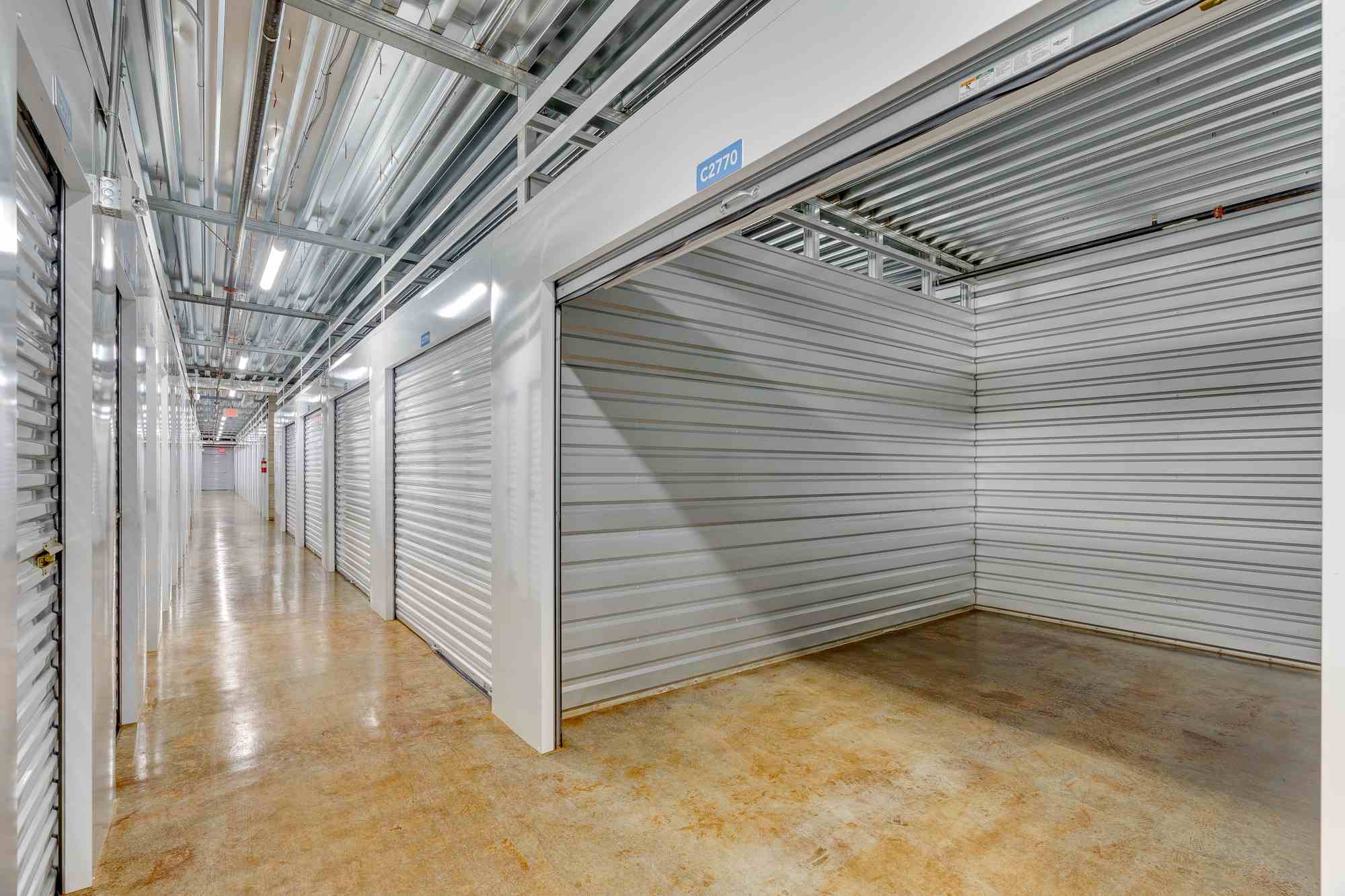
Available facility features include:
Climate-controlled units
Drive-up units
Month-to-month leases
Online rental options
Touchless move-in
Carts and dollies
Daily gate access from 6:00 AM to 10:00 PM
Semi-truck accessibility
Moving pods permitted subject to facility procedures
Climate-controlled storage may help reduce exposure to temperature fluctuations. It should not be described as humidity-controlled and does not guarantee protection from mold, corrosion, pests, leaks, or other damage.
The facility includes:
An access gate
Digital video recording
Logged access
Overnight surveillance
Turing-enabled monitoring
These features support access management and property monitoring but do not guarantee that belongings cannot be stolen or damaged.
Motion Guard, individual unit sensors, 24-hour surveillance, and military discounts should not be assumed to be available.
Semi-truck accessibility and moving-pod permission do not mean facility employees will:
Accept a delivery
Sign freight documents
Unload a truck
Move items into a unit
Hold a shipment
Coordinate directly with a carrier
Confirm whether the renter must be present, where unloading may occur, and how long a container may remain before scheduling a delivery.
General outdoor or covered vehicle parking is not offered. The facility page lists RV storage, subject to current availability, dimensions, documentation, and facility rules.
Before signing a contract, ask:
Get important answers in writing.
Pricing depends on labor, travel time, access conditions, packing, equipment, and the size of the move.
Request itemized written estimates from properly authorized movers rather than relying on a statewide or national average.
Requirements depend on the property, association, street, placement, and current rules.
Contact the property manager or association before scheduling a moving truck or portable container. Do not assume approval is required or automatically granted.
Rules may apply to plants, soil, produce, untreated natural materials, outdoor equipment, and items carrying dirt or organic debris.
Check current USDA and Hawaii Department of Agriculture requirements for each questionable item before packing.
Begin with the transportation office responsible for the move.
For a personally procured move, confirm authorization, reimbursement, weight documentation, estimates, and carrier requirements before signing a contract.
A month-to-month storage unit may provide temporary space when housing and delivery dates do not align.
Before arranging delivery, confirm the unit size, access route, truck requirements, gate hours, and whether the customer must be present.
A dedicated container generally carries one customer's shipment, while consolidated shipping combines multiple shipments.
The best choice depends on shipment size, budget, handling preferences, and delivery flexibility.
Do not assume so.
Truck accessibility or container permission does not establish that employees can receive, sign for, unload, or hold a shipment. Confirm the facility's procedures before scheduling the carrier.
The right mover should match the type of relocation involved, explain the full pricing structure, hold the appropriate operating authority, and provide clear written terms.
Verify credentials, review association and agricultural requirements, document valuable belongings, and prepare for possible schedule changes. When housing and delivery dates do not align, temporary storage can provide useful flexibility without forcing rushed decisions.
Everything you need to store your belongings securely, on your schedule.
Visit us online