Last updated Aug 7, 2026

Hiring movers involves more than finding the lowest estimate. The company should be properly licensed, provide clear written terms, understand the access conditions at both properties, and explain how labor, travel time, packing, and additional services will be billed.
San Diego moves can involve high-rise elevator reservations, limited curb space, narrow residential streets, military relocation requirements, or a gap between move-out and move-in dates. Planning for those details before signing an agreement can reduce delays and unexpected charges.
Moving costs depend on the amount of property, crew size, travel distance, stairs or elevators, parking access, packing needs, moving date, and specialty items.
One moving company's 2026 San Diego local moving market data estimates that a standard two-person crew may cost approximately $160 to $200 per hour in 2026. That range is a planning estimate rather than a guaranteed citywide rate.
Before hiring a mover, request a written breakdown covering:
The number of movers and vehicles
Minimum billable time
Travel-time calculations
Packing materials and services
Stairs, elevators, and long carries
Large or unusually heavy items
Cancellation or rescheduling terms
Available protection or valuation options
Compare estimates based on the same inventory and services. A lower headline rate may not produce a lower final bill when the estimate excludes important parts of the move.
The California Bureau of Household Goods and Services regulates household movers performing moves within the state.
Before booking, search the company's name and license number through the Bureau's official license-search system. Confirm that the mover is authorized to operate and review any available citations or disciplinary actions.
Don't rely only on a company logo, online review score, or verbal statement that it is licensed. Verify the business name shown on the agreement because it may differ from the brand name used in advertising.
California consumer guidance says household-move estimates should be provided in writing after the mover visually inspects the property to be moved. A video-based inspection may be offered in some situations, but an informal phone estimate or basic online calculator should not be treated as the final agreement.
The mover should also provide a Not to Exceed price for the household move. This generally represents the maximum charge for the agreed services unless the customer requests additional work that is documented through a change order.
Before signing:
Do not sign blank or incomplete forms.
A move within California and a move crossing state lines may be governed by different pricing, licensing, documentation, and consumer-protection requirements.
Ask whether the company is handling the move as:
A local move within the San Diego area
A longer intrastate move within California
An interstate move crossing state lines
A military Personally Procured Move
Verify the company's authority for the specific move rather than assuming that a license for local work covers every destination.
Travel charges are a common source of confusion.
Ask the mover to show how drive time is calculated in the written agreement. The estimate should explain whether the charge covers travel between the two properties, travel from the mover's facility, or another calculation allowed under the applicable tariff.
Don't rely on a general explanation from an advertisement or third-party article when the signed agreement should provide the calculation for your move.
Moving time can increase when the crew cannot park near the entrance or must wait for an elevator.
Before moving day, check:
Posted parking and loading restrictions
Building move-in hours
Freight- or service-elevator reservations
Certificates of insurance required by management
Loading-area dimensions
Truck-height restrictions
Long-carry distances
HOA or property-management rules
In Downtown San Diego and the Gaslamp Quarter, Securing adequate curbside space may require additional planning because moving trucks must follow posted loading-zone, red-zone, emergency-access, and parking restrictions.
Ask the mover and building manager who is responsible for arranging permits, reserved spaces, or temporary signage. Don't assume the moving company will handle those tasks unless the agreement says so.
Not every residential move requires a city permit. Requirements depend on where the truck will park, whether it will obstruct traffic or a public right-of-way, and the restrictions posted at the location.
A permit or additional coordination may be needed when a move involves:
Reserved public curb space
A blocked parking or traffic lane
Temporary traffic control
A street closure
Restricted commercial or loading zones
A building with separate loading requirements
Confirm the applicable rules with the City and property manager for the specific address.
A Temporary Overnight Recreational Vehicle Permit (TORVP) is required when an RV is parked on a City street between 2:00 a.m. and 6:00 a.m. It should not be treated as a general overnight permit for every commercial moving truck.
A mover's familiarity with San Diego can be helpful, but broad neighborhood claims are less useful than an inspection of the actual property.
Provide information about:
Narrow streets or alleys
Hills and steep driveways
Low branches or overhead clearance
Gated entrances
Limited turning space
Stairs and long hallways
Small elevators
Parking restrictions
Ask whether the mover expects to use a smaller shuttle vehicle or charge for an extended carry. Any potential charge should appear in the written estimate or be explained before moving day.
A Permanent Change of Station move or Personally Procured Move may require documentation beyond an ordinary residential relocation.
Use current official military guidance to confirm:
Approved move procedures
Required weight tickets
Reimbursement documentation
Deadlines and claim requirements
Available temporary-storage benefits
Rules for privately owned vehicles
Installation-specific transportation contacts
Don't rely on old benefit limits, shipment procedures, or reimbursement figures. Military moving programs and requirements can change.
When using a civilian mover, verify its licensing, obtain complete written estimates, and keep copies of invoices, weight documents, inventories, and delivery records.
A storage unit may be useful when a lease, home closing, renovation, or delivery schedule does not align with moving day.
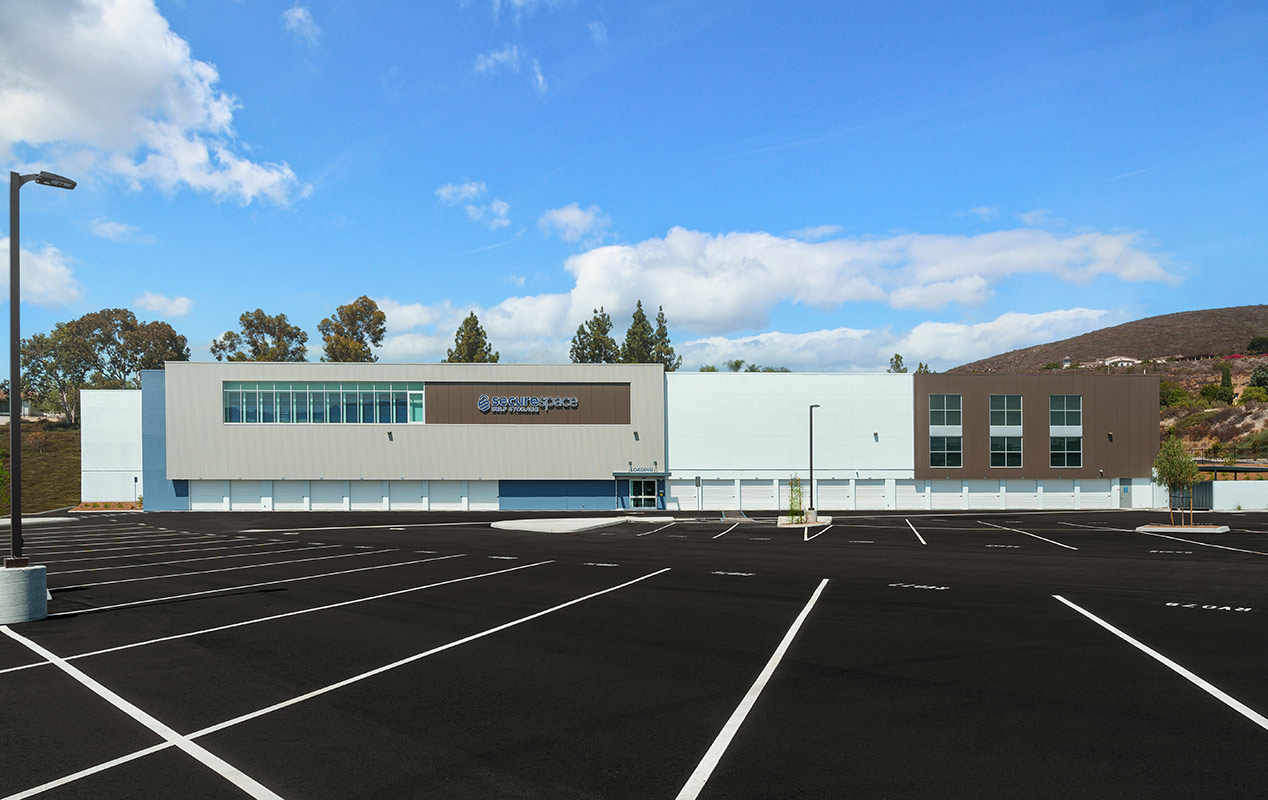
SecureSpace operates two San Diego facilities, but their moving features differ.
SecureSpace Self Storage Rancho Penasquitos is located at 10389 Azuaga St, San Diego, CA 92129.
Moving-related features include:
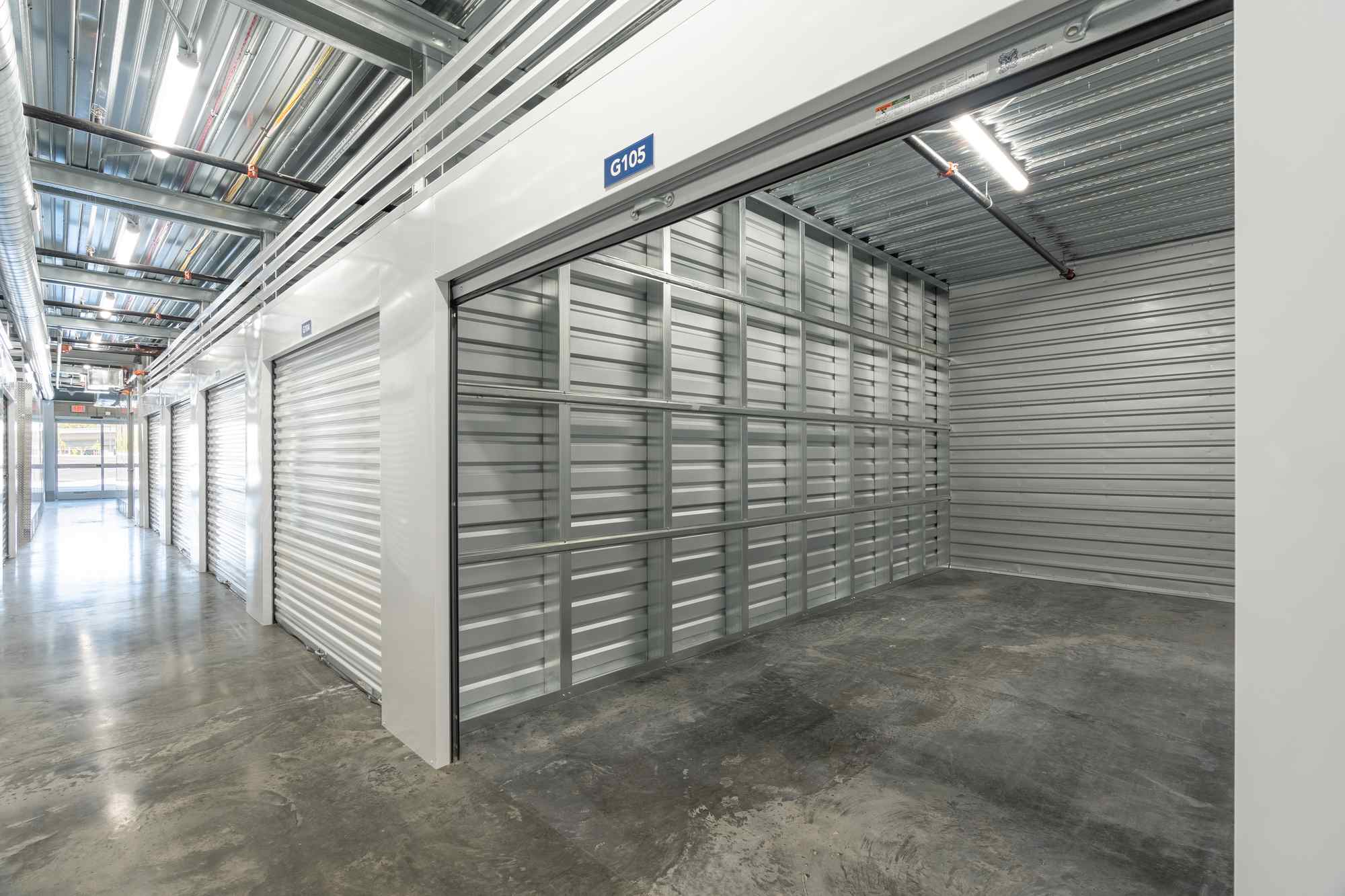
Standard and climate-controlled units
Indoor and drive-up storage
Elevators and extra-large elevators
Carts and dollies
Semi-truck accessibility
Moving pods allowed
Daily gate access from 6:00 a.m. to 10:00 p.m.
Touchless move-in
Rancho Penasquitos does not have a covered loading area or loading dock. Confirm current procedures before arranging a moving pod or semi-truck.
Climate-controlled options may help reduce exposure to significant temperature swings, but humidity regulation is not confirmed and protection from damage cannot be guaranteed.
SecureSpace Self Storage San Diego Encanto is located at 5950 Federal Blvd., San Diego, CA 92114.
The facility offers standard indoor and drive-up units, elevator access, and carts and dollies. It does not offer climate-controlled storage, extra-large elevators, covered loading, a loading dock, moving-pod access, semi-truck accessibility, or touchless move-in.
Access is available Monday through Friday from 9:30 a.m. to 6:00 p.m. and Saturday and Sunday from 9:30 a.m. to 5:00 p.m.
Both locations offer month-to-month leases and online payments. Current rates, fees, notice requirements, availability, and move-out terms still apply.
Confirm the schedule with the mover and property manager several days before the move.
Keep these items with you rather than loading them onto the truck:
Identification and moving documents
Medication
Keys and access credentials
Phones and chargers
Essential clothing
Payment information
High-value personal documents
Items needed immediately at the destination
Photograph furniture and other significant belongings before loading. Keep an inventory, label boxes clearly, and note any existing damage.
Do not pack fuel, propane, explosives, hazardous chemicals, perishables, or other prohibited materials with household goods or place them into a storage unit.
Ask each company the same core questions:
Is your California household-mover license current?
Who will perform the move?
Is any part of the work subcontracted?
What is included in the written estimate?
How is drive time calculated?
Are stairs, elevators, or long carries included?
Could a shuttle vehicle be necessary?
Who handles parking permits or curb reservations?
What protection options are available?
What happens if the schedule or inventory changes?
How are loss or damage claims submitted?
Clear written answers make estimates easier to compare.
One published 2026 estimate places a two-mover crew at approximately $160 to $200 per hour. Actual pricing varies by company, inventory, crew size, access conditions, moving date, and additional services.
Request written estimates based on the same inventory before comparing companies.
Use the California Bureau of Household Goods and Services license-search system. Confirm that the business is authorized to operate and review any listed disciplinary actions.
Match the licensed business name to the company named in the agreement.
Don't assume an instant calculator or informal online quote is the final price.
California consumer guidance requires a written estimate following an inspection of the belongings. Review the complete moving agreement and Not to Exceed price before signing.
Possibly. The answer depends on where the truck will park, whether public space must be reserved, and whether traffic control is needed.
Check City parking rules and building requirements for the exact address.
A TORVP applies to an RV parked on a City street between 2:00 a.m. and 6:00 a.m. It is not automatically the correct permit for a commercial moving truck.
Confirm any overnight commercial-vehicle restrictions directly with the City.
Yes, a month-to-month storage unit may provide temporary space when moving dates do not align.
Review access hours, unit dimensions, climate-control availability, truck or pod procedures, rates, and rental terms before coordinating the move.
A trustworthy mover should provide verifiable licensing, a clear written estimate, complete documentation, and direct answers about parking, access, travel charges, and additional services.
Compare several estimates, inspect the terms carefully, and coordinate the moving truck with both properties before moving day.
When your housing dates don't align, review current options for self storage in San Diego, CA.
Everything you need to store your belongings securely, on your schedule.
Visit us online