Last updated Jul 24, 2026

Moving in Seattle is rarely as simple as loading a truck and driving across town. Between steep hills in Queen Anne and Capitol Hill, narrow streets, rainy weather, high-rise elevator rules, and parking permits, the Emerald City can create real logistical challenges.
This guide breaks down what to know before hiring a mover. You'll learn how to vet a legitimate company, what local moves may cost, which Seattle movers are worth comparing, and how to plan around rain, parking, elevators, and storage timing.
Before you compare prices or read reviews, confirm that any company you're considering is legally allowed to operate. In Washington, household goods movers are regulated by the Washington Utilities and Transportation Commission (WUTC).
To operate legally, a moving company must hold a valid household goods permit. According to the WUTC permit requirements, permitted movers must also meet insurance and compliance requirements.
Licensed movers must also follow Washington's moving rules and published household-goods rates. You can review consumer guidance and verify mover information through the WUTC website before signing an estimate.
The takeaway is simple: verify licensing, ask for a written estimate, and avoid any mover that cannot clearly explain its permit status, pricing, and coverage.
The following companies are examples Seattle customers often compare. Ratings, pricing, availability, and services can change, so check current reviews, licensing status, and written estimates before booking.
Pure Moving Company is often considered for downtown, South Lake Union, and Capitol Hill moves. Its Yelp listing has shown a 4.8 rating from over 400 Yelp reviews, but review counts and ratings can change. You can also review current services directly through Pure Moving Company.
This may be a company to compare if you are moving into or out of a high-rise and need a mover familiar with building rules, elevator reservations, and Certificate of Insurance requests.
Eco Movers is another Seattle-area company to compare, especially if reusable moving crates or sustainability-focused practices matter to you. Check current service areas, reviews, and estimates before deciding.
On The Go Moving publishes information about its moving and storage services, and its 2025 price guide can be useful background when estimating local moving costs. Promotional terms and pricing can change, so confirm the current quote directly.
Adam's Moving Service is another Seattle-area mover to research. The company also publishes practical local advice on moving in rainy weather, which can be helpful when planning a Seattle move.
Gentle Giant operates in the Seattle market and handles local and longer-distance moves. Customer feedback can vary over time, so review current customer reviews, service details, and written estimates before choosing.
Most Seattle movers bill by the hour for local moves, and your total depends on home size, crew size, truck access, stairs, elevators, packing help, and how long the move takes. Based on 2025-2026 Seattle pricing data, costs can vary widely by move.
Several local factors can push costs higher. Steep hills, narrow access roads, long carries from the truck to your door, and packing services all add time. Local moving experts in Seattle also note that planning and access can affect hourly moving costs.
The best approach is to get at least two or three written estimates and ask each mover what is included.
One of the most overlooked parts of a Seattle move is legally parking the moving truck. To reserve curb space on a public street, review the Temporary No Parking process through the Seattle Department of Transportation (SDOT).
Permit costs and requirements can change, so confirm the current process before move day. SDOT's customer assistance materials describe the RAP permit and related temporary parking details.
If you are moving on a busy arterial street, near downtown, or into a building with limited loading access, ask whether your mover can help coordinate permits, barricades, or loading logistics.
If you're moving into a building in South Lake Union, Belltown, First Hill, or downtown, the building may control the timeline. Many properties require elevator reservations, move-in windows, and a Certificate of Insurance from your moving company.
Ask your building manager about:
Freight elevator reservations
Move-in time windows
Parking or loading dock rules
Damage deposits or move-in fees
Certificate of Insurance requirements
After-hours or weekend restrictions
This is one area where hiring a mover with high-rise experience can help. The crew should understand how to work within building rules while keeping the move on schedule.
Seattle rain is a planning factor, especially in fall and winter. One Washington moving guide cites 32 to 35 inches of rain per year, and conditions can change quickly on move day.
Ask movers how they handle wet-weather moves before booking. Useful practices may include:
Wrapping furniture before it leaves your home
Protecting floors and entryways
Minimizing the time items sit outside
Using covered areas where available
Keeping towels, tarps, or plastic wrap on hand
If you are packing yourself, think carefully about cardboard during wet weather. Some Seattle moving guides recommend waterproof plastic bins for rainy-day moves because they hold up better than cardboard when conditions are wet.
Understanding the scope of your move helps you choose the right company and budget accurately.
Local moves within Seattle, such as Ballard to Capitol Hill or Belltown to Queen Anne, are often billed hourly. Efficient parking, elevator reservations, and truck access can make a major difference in the final cost.
Moves to Bellevue, Redmond, Kirkland, Tacoma, or Everett may still be local or intrastate, depending on the mover and pricing structure. Confirm whether the company bills hourly, by distance, by weight, or through another method.
Moves to or from another state involve different licensing, pricing, and scheduling considerations. If you are crossing state lines, confirm that the mover is properly authorized for interstate moves.
Even the best-planned moves can hit timing gaps. A home sale may close late, a new apartment may not be ready, or your new space may not fit everything from your old place. In those cases, a storage unit can help bridge the gap.
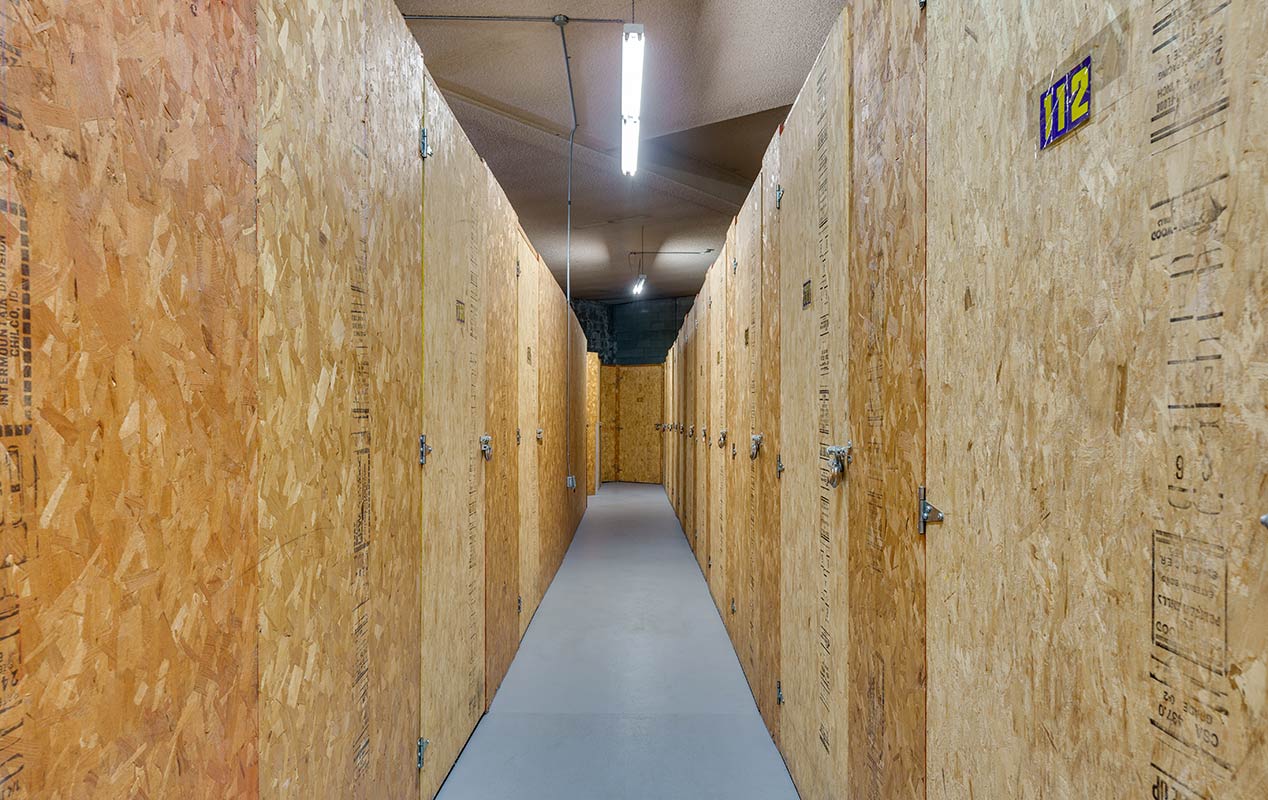
For Seattle moves, look for storage that fits your timeline and item list. Month-to-month leases can be useful when you are between homes, and heated indoor storage may be helpful during colder months. Make sure belongings are clean and fully dry before storing them, especially if the move happens during rainy weather.
Rather than relying on a long list of features, focus on what matters for the move: unit size, access hours, move-in instructions, elevator or cart availability, rental terms, and current availability.
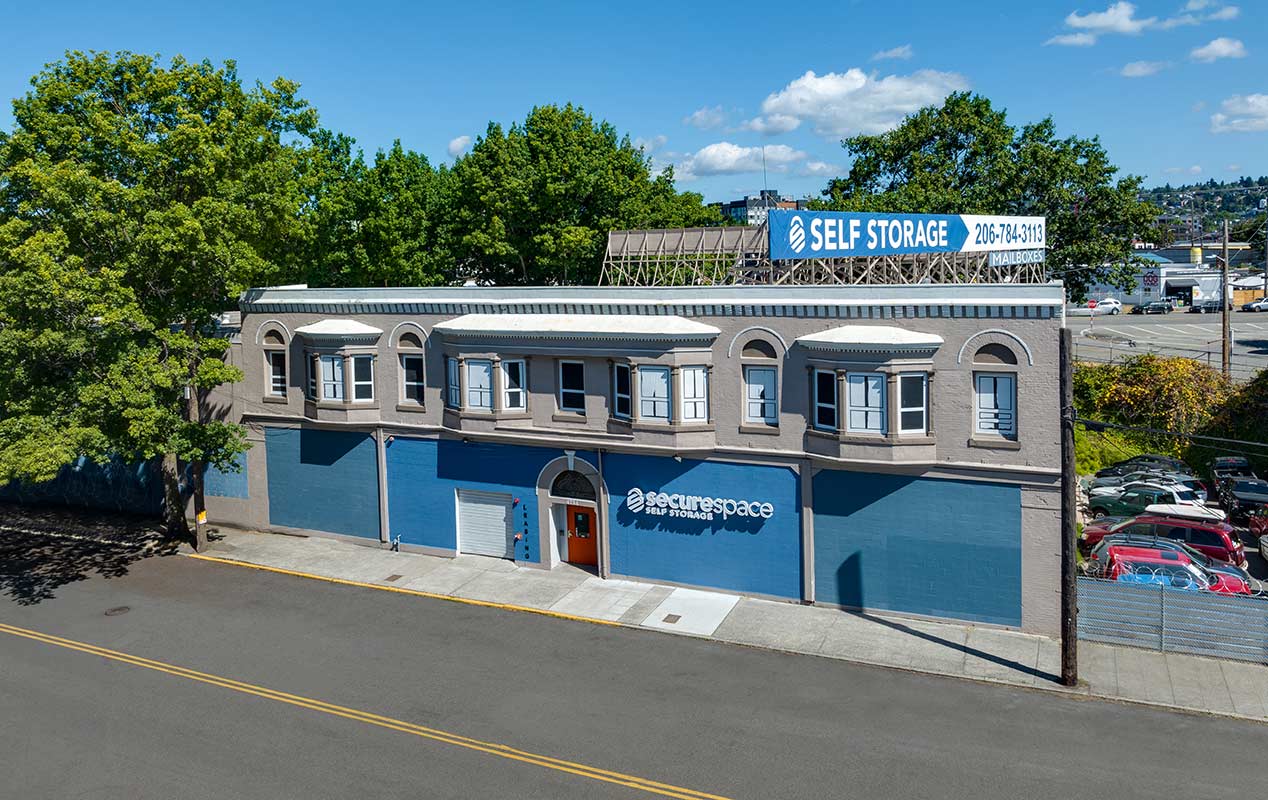
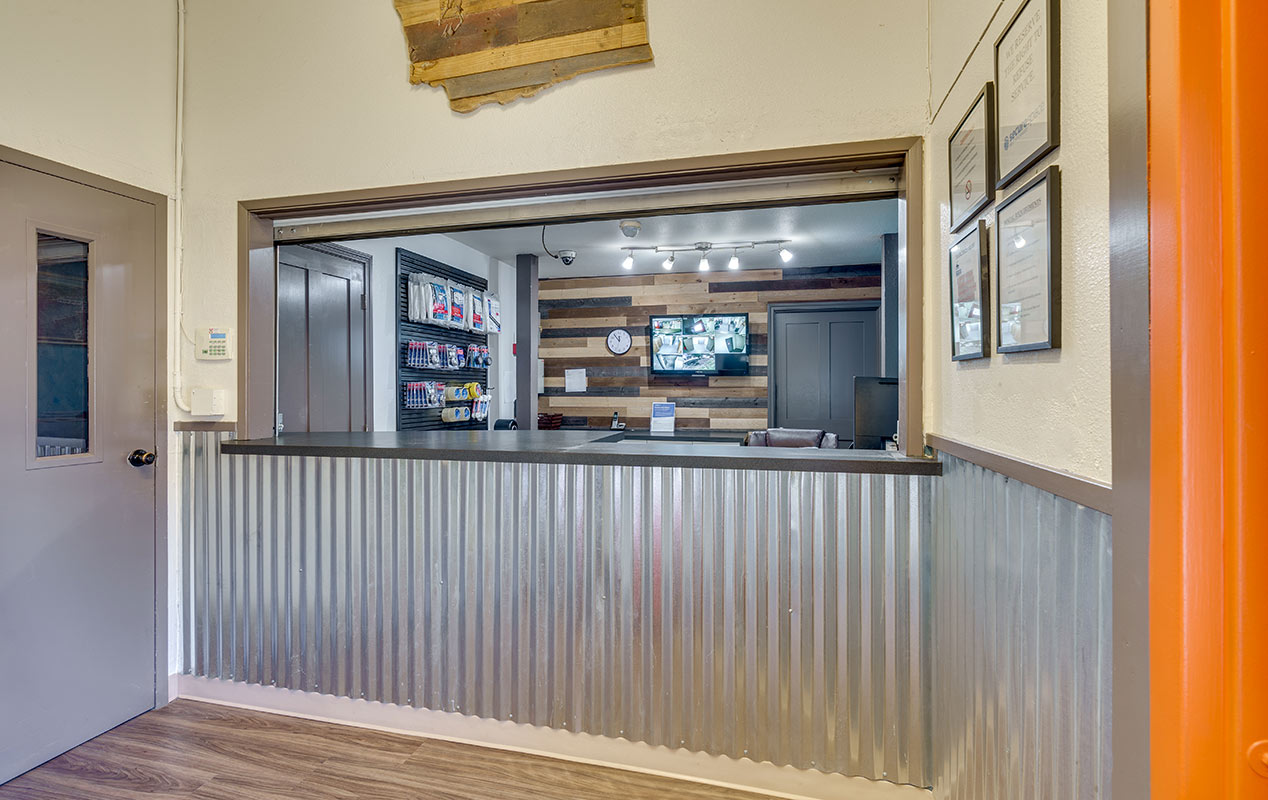
Explore Seattle storage options at SecureSpace Self Storage if your move-out and move-in dates do not line up cleanly.
Check whether the company holds a valid household goods permit with the Washington Utilities and Transportation Commission. Before signing, verify the mover's permit status, ask for a written estimate, and confirm coverage details.
Costs vary by home size, crew size, stairs, elevator access, parking, packing services, and time of year. Most local movers bill hourly, so the best way to estimate cost is to request written quotes from multiple licensed movers.
You may need a Temporary No Parking zone or related permit if you need to reserve curb space on a public street. Check SDOT's current rules and ask your mover whether they help coordinate permits or barricades.
Yes, Seattle movers commonly work in rainy conditions. Ask how the company protects furniture, flooring, boxes, and entryways during wet-weather moves.
A short-term storage unit can help if your move-out and move-in dates do not align. Review unit sizes, access hours, rental terms, and move-in instructions before reserving.
A successful Seattle move comes down to preparation: verify mover licensing, compare written estimates, budget for parking and elevator logistics, and plan ahead for rain. With the right crew and a clear plan, a complicated city move becomes easier to manage.
If your timeline does not line up perfectly, storage can give you breathing room while you transition between homes. Review available Seattle storage options and choose a unit that fits your move, schedule, and belongings.
Everything you need to store your belongings securely, on your schedule.
Visit us online