Last updated Jun 20, 2026
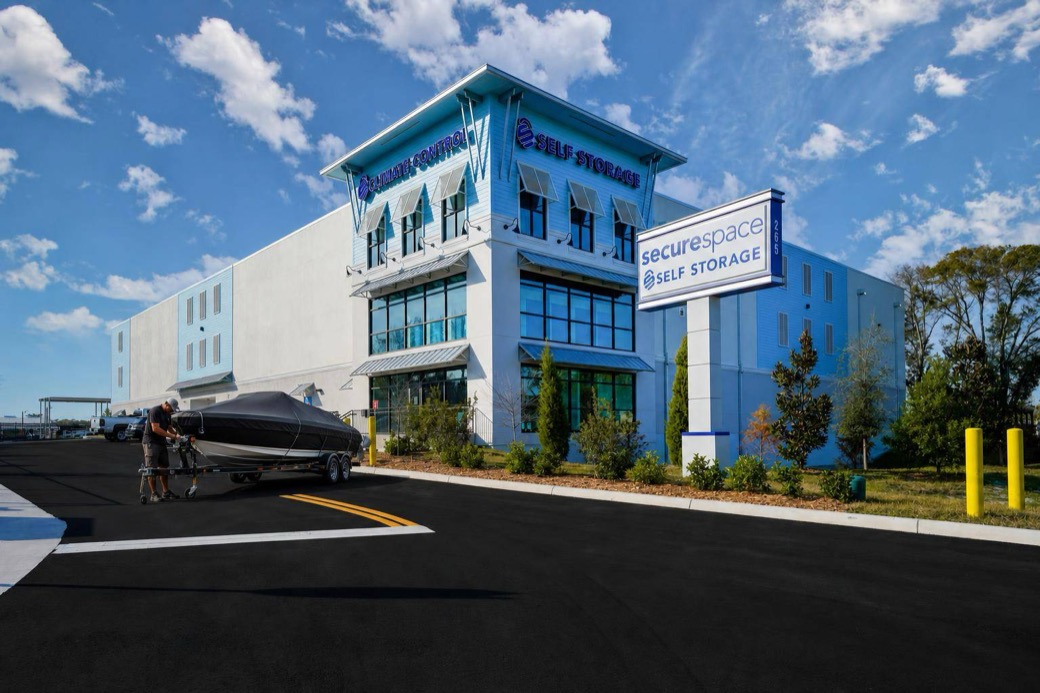
Owning a boat, RV, or extra vehicle in Palm Harbor can make weekend plans easier, especially with Gulf Coast destinations nearby. The challenge often comes after the trip, when garage space is limited, driveway parking is crowded, or neighborhood rules restrict where larger vehicles can sit.
Outdoor vehicle storage can help create a designated place for an eligible vehicle, but it is important to compare more than price. Vehicle fit, parking availability, access hours, documentation requirements, covered versus uncovered parking, and facility rules should all be reviewed before renting.
This guide explains how to think through outdoor vehicle storage in Palm Harbor, including local parking considerations, Florida storage conditions, vehicle preparation, insurance questions, and what to confirm before choosing a parking space.
Palm Harbor is an established community with many homeowners, seasonal residents, and outdoor recreation enthusiasts. Boats, RVs, trailers, extra cars, and other vehicles can be useful for Florida living, but they can also create space issues at home.
If you live in a deed-restricted community, HOA rules may affect where certain vehicles can be parked. Rules can vary by neighborhood, property type, and current governing documents, so homeowners should review their specific community restrictions before making parking plans.
Even outside a deed-restricted subdivision, local code requirements may apply. Rather than assuming driveway or yard parking is allowed, check current county or local guidance for your address, especially if you plan to park a trailer, RV, commercial vehicle, boat, or other large vehicle for more than a short period.
Off-site parking may help residents manage space at home and reduce conflicts with neighborhood or property rules. The right option depends on the vehicle type, size, availability, and facility requirements.
The Florida Gulf Coast can expose stored vehicles to sun, rain, humidity, salt air, and storm-season conditions. Outdoor storage is not a substitute for regular maintenance, but good preparation can help reduce avoidable issues while a vehicle is parked.
Sun exposure may affect paint, trim, tires, seals, decals, covers, and interiors over time. Moisture and salt residue can also make cleaning and maintenance more important, especially for vehicles parked for extended periods.
Covered parking may reduce direct exposure to sun and rain compared with uncovered parking, but it is not a guarantee of protection from weather, UV exposure, salt air, corrosion, storms, or other risks. Vehicle owners should follow manufacturer guidance for cleaning, covers, fluids, batteries, tires, and long-term storage prep.
If you plan to leave a car, truck, boat trailer, RV, or other vehicle parked for more than a short period, a few preparation steps can make pickup easier later. The right steps depend on the vehicle type, storage length, manufacturer recommendations, and whether the vehicle will be parked outdoors, covered, or uncovered.
Cleaning the vehicle before storage helps remove contaminants that may sit on the paint, wheels, glass, seals, or undercarriage. According to Edmunds, 2018, water stains and bird droppings left on a vehicle can permanently damage the paint.
Before storing, wash the exterior, clean wheels and lower body areas, and remove dirt, road grime, salt residue, bug splatter, or bird droppings. Clean the interior as well, especially if the vehicle has been used for beach trips, boating, camping, or hauling gear. Remove trash, food, damp items, and valuables before parking.
Fluid prep depends on the vehicle and how long it will sit. Review your owner's manual or ask a qualified mechanic before long-term storage.
State Farm, 2025 strongly recommends adding a fuel stabilizer to the full tank. Vehicle owners should also review manufacturer guidance for oil, coolant, brake fluid, fuel, and other maintenance needs before storage.
If you are storing an RV, boat, or specialized vehicle, follow the storage instructions for that specific vehicle type rather than assuming standard car guidance applies.
Vehicle batteries can drain while a vehicle sits unused. If you have access to a power outlet at your storage facility, Consumer Reports, 2019 recommends using a battery maintainer.
Do not assume power access is available at an outdoor parking facility unless it is specifically confirmed. If electrical access is not available, review your owner's manual or consult a mechanic about safe battery-disconnect procedures and any effect on alarms, electronics, or vehicle settings.
Tires can develop flat spots if a vehicle sits in one position for a long time. Inflate tires to the manufacturer's recommended pressure before storage and check them periodically when possible.
If you are storing the vehicle for several months, AAA, 2022 suggests parking the vehicle on squares of two-inch foam board insulation to lessen the chance of flat spots. Because guidance can vary by vehicle, climate, and storage duration, follow your owner's manual and use wheel chocks or other equipment only as appropriate for your vehicle and parking setup.
Rodents and insects can be an issue for stored vehicles, especially if food, trash, nesting materials, or damp gear are left inside. Before parking, remove food, wrappers, paper clutter, and anything with odor. Clean the cabin, trunk, cargo areas, and storage compartments.
For RVs, boats, and vehicles with vents, compartments, or storage bays, follow manufacturer guidance for pest prevention and ventilation. If you plan to use deterrents or seal openings, make sure they are safe for the vehicle and easy to remove before operation.
Selecting a commercial storage facility involves reviewing logistics, access, parking fit, and facility rules. Not all parking options are the same, and the best choice depends on the vehicle you plan to store.
Start with fit. Measure the full vehicle length, width, and height, including trailer tongues, hitches, ladders, mirrors, racks, spare tires, motors, and accessories. Ask about current parking dimensions, surface type, turning space, and whether your specific vehicle type is eligible.
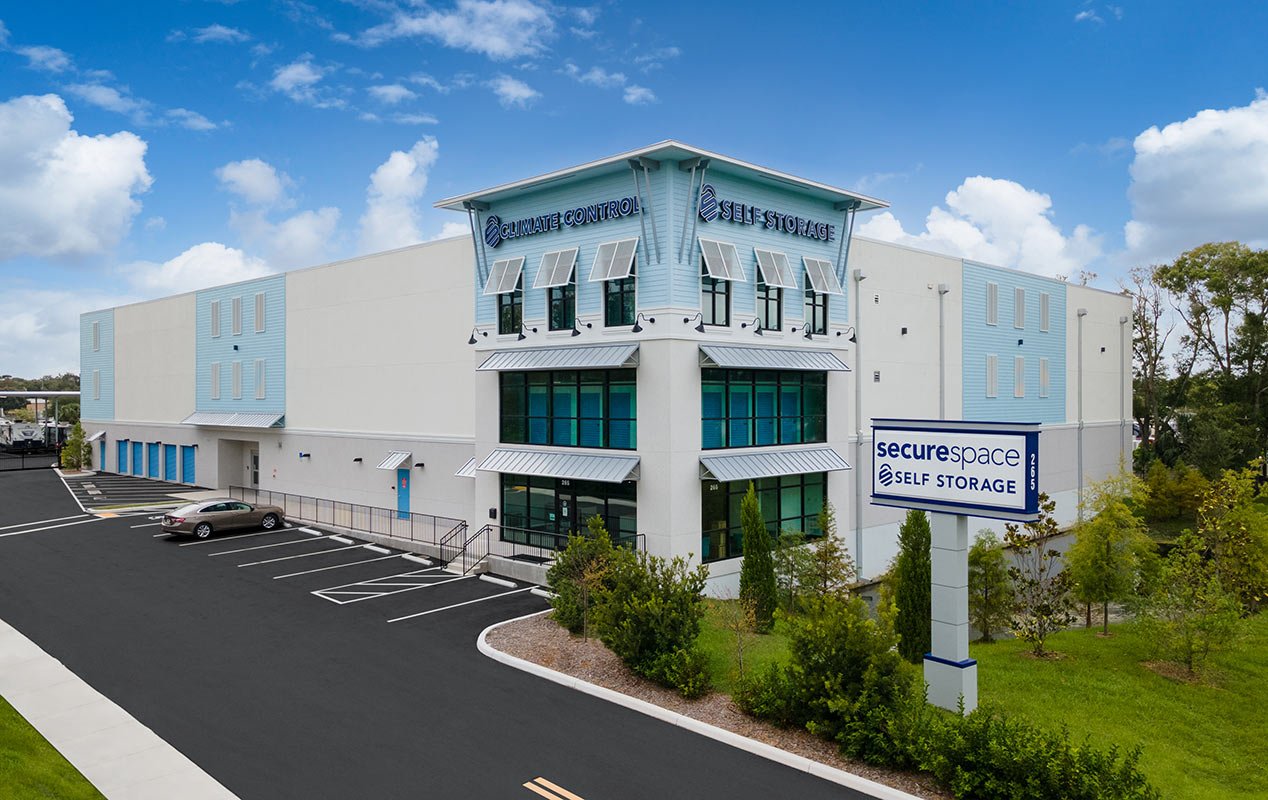
Next, consider access. SecureSpace Self Storage Palm Harbor offers daily gate access from 6:00 AM to 10:00 PM. Plan pickups, returns, and trip preparation around the facility's gate-access window, and check leasing office hours separately if you need staff assistance.
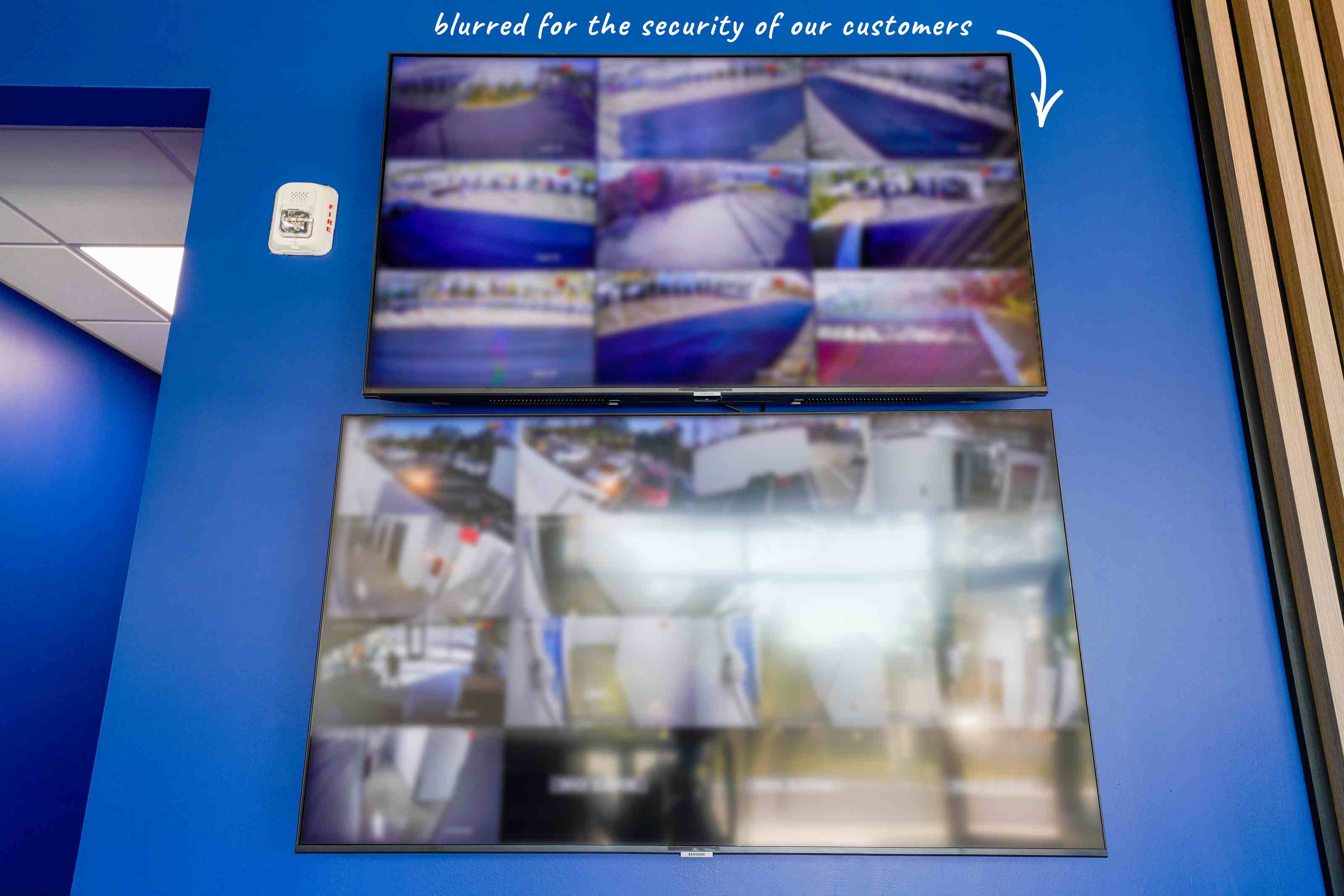
Security-related features are also worth reviewing. This Palm Harbor facility includes an access gate, digital video recording, overnight surveillance, logged access, and touchless computer-controlled access. No facility can eliminate every risk, so vehicle owners should remove valuables, keep photos and records, use appropriate anti-theft devices, and review insurance or coverage options before storing.
For boat owners, location may also matter. If you frequently use local ramps or waterways, consider how the drive from the parking facility fits your towing route, traffic patterns, and launch plans.
Vehicle insurance needs can vary based on the vehicle, lender requirements, storage duration, and coverage type. Before changing or reducing insurance, contact your insurance agent and confirm what coverage is required while the vehicle is parked.
If the vehicle has an active loan, the lender may require certain coverage to remain in place. Even without a loan, owners may want to review coverage for theft, vandalism, fire, storm damage, or other risks.
Do not cancel or change coverage based only on the fact that a vehicle is parked at a storage facility. Ask your provider what applies to your situation and whether off-site storage affects the policy.
Driveway parking rules can vary by HOA, community, property type, and local code requirements. Some neighborhoods may restrict visible parking for boats, RVs, trailers, commercial vehicles, or recreational vehicles. Review your current HOA documents and local rules before parking a vehicle at home.
Outdoor conditions can affect boat surfaces over time, especially when a vessel is exposed to sun, moisture, salt air, and storm-season conditions. Regular cleaning, covers, wax or sealant where appropriate, and manufacturer-recommended maintenance can help. Covered parking may reduce direct sun and rain exposure compared with uncovered parking, but it does not guarantee protection.
Parking dimensions vary by facility and availability. Measure the full vehicle or trailer setup, including hitches, motors, ladders, racks, and accessories. Then confirm current parking dimensions, maneuvering room, documentation requirements, and facility rules before renting.
Boat-ramp convenience depends on the facility location, traffic, towing route, and the ramp you plan to use. If you launch regularly, compare the driving route from the storage facility to your preferred ramp before reserving a space.
Review your owner's manual or ask a qualified mechanic. Some owners use a battery maintainer when approved power access is available, while others follow manufacturer guidance for disconnecting the battery or maintaining charge. Confirm whether electrical access is available before planning to use powered equipment at a storage facility.
Outdoor vehicle storage can make parking easier to manage when driveway space, HOA rules, or seasonal storage needs become an issue. Before reserving, measure your vehicle, compare covered and uncovered options, review facility rules, and confirm current availability.
SecureSpace Self Storage Palm Harbor offers outdoor and covered parking for eligible vehicles, including motor vehicles, RVs, boats, and cars. Availability, parking dimensions, documentation, and facility rules may vary, so confirm details before making plans.
For current options, visit SecureSpace for vehicle storage in Palm Harbor, FL.
Everything you need to store your belongings securely, on your schedule.
Visit us online