Last updated Jun 20, 2026
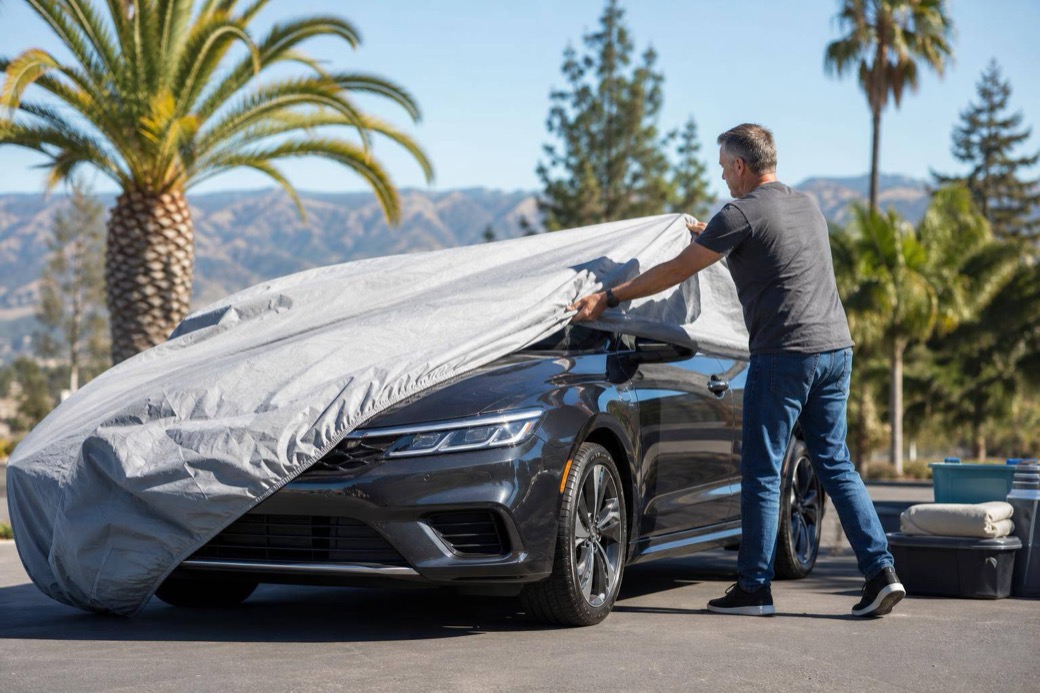
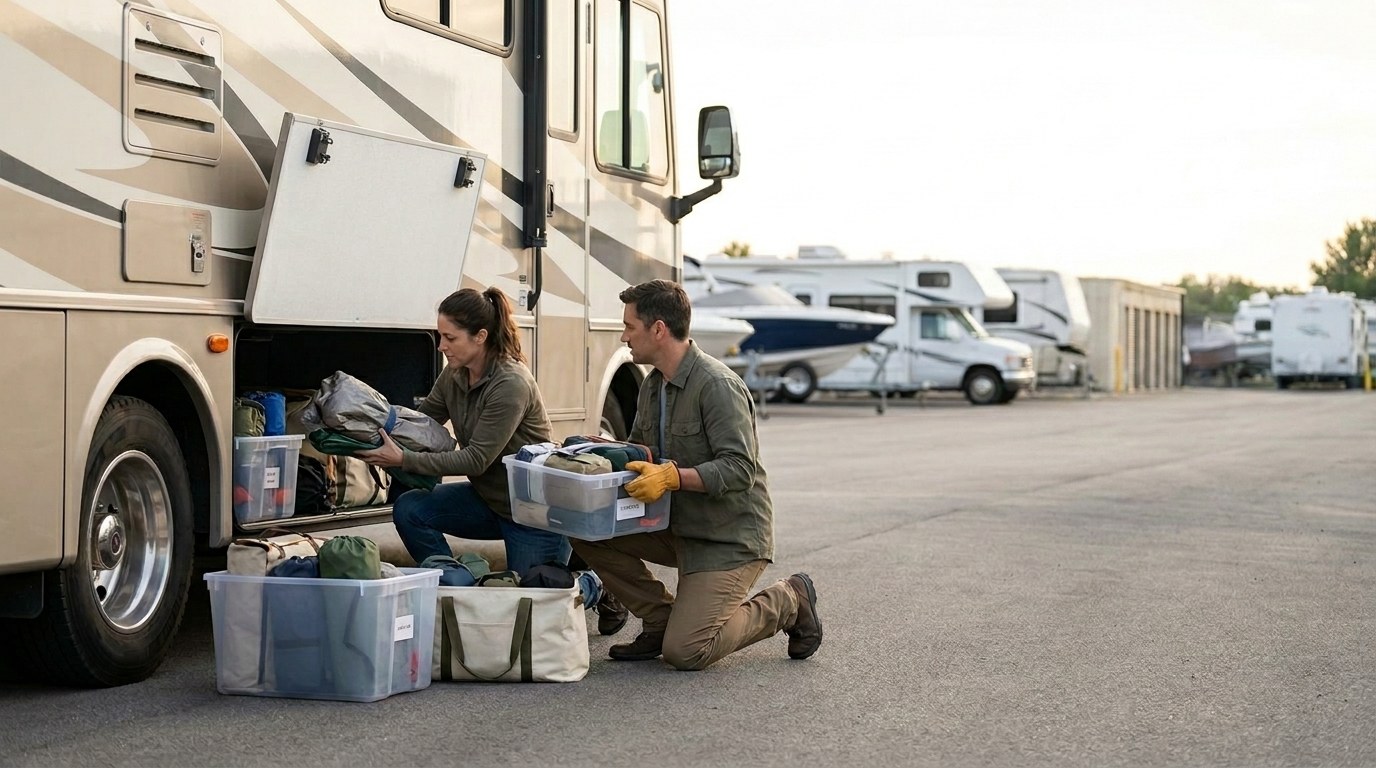
Owning a recreational vehicle, a boat, or an extra commuter car can open the door to weekend trips, home projects, and more flexible transportation. Southern California offers access to coastal marinas, mountain retreats, and desert landscapes, but once the trip ends, many residents still face the same question: where can the vehicle be parked?
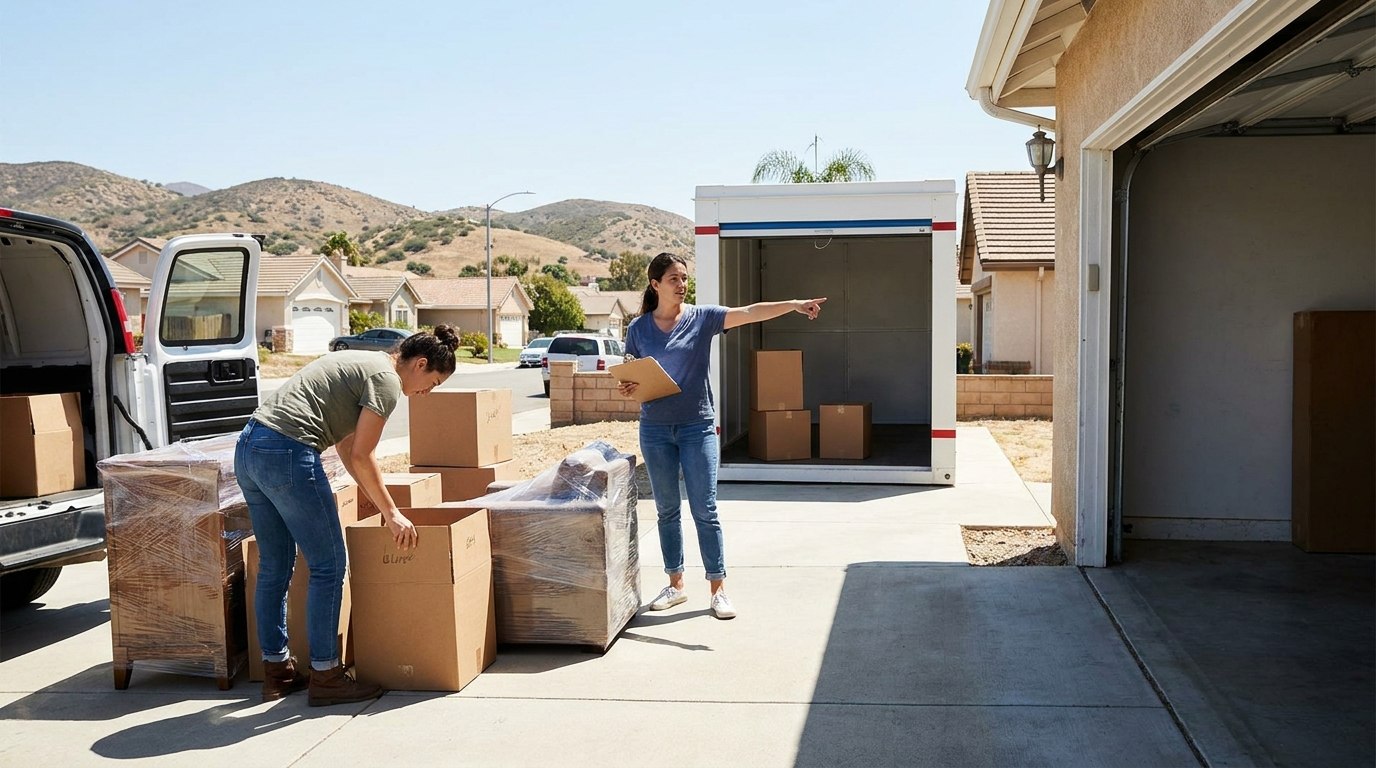
For residents of Spring Valley, California, parking a larger or extra vehicle at home can be difficult. Driveways may already be full, street parking can be limited, and community rules may affect where vehicles can sit for extended periods.
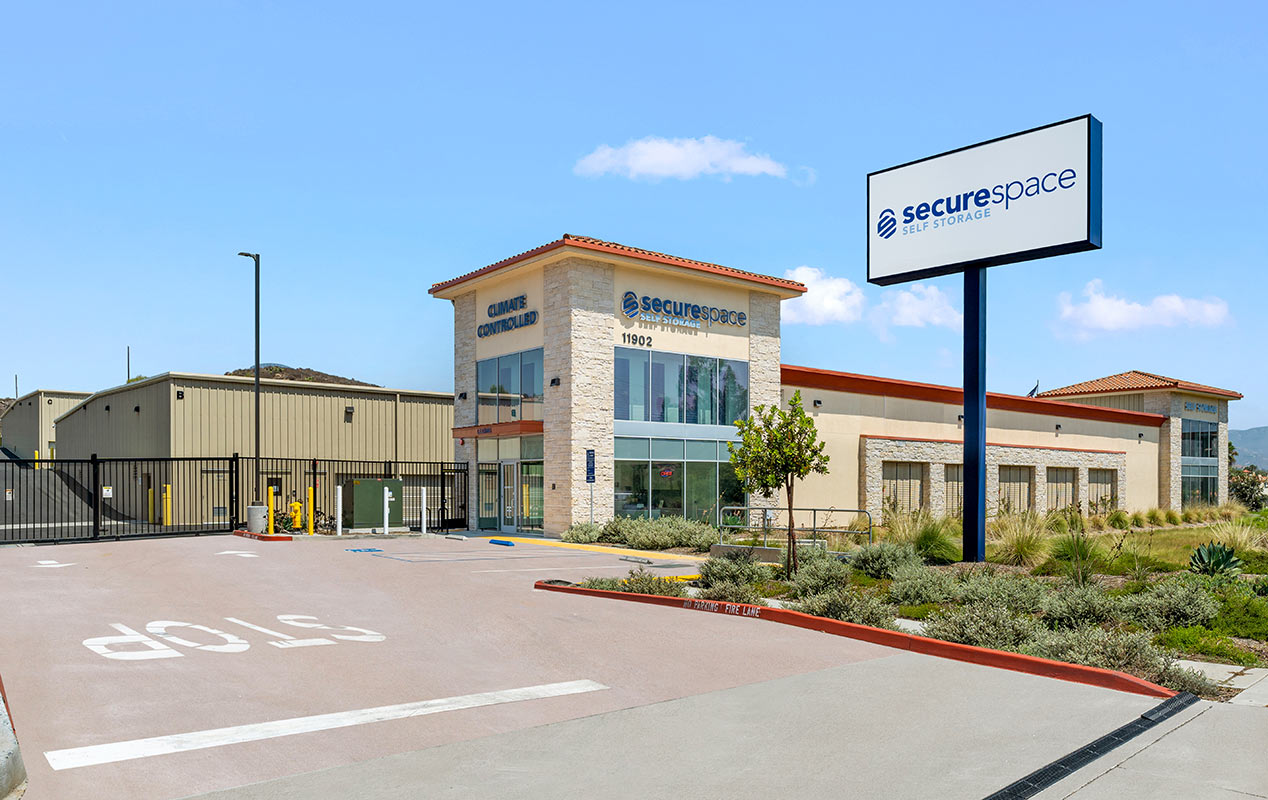
If you're currently juggling multiple cars or trying to figure out where to park a trailer, boat, RV, or extra vehicle, local storage may be worth exploring. At SecureSpace Self Storage Spring Valley, outdoor parking has historically been part of the facility's storage options, but current availability may be limited. Customers should confirm directly whether an outdoor parking space is available for the specific vehicle size and use case before making plans.
This guide explains local parking considerations, outdoor-storage risks, preparation tips, and the facility features to review when comparing vehicle storage options.
To understand why local outdoor vehicle storage can be useful, it helps to look at the layout of the community. Spring Valley features a mature suburban environment where many households need room for more than one vehicle. According to the U.S. Census Bureau, the average household size in Spring Valley is 3.22 persons.
When daily commuter cars already take up the driveway or curbside area, there may be little room left for an RV, boat, utility trailer, or additional vehicle. That space pressure can push residents to look for parking alternatives away from home.
Even when there appears to be room in a driveway, community rules may limit how residents store RVs, boats, trailers, commercial vehicles, or inoperable vehicles. HOA rules vary by community, so homeowners should review their governing documents before leaving a vehicle parked outside for an extended period.
Street parking can also come with restrictions. San Diego's Neighborhood Parking Protection Ordinance (NPPO) outlines rules that may apply to oversized, non-motorized, and recreational vehicles. Because regulations and permit requirements can change, residents should verify current rules with the appropriate city or county authority before relying on street parking.
When home parking is not practical, a storage facility may provide another option. For SecureSpace Self Storage Spring Valley, outdoor parking should be treated as limited and subject to current availability, vehicle size, and facility rules.
Beyond rules and citations, vehicles parked outdoors can face wear, weather exposure, theft risk, and general security concerns. The exact risk depends on the vehicle, location, duration, and preparation.
San Diego County's climate supports year-round outdoor activity, but sun exposure can still affect automotive exteriors and interiors. Over time, UV exposure and heat may contribute to fading, clear-coat wear, interior cracking, tire aging, and rubber seal deterioration.
Outdoor parking does not eliminate sun exposure, so vehicle owners should prepare carefully. A quality vehicle cover, routine cleaning, wax or paint protection, tire care, and regular inspections can help reduce avoidable wear. Customers should also confirm whether covers and other protective accessories are allowed in the selected parking area.
Security is an important factor when choosing where to park a vehicle. Catalytic converter theft has been a concern across California, especially for vehicles with higher ground clearance. Replacement costs and repair timelines can disrupt travel plans and daily routines.
A storage facility can provide a more controlled parking environment than a public street, but storage should not be described as a guarantee against theft or damage. Customers should consider confirmed facility features, insurance requirements, locks or anti-theft devices where appropriate, and the rental agreement before storing a vehicle.
Whether a vehicle will be parked for a few weeks or several months, preparation can help reduce avoidable mechanical and cosmetic issues. Always follow the owner's manual, mechanic guidance, insurance requirements, and facility rules.
Before parking a car, boat, RV, or trailer, remove trash, crumbs, and food from the interior. A clean interior can help reduce odors and avoid attracting pests.
Wash the exterior thoroughly before storage. Depending on the vehicle and storage duration, a fresh coat of wax or another appropriate finish protectant may help create an added barrier against dust, moisture, and sun exposure.
For longer storage periods, ask a mechanic whether an oil change or fluid check is recommended before parking the vehicle. Used fluids can contain contaminants, and long idle periods may make pre-storage maintenance more important.
Check coolant, brake fluid, windshield washer fluid, and other vehicle-specific systems based on the owner's manual. Boats, RVs, and trailers may have additional preparation needs.
Fuel-system preparation depends on the vehicle and storage timeline. Automotive experts often recommend filling the gas tank and using a fuel stabilizer for longer storage periods, but vehicle owners should follow manufacturer guidance and mechanic advice.
If using a stabilizer, read the product instructions carefully and confirm that the approach is appropriate for your vehicle. Facility rules may also restrict maintenance activities on site, so complete fuel-related preparation before move-in when needed.
Long parking periods can contribute to tire flat spots, especially for heavier vehicles or trailers. Check the recommended tire pressure before storage, and use the owner's manual for vehicle-specific guidance.
For extended storage, some owners use tire supports or other methods to reduce pressure on the same contact patch. Before using jack stands, tire blocks, or other accessories in a storage space, confirm what the facility allows.
Vehicle batteries can lose charge during long periods of inactivity. Depending on the vehicle, storage duration, and manufacturer guidance, you may need to disconnect the battery, remove it, or use an approved battery maintainer at home.
Do not assume chargers, maintainers, or electrical devices are allowed in a storage space. Confirm facility rules before using any battery-related equipment on site.
When comparing outdoor vehicle storage, look for clear, verifiable facility details rather than broad promises. SecureSpace Self Storage Spring Valley supports vehicle-storage customers with gated entry, recorded video, access logging, and overnight surveillance.
The facility also offers gate access from 6:00 AM to 10:00 PM daily. That access window can be helpful for customers who need to pick up or drop off a vehicle outside standard office hours, but it is not 24/7 access.
Customers should also ask about current outdoor parking availability, eligible vehicle types, size limits, documentation requirements, insurance or coverage requirements, and whether the selected vehicle can be stored under current facility rules.
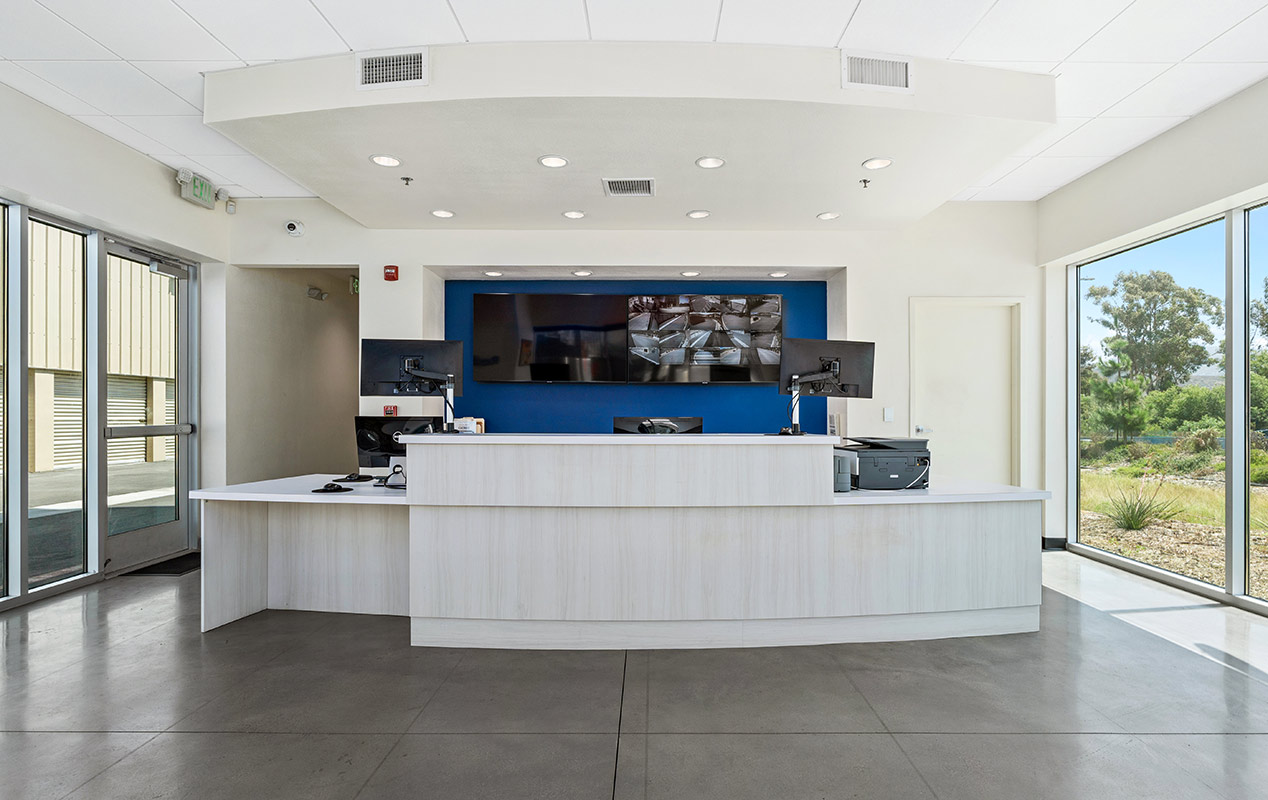
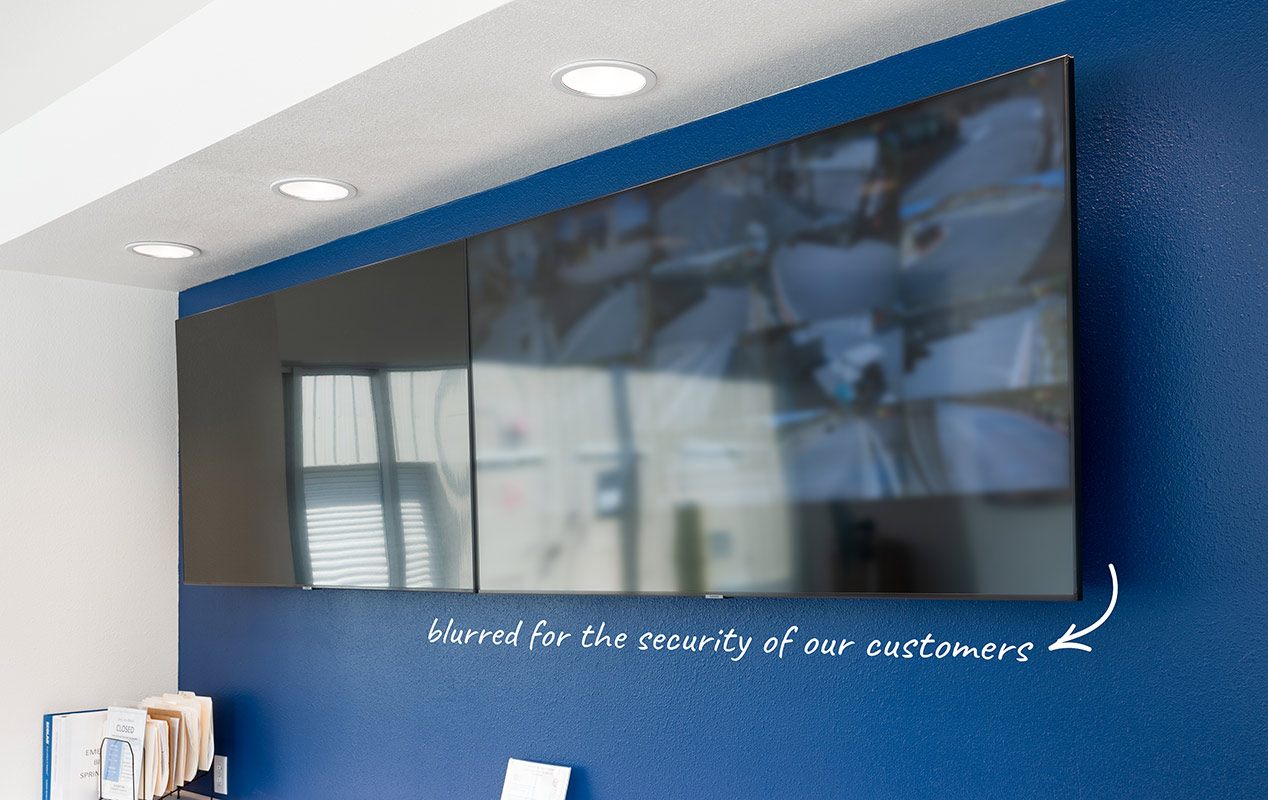
SecureSpace Self Storage Spring Valley includes an access gate, digital video recording, logged access, and overnight surveillance. These features can support a more controlled storage environment, but they do not guarantee protection from theft, damage, or unauthorized access.
Parking rules can depend on the jurisdiction, vehicle size, location, and permit status. The NPPO includes restrictions for certain oversized and recreational vehicles, so residents should review current city or county guidance before relying on public street parking. If considering storage instead, confirm directly whether the facility currently has an outdoor parking space that can accommodate the RV's size and requirements.
SecureSpace Self Storage Spring Valley offers daily gate access from 6:00 AM to 10:00 PM. Office hours are different from gate hours, so check current facility details before visiting the office.
Start by confirming whether outdoor parking is currently available at SecureSpace Self Storage Spring Valley. Availability may be limited, and vehicle eligibility can depend on size, documentation, insurance or coverage requirements, and facility rules.
Touchless move-in is available, and customers can review current options online or contact the facility before reserving. Avoid assuming that RV, boat, trailer, or oversized-vehicle parking is available until the facility confirms a space for that specific vehicle.
Finding space for an extra vehicle, RV, boat, or trailer can be stressful when home parking is limited or community rules apply. Outdoor parking may be an option in some cases at SecureSpace Self Storage Spring Valley, but current availability should be confirmed before making plans.
Review vehicle dimensions, access needs, rental requirements, insurance or coverage details, and facility rules before reserving. To check current options, visit Reserve Your Space Online at SecureSpace Self Storage.
Everything you need to store your belongings securely, on your schedule.
Visit us online