Last updated Jun 20, 2026
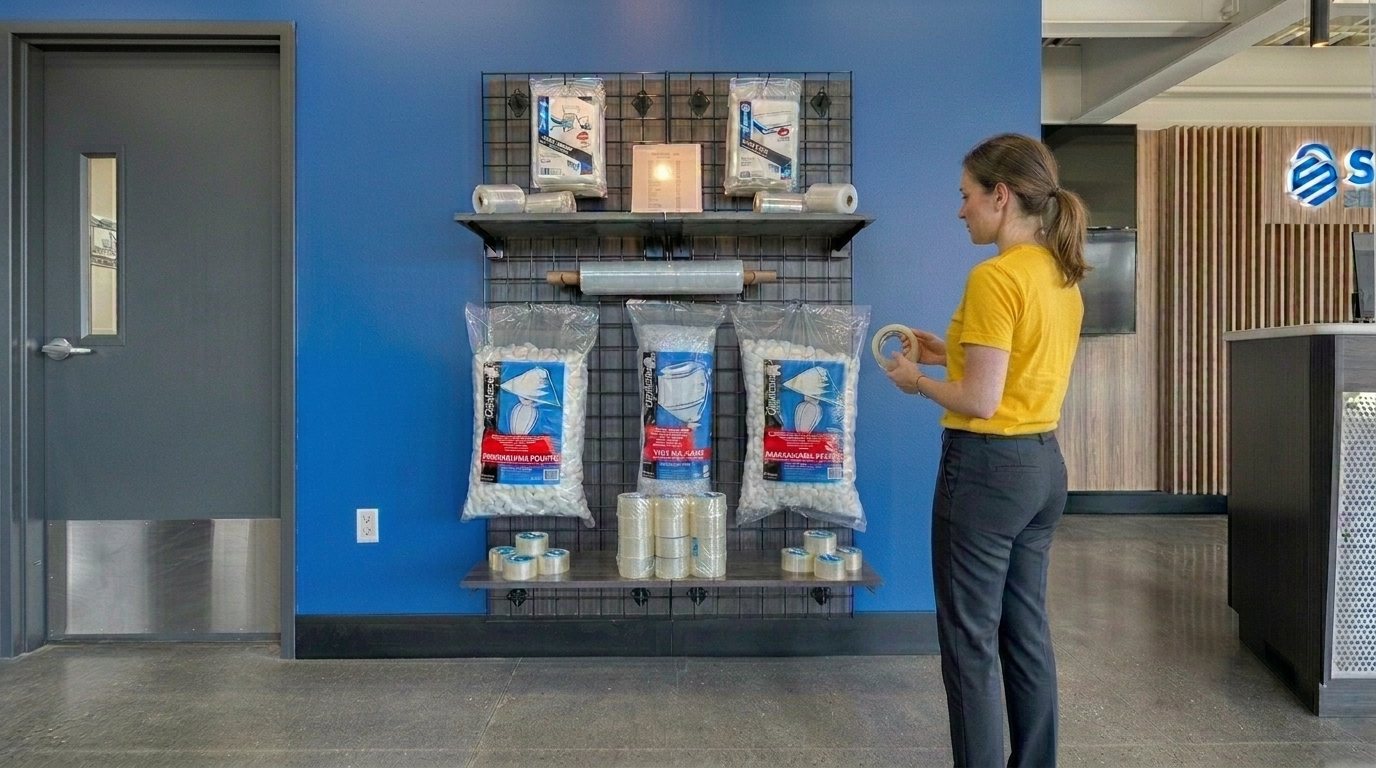
Moving to a new home or apartment is a complex process, and sourcing the right materials is often left until the last minute. For residents in Portland, this process often means planning around wet weather, tight moving timelines, and sustainability expectations. Finding moving boxes, packing tape, bubble wrap, and protective covers takes more than a quick last-minute errand when rain is in the forecast.
If you are preparing for a move in SE Portland, having the right materials can help keep your belongings organized from the first packed box to the final unloading trip. This guide walks through where to buy packing supplies near SE Portland, what materials are useful for Pacific Northwest moves, and how to think about packing, recycling, and storage during a local transition.
Portland presents a unique environment for residential relocations. The demand for moving supplies in this region is driven by a combination of housing transitions, student move-outs, apartment turnover, and frequent rain. Understanding these factors can help you choose materials that fit your move rather than relying on whatever boxes happen to be available at the last minute.
The Pacific Northwest is known for wet weather, and this can directly affect how you pack your belongings. Portland experiences significant, persistent rainfall, with total annual accumulation routinely ranging between 31.34 inches and 51.93 inches. During fall, winter, and spring moves, standard corrugated cardboard boxes can weaken if they are left on wet pavement, staged outside too long, or exposed during loading.
When cardboard gets damp, it may lose strength at the seams or become harder to stack safely. Moisture can also increase the risk of musty odors or damage if damp boxes are placed into storage or left packed for an extended period. For rainy-season moves, consider sturdy boxes, plastic bins for sensitive items, packing tape, stretch wrap, and tarps or covers for short trips between the door and the vehicle.
Portland residents often look for ways to reduce waste during a move. Packing supplies are useful during relocation, but they can pile up quickly once everything is unpacked. To support resourceful moves, you can responsibly recycle your materials after unpacking.
Break down cardboard boxes, remove excess tape where required, and keep plastic packing materials separate from paper recycling. Before dropping off or setting out moving materials, check current local recycling guidance so cardboard, packing paper, plastic wrap, and other materials go to the right place.
When the need for moving materials comes up quickly, convenience matters. Many people start with big-box retailers, shipping stores, hardware stores, or storage facilities that sell moving supplies. The right choice depends on what you need, how soon you need it, and whether you are also renting storage.
Big-box retailers can be useful for general moving boxes, tape, plastic bins, and basic tools. The downside is that supplies may be spread across different aisles, specialty packing materials may vary by store, and inventory can be inconsistent during busy moving periods.
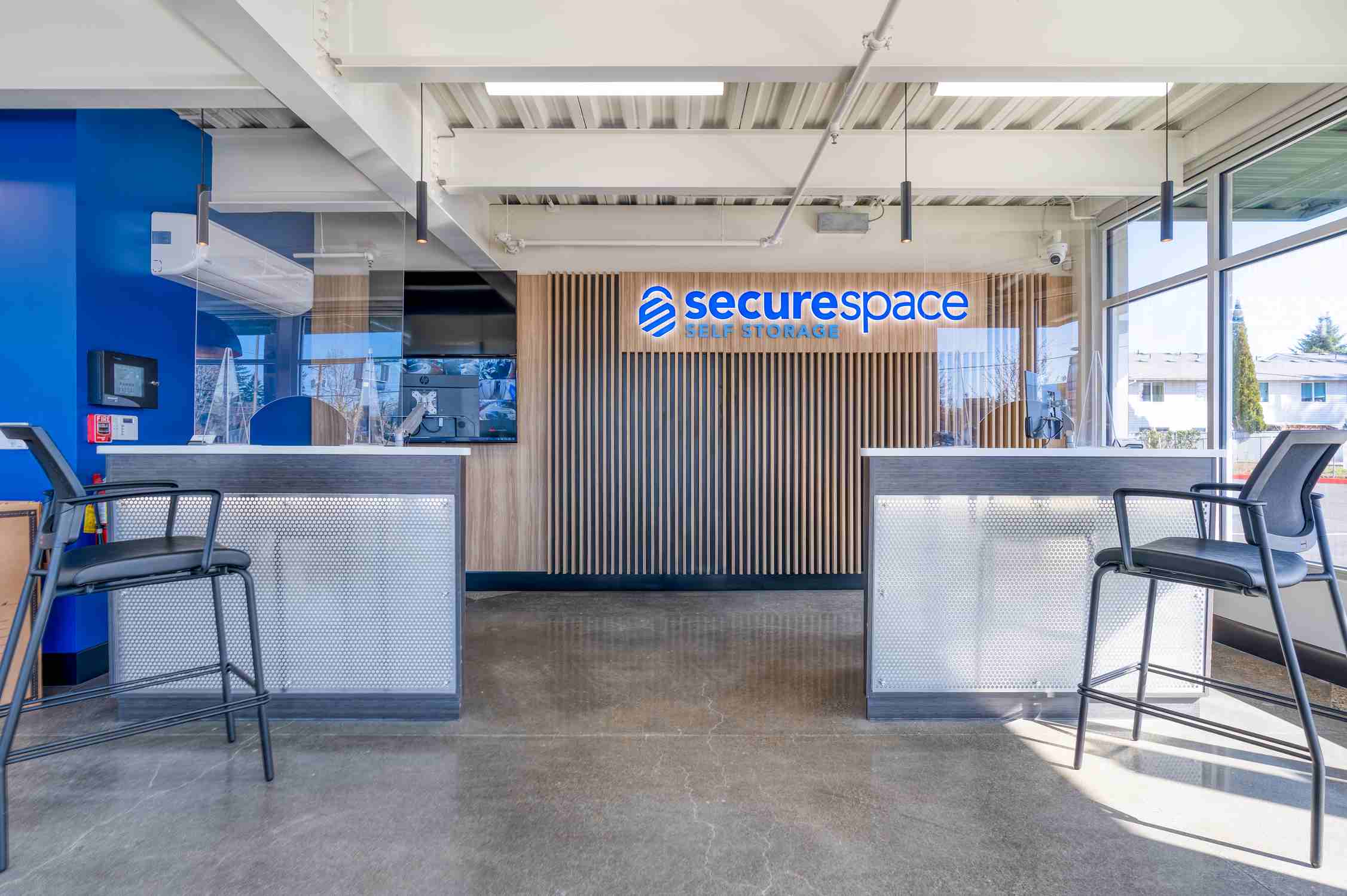
A storage facility can be a practical stop if you are already renting a unit or comparing storage options. SecureSpace Self Storage Centennial offers basic moving supplies, which can be useful if you need boxes, tape, or other standard materials while preparing for a move. For current availability of specific supplies, contact the facility before making a special trip.
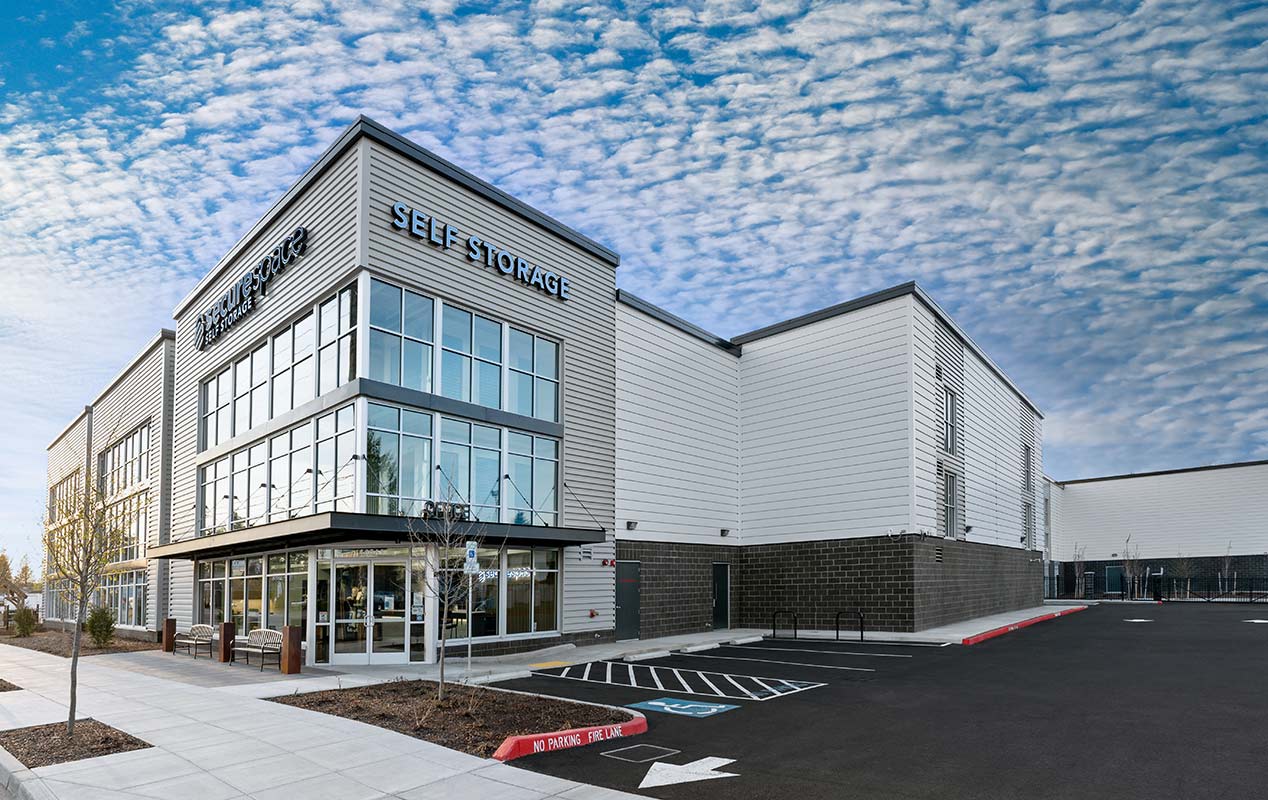
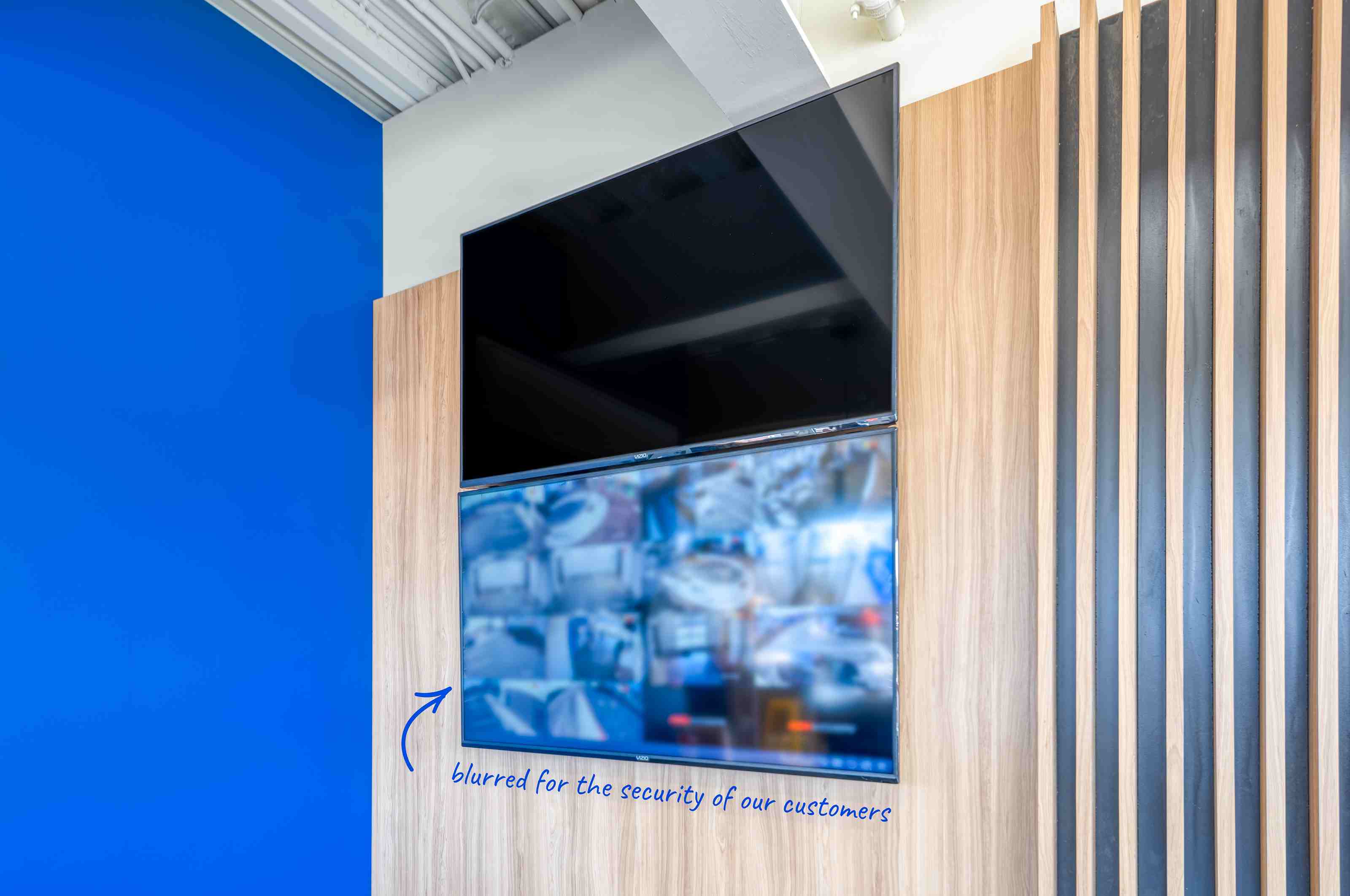
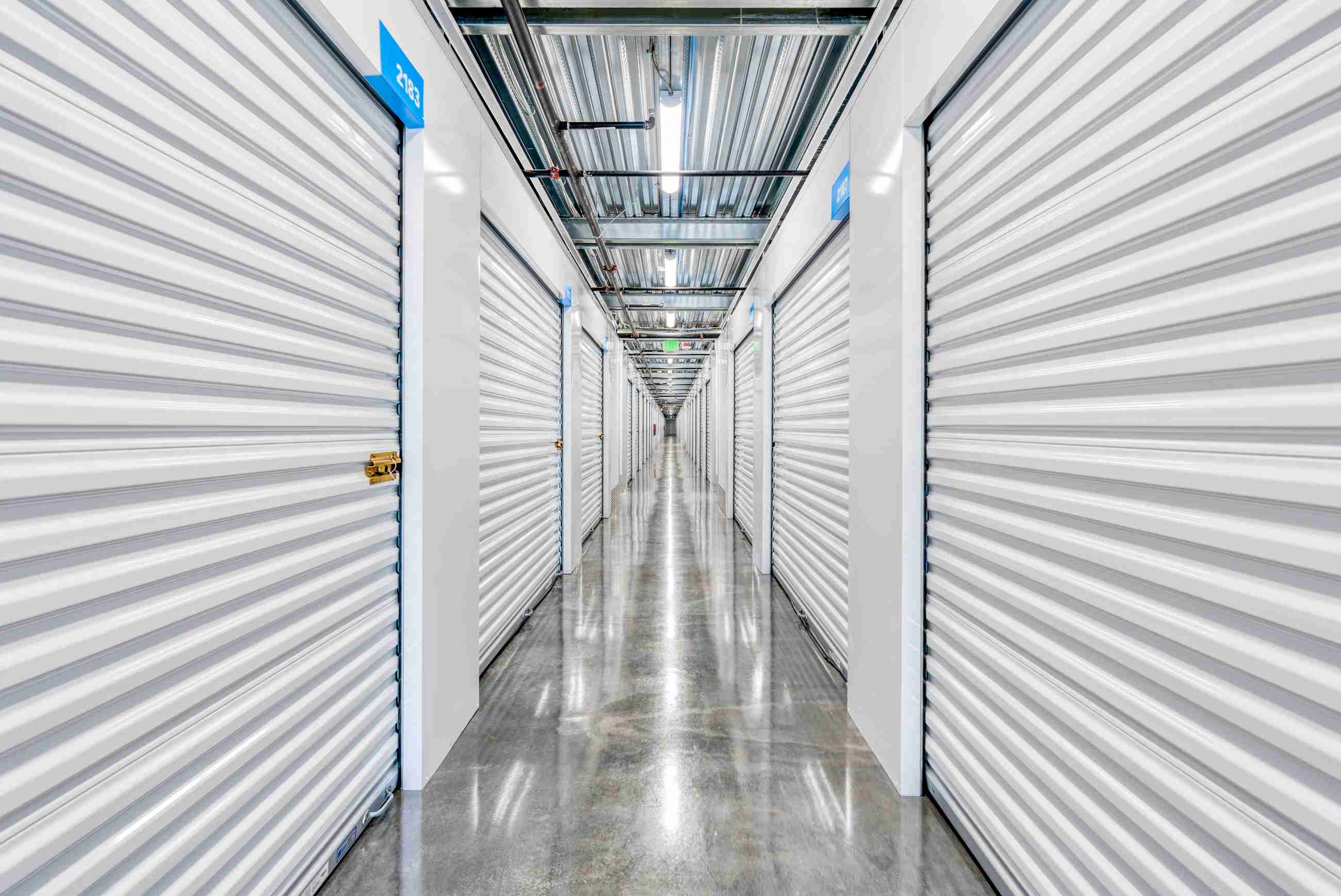
SecureSpace Self Storage Centennial is located at 16061 SE Division St in Portland and serves customers in SE Portland, including Centennial and nearby eastside neighborhoods. In addition to heated indoor storage, the facility offers month-to-month leases, daily access from 7:00 AM to 10:00 PM, online payments, ACH and credit card payment plans, a covered loading area, elevator access, extra-large elevators, carts and dollies, digital video recording, logged access, and overnight surveillance.
If your move involves a lease gap, renovation, downsizing project, or delayed move-in date, a storage unit can provide temporary room while you sort, pack, and settle into your next place. Heated indoor storage is not the same as climate-controlled storage and does not provide strict humidity control, so pack belongings clean and dry, use sealed bins where appropriate, and avoid placing wet items into storage.
Understanding what materials to purchase can help you avoid last-minute supply runs. Start by thinking about your move by category: heavy items, fragile items, clothing, furniture, electronics, documents, and seasonal gear.
The number of boxes depends on your home size, how much you own, and how much you plan to donate or sell before moving. A studio or one-bedroom apartment may need fewer boxes than a larger household, but it is still easy to underestimate how many containers small items require.
Small boxes work well for dense, heavy items like books, tools, canned goods, and documents. Medium boxes are useful for kitchenware, smaller appliances, and mixed household items. Large boxes should usually be reserved for bulky but lightweight belongings like pillows, bedding, folded clothing, or winter coats.
If you are unsure, buy a mix of small and medium boxes first. It is often better to use more smaller boxes than to overpack large boxes that become difficult or unsafe to lift.
Fragile items and electronics need more than an empty box. Packing paper, bubble wrap, foam sheets, and dividers can help reduce shifting during transport. For dishes and glassware, wrap each item individually and fill empty spaces so the contents do not rattle.
For electronics, use original packaging if you still have it. If not, pack cords separately, label them, and use padding around screens, corners, and ports. Plastic bins or sealed containers can be useful for moisture-sensitive items during rainy-season moves.
Furniture may also need protection. Stretch wrap can help keep drawers closed or protect upholstered surfaces from dust during transport, while moving blankets can reduce scratches on wood, metal, or painted surfaces.
Portland's colleges and universities can create predictable spikes in moving activity. Students often face fixed move-out dates, limited vehicle access, and small living spaces that need to be cleared quickly.
For student moves, focus on supplies that are easy to carry and quick to label. Smaller boxes, tape, markers, trash bags, basic padding, and plastic bins can help keep dorm or apartment move-outs organized. If you are moving items into storage between terms, label boxes clearly and keep essentials separate so you do not have to unpack everything later.
Sourcing the right packing supplies is one of the simplest ways to make a move more organized. In Portland, rainy weather, limited loading space, and tight timelines make sturdy boxes, tape, plastic bins, padding, and covers especially useful.
If you need basic moving supplies or temporary storage during a local transition, SecureSpace Self Storage Centennial can help with heated indoor storage, month-to-month leases, daily access from 7:00 AM to 10:00 PM, and practical loading features such as a covered loading area, elevator access, extra-large elevators, and carts and dollies.
Explore current options for self storage in SE Portland, OR before moving day.
SecureSpace facilities offer basic moving supplies, but specific purchase requirements and product availability can vary. Contact SecureSpace Self Storage Centennial before visiting if you need a specific type or quantity of supplies.
Use sturdy boxes, sealed bins for moisture-sensitive items, packing tape, protective padding, and weather-resistant covers when rain is likely. Avoid staging unprotected boxes outside on wet pavement, and let wet outdoor gear or furniture dry before packing or storing it.
After unpacking, break down cardboard boxes and follow current Portland recycling guidance. Remove non-recyclable materials where required, and keep plastic wrap, foam, and other packing materials separate from cardboard recycling.
SecureSpace offers basic moving supplies, but specialized product availability is not guaranteed. For fragile items, ask the facility about current supplies and plan to use packing paper, padding, bubble wrap, dividers, or sturdy containers as needed.
Everything you need to store your belongings securely, on your schedule.
Visit us online