Last updated Jul 31, 2026
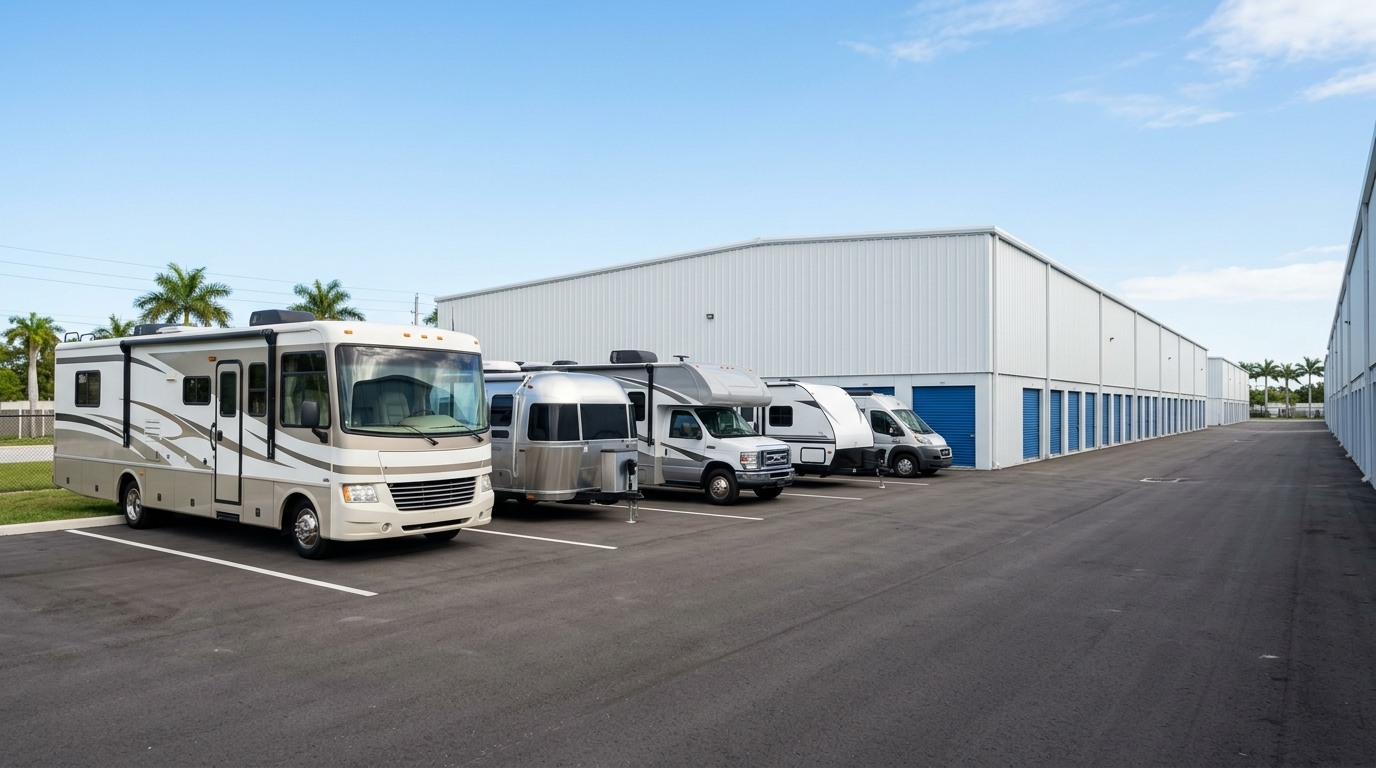
Quick answer: RV storage in Homestead, FL is often a necessity, not a luxury. Strict Miami-Dade County codes and local HOA rules limit where you can park a recreational vehicle at home, while hurricane season and intense sun threaten unprotected rigs.
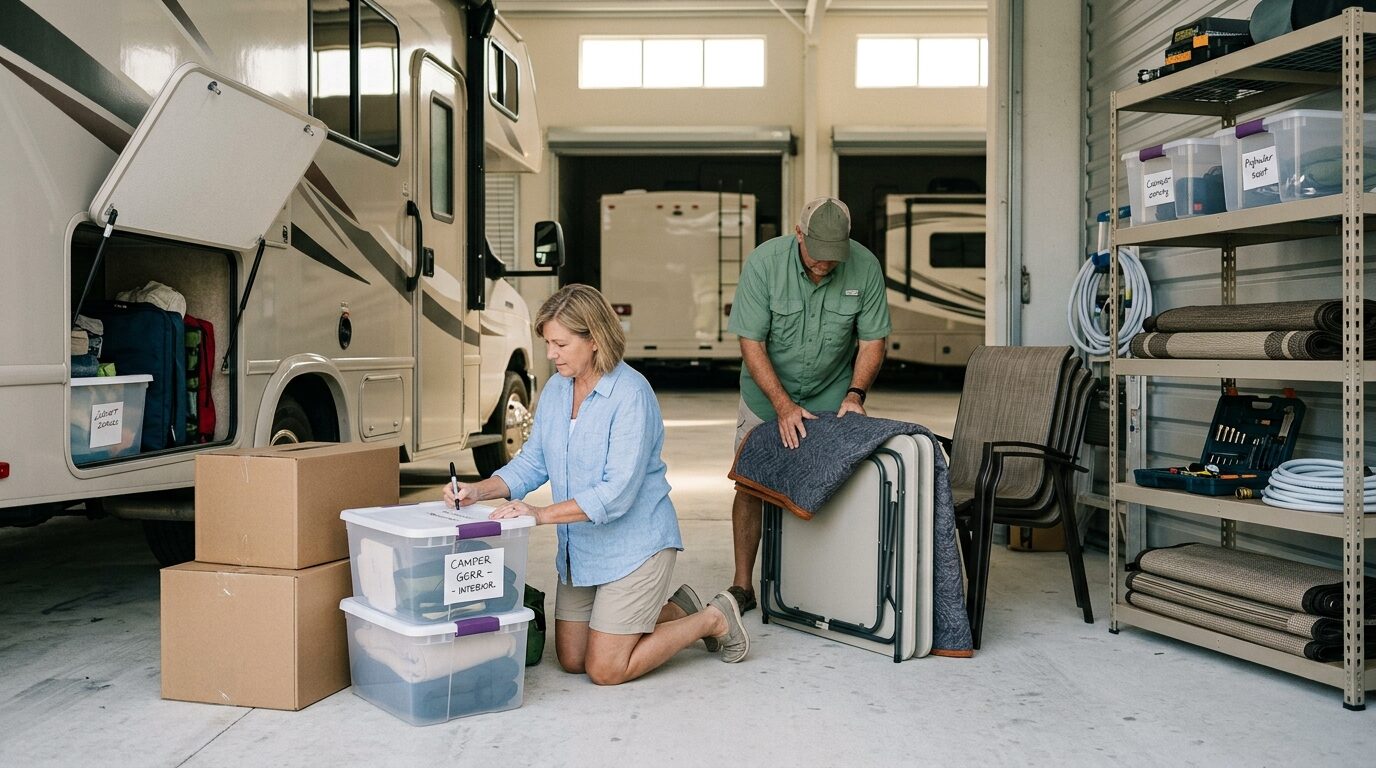
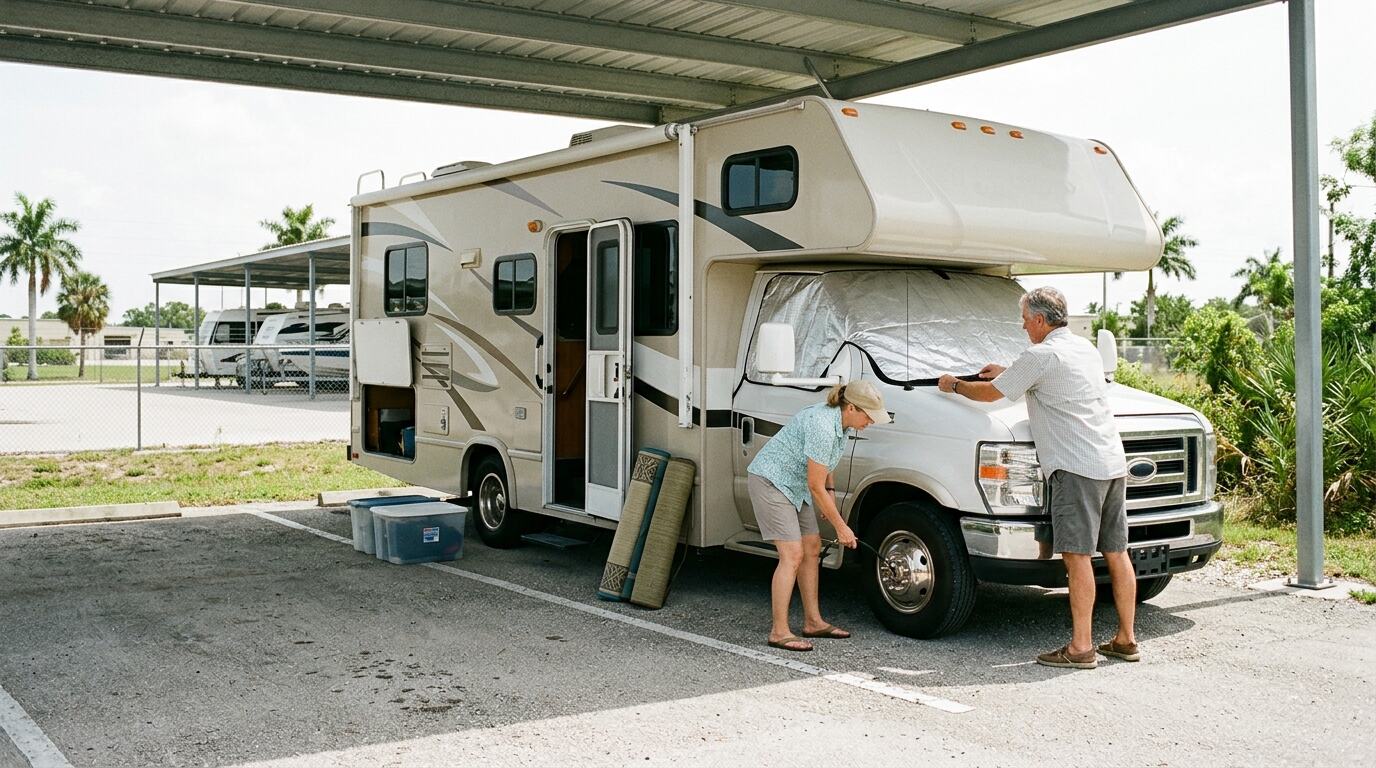
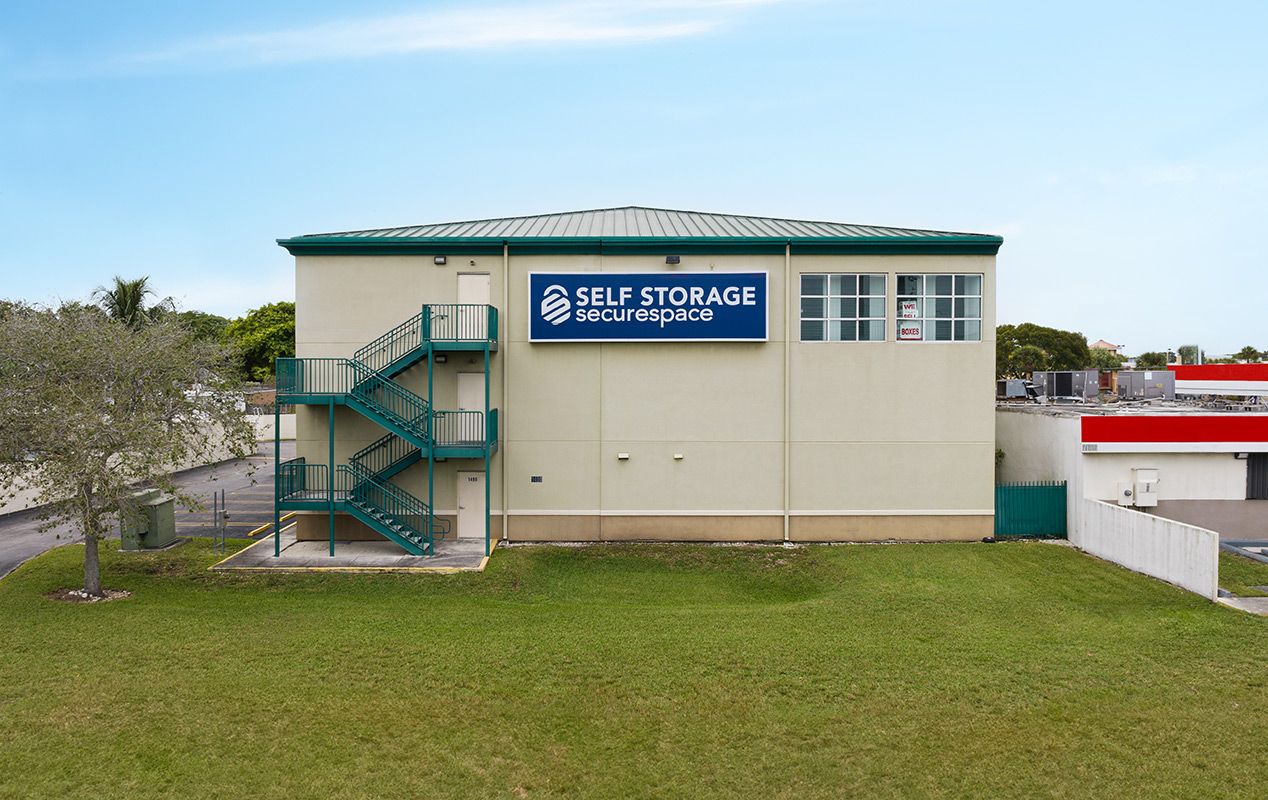
A secure, paved commercial facility like SecureSpace Self Storage at 1496 Old Dixie Hwy keeps your RV compliant, protected, and ready for the road.
If you own an RV in Homestead, you already know the challenge. Where do you keep it? Your driveway might invite a county citation. Your HOA may send a warning letter. And when a hurricane watch goes up, you need your rig somewhere safe-fast.
This guide breaks down everything Homestead RV owners need to know about storage. We'll cover the local rules that limit home parking, how Florida's storage laws actually apply, what to look for in a quality facility, and how much you can expect to pay. By the end, you'll know exactly how to store your RV with confidence.
Homestead sits in a unique spot. It's the Gateway to the Everglades and Biscayne National Parks, just a short drive from the Florida Keys. That makes it a hub for RV owners who love the outdoors. But the same area comes with strict parking rules, an active military community near Homestead Air Reserve Base, and serious weather risks.
For most RV owners here, off-site storage isn't optional. It's the practical way to stay legal, protect a valuable investment, and keep your rig ready for the next adventure.
Homestead RV owners face two layers of rules: county code and HOA covenants. Both can be strict, and breaking them gets expensive.
Under Miami-Dade County's recreational vehicle rules, you can't simply park an RV in your driveway. The vehicle must sit in the rear or side yard, behind the front building line. It also has to meet the same setback rules as your home and stay at least 10 feet from the rear property line. On top of that, the county bans major repairs on the property and prohibits using the RV for sleeping or living while it's parked.
If you don't comply, the fines add up quickly:
Many Homestead communities enforce rules that go even further than the county. The Keys Gate Community Association, for example, bans on-street parking and parking on lawns, and requires guest passes for visitor vehicles. Master-planned neighborhoods like The Isles at Oasis maintain strict aesthetic standards that leave no room for a large RV in the driveway.
A warning letter from your HOA or a code officer is usually what sends owners searching for storage in the first place.
Not for most Homestead residents. Here's why.
Florida Statute 720.3045, which took effect July 1, 2023, says an HOA can't broadly restrict storing an RV on your own property. When the law passed, many owners assumed they could finally park in their driveways.
But there's a catch. The law only protects your RV if it's not visible from the street, an adjacent property, a neighboring common area, or a community golf course. In Homestead's dense, zero-lot-line neighborhoods, hiding a 30-foot motorhome or a tall fifth-wheel completely from view is nearly impossible. As legal experts at Becker & Poliakoff explain, the visibility requirement limits how much relief the statute actually provides.
The bottom line: for most homeowners, off-site storage remains the safest way to stay compliant and protect your rig.
South Florida's climate is hard on recreational vehicles. Two threats stand out: hurricanes and the sun.
During hurricane season, the Florida Division of Emergency Management issues evacuation orders that often target mobile homes and RV parks first. If you're not driving your RV out of harm's way, it needs to be secured. Best practices from the Florida RV Trade Association include emptying holding tanks, shutting off propane, removing awnings and external attachments, and anchoring the vehicle against high winds. Some HOAs, like Keys Gate, even require boats and trailers to be removed from driveways the moment a hurricane watch is issued.
Year-round, the intense Florida sun causes real damage too. UV exposure degrades fiberglass, dries out roof seals, and shortens tire life. A covered, paved storage space shields your RV from both the sudden violence of a storm and the slow wear of constant sun.
When comparing facilities, focus on the features that actually protect your investment and make your life easier.
Paved surfaces: Unpaved agricultural lots may look cheap, but mud, dust, pests, and tire rot can cost you far more in repairs. Paved asphalt or concrete keeps your rig clean and stable.
Covered parking: Look for covered options that defend against UV damage and rain.
Wide drive aisles: Maneuvering a large rig into a tight space is stressful. Wide aisles make backing in far easier.
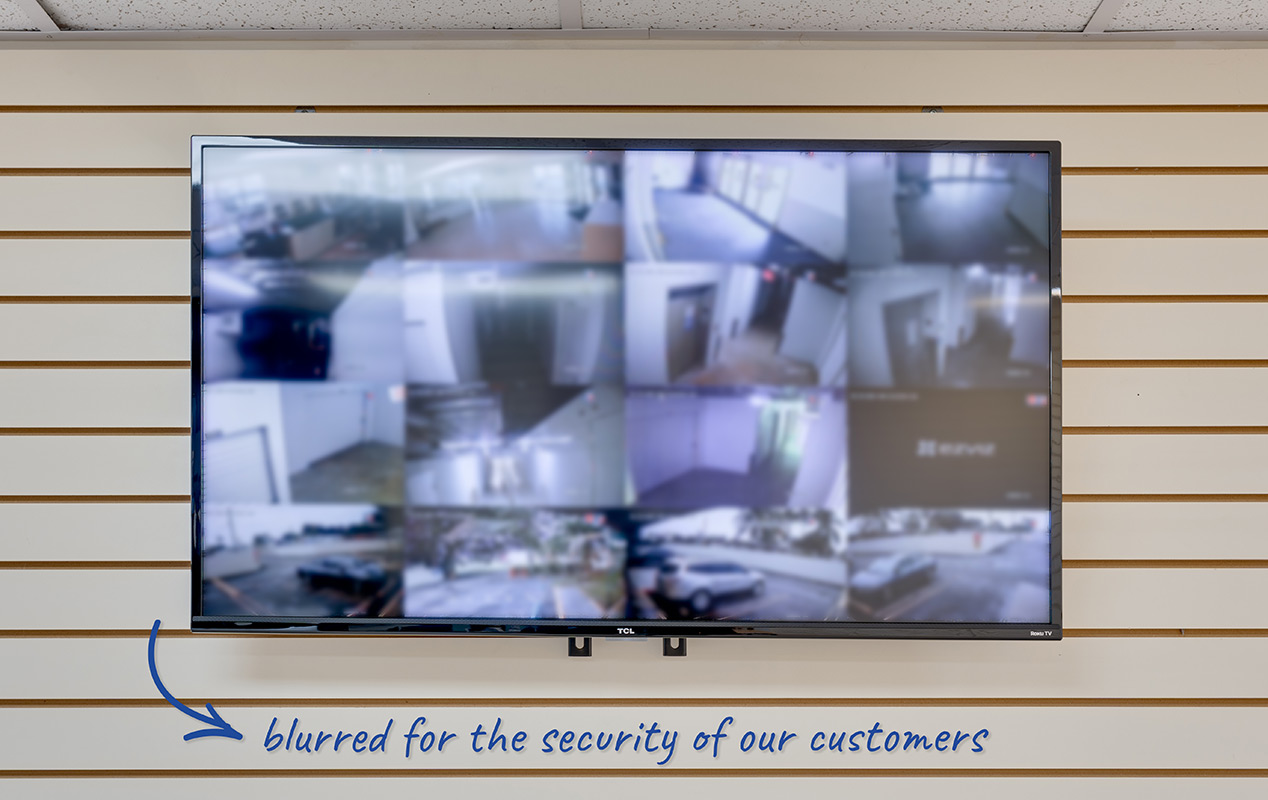
Strong security: Video surveillance, bright LED lighting, perimeter fencing, and gated access protect a high-value asset that may sit unattended for weeks.
Flexible terms: Month-to-month leases matter, especially for military personnel facing deployments.
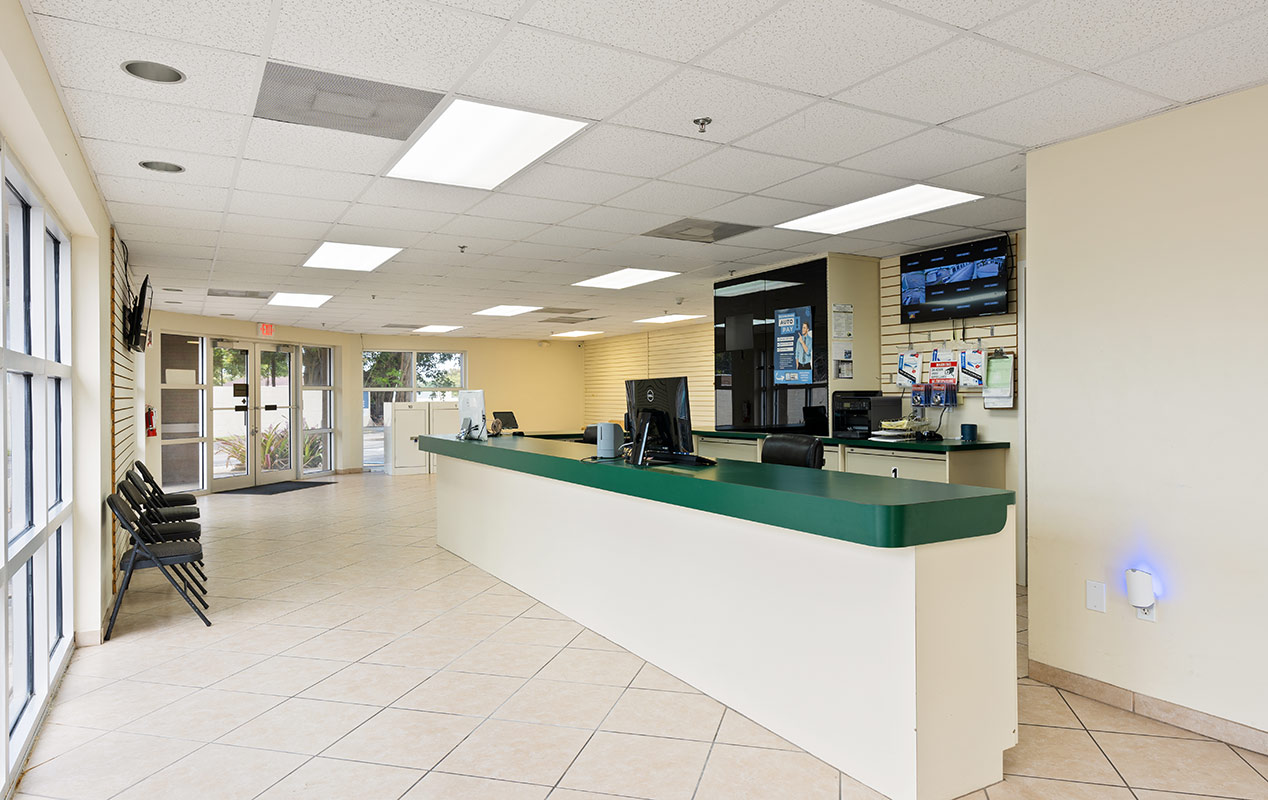
Real support: On-site staff and transparent billing beat automated, staff-less kiosks where no one answers when you need help.
It can be tempting to save money with a budget dirt lot in the Redland area. But think long-term. Peer-to-peer dirt lots may run $100 to $215 a month, yet they expose your RV to deep mud during the wet season, corrosive agricultural dust, rodents, and accelerated tire damage. A paved commercial facility costs more upfront but saves you from expensive undercarriage rust, tire rot, and pest repairs down the road.
Choose paved commercial storage if protecting a high-value rig matters more than saving a few dollars a month-which it does for most owners.
Prices vary based on surface type, security, and space size. Unpaved dirt lots in the nearby Redlands start around $100 to $200 per month but offer little protection. Premium paved, secure spaces for large rigs typically range from about $200 to over $400 per month, depending on size and amenities.
For most owners storing a vehicle worth tens of thousands of dollars, the higher cost of a secure, paved facility is a smart trade-off. You're not just renting a parking spot-you're protecting an investment.
Location is often the deciding factor. The ideal storage spot sits right next to the major highways you'll use to reach your destinations.
Homestead is served by U.S. Route 1 (South Dixie Highway) and Florida's Turnpike, with key access points like Exit 2 at Campbell Drive. A facility located on Old Dixie Highway puts you minutes from these routes. That means you can hitch up, merge onto the highway, and head south to the Keys or west into the Everglades-without dragging a heavy trailer through miles of stop-and-go residential traffic.
Yes. Because Miami-Dade County codes and local HOAs like Keys Gate and The Isles at Oasis restrict RV parking at home, off-site commercial storage is the standard way to stay compliant. A secure, paved facility lets you keep your driveway clear and avoid Chapter 8CC fines, which can reach $810 and lead to property liens for repeat offenses.
In most cases, no. The statute only protects RV storage if the vehicle is fully hidden from the street, neighboring properties, and common areas. In Homestead's dense neighborhoods, hiding a large RV completely is usually impossible, so off-site storage remains the most reliable option.
Budget dirt lots may start around $100 to $200 per month but expose your RV to mud, dust, and pests. Secure, paved spaces for large rigs generally run from $200 to over $400 per month, with the flexible month-to-month terms that deploying military personnel often need.
For most owners, yes. Unpaved lots can cause undercarriage rust, tire rot, and rodent damage that cost far more than the monthly savings. Paved, secure storage protects your rig and your wallet over time.
As close as possible. A facility near U.S. Route 1 and Florida's Turnpike lets you reach the Keys or the Everglades quickly, without towing through heavy residential traffic. Old Dixie Highway is an ideal location for exactly this reason.
RV storage in Homestead comes down to three things: staying compliant with strict local rules, protecting your rig from weather and wear, and choosing a location that makes every trip easier. A secure, paved facility checks all three boxes.
SecureSpace Self Storage at 1496 Old Dixie Hwy offers fully paved spaces, strong security, flexible month-to-month terms, and real on-site support-just minutes from the Turnpike and the Gateway to the Keys.
Ready to keep your RV safe and road-ready? Reserve your space at SecureSpace Self Storage today.
Everything you need to store your belongings securely, on your schedule.
Visit us online