Last updated Jun 20, 2026
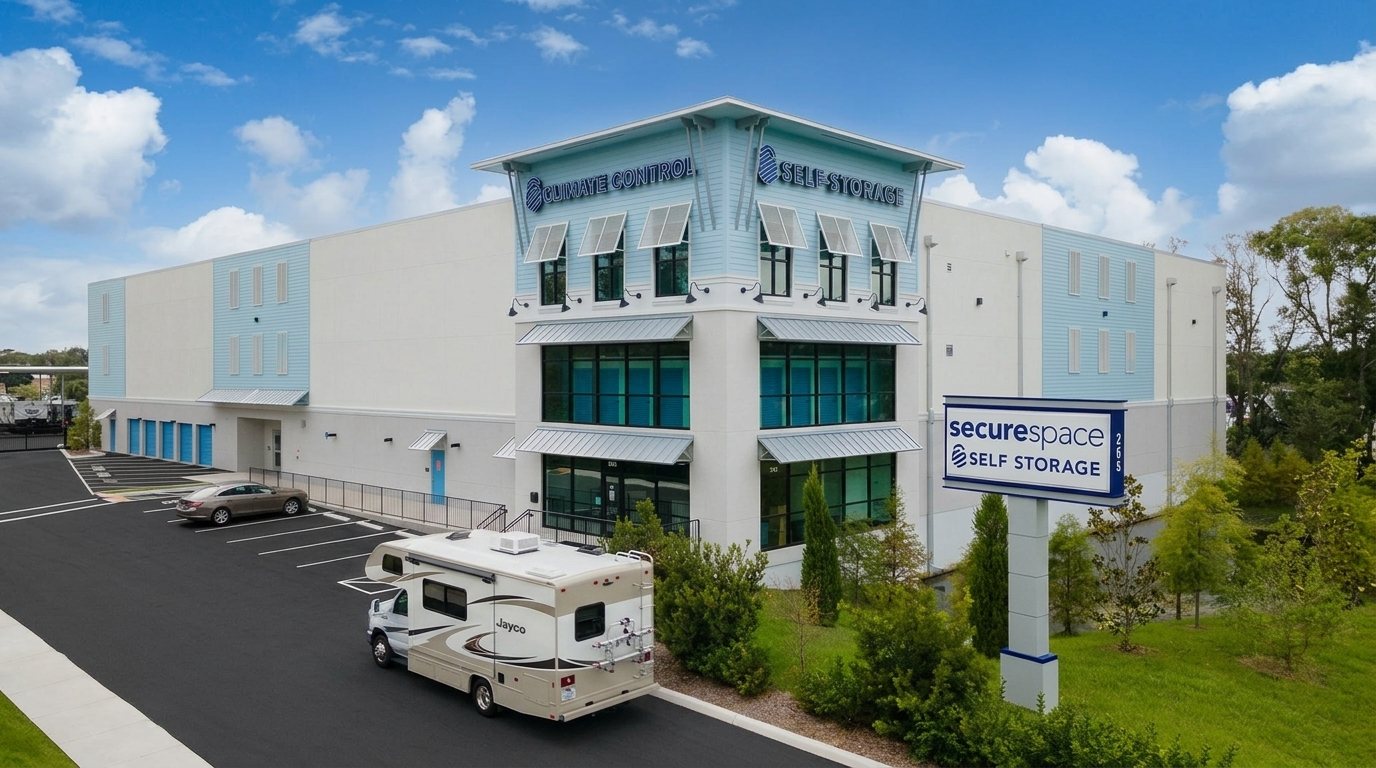
Recreational vehicles offer a memorable way to explore Florida and beyond. For residents of Palm Harbor, a motorhome, camper, boat trailer, or travel trailer can make weekend trips, seasonal travel, and outdoor recreation easier to enjoy. Finding the right place to park it between trips is the harder part.
Residential neighborhoods in this region are often not designed for larger recreational vehicles, and some communities have rules that limit where RVs, boats, trailers, or other vehicles can be kept. A dedicated parking option can help keep your driveway clear while giving you a more practical place to store an eligible vehicle.
This guide explains what to review before renting RV storage in Palm Harbor, including local parking considerations, vehicle preparation, parking-space fit, access, and facility features.
Many motorhome and trailer owners are surprised to learn that residential parking rules can vary significantly by neighborhood. Palm Harbor includes master-planned neighborhoods, deed-restricted communities, and active Homeowner Associations (HOAs), and those rules can affect where recreational vehicles, boats, and trailers may be parked.
Communities like Lansbrook and Highland Lakes may have covenants that limit visible parking for recreational vehicles, boats, or trailers. Exact rules can vary by community, property type, and current governing documents, so homeowners should always review their HOA covenants before parking a vehicle at home.
Even if you live outside of a deed-restricted HOA neighborhood, local rules may still apply. Pinellas County Code Enforcement provides guidance on code-related issues in unincorporated areas, and residents should verify current vehicle parking rules before making long-term plans.
Florida law and HOA rules can also change, so avoid relying on general assumptions. If you own an RV, camper, boat, or trailer, check your community rules, county guidance, and any applicable city or association requirements before deciding where to park it.
A dedicated commercial parking option can be helpful when driveway, street, or HOA parking is limited.
A recreational vehicle is a major investment, and Florida Gulf Coast conditions can affect stored vehicles over time. Sun, heat, moisture, salt air, and seasonal storms can all influence how you prepare your RV, camper, boat, or trailer before storage.
Palm Harbor receives strong sun exposure through much of the year. Over time, UV exposure may contribute to fading, drying, or wear on exterior surfaces, tires, seals, decals, and other materials.
Before storing your vehicle, review manufacturer guidance for tire care, exterior cleaning, seal maintenance, and battery storage. A fitted cover may be useful for some vehicles, but confirm whether covers are allowed and appropriate for your model and parking setup.
Florida humidity can affect stored vehicles, especially if an RV or camper is sealed up with damp fabrics, leftover food, wet gear, or poor airflow. Before storing, clean the interior, remove food and trash, dry fabrics fully, and follow manufacturer recommendations for ventilation or moisture-control products.
Avoid making storage a substitute for regular maintenance. Check the vehicle periodically when possible and address signs of moisture, odor, leaks, or pest activity early.
Palm Harbor's Gulf Coast setting can expose vehicles to salty air, especially near coastal roads and waterways. Washing the exterior before storage can help remove road grime, salt residue, and debris. Owners should also follow manufacturer guidance for protecting exposed metal, seals, tires, and electrical components.
Florida's storm season can bring heavy rain, wind, and flying debris. Commercial storage is not a guarantee of protection from storms or weather-related damage, so owners should take precautions before storing a vehicle.
Inspect roof seals, windows, vents, and exterior compartments before parking. Remove loose items, secure awnings, check covers if used, and keep insurance and registration documents current.
Choosing the right parking space starts with measuring your vehicle. Do not rely only on the model name or general RV category. Measure from the farthest front point to the farthest rear point, including bumpers, ladders, spare tires, hitches, trailer tongues, bike racks, or accessories.
You should also consider height, width, turning space, door swing, slide-outs, and whether you need room to access compartments while parked. Parking dimensions and availability vary, so confirm current space size and facility rules before renting.
Compact campers, small boat trailers, teardrop trailers, pop-up campers, and some Class B camper vans may need less parking space than a larger motorhome. Even with smaller vehicles, owners should confirm the total measured length and any documentation requirements before renting.
Travel trailers, Class C motorhomes, and larger towables often require more planning. Measure the full length with the hitch or tongue included, and confirm whether the parking space allows enough room for safe entry, exit, and maneuvering.
Class A motorhomes, fifth wheels, and larger toy haulers may need longer parking spaces and more maneuvering room. Before renting, confirm that the facility can accommodate your vehicle's total length, height, width, and turning needs.
If you are unsure about fit, check your owner's manual, measure the vehicle yourself, and contact the facility before reserving a parking space.
Not all vehicle storage options are the same. When comparing RV storage in Palm Harbor, look beyond the monthly price and consider whether the space fits your vehicle, schedule, and storage expectations.
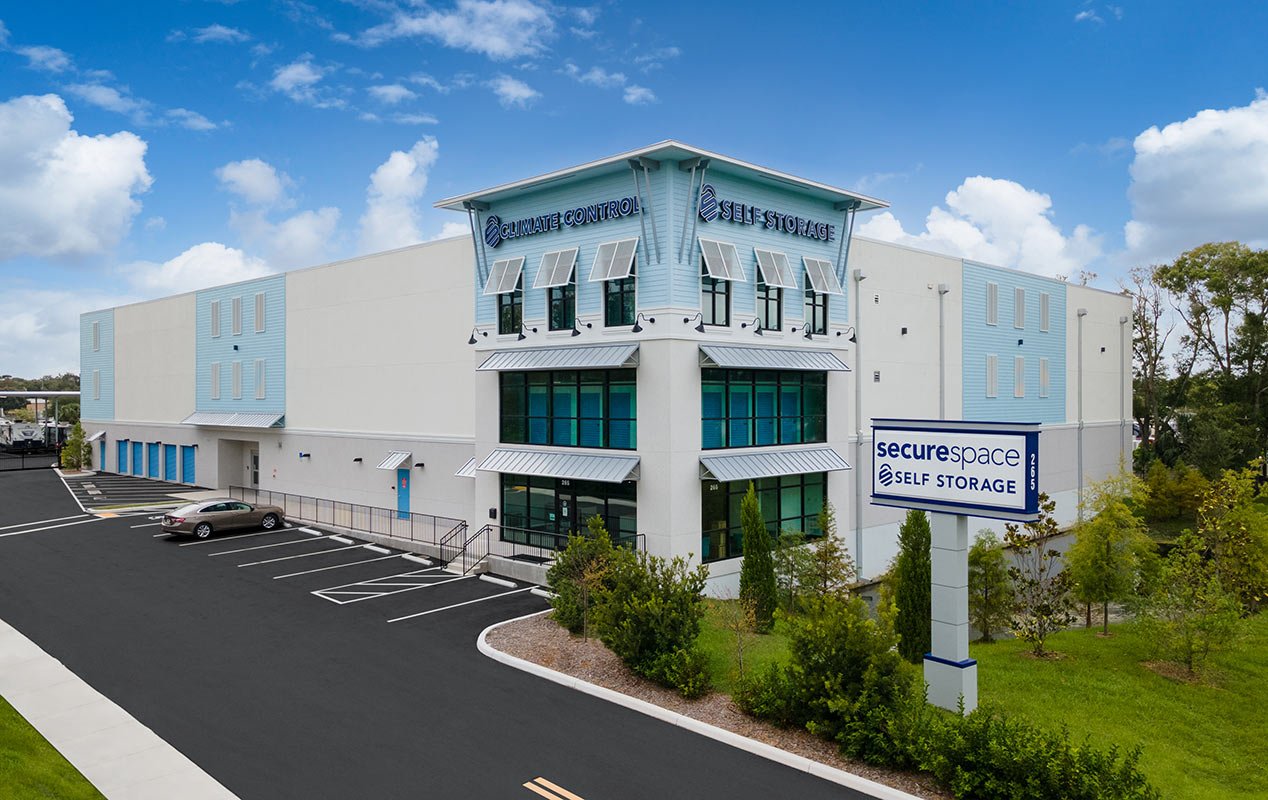
SecureSpace Self Storage Palm Harbor offers outdoor parking and covered parking for eligible vehicles, including motor vehicles, RVs, boats, and cars. Covered parking may reduce direct exposure to sun and rain compared with uncovered parking, but it is not a guarantee of protection from weather, salt air, storms, UV exposure, corrosion, or other risks.
Before renting, confirm current availability, parking dimensions, surface type, documentation requirements, and facility rules. If your RV is especially long, tall, or difficult to maneuver, ask about access and turning space before making plans.
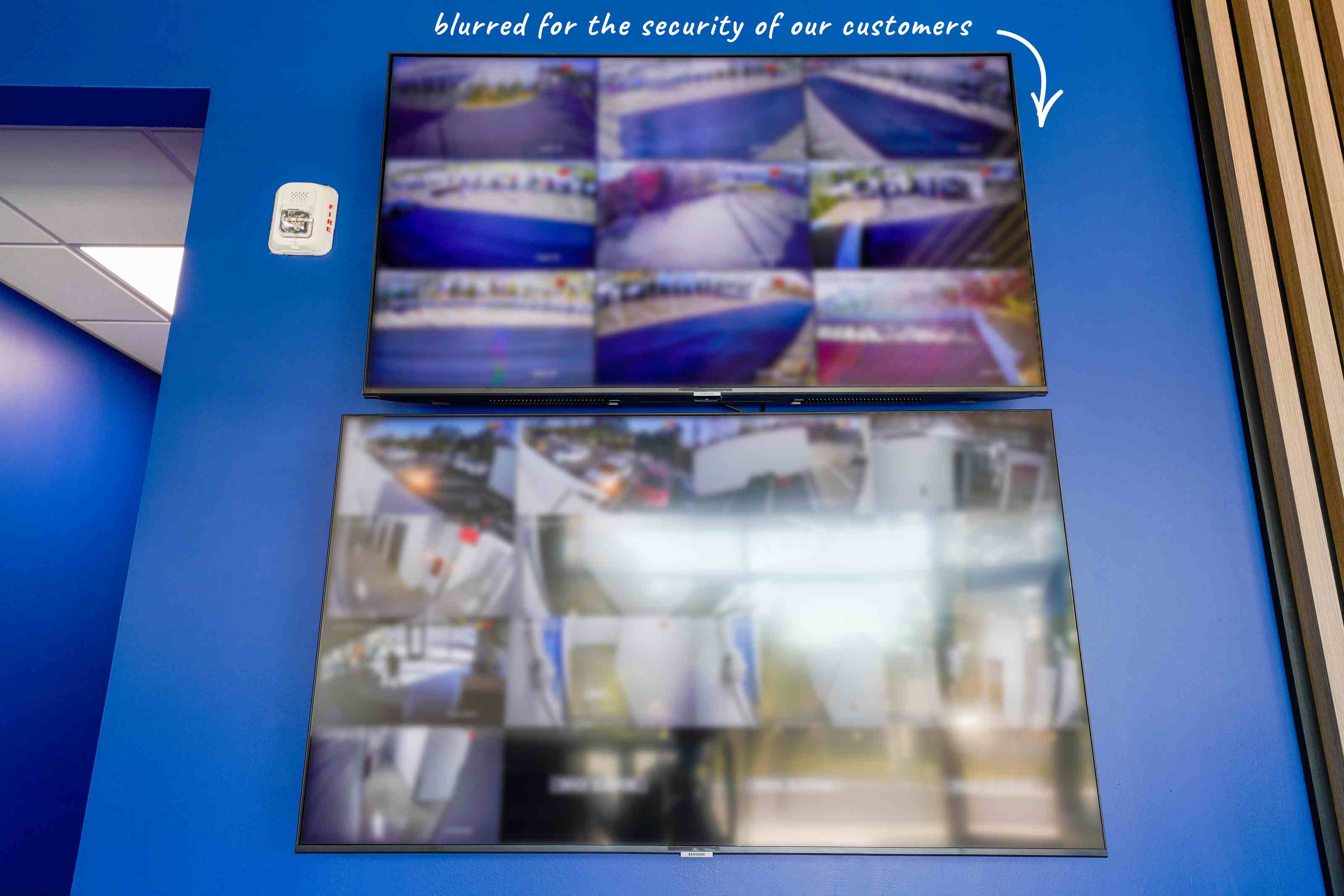
Security-related features are important when storing a vehicle away from home. SecureSpace Self Storage Palm Harbor includes an access gate, digital video recording, overnight surveillance, logged access, and touchless computer-controlled access.
No facility can eliminate every risk. Use appropriate locks or anti-theft devices, remove valuables from the vehicle, keep photos and records of your RV, and review insurance or coverage options before storing.
Your travel schedule should work with the facility's access window. SecureSpace Self Storage Palm Harbor offers daily gate access from 6:00 AM to 10:00 PM. Plan pickups, returns, loading, and trip preparation around those hours.
Leasing office hours are separate from gate hours, so check office availability if you need staff assistance.
Some RV owners need electrical hookups or other maintenance features, but those should not be assumed unless a facility confirms them. SecureSpace Self Storage Palm Harbor does not have confirmed electrical hookup details in the source information for this article.
Before long-term storage, follow your owner's manual for battery care, tires, fuel, fluids, pest prevention, and interior moisture control. If your RV requires charging, dehumidification, or other ongoing maintenance, confirm your options before renting a parking space.
Residential RV parking rules can vary by neighborhood, HOA, and property type. Some communities may restrict visible RV, boat, or trailer parking, and local code requirements may also apply in unincorporated areas. Review your HOA documents, county guidance, and current local rules before parking a recreational vehicle at home.
Commercial parking can give owners a dedicated place to store an eligible RV, boat, trailer, or car, but it is not a guarantee against weather damage. Covered parking may reduce direct exposure to sun and rain compared with uncovered parking. Owners should still follow manufacturer guidance for cleaning, seals, tires, batteries, fluids, covers, and storm-season preparation.
Class A motorhomes vary widely in length, height, and width. Measure the full vehicle, including bumpers, ladders, hitches, spare tires, or rear accessories, before renting. Then confirm current parking dimensions, maneuvering room, documentation requirements, and facility rules.
SecureSpace Self Storage Palm Harbor offers daily gate access from 6:00 AM to 10:00 PM. If you are planning an early departure or late return, schedule loading and pickup within that access window.
Finding a practical parking option for your recreational vehicle can make RV ownership easier to manage. By reviewing local rules, measuring your vehicle carefully, preparing it for Florida conditions, and confirming facility requirements before renting, you can choose a parking option that fits your needs.
SecureSpace Self Storage Palm Harbor offers outdoor parking and covered parking for eligible vehicles, including motor vehicles, RVs, boats, and cars. Availability, space dimensions, documentation, and facility rules may vary, so confirm details before reserving.
Reserve your space at SecureSpace Self Storage Palm Harbor today!
Everything you need to store your belongings securely, on your schedule.
Visit us online