Last updated Jul 2, 2026
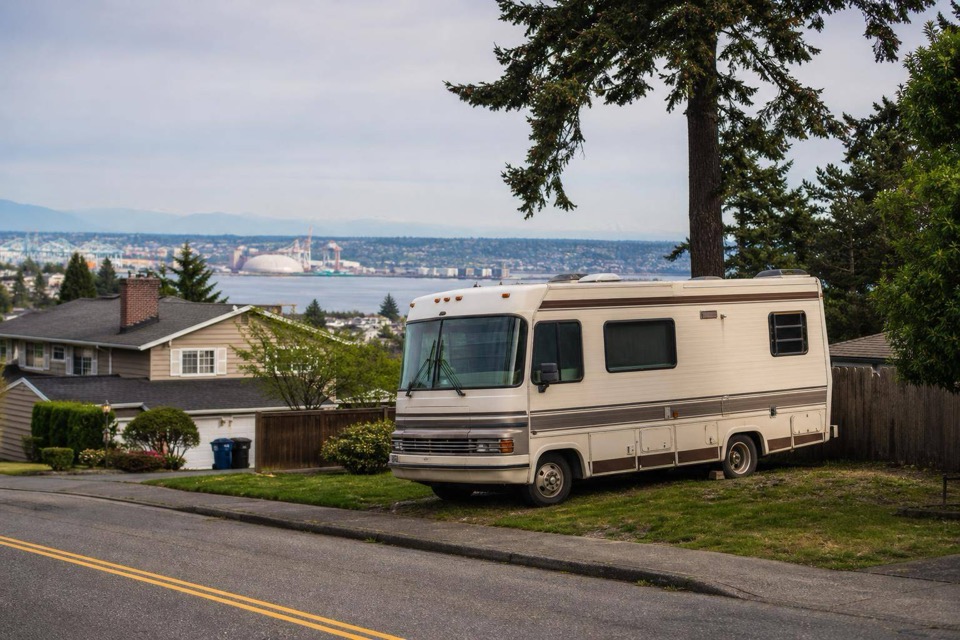
Owning a recreational vehicle in the Pacific Northwest can make weekend trips, summer travel, and outdoor plans easier to enjoy. Tacoma RV owners are within reach of regional destinations like Mount Rainier National Park and Olympic National Park, but storing a motorhome, camper, trailer, or other recreational vehicle at home is not always simple.
Residential parking space, city rules, wet weather, vehicle dimensions, and neighborhood layouts can all affect where an RV can be stored. For many owners, commercial storage may be a practical option when driveway, street, or HOA restrictions make home storage difficult.
This guide explains what Tacoma RV owners should review before choosing storage, including local parking rules, weather preparation, facility features, vehicle dimensions, access needs, and current availability.
Storing an RV at home often depends on lot size, driveway layout, neighborhood rules, and whether the vehicle can be parked without blocking access or violating local requirements. Larger motorhomes and travel trailers can be especially difficult to fit on smaller residential lots, apartment properties, townhome communities, or shared driveways.
Tacoma's housing patterns can also limit oversized vehicle storage. In many parts of the city, residents may have little or no dedicated space for a recreational vehicle. Apartments, ADUs, compact lots, and denser residential areas can make it hard to keep an RV close to home.
That is why many RV owners compare commercial storage when a vehicle is too large for a driveway, not allowed by an HOA, difficult to park legally, or inconvenient to reposition.
Before leaving an RV on a public street or residential property, review current city parking and zoning rules. The Tacoma municipal code includes rules for parking vehicles, including abandoned vehicle enforcement and other restrictions that may affect long-term street parking.
Street parking rules can change, and enforcement can depend on vehicle condition, movement, location, signage, weight, use, and whether the vehicle is creating a safety or access issue. RV owners should also check whether any HOA, lease, neighborhood, or property-specific rules apply.
If you are unsure whether your RV can remain parked in a certain place, confirm the current requirements with the City of Tacoma or the relevant property manager before relying on street or driveway storage.
Tacoma's wet seasons make RV storage preparation important. Rain, cool temperatures, and moisture can affect how owners prepare a recreational vehicle before leaving it parked for an extended period.
Exterior materials, seals, roofing components, and trim can wear over time, and prolonged exposure can contribute to maintenance issues. Pacific Northwest roofing guidance notes that moisture and weather exposure can degrade exterior fiberglass components and other exterior materials, which is one reason RV owners should stay proactive with inspections and upkeep.
Storage should not be treated as guaranteed protection from moisture, mold, mildew, leaks, rust, UV exposure, theft, vandalism, or mechanical issues. Before storing an RV, clean and dry the vehicle, check seals and roof areas, remove food, follow manufacturer guidance for ventilation and batteries, and confirm whether covers or accessories are allowed at the facility.
RV and vehicle storage options can vary by location, vehicle size, access path, parking availability, documentation, and facility rules. Before choosing a facility, compare the details for the specific Tacoma-area location you are considering.
SecureSpace University Place may be worth reviewing if you are comparing storage around University Place, Fircrest, West Tacoma, or nearby areas.
SecureSpace Tacoma - South Tacoma Way can be useful to compare if you want options near central Tacoma routes, South Tacoma Way, or I-5 access.
SecureSpace Parkland Tacoma may be a practical option to review for customers comparing storage near Parkland, PLU, Spanaway, or the South Tacoma area.
Because vehicle storage depends on current availability and facility-specific rules, confirm dimensions, documentation requirements, access hours, parking details, and rental terms before planning to store an RV, camper, trailer, boat, or vehicle.
The best RV storage option depends on the vehicle and how often you plan to use it. A weekend camper, travel trailer, Class B van, towable trailer, and larger motorhome may all have different storage needs.
Before renting, compare:
Parking or unit availability
Maximum vehicle length, width, and height
Turning space and access path
Gate hours and office hours
Required documentation
Month-to-month lease terms
Current rates and promotion terms
Security-related features
Parking surface and loading areas
Facility rules for covers, batteries, fuel, and maintenance
Whether cars, boats, trailers, motorcycles, or RVs are allowed
Any restrictions on commercial use or vehicle type
Avoid assuming every storage facility can accommodate every RV. Vehicle storage depends on dimensions, availability, access path, documentation, and facility rules.
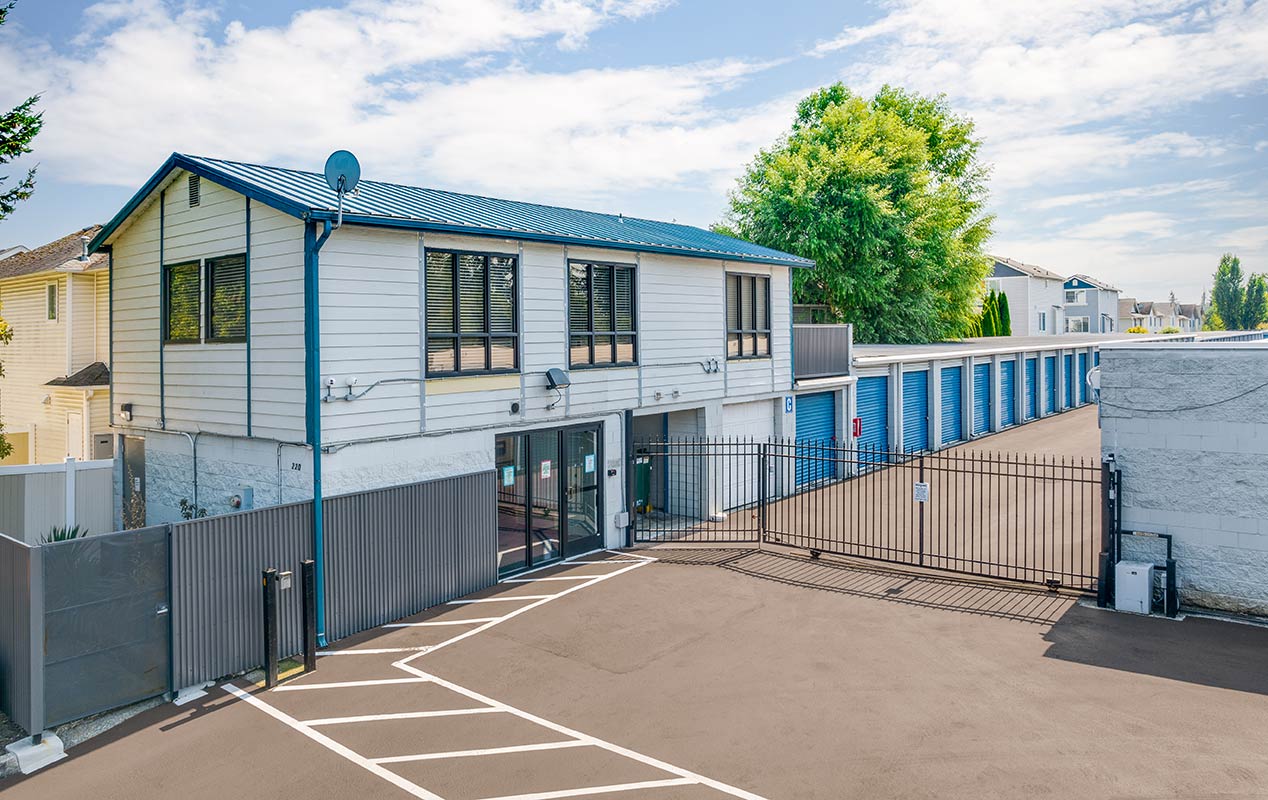
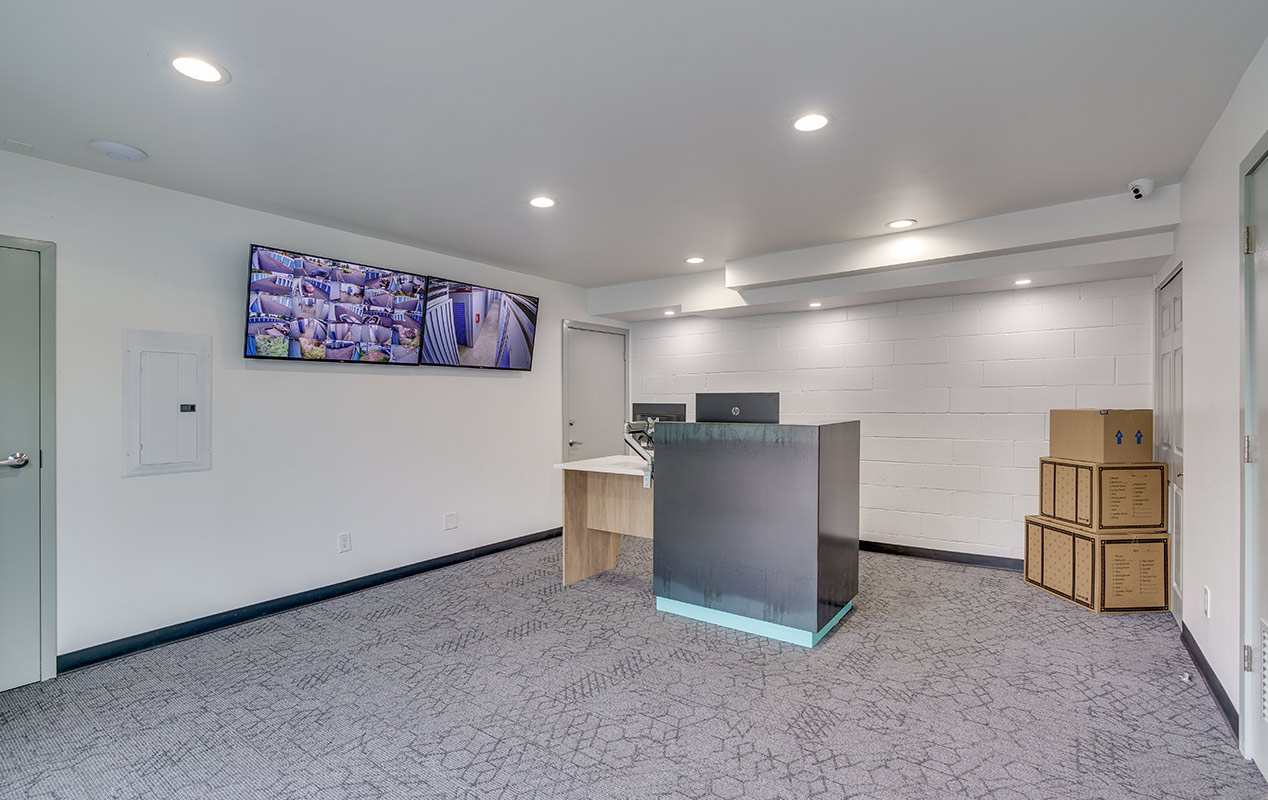
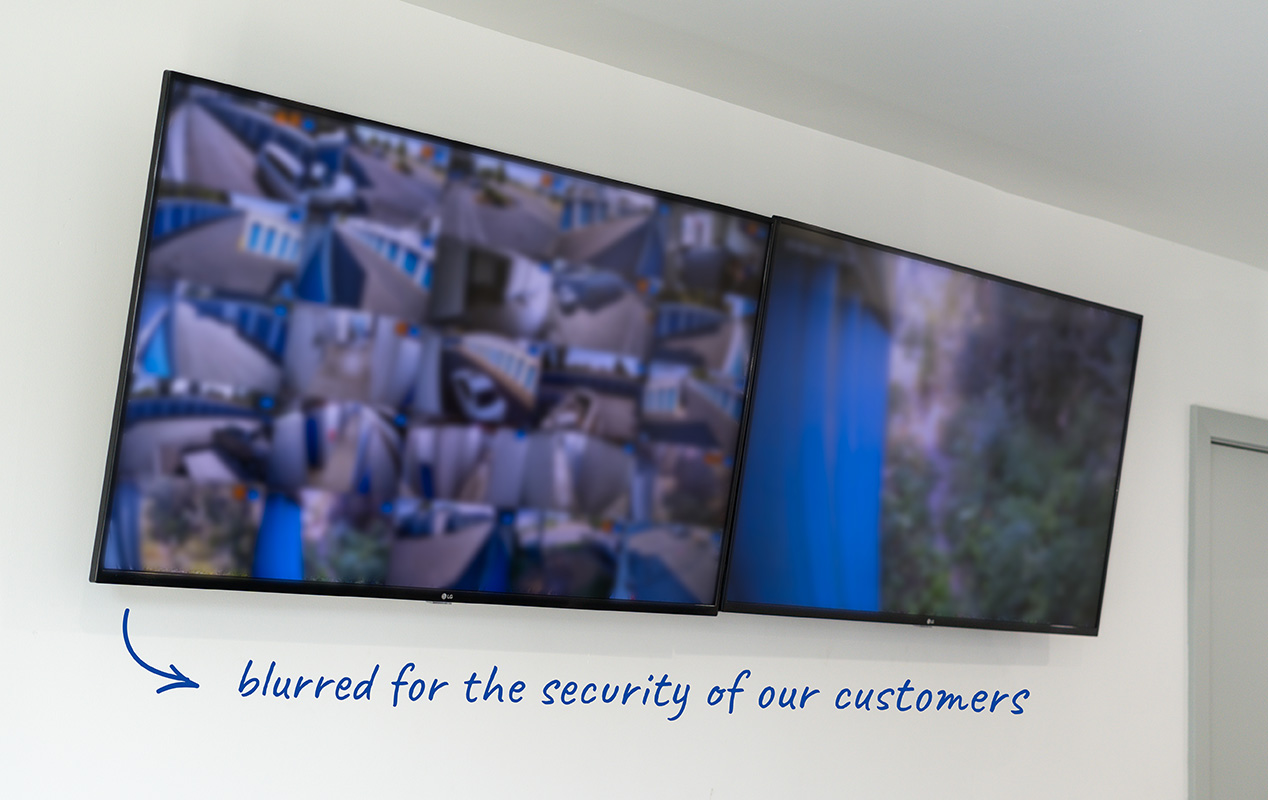
RV owners should compare security-related features before renting, especially if the vehicle will be stored for weeks or months at a time. Features can vary by facility and may include access gates, digital video recording, logged access, surveillance-related systems, or other controls.
Look at the specific facility page rather than assuming every location has the same systems. It is also worth asking about access hours, account access, payment options, and how the facility handles vehicle documentation.
Storage should not be described as guaranteed protection from theft, vandalism, catalytic converter theft, weather damage, or other risks. Owners should take reasonable precautions, keep registration and insurance documents current, remove valuables from the vehicle, and follow the facility's rules.
RV storage may involve outdoor parking, a larger drive-up unit, or other vehicle-friendly options depending on the facility. Not every vehicle fits every option.
Outdoor parking may be useful for eligible RVs, boats, trailers, and vehicles where available. Drive-up units may work for some vehicles only when the vehicle dimensions fit the unit, the access path works, the facility allows it, and the required documentation is provided.
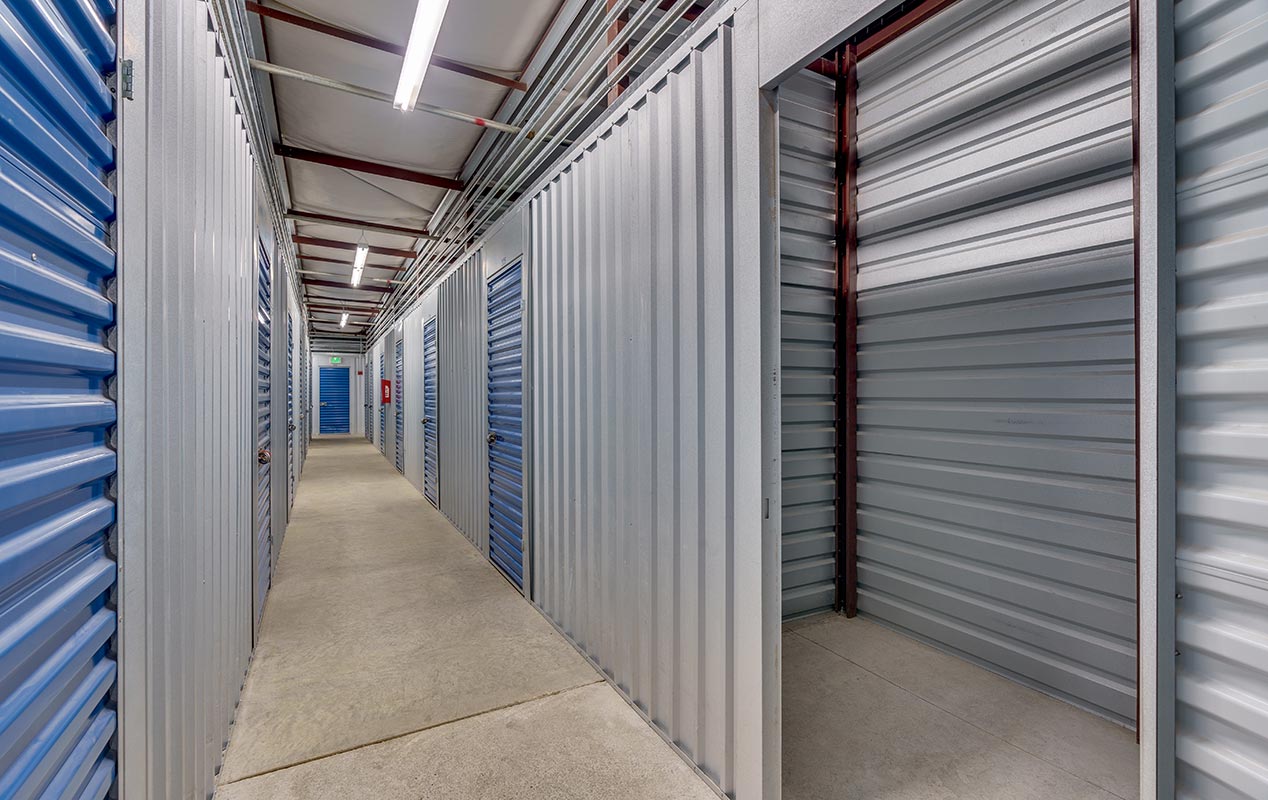
Indoor vehicle storage should be discussed carefully. It depends on vehicle size, unit availability, access path, facility rules, and documentation. Covered parking, enclosed RV storage, and climate-controlled RV storage should not be assumed unless the specific facility confirms those options.
RV storage pricing varies by facility, location, vehicle size, parking type, unit type, current availability, and promotion terms. Larger vehicles and specialty storage options may cost more than standard household storage units, but exact rates change over time.
Before renting, review the full move-in cost, including:
Monthly rate
Promotion terms
Required coverage or insurance
Administrative fees
Payment options
Lock or access requirements, if applicable
Move-out notice requirements
Any vehicle documentation requirements
The cheapest option is not always the right fit if the space is too small, the access path is difficult, or the facility rules do not match your vehicle.
Before storing an RV, prepare it for the length of time it will sit. Good preparation can make the next trip easier and reduce the chance of preventable maintenance issues.
Helpful steps include:
Clean the interior and exterior.
Remove food, trash, and perishables.
Check roof seals, windows, doors, and exterior seams.
Follow manufacturer guidance for batteries, propane, fuel, and tires.
Confirm whether covers are allowed.
Store paperwork and keys securely.
Remove valuables and personal documents.
Note tire pressure and fluid levels.
Keep registration and insurance information current.
Ask the facility which documentation is required before move-in.
If the RV will be stored for a longer period, consider checking it periodically according to manufacturer recommendations and facility access rules.
Tacoma's location near Joint Base Lewis-McChord can make RV storage useful for some military households, especially during PCS moves, deployments, housing transitions, or temporary assignment changes. Storage needs can vary widely depending on vehicle size, orders, housing timing, and whether the RV is used for travel, recreation, or family transitions.
If you are connected to JBLM, compare month-to-month lease terms, access hours, facility location, vehicle documentation requirements, and availability before renting. Do not assume a facility can accommodate every RV or trailer size without confirmation.
RV storage in Tacoma requires more than finding an empty parking space. The right option depends on local parking rules, vehicle dimensions, weather preparation, access needs, current availability, and facility-specific requirements.
Before choosing a space, compare RV storage in Tacoma, WA and review current SecureSpace options for your vehicle size, route, and timeline.
RV storage may be available depending on the facility, vehicle size, parking or unit availability, access path, documentation, and facility rules. Confirm details directly before planning to store a motorhome, camper, trailer, boat, or other vehicle.
Tacoma has parking and abandoned vehicle rules that may affect long-term street parking. Check the current Tacoma municipal guidance, posted signs, and any property or HOA rules before leaving an RV on a public street or residential property.
Covered or indoor RV storage should not be assumed unless the specific facility confirms those options. Many RV owners use outdoor parking or other vehicle storage options, but the right choice depends on vehicle size, availability, facility rules, and how the RV is prepared.
Clean and dry the RV, remove food and valuables, check seals and roof areas, follow manufacturer guidance for batteries and fuel, confirm whether covers are allowed, and make sure registration and documentation are current.
RV storage prices vary by facility, vehicle size, storage type, availability, and current promotions. Review current rates, required coverage, fees, and rental terms before move-in.
Vehicle storage depends on the facility, item size, parking or unit availability, documentation, access path, and facility rules. Confirm directly before planning to store a boat, trailer, motorcycle, RV, or other vehicle.
Everything you need to store your belongings securely, on your schedule.
Visit us online