Last updated Jul 31, 2026
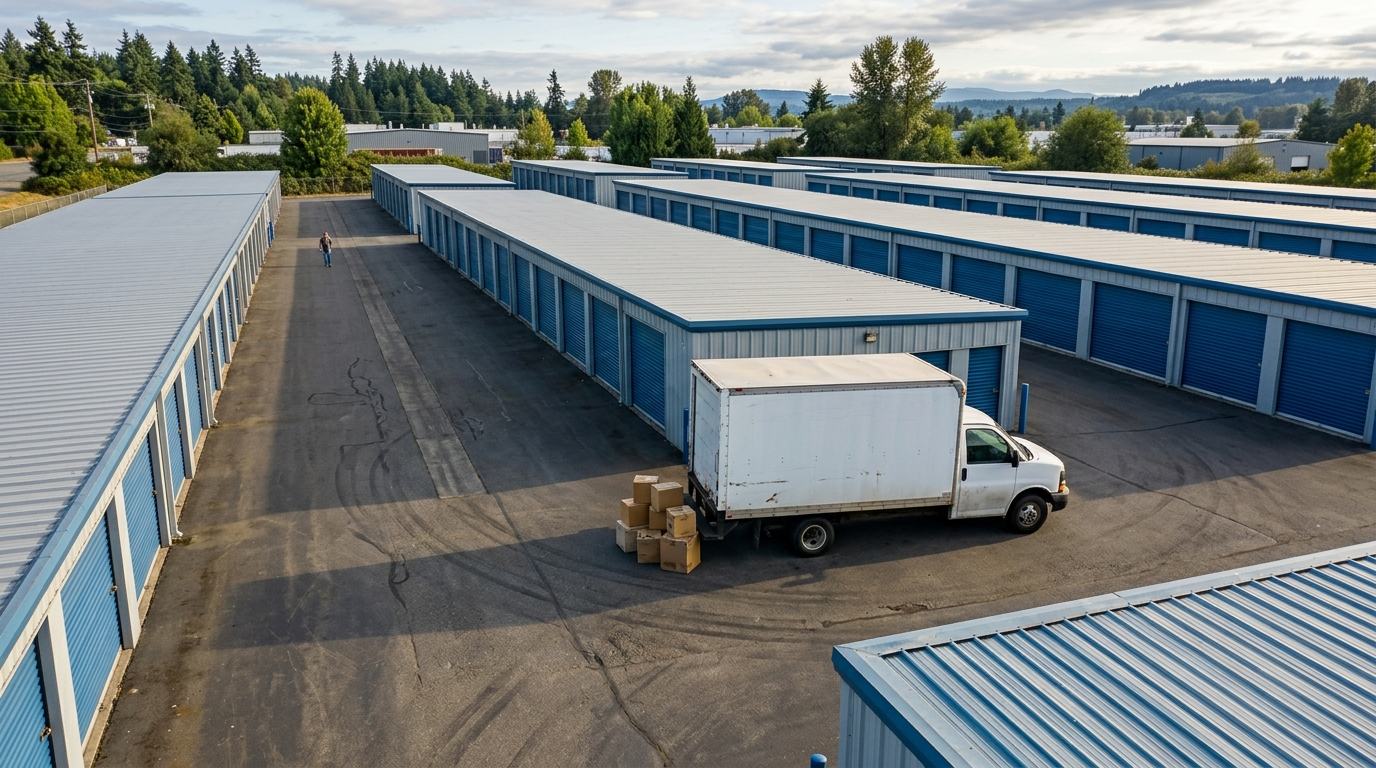
Everett continues to plan for long-term residential and employment growth through the city's Everett 2044 Comprehensive Plan. As households move, downsize, renovate, or adjust to changing space needs, self-storage can provide a flexible place for belongings that no longer fit comfortably at home.
Whether you're moving into an apartment on Broadway, preparing for a transition connected to Naval Station Everett, or reorganizing a home in North Everett, choosing the right unit starts with understanding size, access, storage conditions, and rental terms.
Everett's housing mix includes both homeowners and renters. Data USA reports a homeownership rate of approximately 49%, meaning roughly half of local households rent their homes.
That does not automatically mean every renter needs storage, but apartments, shared housing, lease transitions, and moves can create temporary space constraints. A storage unit may help during a relocation, home project, downsizing effort, or seasonal reorganization.
Housing costs can also affect how much space a household chooses to rent or buy. The HUD Comprehensive Housing Market Analysis provides broader context on housing conditions throughout the Seattle-Bellevue-Everett area. For some residents, renting a storage unit may be more practical than moving to a larger home solely to gain another closet, garage bay, or spare room.
Everett experiences cool, wet winters and milder summer conditions. Historical information from US Climate Data can provide general context on local rainfall and seasonal temperatures.
Climate-controlled and heated storage may help reduce exposure to temperature swings and cold conditions compared with an unconditioned space. These options can be useful for compatible belongings such as electronics, wooden furniture, business records, appliances, photographs, and household fabrics.
Climate-controlled storage should not be treated as precise humidity management or as a guarantee against mold, warping, corrosion, or other damage. Items should be clean and dry before storage, packed in suitable containers, and prepared according to manufacturer guidance.
Selecting a unit based only on the number of rooms in a home can be misleading. Furniture dimensions, box count, shelving, appliances, and the amount of aisle space needed all affect the fit.
A 5x5 unit may suit boxes, seasonal decorations, small furniture, household supplies, or belongings from one room.
This size can work well when you're clearing a closet, organizing a small apartment, or storing a limited number of items during a short transition.
A 5x10 unit provides additional room for a mattress set, dresser, bicycle, boxes, and smaller furniture.
Measure the largest pieces before renting and leave frequently used belongings near the entrance.
A 10x10 unit may accommodate furniture and boxes from a modest apartment, depending on the amount and arrangement of the belongings.
Use shelving when appropriate and maintain a path through the unit rather than filling every open space.
A 10x15 unit can provide room for multiple furniture pieces, appliances, boxes, and belongings from a larger apartment or small home.
This size may be useful during a renovation or when household contents need to remain stored for an extended transition.
A 10x20 unit may fit a larger household inventory, business supplies, bulky furniture, or permitted equipment.
Vehicles cannot be stored inside drive-up units at the Everett facility. Customers interested in vehicle storage should ask about eligible outdoor parking instead.
A 10x25 unit offers additional space for larger moves, shelving, boxes, furniture, and permitted business inventory.
Before selecting this size, create an item list and measure bulky belongings so you do not pay for more room than the move requires.
Not every customer needs the same type of storage. Focus on the features that directly support your belongings and schedule.
SecureSpace Everett offers climate-controlled and heated storage. Confirm that the specific unit you're considering includes the features you need, since availability can change.
Good packing practices remain important. Avoid storing wet items, overfilling boxes, or placing sensitive belongings into storage without checking their preparation requirements.
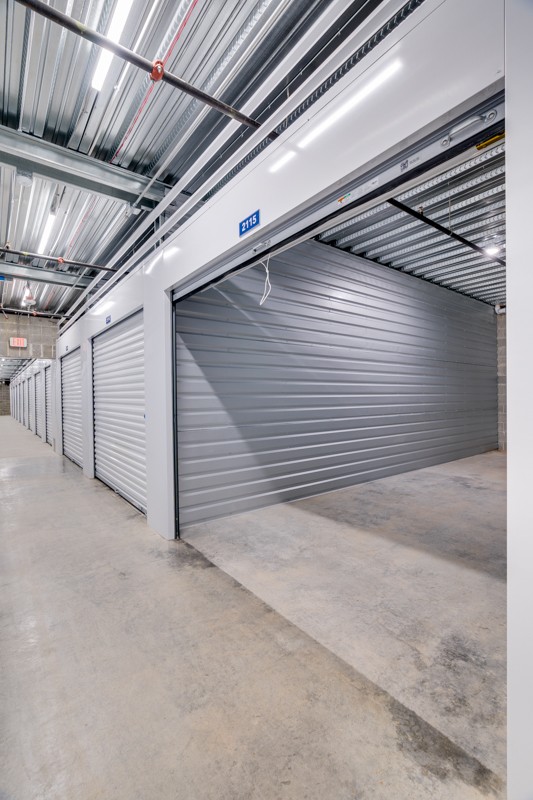
Indoor units provide enclosed building access, while drive-up units can reduce the distance between a vehicle and the storage space.
Elevator access and carts or dollies are available for customers moving boxes and furniture to indoor units. Drive-up availability should be confirmed before planning a move around direct-to-unit loading.
Outdoor parking is available for eligible motor vehicles, cars, boats, and RVs. Covered parking and indoor vehicle storage are not offered.
Vehicle dimensions, documentation, availability, and facility rules should be reviewed before renting a parking space.
Rather than relying on broad safety promises, review the specific features available at the property.
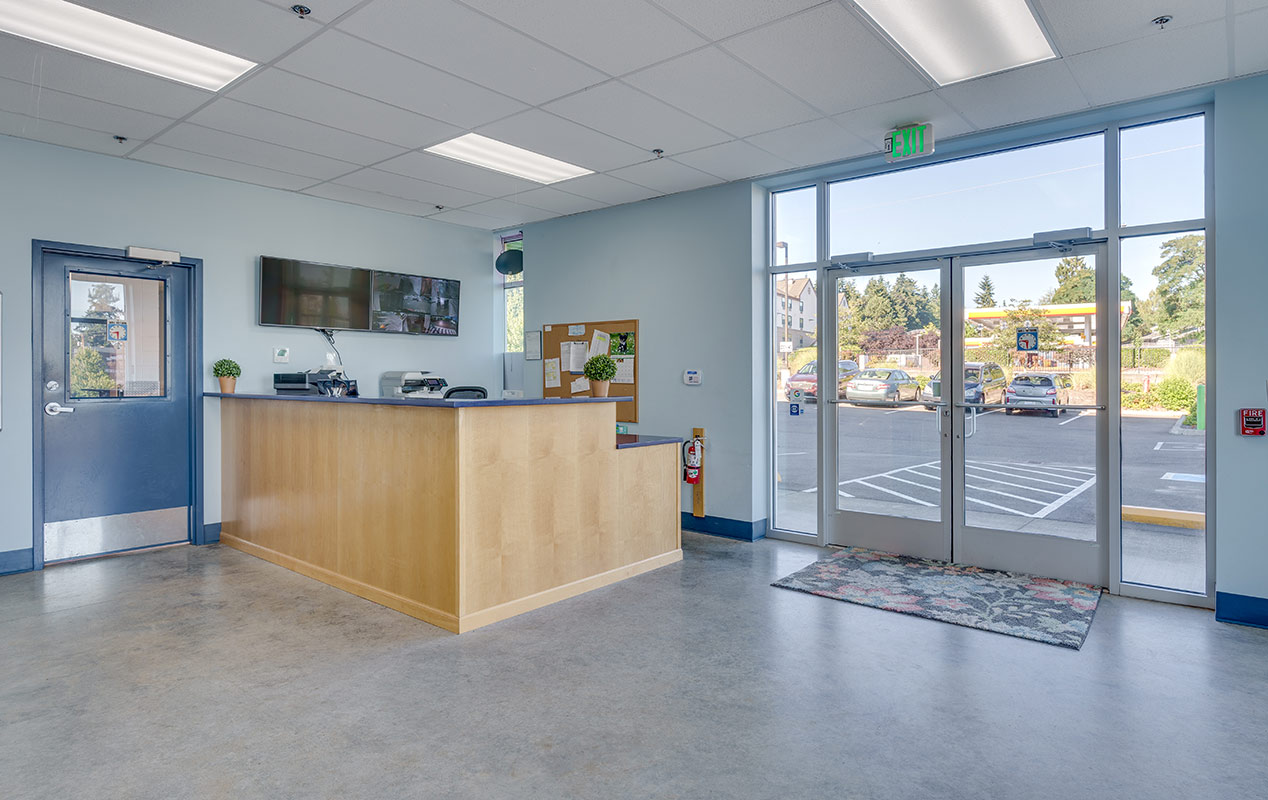
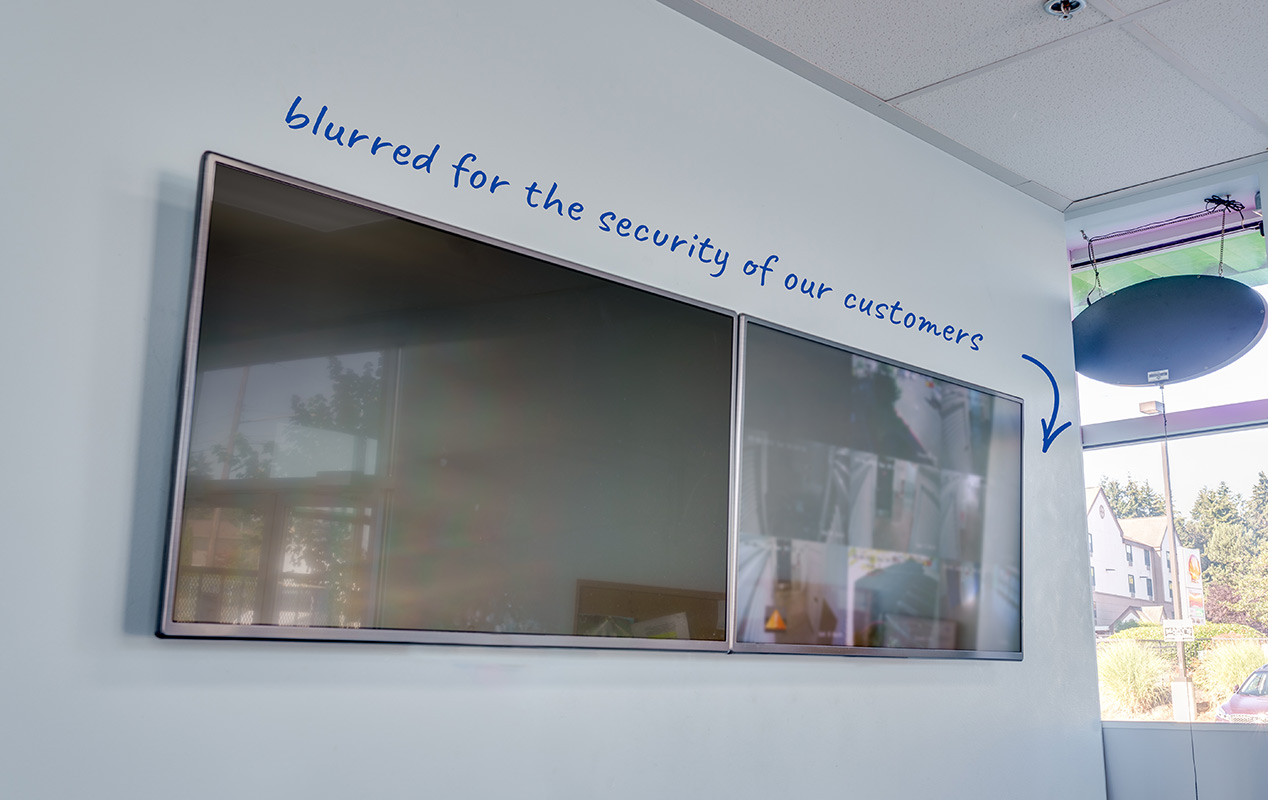
The Everett facility includes an access gate, digital video recording, logged access, overnight surveillance, touchless computer-controlled access, and Turing-enabled monitoring. These features support access and monitoring practices but cannot guarantee that loss or damage will never occur.
Customers should also use a quality lock, keep an inventory of stored property, review applicable coverage requirements, and avoid sharing access credentials.
Gate access is available daily from 6:00 AM to 10:00 PM. The facility does not offer 24-hour unit access.
Consider when you are most likely to visit and whether the access window fits your work, moving, or travel schedule.
Month-to-month leases can be useful when the storage timeline is uncertain. Customers should still review billing dates, notice requirements, rate terms, and move-out procedures before signing.
Online payments and ACH or credit-card payment plans are available. Touchless move-in is also offered, although customers should follow the instructions associated with their specific rental rather than assuming immediate access.
Moves connected to military service can involve changing dates, temporary housing, deployments, and extended periods away from home.
A storage unit may be useful for household furniture, boxes, seasonal belongings, and other permitted items during these transitions. Before renting, review:
The expected storage period
Access needs while the service member is away
Payment and account-management procedures
Coverage requirements
Authorized contacts
Move-out notice terms
Month-to-month leasing may provide flexibility, but discounts, special deployment terms, and unit availability should be confirmed directly rather than assumed.
Seasonal organization can make a unit easier to use throughout the year.
Place camping equipment, winter clothing, holiday decorations, or sports gear near the entrance when you expect to retrieve it regularly.
Move less frequently used boxes toward the back and label more than one side of each container.
Review the unit when seasons change or after a move is complete. Remove items you no longer need and update the inventory so the space does not become difficult to navigate.
Check the forecast before moving furniture or cardboard boxes. Use suitable covers during transportation, keep boxes off wet pavement, and make sure items are dry before placing them into storage.
A 10x10 unit may work for many one-bedroom apartments, depending on the amount and dimensions of the furniture. A 10x15 may provide more room for appliances, bulky pieces, or an accessible aisle.
Measure the largest belongings and estimate the box count before choosing.
Not every item requires it. Climate-controlled and heated storage may help reduce exposure to temperature swings and cold conditions.
The best choice depends on the belongings, storage period, packing method, and manufacturer recommendations.
Pricing depends on unit size, unit type, current availability, location within the facility, and active promotions.
Review the current price for the exact unit being offered and ask about applicable administrative fees, locks, coverage requirements, and promotional terms.
Yes. Storage facilities throughout Everett may serve military households during moves, deployments, or housing transitions.
Review the location, access schedule, rental terms, payment methods, and available unit features before choosing a facility.
The facility has an access gate, digital video recording, logged access, overnight surveillance, touchless computer-controlled access, and Turing-enabled monitoring.
These are security features rather than guarantees against theft, loss, or damage.
No. Gate access is available daily from 6:00 AM to 10:00 PM.
Manager hours are separate from unit-access hours.
Reserve once your timeline and approximate space requirements are known. Availability changes throughout the year, particularly for specific sizes and unit types.
Avoid waiting until moving day if you require a particular configuration, but confirm cancellation and reservation terms before committing.
Start with an inventory, measure bulky belongings, and decide whether indoor, drive-up, climate-controlled, heated, or outdoor parking space fits your plans.
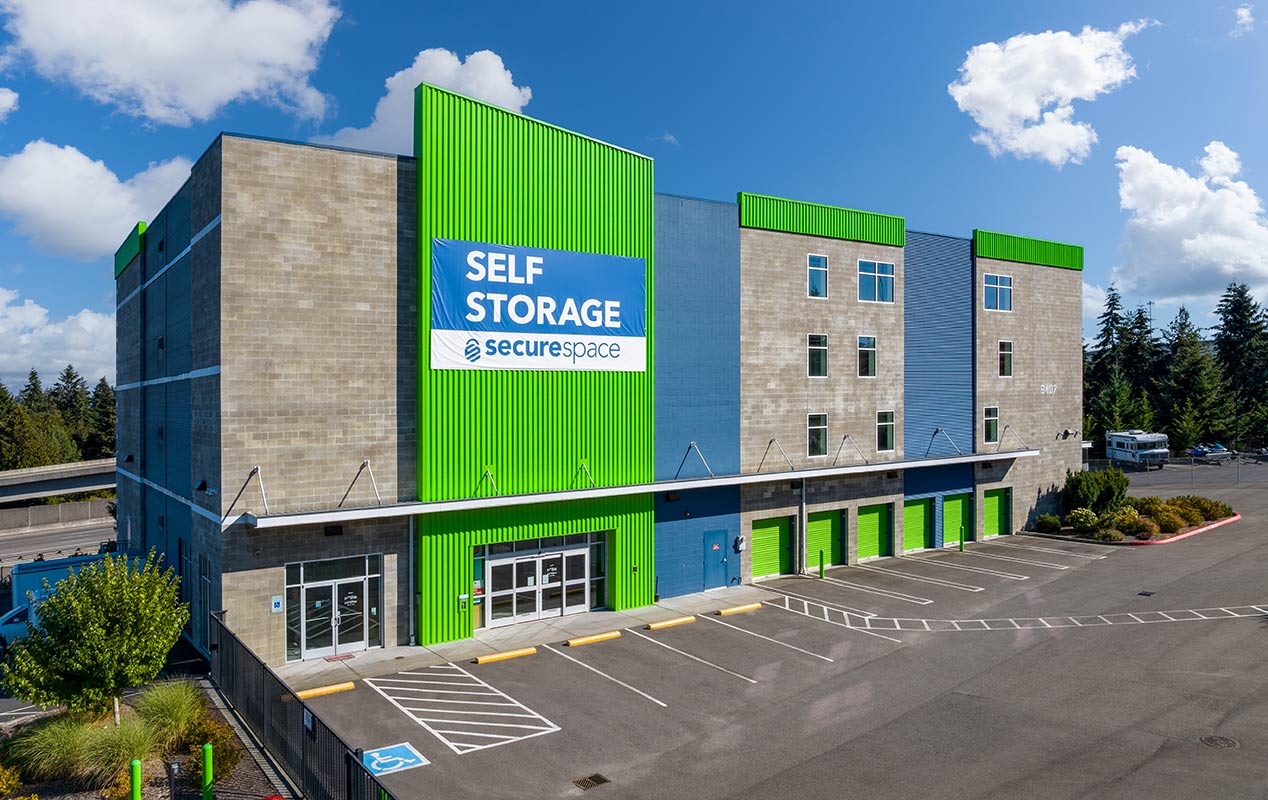
SecureSpace Self Storage Everett is located at 8407 Broadway and offers unit sizes from 5x5 through 10x25, along with daily gate access from 6:00 AM to 10:00 PM.
Review current availability, pricing, and rental details before choosing your space.
Everything you need to store your belongings securely, on your schedule.
Visit us online