Last updated Aug 7, 2026
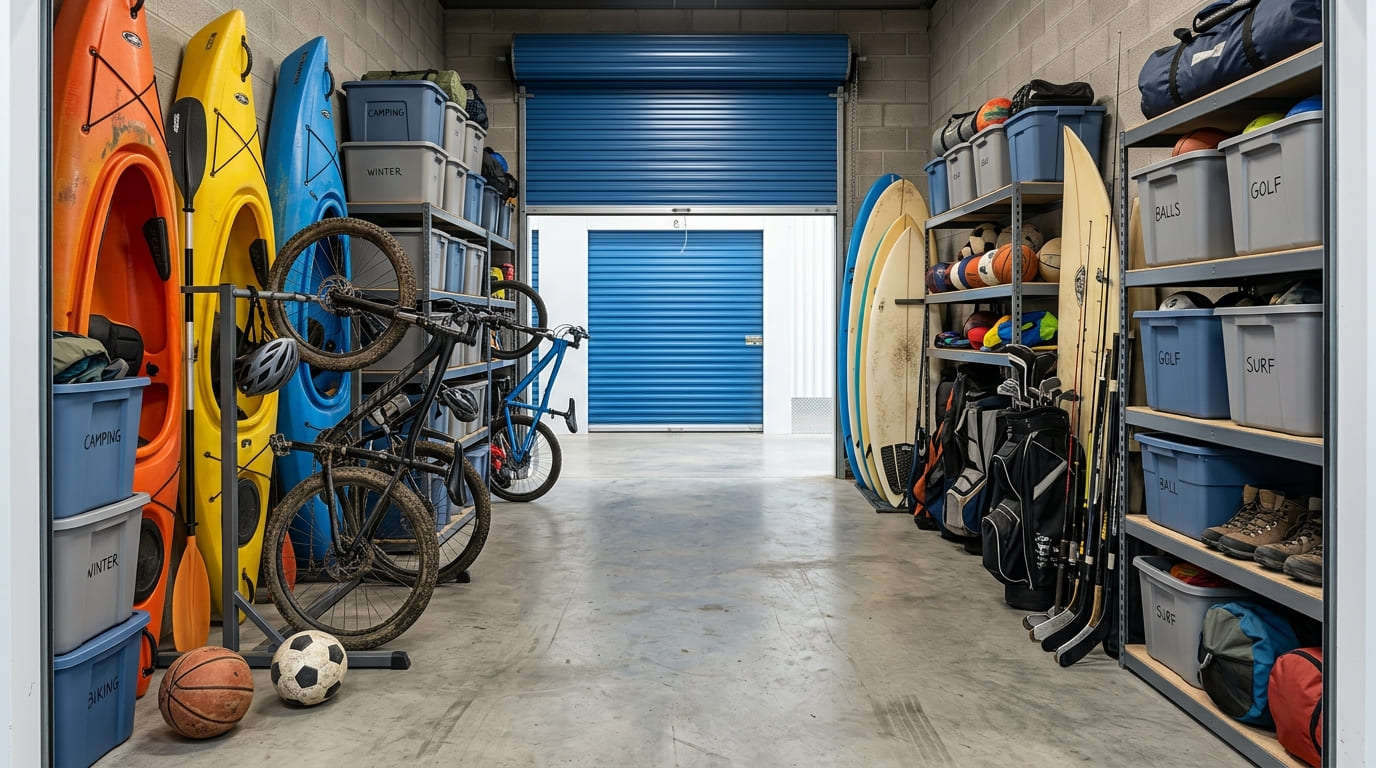
Sports and outdoor equipment can quickly take over garages, closets, entryways, and spare rooms. Bicycles, golf bags, skis, snowboards, camping equipment, team uniforms, training aids, and water-sports gear all require different storage methods, and many items remain unused for months at a time.
A self-storage unit can provide another place to organize permitted equipment when home space becomes limited. The best results come from cleaning and drying each item, measuring oversized gear before choosing a unit, and arranging the space so current-season equipment remains accessible.
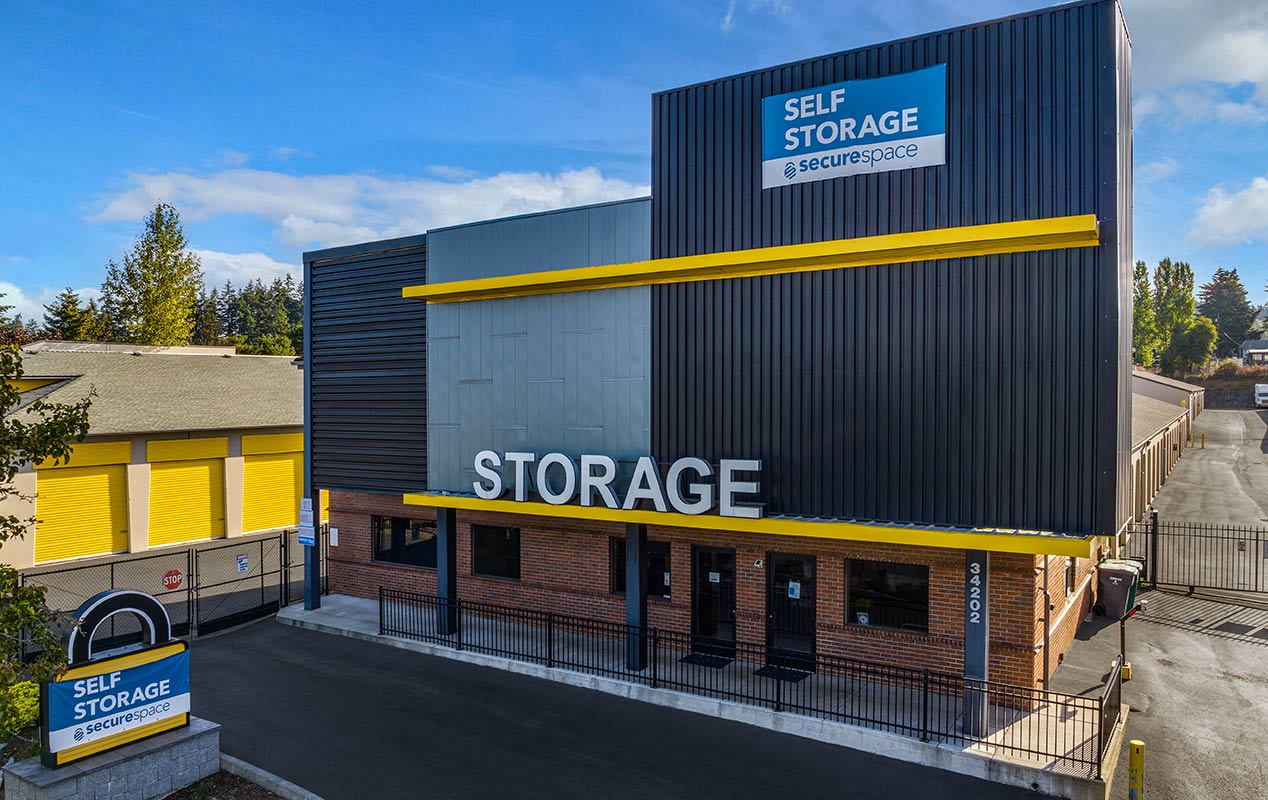
This guide explains how to prepare sports gear for standard storage, choose an appropriate unit size, and plan around the features available at SecureSpace Self Storage Federal Way.
Many types of recreational and athletic equipment may be suitable for self storage when they're clean, dry, permitted under the rental agreement, and prepared according to manufacturer instructions.
Common team-sports items include:
Balls and equipment bags
Helmets and protective pads
Cleats and uniforms
Training cones and agility equipment
Portable nets and goals
Coaching supplies
Benches and folding equipment
Wash uniforms and fabric equipment before storage. Clean dirt and grass from cleats, pads, and training aids, then allow everything to dry completely.
Bicycles, helmets, repair stands, pumps, spare parts, and cycling accessories can consume substantial floor space at home.
Before storing a bicycle:
Do not attach hooks, rails, or bicycle mounts to storage-unit walls.
Skis, snowboards, poles, boots, helmets, and outerwear should be cleaned and dried before being packed away.
Follow the equipment manufacturer's instructions for edge care, binding settings, board or ski positioning, and boot storage. Keep small accessories together in labeled containers so they're easy to locate when the season changes.
Tents, sleeping bags, camp furniture, backpacks, cookware, and hiking gear may be suitable for standard storage after proper preparation.
Remove dirt and organic debris, dry tents and fabric equipment fully, and inspect containers for food or scented products that could attract pests.
Fuel, propane, compressed gas, and other hazardous or combustible products should not be assumed to be permitted. Review the rental agreement before storing camp stoves, lanterns, or powered equipment.
Golf bags, clubs, tennis rackets, pickleball equipment, ball baskets, and portable training aids are easier to retrieve when grouped by sport.
Use appropriate covers or cases and avoid placing heavy boxes on top of rackets, club heads, or equipment bags.
Permitted fitness equipment may include:
Dumbbells and weight plates
Resistance bands
Exercise mats
Foam rollers
Portable benches
Step platforms
Freestanding training equipment
Place dense equipment near the floor and distribute weight carefully. Avoid creating tall stacks that could shift when the unit is opened or accessed.
Kayaks and paddleboards may fit inside certain storage units depending on their dimensions and the unit's layout.
Measure the full length, width, and height before renting. Use a floor-supported rack, cradle, or another storage method recommended by the manufacturer rather than leaning equipment in an unstable position.
Outdoor parking should not be treated as storage for loose kayaks or paddleboards unless the facility expressly approves the arrangement.
Some sports-related property may require specialized storage, insurance, or environmental conditions.
Examples include:
Signed memorabilia
Trading cards and collectibles
Action cameras and GPS devices
High-value electronics
Irreplaceable trophies or awards
Leather equipment
Specialized composite gear
Equipment with batteries
Medical or rehabilitation devices
SecureSpace Self Storage Federal Way offers standard, non-climate-controlled storage. Highly sensitive, exceptionally valuable, or irreplaceable property may require another arrangement.
Review manufacturer instructions and applicable coverage before placing higher-value equipment in a storage unit.
Sports gear often carries dirt, perspiration, salt, grass, sand, or moisture. Packing it immediately after use can affect the equipment and other belongings stored nearby.
Brush dirt from shoes, bicycles, camping supplies, balls, and outdoor equipment. Clean each item according to its care instructions.
Wash uniforms, jerseys, towels, protective covers, sleeping bags, and other washable materials before storage. Make sure they're completely dry before packing.
Remove snacks, water bottles, damp towels, tape, and other loose contents. Clean the bag and leave zippers or compartments open while it dries.
Take batteries out of devices when recommended by the manufacturer. Store and dispose of batteries according to their instructions and applicable local requirements.
Look for loose parts, damaged straps, cracks, corrosion, or other issues that should be addressed before the item remains unused for an extended period.
Do not place wet tents, wetsuits, life jackets, uniforms, boots, camping gear, or other damp equipment in an enclosed unit.
Allow each item to dry fully before placing it inside a bin, bag, or cover. Avoid sealing damp fabric or padding inside plastic.
SecureSpace Federal Way does not regulate temperature or humidity, so proper preparation remains important. Moisture absorbers and desiccant products should be used only when appropriate for the item and according to the product and equipment manufacturers' instructions.
Containers should reflect the size, weight, and ventilation needs of the equipment.
Sturdy lidded bins can group smaller accessories, uniforms, protective equipment, and seasonal supplies. Do not treat bins as fully waterproof or use them to seal damp gear.
Mesh bags may be useful for clean, dry balls and certain equipment that benefits from ventilation.
Use manufacturer-approved or appropriately fitted cases for rackets, clubs, cameras, electronics, and other gear that may be damaged by direct contact.
Covers can help keep dust and debris away from bicycles, fitness equipment, golf bags, and larger gear. Avoid wrapping items so tightly that pressure affects their shape or components.
Original containers and molded inserts may provide useful support for electronics, specialty equipment, and delicate accessories when the packaging remains structurally sound.
Vertical organization can free floor space, but rental-unit walls should not be drilled into or modified.
At home, Koova demonstrates how wall-mounted racks can move bicycles and other gear off the floor. Inside a storage unit, use freestanding shelving, floor-supported bicycle stands, or portable ski racks instead.
Choose equipment that:
Stands securely without wall attachment
Fits within the unit's dimensions
Supports the intended weight
Leaves a clear access path
Does not block the door
Can be removed without altering the unit
Place heavy gear low and lightweight equipment higher only when the shelving or rack is stable.
A unit is easier to use when the layout reflects when each item will be needed.
Group winter, summer, team-sport, camping, and fitness equipment into separate areas.
Current-season gear should remain near the entrance. Equipment that won't be needed for several months can go farther back.
For households with multiple athletes, label containers and sections by person. This can reduce time spent searching for uniforms, pads, footwear, or accessories.
Store related equipment together whenever practical. For example:
Skis, poles, boots, and helmets
Tent, stakes, rainfly, and footprint
Rackets, balls, grips, and court bags
Team uniforms, pads, and equipment bags
Photograph larger equipment and keep a simple list of what's stored. Include container numbers or unit locations for items that may be retrieved during the season.
Keep enough open space to reach equipment at the back without unloading everything near the entrance.
The correct size depends on the dimensions and quantity of the equipment rather than the sport alone.
Primary sizes at SecureSpace Self Storage Federal Way include:
5x5
5x15
10x10
10x15
10x20
10x25
10x30
A 5x5 may work for a compact collection of golf equipment, climbing gear, sports bags, seasonal clothing, or smaller training supplies.
Measure any shelving, bicycles, or long equipment before choosing this size.
The additional depth of a 5x15 may accommodate bicycles, skis, snowboards, camping supplies, fitness equipment, or longer recreational items.
Plan an aisle when equipment stored near the back will be used during the rental.
A 10x10 may suit households combining equipment from several sports or storing bulky fitness and outdoor gear.
Actual capacity depends on equipment dimensions, rack placement, and the amount of floor space left for retrieval.
Larger sizes may be useful for coaches, organizations, families with extensive equipment, long kayaks, paddleboards, freestanding racks, or gear stored alongside household belongings.
Do not select a size based only on a general description. Measure oversized equipment and compare those measurements with the available unit dimensions.
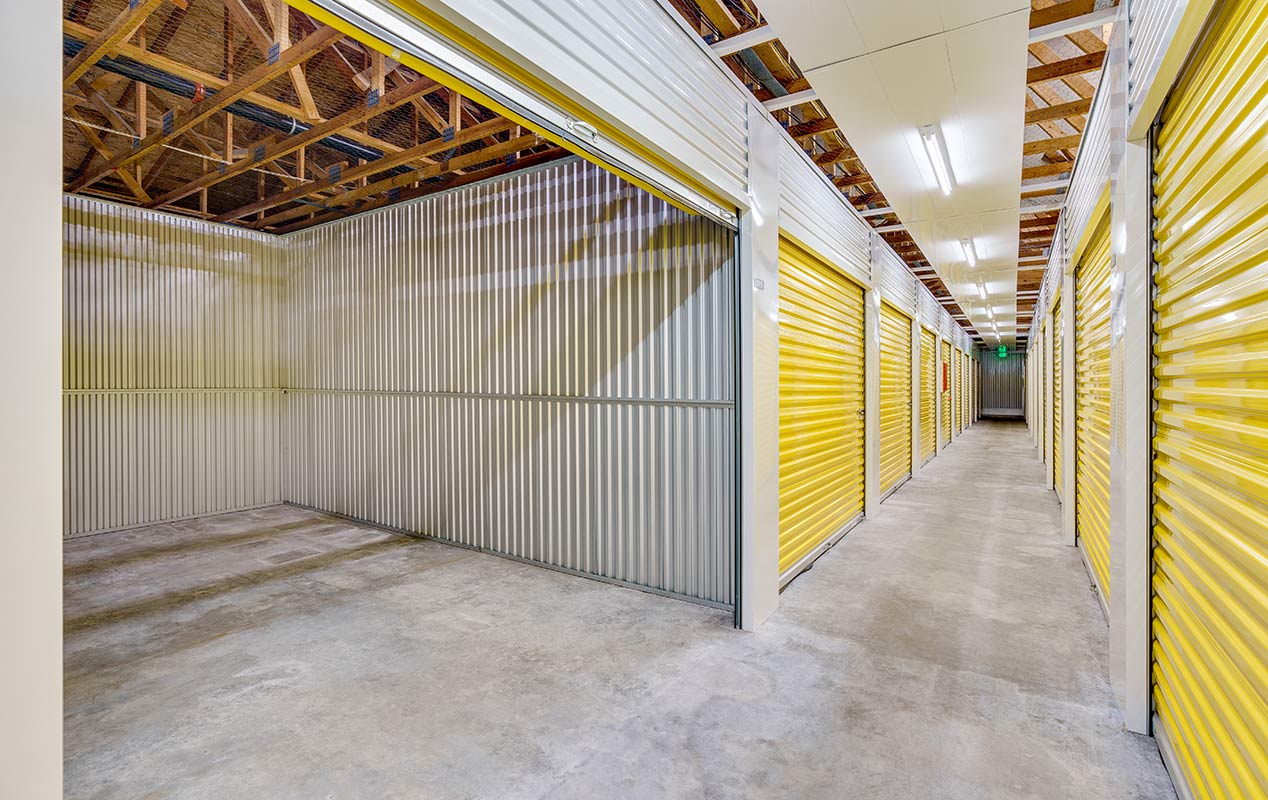
Selected units at SecureSpace Self Storage Federal Way offer drive-up access.
This can reduce carrying distance when moving:
Bicycles
Fitness equipment
Kayaks or paddleboards
Team-training supplies
Camping equipment
Freestanding racks
Large gear containers
Drive-up access is for loading and unloading. Vehicles cannot be stored inside drive-up units.
The facility does not provide carts, dollies, an elevator, covered loading, or a loading dock. Bring suitable moving equipment and check the weather before transporting gear.
Uncovered outdoor parking is available for eligible cars, motor vehicles, RVs, and boats.
Parking depends on:
Vehicle dimensions
Required documentation
Current availability
Facility rules
Vehicle condition
Applicable rental terms
Covered parking is not available. Trailer parking is not confirmed and should not be assumed.
Loose sporting equipment should not be left in an outdoor parking space unless the facility expressly permits it.
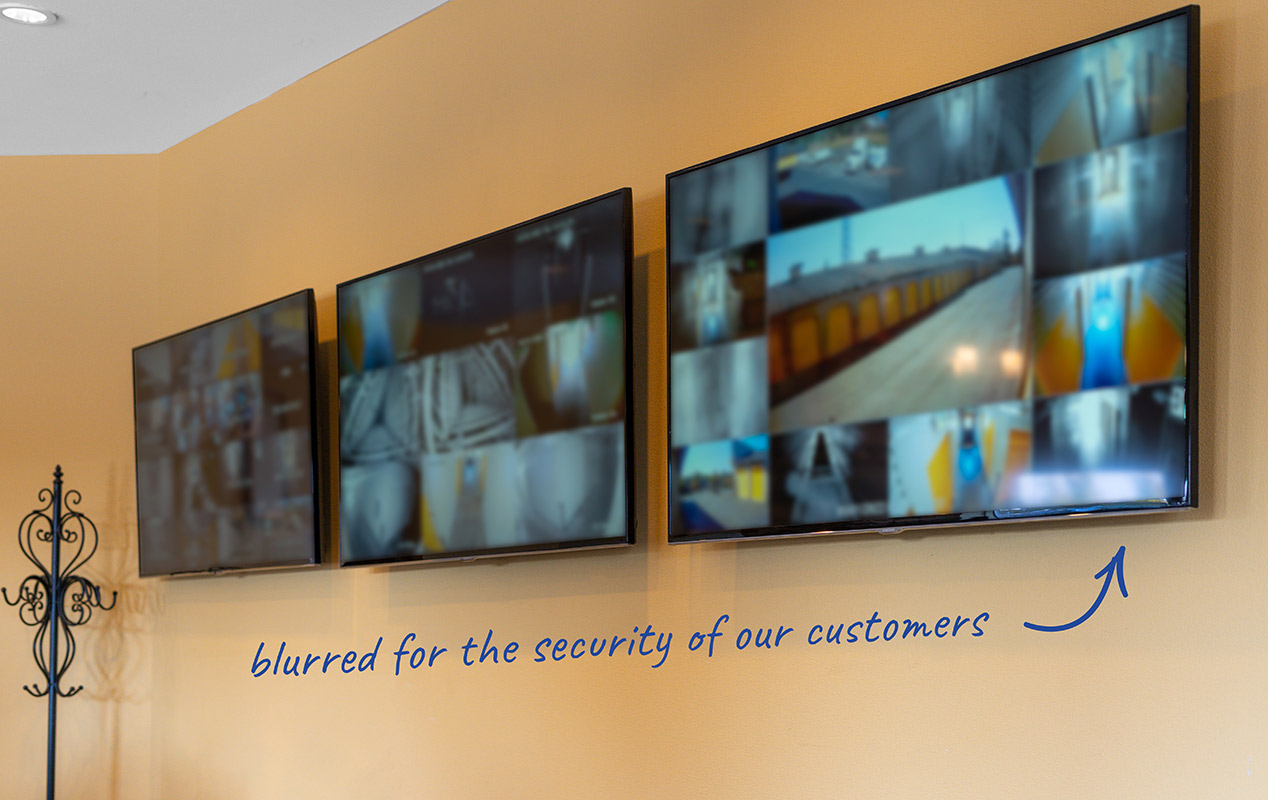
The Federal Way facility offers an access gate, digital video recording, and overnight surveillance.
These features do not guarantee protection from theft, loss, or damage. Customers should also:
Use a compatible lock.
Keep access information private.
Maintain an equipment inventory.
Photograph higher-value items.
Review applicable insurance coverage.
Visit the unit periodically.
Report property concerns promptly.
Do not assume the facility provides individually alarmed units, live camera monitoring, security patrols, or logged customer access.
Gate access is available daily from 6:00 a.m. to 9:00 p.m.
Plan enough time to retrieve equipment, return it to the unit, organize the space, and exit before access closes.
Month-to-month leases are available. Customers should review:
Regular monthly pricing
Any introductory offer
Billing dates
Rate-adjustment provisions
Move-out notice requirements
Lock compatibility
Coverage requirements
Prohibited-item rules
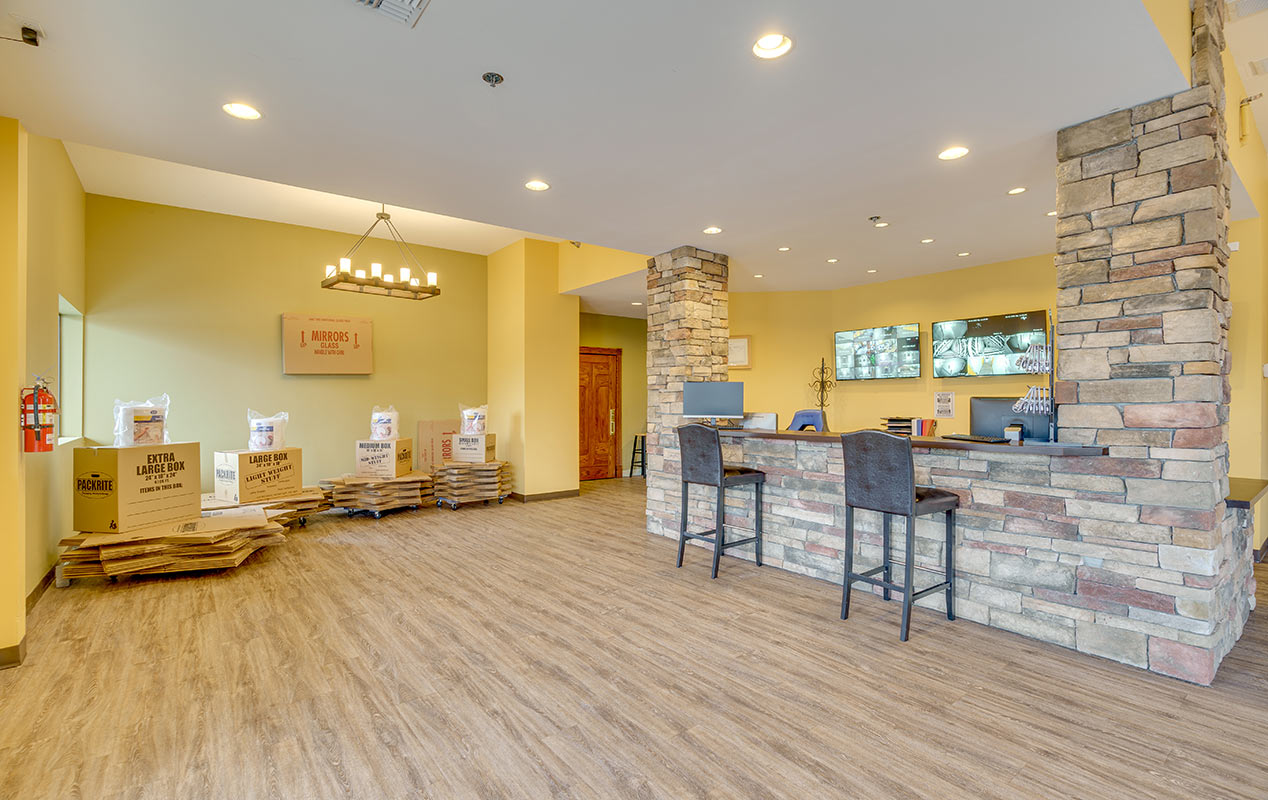
Online payments and ACH or credit card payment plans are available. Basic moving and packing supplies can also be purchased in the leasing office.
The right size depends on the dimensions and amount of equipment, the type of racks or shelving used, and whether you need an aisle. Measure bicycles, kayaks, paddleboards, fitness equipment, and other large items before renting.
No. Heated storage is not available at this location.
No. SecureSpace Self Storage Federal Way offers standard, non-climate-controlled units.
Bicycles may be suitable for standard storage when they're clean, dry, permitted by the rental agreement, and prepared according to manufacturer guidance.
No. Use freestanding or floor-supported racks rather than attaching equipment to the unit walls.
A kayak or paddleboard may fit inside an appropriately sized unit. Measure the equipment first and use a manufacturer-supported storage position.
Clean the equipment and allow it to dry completely before packing. Do not seal damp wetsuits, life jackets, tents, uniforms, or padding inside bins or plastic covers.
Yes. Selected units offer drive-up access, subject to current availability.
No. Vehicles cannot be stored inside the storage units.
Eligible boats and RVs may qualify for uncovered outdoor parking, subject to dimensions, documentation, rules, and availability.
No. Customers should bring their own moving equipment.
Gate access is available daily from 6:00 a.m. to 9:00 p.m.
Availability varies by size and access type. Review current options before scheduling transportation or planning a seasonal equipment changeover.
Sports equipment storage works best when each item is clean, dry, labeled, and arranged around the season in which it will be used. Measure bulky gear, choose floor-supported organization systems, and leave enough space to retrieve equipment without unloading the entire unit.
Review current options for sports equipment storage in Federal Way, WA.
Everything you need to store your belongings securely, on your schedule.
Visit us online