Last updated Jul 24, 2026
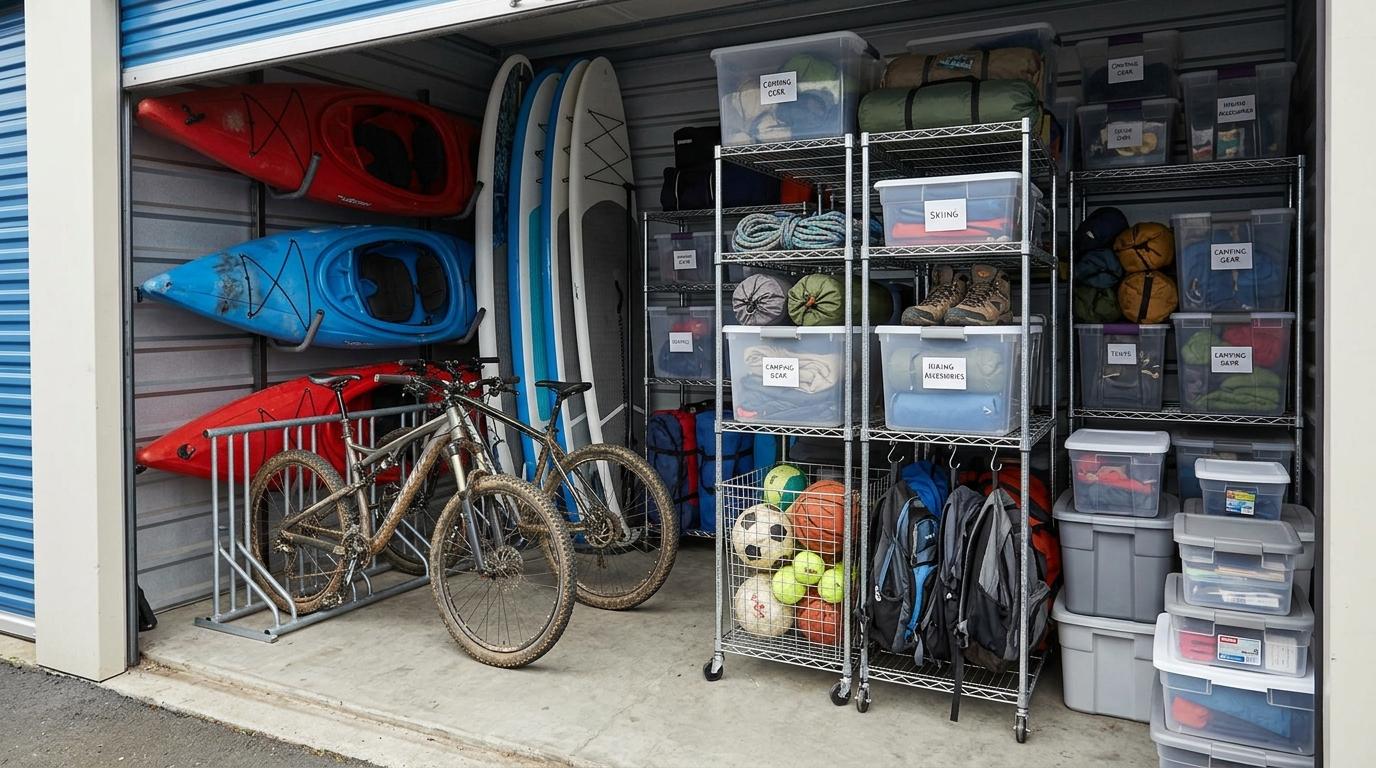
Seattle rewards an active life. With the Cascades to the east, Puget Sound to the west, and the Olympic Peninsula just across the water, gear piles up fast-kayaks, bikes, skis, paddleboards, tents, and more. The trouble is finding somewhere to keep it all.
Seattle apartments are some of the smallest in the country. New units built here in 2022 averaged just 659 square feet, the tiniest of any U.S. city, according to reporting on Seattle housing trends. Many residents also live in smaller micro-units, leaving limited room for bikes, skis, camping bins, or other seasonal equipment.
That's where a dedicated storage unit can help. This guide walks through how to choose the right size, prepare gear before storing it, review useful facility features, and keep equipment organized between trips.
Seattle's outdoor culture and its housing market pull in opposite directions. Residents invest in quality gear, then struggle to find anywhere to put it.
The numbers tell the story. Across Washington State, people spend roughly $10.5 billion each year on recreation equipment, gear, and repairs, according to the Economic Analysis of Outdoor Recreation in Washington State. Outdoor recreation supports more than 237,000 jobs statewide.
At the same time, living space can be tight. Seattle has embraced micro-housing in a big way-nearly two-thirds of rental units currently under construction are micro-sized, according to Seattle Agent Magazine. These apartments rarely include a garage, basement, or large closet. For active residents, a storage unit can work like an off-site gear closet for items that fit inside the rented space and follow facility rules.
The most common question is also the most practical: will your equipment actually fit? Sports gear can be bulky and awkwardly shaped, so measuring first matters.
Most touring and sea kayaks run between 10 and 16 feet long, according to How to Store a Kayak. Before reserving a unit, measure the full length, width, and height of your kayak or paddleboard and confirm the unit's interior dimensions with the facility.
Some shorter gear may fit in a 5x10 or 10x10 unit, while longer boats may require a larger space or a different storage solution. Do not assume a kayak, paddleboard, or oversized item will fit until you confirm dimensions and facility rules.
One tip before you store any boat: rinse it with fresh water and dry it completely first. This helps keep salt, dirt, and trapped moisture out of storage.
A 5x5 or 5x10 unit can work for bikes, helmets, tools, spare tires, and commuter gear, depending on how many bikes you own and how you organize the space. Vertical bike stands or wall-safe storage racks may help, but confirm what is allowed before installing anything inside a unit.
For Seattle cyclists, a storage unit can also free up apartment hallways, balconies, and shared bike rooms.
Winter gear takes up valuable closet space. A 5x5 unit can work for skis, snowboards, boots, poles, jackets, and bins of accessories if the gear is clean, dry, and organized.
Store skis and boards upright or in a stable position, keep sharp edges away from soft items, and use labeled bins for gloves, goggles, helmets, and base layers.
If you're unsure, review size guides or contact the facility before reserving. It is better to confirm fit before move-in than to arrive with gear that does not work for the unit.
Seattle's wet weather makes preparation important. Gear often comes home damp, muddy, salty, or packed with trail debris, and storing it that way can create problems later.
Damp air and wet materials can contribute to musty odors and mildew concerns, especially when gear is packed away too quickly. Daffodil Storage offers Pacific Northwest storage guidance that emphasizes the importance of reducing moisture before storing belongings.
Here's how to prepare your equipment:
Air out tents, sleeping bags, wetsuits, ski apparel, and camping gear completely before placing them in bins or bags. Give bulky fabric items extra time, especially after rainy trips.
Sturdy plastic bins can be useful for seasonal gear, accessories, tools, and smaller equipment. The Urban Self Storage blog recommends plastic storage containers for rainy-season storage because they are easier to seal and reuse than cardboard.
Group gear by sport or trip type. For example, keep ski accessories together, bike tools together, and camping supplies in labeled bins. This makes it easier to grab what you need without unpacking the whole unit.
Heated indoor storage may be useful in Seattle, especially during colder months. It keeps gear inside a building and may reduce exposure to colder conditions compared with non-heated spaces. Availability varies by facility, so review current unit features before reserving.
Security is an important consideration when storing bikes, outdoor equipment, and seasonal gear. A storage facility cannot guarantee protection, but it can offer features and procedures that help manage access and monitoring.
The City of Seattle runs a bike security program, which is a useful reminder that bike owners should think carefully about storage habits, registration, locks, and theft prevention.
When comparing storage facilities, look for clearly listed features such as:
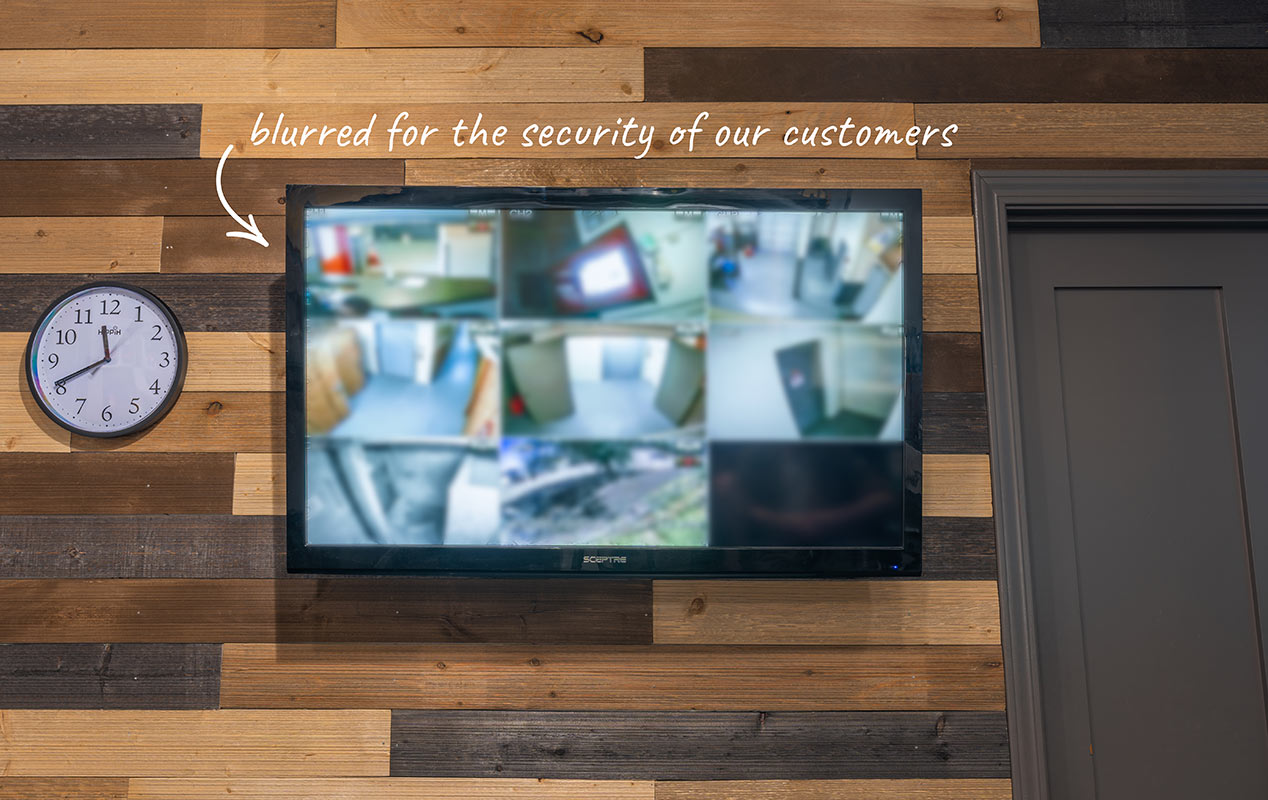
Digital video recording
Logged access
Posted access hours
Staff availability
Touchless or controlled access features where listed
Clean, maintained storage areas
Pest control where available
Avoid relying on vague promises alone. Review the specific facility page, ask questions before renting, and keep your own inventory of higher-value gear.
For a busy Seattleite, convenience makes or breaks the experience. If your unit doubles as a gear closet, you want to grab your equipment without fighting across town every time.
Consider these factors when choosing a facility.
Look for a location near home, work, or the route you already take for weekend trips. The best location is the one you'll actually use.
Review current access hours before reserving. Hours vary by facility, and they matter if you plan early morning departures or late returns.
For indoor storage, elevator access, carts, and dollies can make move-in easier. These features are especially useful for bins, bikes, camping gear, and heavier seasonal items.
If you're storing bulky gear like kayaks, paddleboards, or large camping equipment, confirm loading procedures and item restrictions before move-in. Not every facility can accommodate every oversized item.
A storage unit can do more than clear clutter from your apartment. It can give your gear a dedicated place between trips, keep seasonal equipment grouped together, and make it easier to find what you need when the next weekend opens up.
To recap, the right setup comes down to three things:
Pick the correct size: Measure awkward gear and confirm interior unit dimensions before reserving.
Prepare items carefully: Clean and fully dry gear before storage, then pack it in sturdy containers where appropriate.
Review facility features: Look for access, elevator, cart, payment, and security features that fit how often you'll visit.
With the right setup, your apartment gets breathing room and your equipment stays easier to manage season after season.
Possibly, but measure first. Kayaks vary widely in length, and many touring or sea kayaks are longer than some standard units can accommodate. Measure the kayak, confirm interior unit dimensions, and ask the facility whether the item is allowed before reserving.
They can be. Heated indoor storage may be useful during colder months, especially when storing outdoor gear that has been cleaned and fully dried first. Availability varies by facility, so review current unit features before renting.
A storage facility can offer security features, but no facility can guarantee protection. Review listed features such as digital video recording, logged access, access procedures, and staff availability. It is also smart to keep bike serial numbers, photos, and an inventory for your own records.
Not necessarily. Drive-up units are not available at every facility, and some locations focus on indoor storage. For many sports items, elevator access, carts, and dollies can be enough if the gear fits inside the rented unit and follows facility rules.
Costs vary by unit size, location, availability, and features. Smaller units generally cost less, while larger or feature-specific units may cost more. Check current rates and promotions before booking.
Sports equipment can take over an apartment fast. A storage unit gives bikes, skis, camping bins, and other seasonal gear a dedicated place when they are not in use.
Review current storage options with SecureSpace Self Storage to find a Seattle unit that fits your gear, schedule, and storage needs.
Everything you need to store your belongings securely, on your schedule.
Visit us online