Last updated Jul 2, 2026
If you're getting ready to rent a storage unit in Lakewood, knowing what you cannot store is just as important as knowing what you can. Prohibited items can create safety issues, violate rental terms, and put your lease at risk.
Lakewood's storage needs are shaped by housing pressure, military moves, apartment living, and outdoor recreation. The Tacoma-Lakewood housing market scores an 80 out of 100 on regional competitiveness indexes, and 71% of the active-duty force at Joint Base Lewis-McChord (JBLM) lives off-base, which helps explain why many local residents and service members rely on extra storage space.
This guide walks through commonly prohibited items, conditionally permitted items, and practical ways to store belongings correctly at a Lakewood storage facility.
Storage rules vary by facility and rental agreement, but some categories are commonly prohibited because they create fire, safety, sanitation, legal, or occupancy concerns.
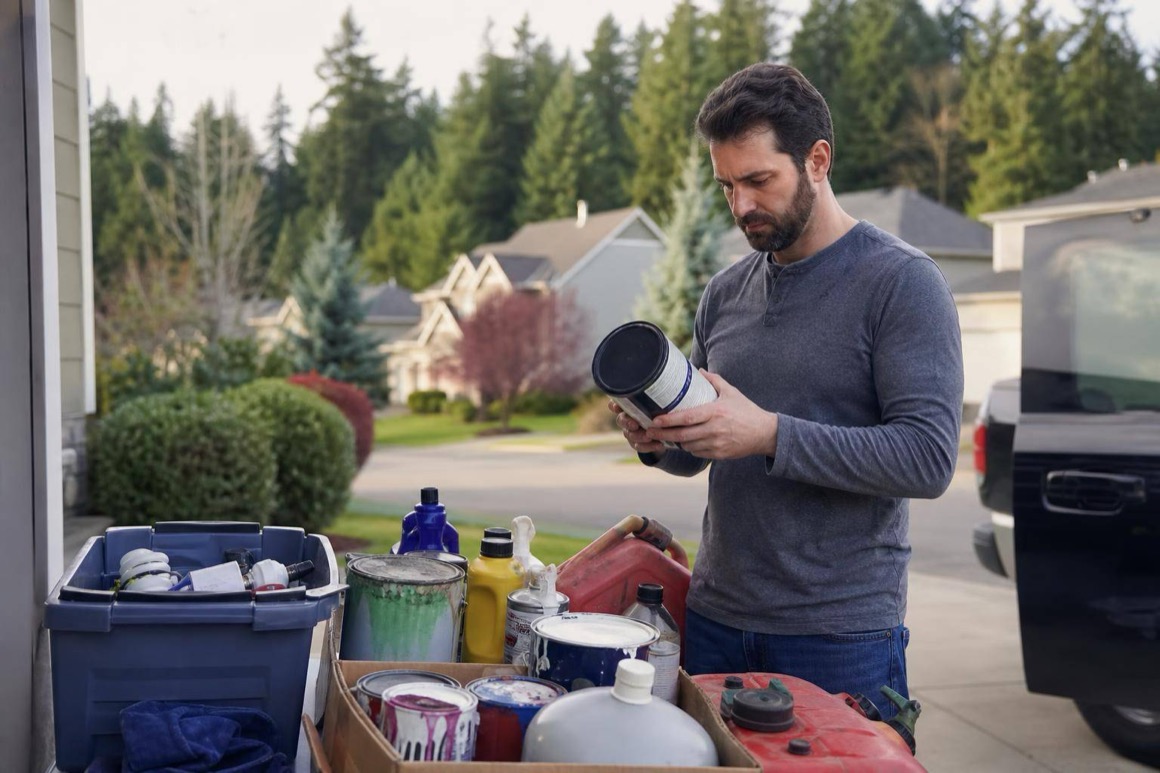
Hazardous and flammable materials should not be stored in a self storage unit. These items can create fire, spill, odor, and safety risks for the entire facility.
The Washington State Building Code Council adopts the International Fire Code (IFC), and storage facilities also set their own prohibited-item rules. Before storing anything chemical, flammable, pressurized, or corrosive, review your rental agreement and ask the facility.
Items that may be prohibited include:
Gasoline, propane tanks, and flammable fuels
Industrial solvents and chemical cleaners
Commercial pesticides and herbicides
Corrosive acids and caustic materials
Asbestos or other toxic substances
Fireworks, explosives, and similar materials
If an item can leak, ignite, corrode, or release fumes, do not place it in a storage unit without confirming the facility's rules.
Firearms, explosives, and ammunition are highly regulated and may be prohibited under facility rules, military requirements, and applicable laws. Do not assume a commercial storage unit is an acceptable place for these items.
For service members near JBLM, official guidance is especially important. JBLM Regulation 190-11 addresses privately owned weapons and military installation requirements. Federal regulations also state that, in certain military housing contexts, privately owned weapons must be stored in the certified unit arms room.
If you're stationed at JBLM, check with your command or the appropriate installation office before storing weapons, ammunition, or related equipment. A self storage unit should not be used as a workaround for military weapons-storage rules.
Perishable food does not belong in a storage unit. Fresh produce, frozen items, opened food containers, and anything likely to spoil can attract pests, create odors, and damage other belongings.
Live animals are also prohibited. Storage units are not designed for habitation, ventilation, water access, or animal care.
This matters during a Permanent Change of Station (PCS) move because some items may not be accepted by movers or may not be suitable for commercial storage. Consume, donate, discard, or properly transport restricted items before move-in.
You cannot live, sleep, or stay in a storage unit. Storage units are not residences and do not have the plumbing, ventilation, utilities, or emergency features required for habitation.
Using a unit as a living space can lead to lease enforcement and may involve local authorities. A storage unit should be used only for storing eligible belongings.
Some items may be allowed only when they meet facility requirements. Always confirm the rules before bringing vehicles, equipment, or business items to the property.
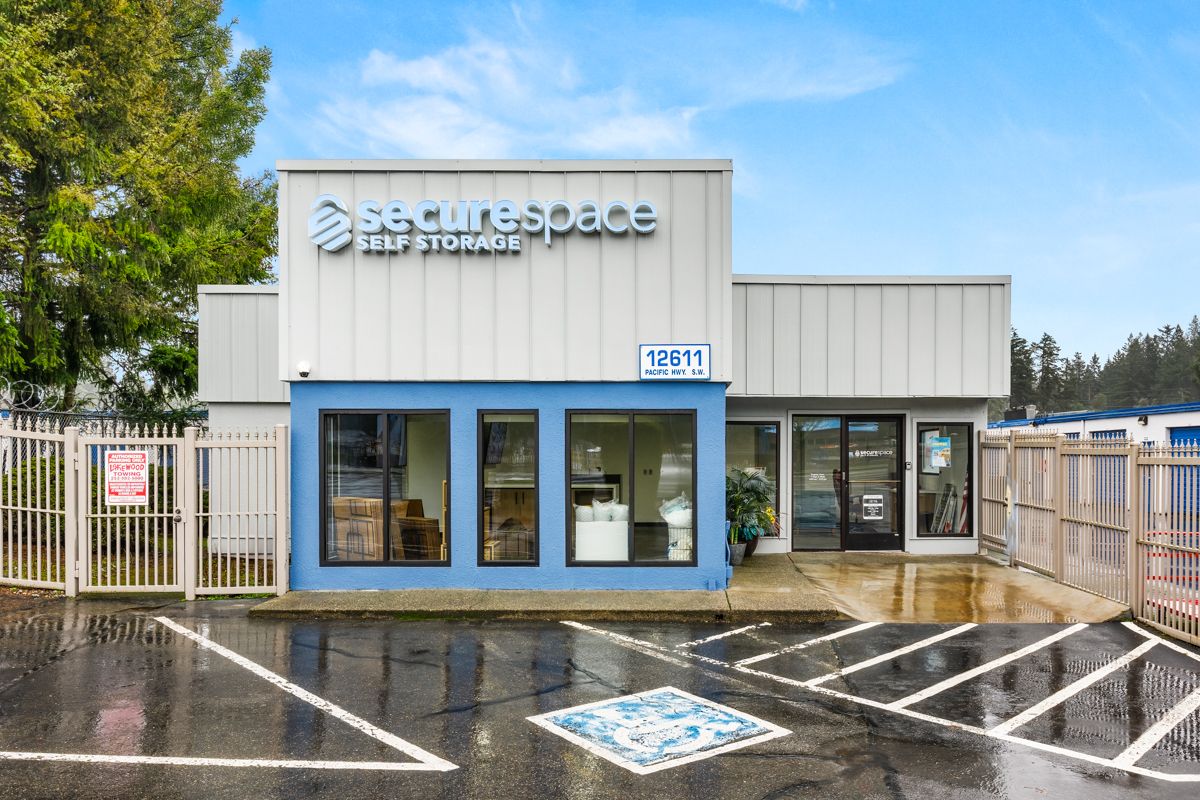
SecureSpace Self Storage Lakewood offers outdoor parking for eligible vehicles, boats, and RVs. Vehicles may also be stored in drive-up units in some cases, depending on vehicle size, unit availability, proper documentation, and facility rules.
Before renting parking or planning vehicle storage, confirm:
Current availability
Space dimensions
Documentation requirements
Insurance or registration expectations
Whether the vehicle must be operational
Any rules for boats, RVs, or specialty vehicles
Storage units and parking spaces should not be used for active repairs, oil changes, fuel handling, or mechanical work.
Lawnmowers, leaf blowers, chainsaws, and similar outdoor tools may require preparation before storage. Drain fuel when required, clean the equipment, and avoid storing combustible fluids inside the unit.
If the equipment uses gasoline, oil, propane, or other flammable materials, ask the facility how it should be prepared before move-in.
Business owners may be able to store eligible inventory, tools, records, supplies, and equipment, subject to rental terms and facility rules.
However, a storage unit should not be used as a retail storefront, daily office, workshop, customer pickup location, or official business address unless the facility explicitly allows that use and applicable rules permit it.
Once you know what is off the table, the list of eligible storage items is broad and practical. Depending on facility rules and unit availability, storage may work for:
Household furniture, appliances, and seasonal décor
Clothing, bedding, and personal belongings
Boxed goods and household supplies
Non-perishable business inventory
Tools, equipment, and construction materials
Office supplies and archived records
Outdoor gear, camping items, and recreation equipment
Eligible vehicles, boats, and RVs in outdoor parking
If an item is valuable, sensitive, regulated, hazardous, perishable, or unusual, ask before storing it.
Lakewood's wet Northwest weather makes storage preparation important. SecureSpace Self Storage Lakewood does not offer climate-controlled or heated storage, so packing choices matter.
Store items clean and dry. Use sturdy boxes or sealed bins where appropriate. Avoid sealing damp fabrics, wood furniture, or gear inside plastic. Keep frequently needed items near the front of the unit, and use shelves or pallets when helpful to keep belongings organized.
If an item requires specific temperature or humidity controls, choose a storage option that directly meets those needs.
Storing prohibited items can create safety issues and may violate your rental agreement. Depending on the situation, a facility may require removal of the item, restrict access, charge fees, terminate the lease, or take other action allowed by the rental agreement and Washington law.
Washington's self-service storage statute, RCW 19.150, includes lien and enforcement procedures related to unpaid rent and stored property. Rather than risking a violation, review your lease before move-in and ask the facility about any item you're unsure about.
Do not assume a storage unit can be used for firearms or ammunition. Facility rules, Washington law, and JBLM requirements may all apply. Service members should check JBLM guidance and speak with their command or the appropriate installation office before storing weapons or ammunition.
Vehicle and boat storage depends on current availability, size fit, documentation, and facility rules. SecureSpace Self Storage Lakewood offers outdoor parking for eligible vehicles, boats, and RVs, but you should confirm requirements before renting. Storage spaces should not be used for repairs or mechanical work.
You may be able to store eligible business inventory, tools, supplies, records, and equipment. You should not use the unit as a retail storefront, customer pickup area, daily office, workshop, or official business address unless specifically allowed under facility rules and applicable requirements.
No. Storage units are for storing property, not for residential use. They are not designed for sleeping, living, cooking, or habitation.
Some items that movers will not transport may still be inappropriate or prohibited for storage. Check current military moving guidance, review the facility's prohibited-item list, and ask the facility before storing anything questionable.
Furniture, documents, electronics, clothing, tools, and outdoor gear should be clean and dry before storage. Use sturdy containers, avoid storing damp belongings, and check whether sensitive items require specific temperature or humidity conditions.
Knowing the rules before you rent can help you avoid lease issues, safety concerns, and last-minute move-in problems. Before bringing items to storage, review the facility's prohibited-item list and ask about anything that may be restricted.
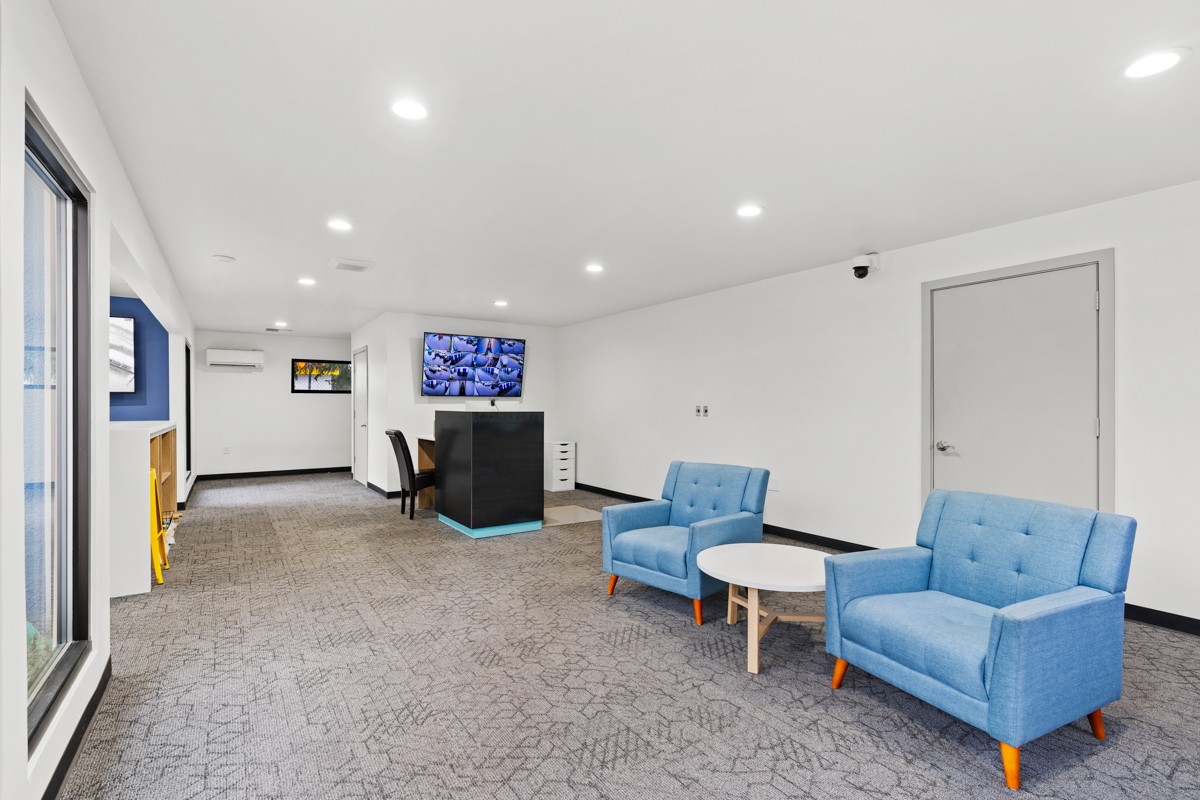
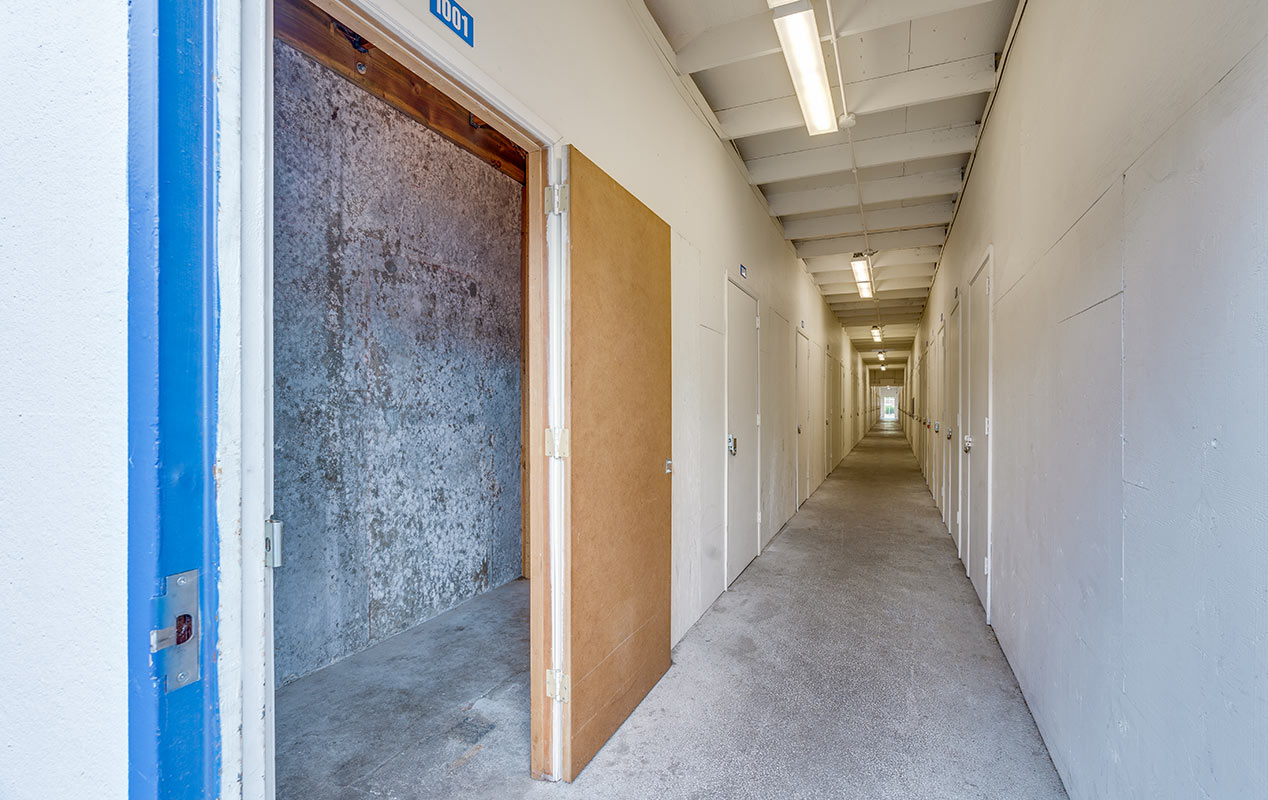
SecureSpace Self Storage Lakewood offers month-to-month leases, drive-up units, outdoor parking for eligible vehicles, carts and dollies, online payments, daily gate access from 6:00 AM to 9:00 PM, digital video recording, logged access, overnight surveillance, touchless computer-controlled access, and Turing Enabled monitoring.
Review current options for storage units at SecureSpace Lakewood.
Everything you need to store your belongings securely, on your schedule.
Visit us online