Last updated Jun 20, 2026

Moving your belongings into a self-storage facility often comes with a bit of logistical planning. Whether you're downsizing from a larger family home in Lansbrook, moving to a lower-maintenance condominium near Wall Springs Park, or trying to clear garage space for seasonal gear, it helps to know what is allowed before moving day.
The Gulf Coast of Florida also adds local storage considerations. Heat, humidity, pests, storm season, and neighborhood parking rules can all affect how you prepare items for storage. A storage unit should not function as an unregulated dumping space; facility rules exist to reduce fire, pest, odor, safety, and property-damage risks.
This guide explains common items that generally should not go in a storage unit, how to think about Florida-specific storage concerns, and how to prepare permitted belongings for storage in Palm Harbor.
Storage facilities commonly prohibit hazardous, volatile, flammable, explosive, or toxic materials. These items can create fire, chemical, odor, or safety risks for the facility, customers, and stored belongings.
If you're a landscaper, pool maintenance contractor, or small business owner, you may be tempted to use storage for excess chemical inventory. Items such as gasoline, compressed propane tanks, industrial paint thinner, fireworks, fertilizers, and toxic cleaning chemicals generally should not be stored in a self-storage unit.
Before moving in, review your lease and facility rules for the current prohibited-items list. If you're unsure whether a product is allowed, ask the facility before bringing it on-site.
Florida's summer heat can make hazardous-material storage especially risky. Enclosed storage spaces may become warm, and some chemicals or fuels can release fumes, leak, expand, or create ignition hazards when stored improperly.
This is why storage facilities typically restrict fuel, flammable liquids, compressed gas, toxic chemicals, and other hazardous materials. These rules are meant to reduce preventable fire, odor, spill, and safety risks.
No. Perishable food, living things, and organic materials that attract pests should not be stored in a storage unit. This includes fresh produce, dairy, meat, open food, pet food, live plants, and animals.
Even food that appears sealed may create problems if packaging fails, cans swell, or pests are attracted by odor. Storage facilities generally prohibit these items because they can create sanitation, pest, odor, and damage risks.
Heat and humidity can make food storage problems worse. Spoiled food, burst containers, torn bags, or spilled organic material may attract ants, roaches, rodents, or other pests.
To avoid problems, remove all food from boxes, furniture, coolers, appliances, and kitchen supplies before storage. Clean and dry items before packing, and avoid storing anything that could leak, rot, or attract pests.
No. Storage units are not living spaces. They do not have the plumbing, ventilation, safety systems, or occupancy approvals required for residential use.
The Florida Self-Storage Facility Act includes rules for self-storage facilities, and Chapter 83, Part III of the Florida Statutes states that individual storage spaces may not be used for residential purposes. Customers should never sleep, live, or shelter in a storage unit.
Storage units also should not be used as storefronts, customer-facing offices, repair shops, workshops, or active business operating spaces. Business items may be stored when allowed by the lease and facility rules, but the unit itself should remain storage-focused.
Illegal items, stolen property, unauthorized contraband, and prohibited weapons-related materials should never be stored in a self-storage unit. Ammunition and explosives are commonly prohibited because they can create serious fire and safety risks.
Firearms policies can vary by facility, lease terms, and applicable law, so customers should review facility rules directly before storing anything weapon-related. When in doubt, do not bring the item to the facility until you have confirmed it is allowed.
Palm Harbor residents often store seasonal and recreational gear, from golf clubs and beach equipment to fishing gear, paddleboards, and boating accessories. Many of these items may be appropriate for storage when clean, dry, and allowed by facility rules.
Before storing recreational gear, remove fuel, batteries, food, wet fabric, or anything prohibited by the lease. Clean and dry items thoroughly, especially if they have been exposed to saltwater, sand, or humidity.
SecureSpace Self Storage Palm Harbor offers outdoor parking and covered parking. These parking options may be available for eligible vehicles depending on current availability, size fit, and facility rules.
Customers should confirm details before planning to store boats, RVs, trailers, commercial vehicles, or other larger vehicle types. Parking requirements, documentation, insurance, vehicle condition, and permitted vehicle types may vary.
Do not store detached motors, lawn equipment, or other fuel-powered items with fuel inside an enclosed unit unless the facility rules clearly allow it. Fuel, oil, propane, and other hazardous materials are commonly restricted or prohibited.
Scuba and dive equipment should be handled carefully because some items may involve pressurized components, specialized materials, and manufacturer-specific storage requirements. Before storing tanks or dive gear, check facility rules and follow guidance from a certified dive professional or equipment manufacturer.
Soft goods such as wetsuits, buoyancy devices, masks, fins, and bags should be rinsed, dried completely, and packed in a way that reduces odor and moisture concerns. Climate-controlled storage may be useful for gear that could be affected by temperature swings.
Golf clubs and sporting goods can be stored when allowed by facility rules. In Florida, climate-controlled storage may be useful for items that could be affected by heat, humidity, or long-term storage conditions.
For golf clubs, clean and dry the clubs and bag before storing them. Avoid storing damp towels, shoes, gloves, or other moisture-holding items inside the bag. Climate-controlled storage can help reduce exposure to temperature swings compared with garages, sheds, or other spaces exposed to broader outdoor conditions, but careful packing still matters.
Prohibited-item rules are not just technicalities. They help reduce fire risks, pest problems, odors, leaks, safety concerns, and other issues that can affect customers and stored belongings.
Before moving in, review your lease, ask questions, and create a packing plan. If an item is flammable, explosive, toxic, perishable, living, illegal, wet, odorous, or unsafe, it likely does not belong in a storage unit.
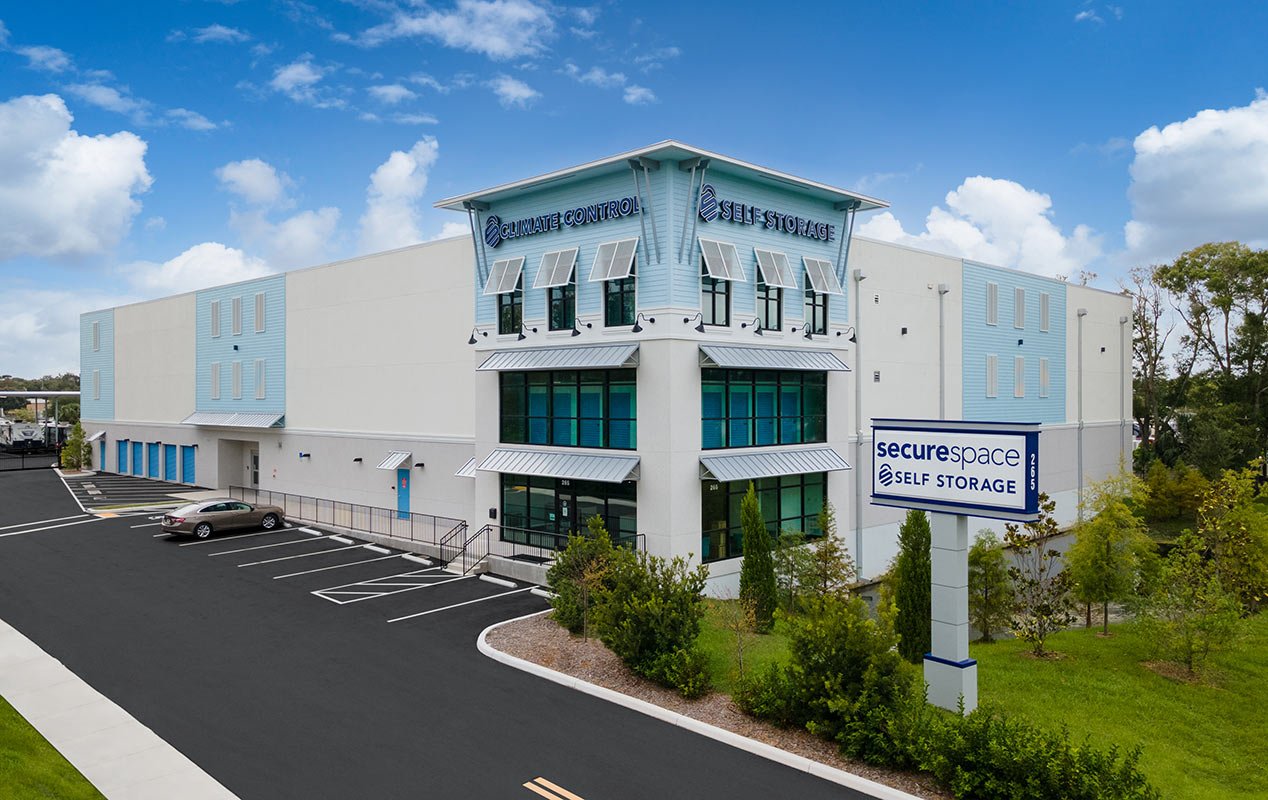
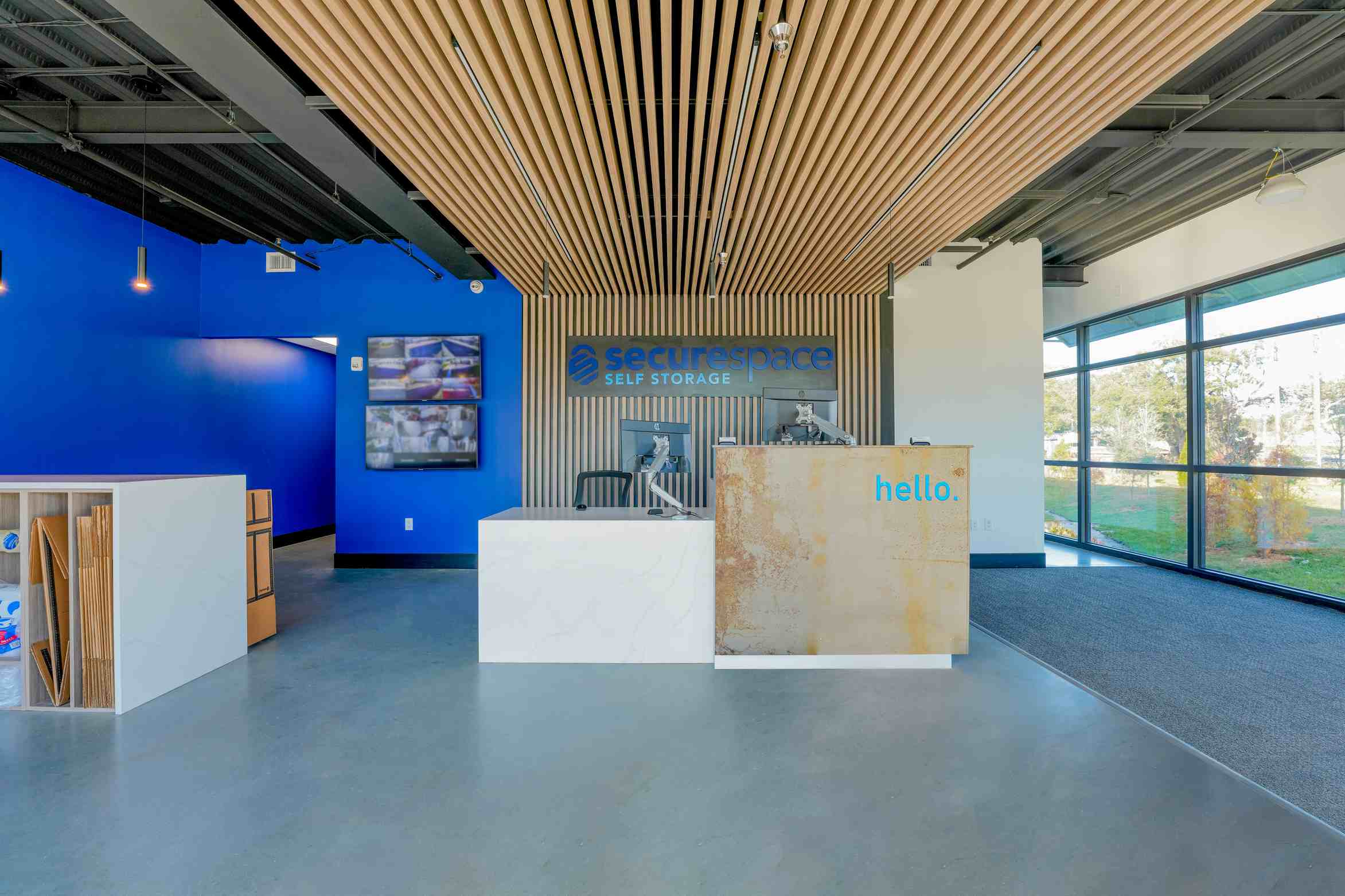
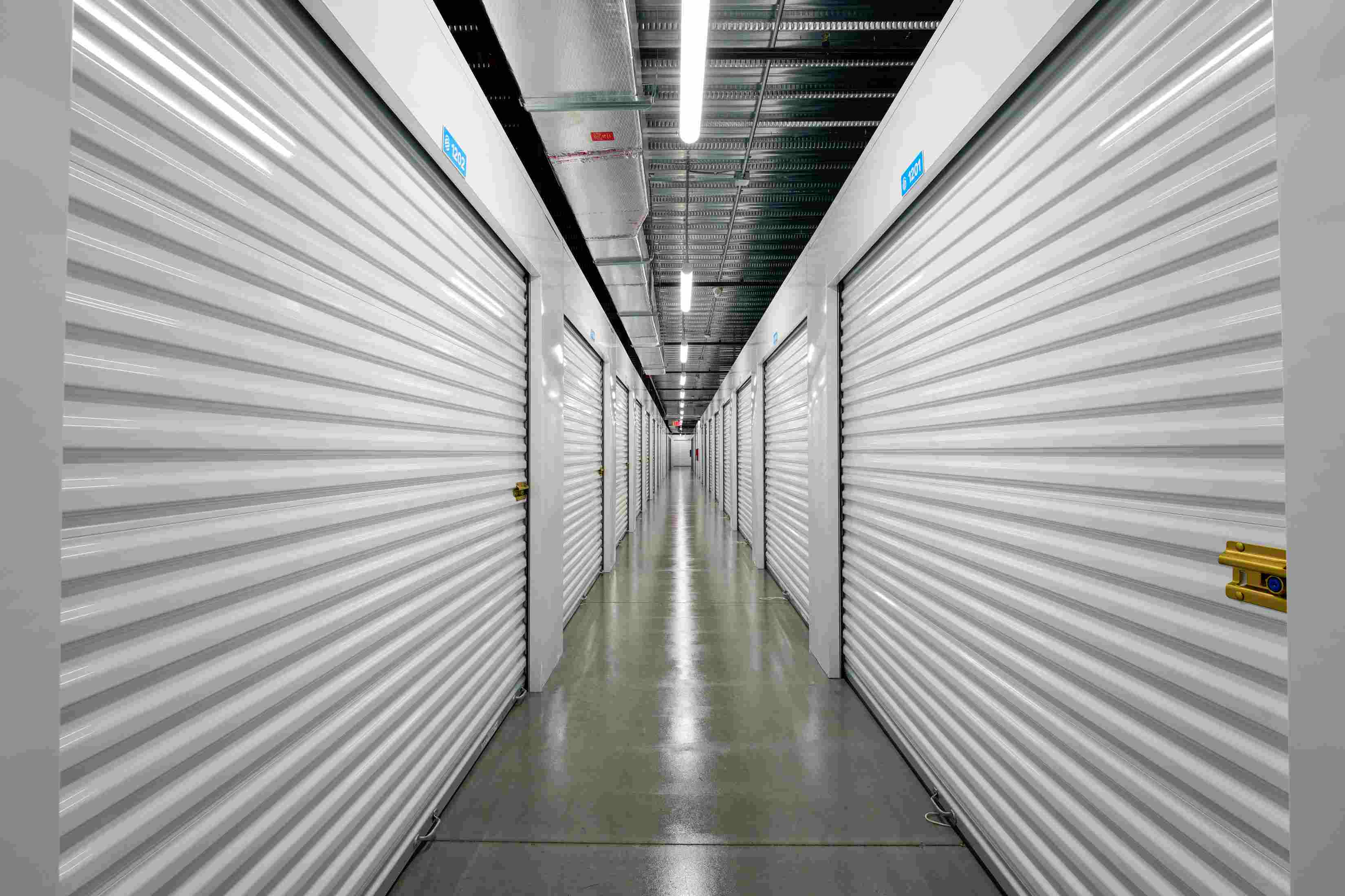
When you're ready to reclaim garage space or organize seasonal gear, choose a facility that fits your storage needs and review the rules before move-in. SecureSpace Self Storage Palm Harbor offers climate-controlled storage, outdoor parking, covered parking, online payments, touchless move-in, carts and dollies, elevator access, daily gate access from 6:00 AM to 10:00 PM, and month-to-month leases.
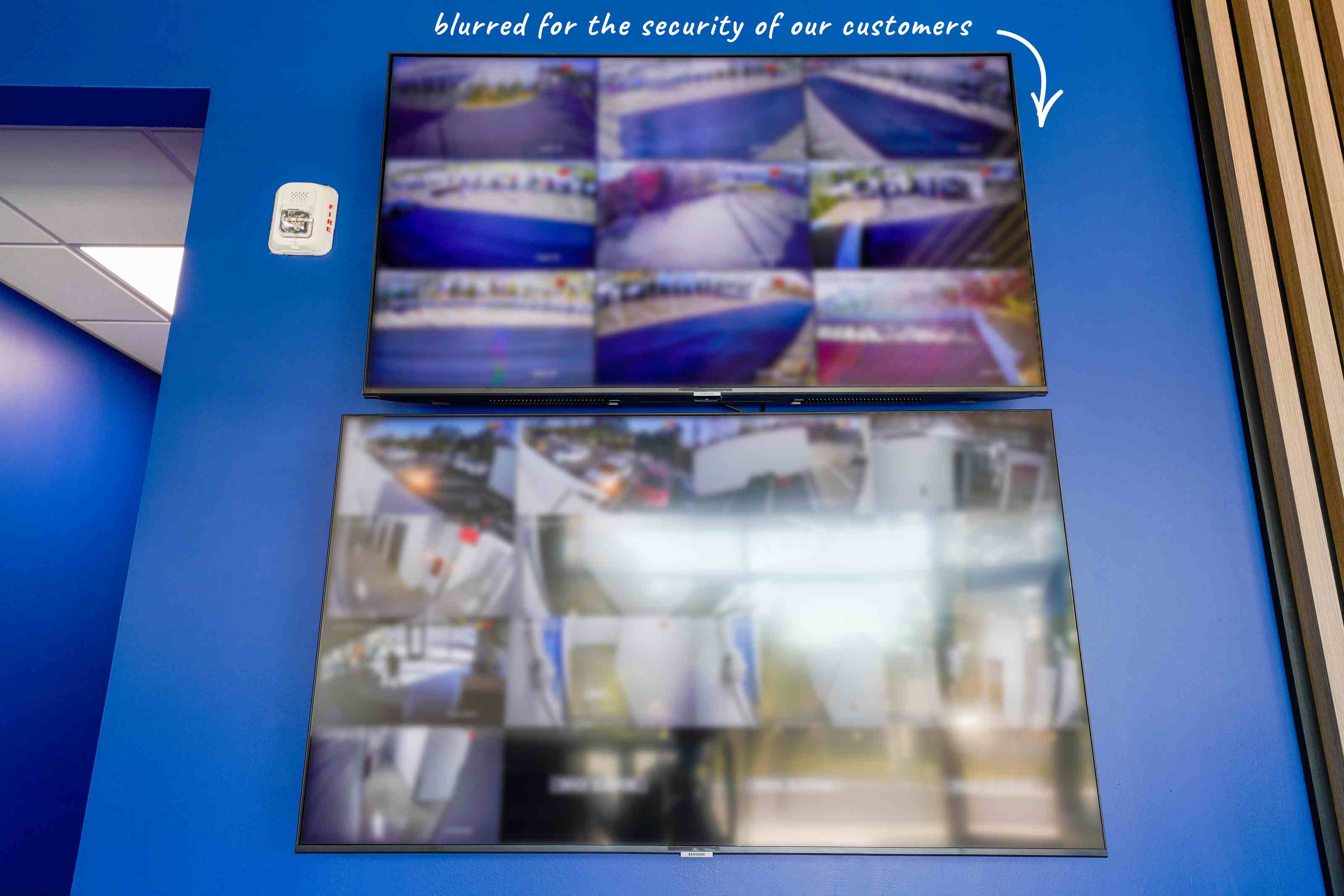
Security-related features include an access gate, digital video recording, overnight surveillance, logged access, and touchless computer-controlled access. Basic moving supplies are also available at SecureSpace facilities.
Check current availability, pricing, and promotions at SecureSpace Self Storage Palm Harbor before choosing your unit.
Fuel and other hazardous materials are commonly prohibited in storage units. Before storing lawn equipment, boat equipment, or other motorized items, review facility rules and remove prohibited materials as required. Ask the facility directly if you are unsure whether an item is allowed.
Storage units are intended for storage, not as storefronts, offices, workshops, or living spaces. Business inventory, records, supplies, or equipment may be stored when allowed by the lease and facility rules. Customers should review lease terms and any business requirements that apply to their activity.
Scuba gear may require special handling, and pressurized tanks may be subject to facility restrictions. Check facility rules before storing scuba tanks or dive equipment. Any wetsuits, bags, fins, masks, or regulators should be washed, dried completely, and packed carefully before storage.
Climate-controlled storage is not legally required for golf clubs, but it may be useful in Palm Harbor's heat and humidity. Clean and dry clubs before storing them, avoid leaving damp items in the bag, and consider climate-controlled storage if you want to reduce exposure to temperature swings.
Everything you need to store your belongings securely, on your schedule.
Visit us online