Last updated Jun 20, 2026
Moving to a new home, decluttering a suburban garage, or clearing out a Rutgers University dorm room requires careful planning and coordination. During these transitions, a commercial storage unit can offer a flexible place to keep belongings organized. However, it is important to understand what should and should not go inside a storage unit before move-in day.
Many people view a storage unit as an off-site extension of a residential garage. That assumption can lead to packing mistakes, such as storing leftover house paint, a lawnmower with fuel inside, or an uncleaned mini-fridge. Storage facilities have rules that help protect customers, the property, and neighboring units.
This guide breaks down common prohibited items, safer packing practices, and local disposal alternatives so you can prepare your unit responsibly and avoid preventable problems.
Questions about prohibited items usually come from customers who want to pack correctly. Nobody wants to accidentally violate a rental agreement or bring a hazardous item into a shared storage property. Facility rules are designed to reduce risks related to fire, pests, contamination, property damage, and unauthorized use.
Commercial storage units are meant for storing approved personal, household, student, or business items. They are not intended for living, sleeping, cooking, operating machinery, storing hazardous substances, or keeping anything perishable or alive.
Before moving in, review the rental agreement and ask the facility team if you are unsure about a specific item. Rules can vary by facility, unit type, and local requirements.
Facilities generally prohibit items that pose fire, environmental, or safety risks. These restrictions are especially important in shared storage environments where one hazardous item can create problems for nearby customers.
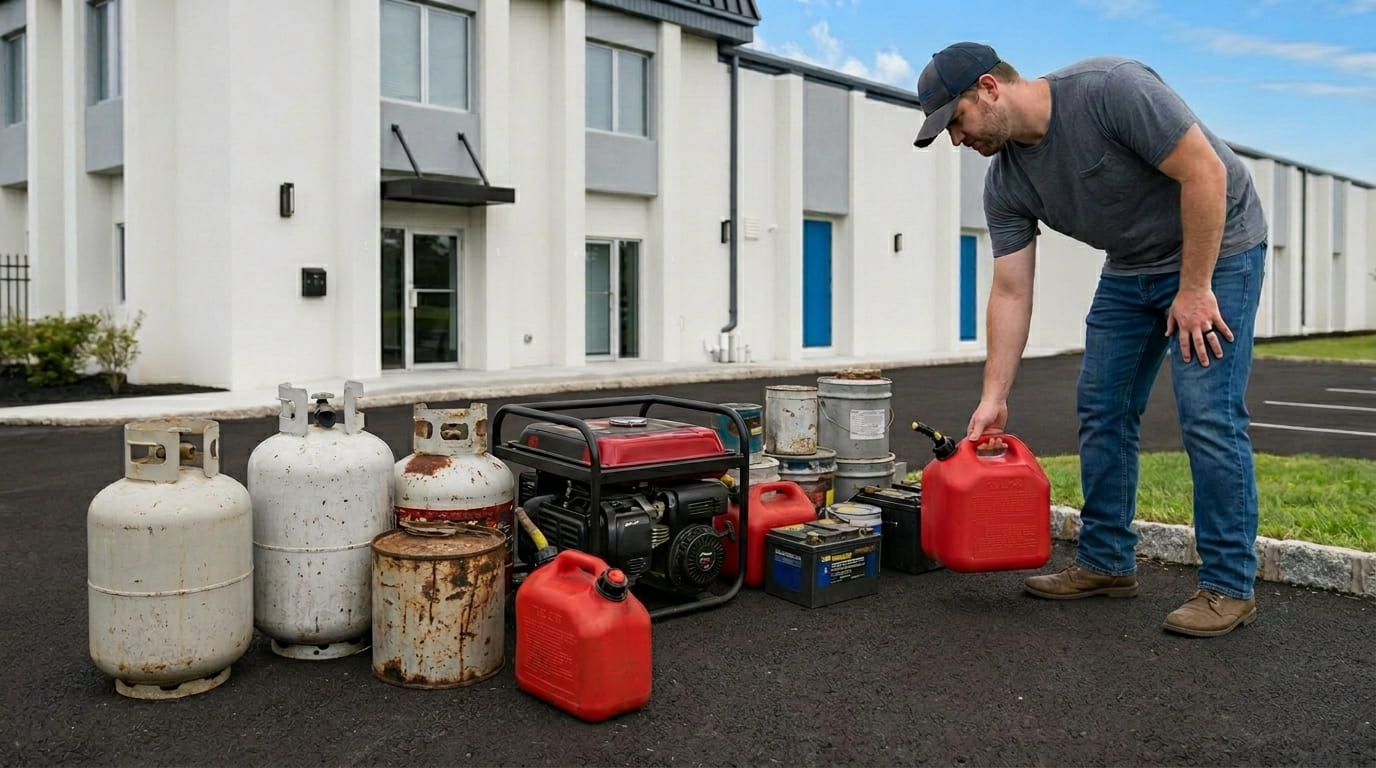
Do not store hazardous or flammable materials such as:
Gasoline, diesel fuel, and motor oil
Propane tanks
Kerosene and lighter fluid
Oil-based paint and paint thinners
Fertilizers, pesticides, and toxic chemicals
Biological waste or radioactive materials
Fireworks, explosives, or other dangerous combustibles
If you use gas-powered equipment, prepare it before storage. Drain fuel and oil as required by the facility's rules, clean the equipment, and let it dry before placing it in the unit. Do not store loose containers of fuel, oil, or chemicals with the equipment.
Businesses should also be careful with chemical or regulated materials. A storage unit should not be used to hold hazardous inventory, regulated waste, medical samples, or other materials that require specialized handling.
No. Storage units should not be used for living things, live plants, animals, or perishable food. Food and organic materials can attract pests, create odors, and affect neighboring units.
Avoid storing:
Perishable groceries
Opened or unsealed pantry goods
Pet food
Bottled beverages or liquids that may leak
Live plants
Animal bedding or items with food residue
If you are storing kitchen items, clean them thoroughly before move-in. Empty appliances, wipe down shelves and drawers, and make sure everything is dry. For refrigerators or freezers, defrost them completely and leave doors slightly open if allowed so trapped moisture does not create odors.
Suburban families and local businesses often use storage for seasonal equipment, tools, and vehicles. Gas-powered lawnmowers, snowblowers, weed whackers, and other landscaping equipment may be appropriate for storage when they are clean and properly prepared, but fuel and oil should not be left inside if facility rules require draining.
Used automotive tires, scrap materials, fuels, batteries, and chemicals may be restricted or prohibited depending on the item and local rules. If you are unsure, ask before move-in rather than assuming the item is allowed.
For vehicle storage, SecureSpace Self Storage Stelton-Piscataway offers outdoor parking. Vehicles may also be stored in drive-up units when the vehicle fits, the right unit is available, and facility rules and documentation requirements are met. Covered parking is not offered at this location. Always confirm vehicle type, size, documentation, and current availability before renting.
Piscataway is closely connected to Rutgers University, and student move-out periods can create rushed packing situations. Students may store many common dorm items, including bedding, clothing, books, small furniture, and approved household items, as long as they comply with facility rules.
Small appliances require preparation. A mini-fridge, microwave, or similar appliance should be empty, clean, defrosted when applicable, and completely dry before storage. Damp appliances can create odors or moisture issues during a summer storage period.
Battery-powered devices should be handled carefully. Lithium-ion batteries can create fire risks if they are damaged, recalled, swollen, improperly charged, or stored against facility rules. Before storing e-bikes, scooters, hoverboards, power banks, or similar items, review the rental agreement and ask the facility team what is allowed.
If you have hazardous materials that should not go into a storage unit, use a proper disposal option instead of leaving them near a dumpster, pouring them down a drain, or placing them in a storage space.
Middlesex County and local public agencies may offer household hazardous waste programs for items such as oil-based paint, solvents, pool chemicals, pesticides, and other restricted materials. Event dates, accepted materials, and drop-off locations can change, so check current Middlesex County guidance before loading your vehicle.
For items such as batteries, tires, fuel, chemicals, or old paint, confirm the correct disposal method before move-in day. Handling these items early can help keep your storage rental focused on approved belongings.
Once you understand the restrictions, self storage can be useful for many household, student, and business items. Commonly stored items may include:
Living room furniture and bedroom sets
Seasonal clothing and holiday decorations
Sporting goods and tailgating gear
College textbooks and academic files
Cleaned and dried household appliances, if allowed
Business records, supplies, displays, and boxed inventory
Tools and non-hazardous equipment
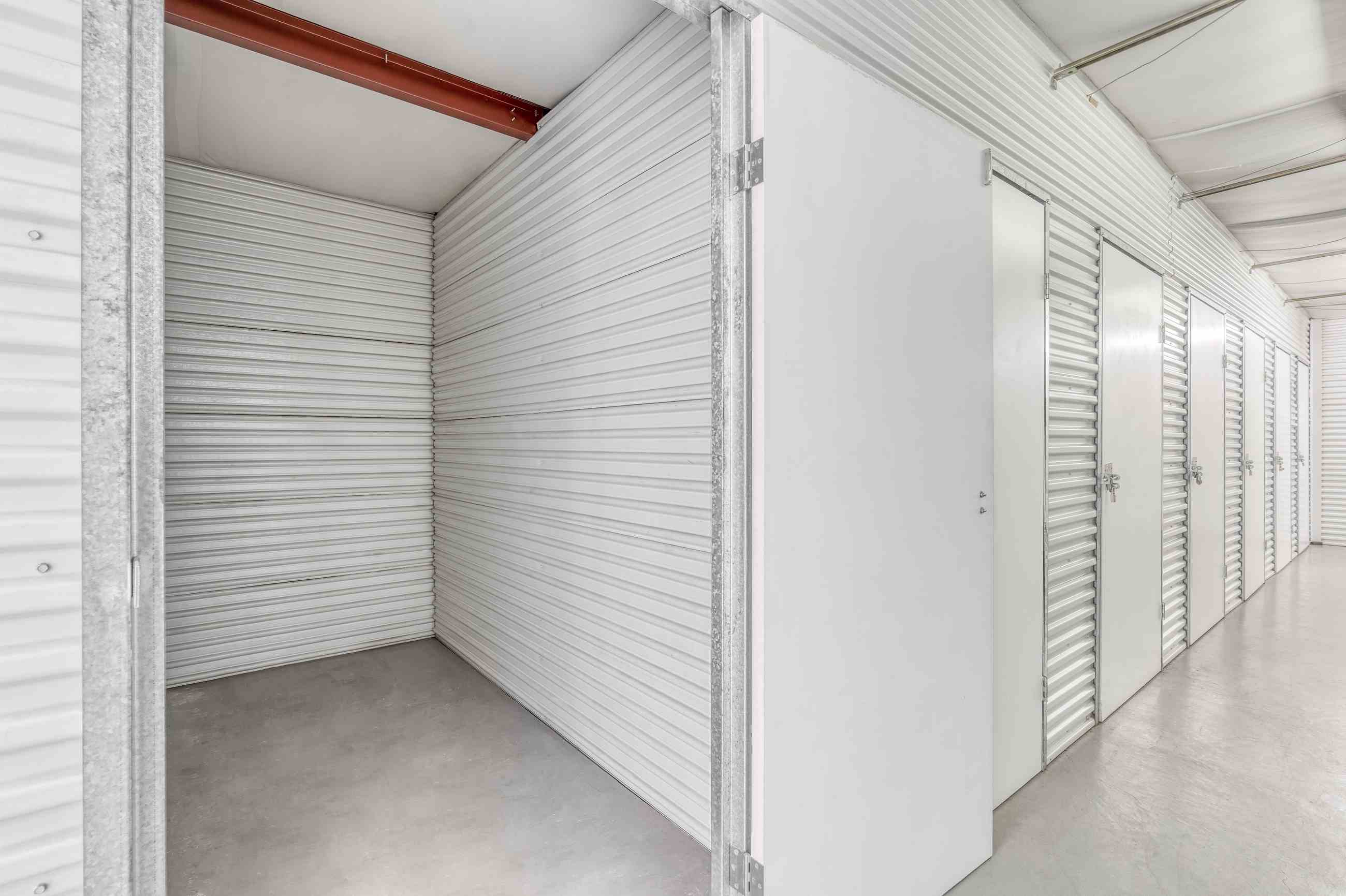
Climate-controlled storage is worth considering for sensitive electronics, wooden furniture, vinyl records, documents, books, photographs, fabrics, and similar belongings. Climate-controlled storage can help reduce exposure to temperature swings compared with non-climate-controlled spaces, but proper packing and clean, dry items still matter.
Gas-powered lawn equipment may be allowed if it is properly prepared and complies with facility rules. Drain fuel and oil when required, clean the equipment, and do not store loose gasoline, motor oil, propane, or other flammable materials inside the unit.
Yes. Storage facilities commonly restrict hazardous, flammable, perishable, illegal, living, or otherwise prohibited items. Review your rental agreement before move-in and ask the facility team about anything that may create a fire, pest, odor, environmental, or safety concern.
Students may be able to store small dorm appliances if they are cleaned, emptied, defrosted, and fully dry before storage, subject to facility rules. Food should not be stored because it can attract pests, create odors, or leak.
Check current Middlesex County household hazardous waste guidance for accepted materials, event dates, and drop-off locations. Do not place hazardous chemicals, old oil-based paint, solvents, fuel, or similar materials in a storage unit.
Following storage rules can help protect your belongings, neighboring units, and the facility environment. By keeping hazardous materials, perishables, and restricted items out of your unit, you can make move-in simpler and avoid preventable issues.
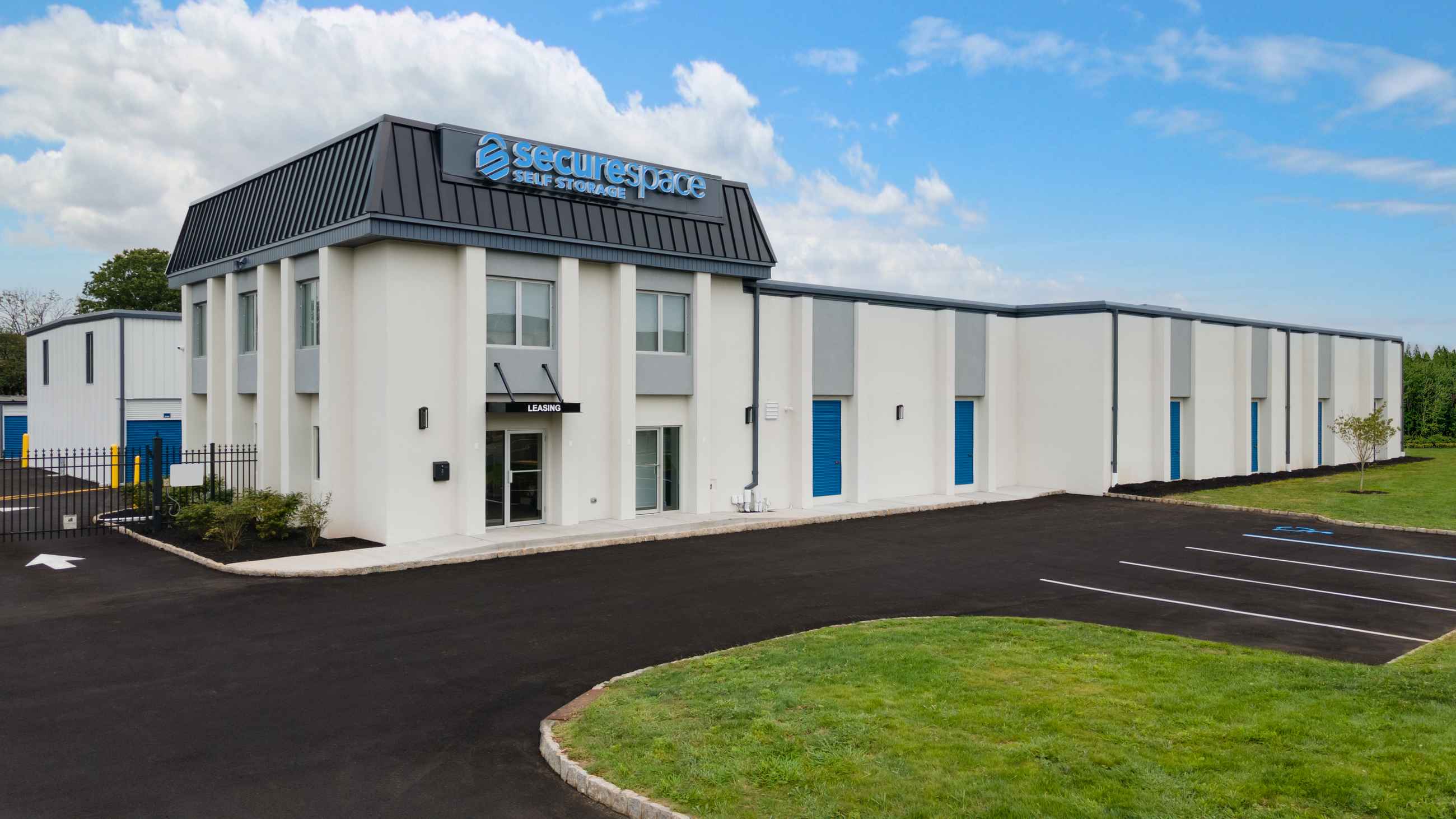
SecureSpace Self Storage Stelton-Piscataway offers drive-up units, 7-day access, touchless move-in, online payments, climate-controlled storage, outdoor parking, elevator access, carts and dollies, and month-to-month leases. Security-related features include an access gate, digital video recording, logged access, and overnight surveillance.
Reserve your unit online today: SecureSpace Self Storage Stelton - Piscataway
Everything you need to store your belongings securely, on your schedule.
Visit us online