Last updated Jun 20, 2026
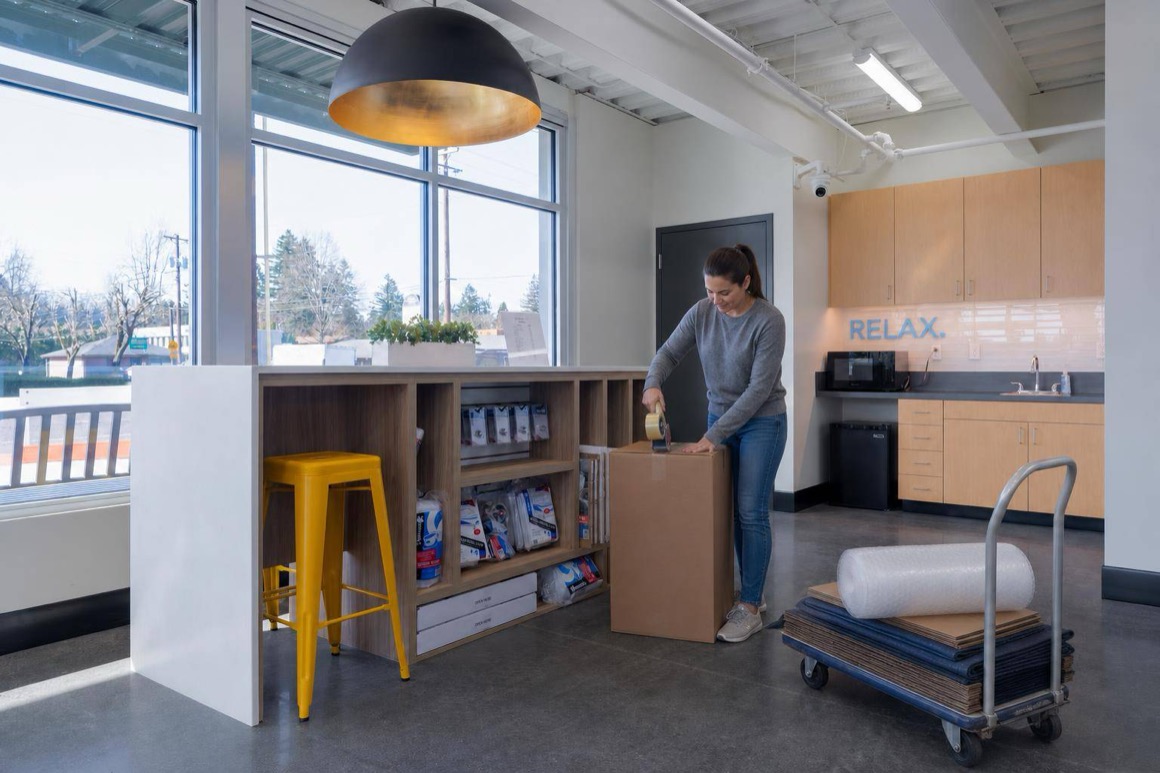
Renting a storage unit in Portland, Oregon, can be a practical way to free up space in your apartment, organize seasonal items, or keep outdoor gear out of the way between trips. People living in dense neighborhoods like the Pearl District often rely on storage as an extension of their homes. In areas where renter-occupied households are common, extra square footage can be hard to find. But before loading boxes into your car, it helps to understand which items may be restricted inside a commercial storage facility.
Storage facilities enforce rules about what customers can bring onto the property. These guidelines help protect belongings, support staff and customer safety, and reduce fire, pest, odor, and legal risks. Bringing prohibited or restricted items into a unit can create problems on move-in day and may violate the rental agreement.
Many Portland residents embrace an active outdoor lifestyle, taking advantage of nearby places like Forest Park, the Willamette River, and Mount Hood. That means locals often own gear such as kayaks, paddleboards, snowboards, camping equipment, and tools. Some related items, especially fuel canisters, chemicals, and combustible materials, may not belong in a storage unit.
This guide explains common categories of items that are typically restricted in Portland storage units, why those rules exist, and how to prepare your belongings before move-in.
When you sign a rental agreement, you agree to follow the facility's rules. Always review the current agreement before move-in, because specific restrictions can vary. In general, commercial storage operators often restrict hazardous materials, combustible items, perishable goods, living things, illegal items, and materials that create fire, pest, odor, or sanitation risks.
You should not store propane tanks, gasoline, marine fuel, paint thinner, fireworks, fertilizers, car batteries, or similar hazardous materials in a storage unit. These items can create fire, explosion, toxic fume, or environmental risks in enclosed spaces.
If you are storing camping gear, boating accessories, or outdoor equipment, remove fuel from stoves and related equipment before move-in. Small pressurized propane canisters and partially full fuel containers should be handled according to local disposal guidance rather than placed in storage.
Avoid storing fresh produce, boxed food, dry cereal, bulk pet food, live plants, or organic waste inside your unit. Food and organic materials can attract rodents and insects, create odors, and contribute to sanitation issues. Once pests enter one area, they may affect neighboring units or shared facility spaces.
If you need to store kitchen items, clean appliances, cookware, and containers thoroughly before packing them. Make sure everything is dry, free of crumbs, and sealed properly.
Living things, including pets, animals, and humans, are not permitted in storage units. A storage unit should never be used as housing, a workspace for extended occupancy, or a place to keep animals or plants alive. Storage units are not designed with the ventilation, plumbing, or residential systems needed for safe habitation.
Do not store stolen property, counterfeit goods, illegal drugs, explosive materials, or other items prohibited by law or by the rental agreement. These items can expose customers and facilities to serious legal, safety, and insurance issues.
Firearms and ammunition require special care under applicable law and storage rules. Following the implementation of Measure 114, Oregon enacted rigorous safety standards for gun owners across the state. Before placing any weapon-related item in storage, review your rental agreement and applicable legal requirements. Many commercial storage facilities restrict or prohibit firearms, ammunition, and explosive materials because of theft, liability, and safety concerns.
Cannabis and cannabinoid products may also be restricted by storage facility rules, even where adult possession is permitted under Oregon law. Cannabis can create odor, pest, perishability, and legal-compliance concerns in a commercial storage setting. Review the rental agreement before move-in and avoid placing restricted substances in your unit.
Vehicle storage rules vary by facility, and not every storage location offers parking or vehicle storage. SecureSpace Self Storage Centennial does not offer parking units, covered parking, drive-up units, or vehicle storage in drive-up units.
If you are storing motorized tools, lawn equipment, camping equipment, or other gear with fuel or oil, drain fuel where appropriate and follow the facility's rules for batteries, fluids, and combustible materials. Do not leave any engine running inside an enclosed space, and do not store actively leaking equipment.
For vehicle, RV, boat, or trailer storage, customers should look for a facility that specifically offers that storage type and review registration, insurance, and storage requirements before renting.
If you find prohibited items while packing, do not place them in a standard dumpster or storage unit. Hazardous materials should be handled through appropriate local disposal channels.
You should take them directly to the Metro Central Hazardous Waste Facility located at 6161 NW 61st Ave in Portland. This can be a useful option for leftover paint thinner, harsh cleaning chemicals, and certain household hazardous materials that should not go into storage.
Check Metro's current disposal guidelines before making the trip, because accepted items, fees, hours, and preparation instructions can change.
Once restricted items are removed, you can focus on storing approved belongings carefully. Portland's damp, cool months can create concerns for items kept in garages, sheds, vehicles, or other spaces exposed to changing conditions. Items like paper documents, textiles, wood furniture, electronics, and upholstered furniture should be packed clean and dry.
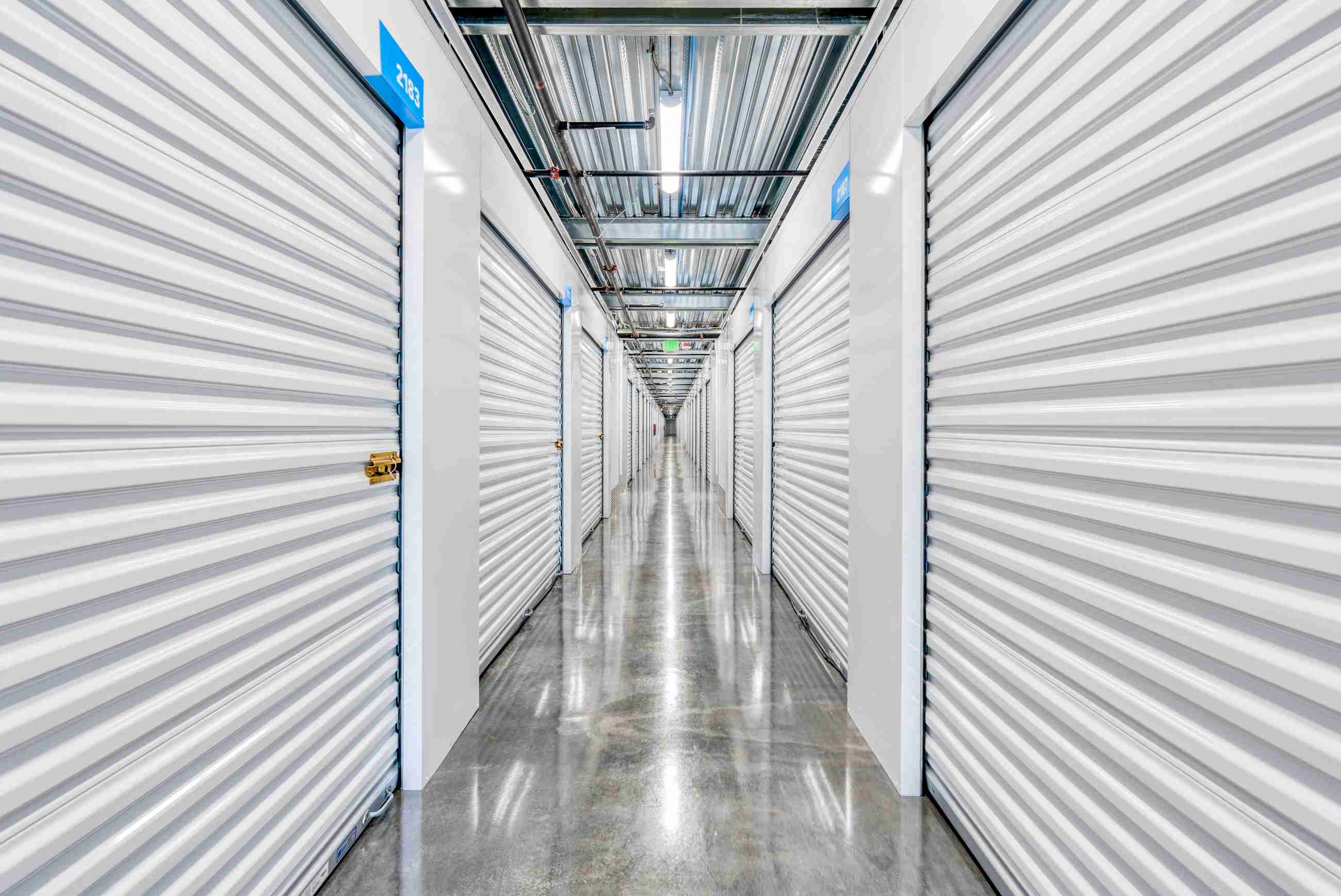
SecureSpace Self Storage Centennial offers heated indoor storage. Heated storage is not the same as climate-controlled storage and does not provide strict humidity control. Still, heated indoor storage may be useful for customers who want an indoor option rather than leaving belongings in an unheated garage, outdoor shed, or vehicle during damp months.
To reduce moisture-related risk, use sealed bins where appropriate, avoid placing damp items into storage, keep boxes off the floor if possible, and leave a little space for organization and access.
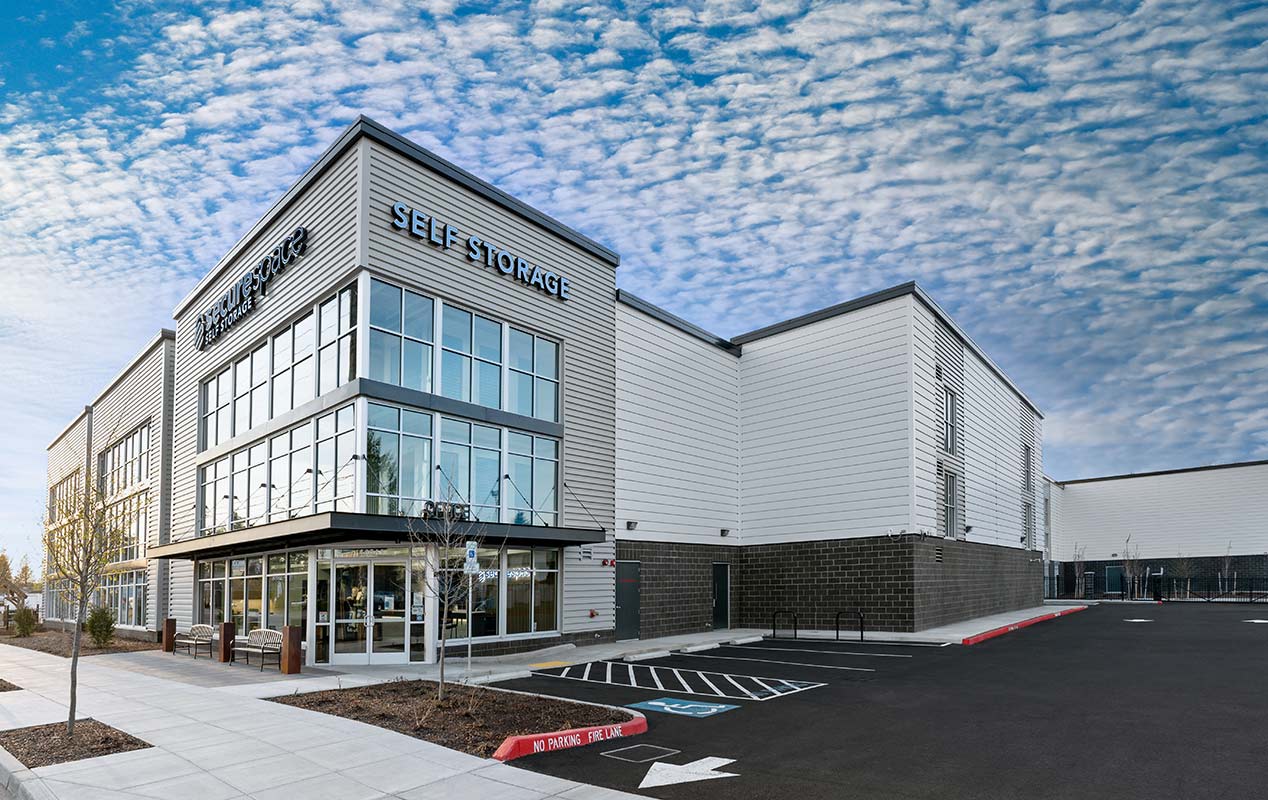
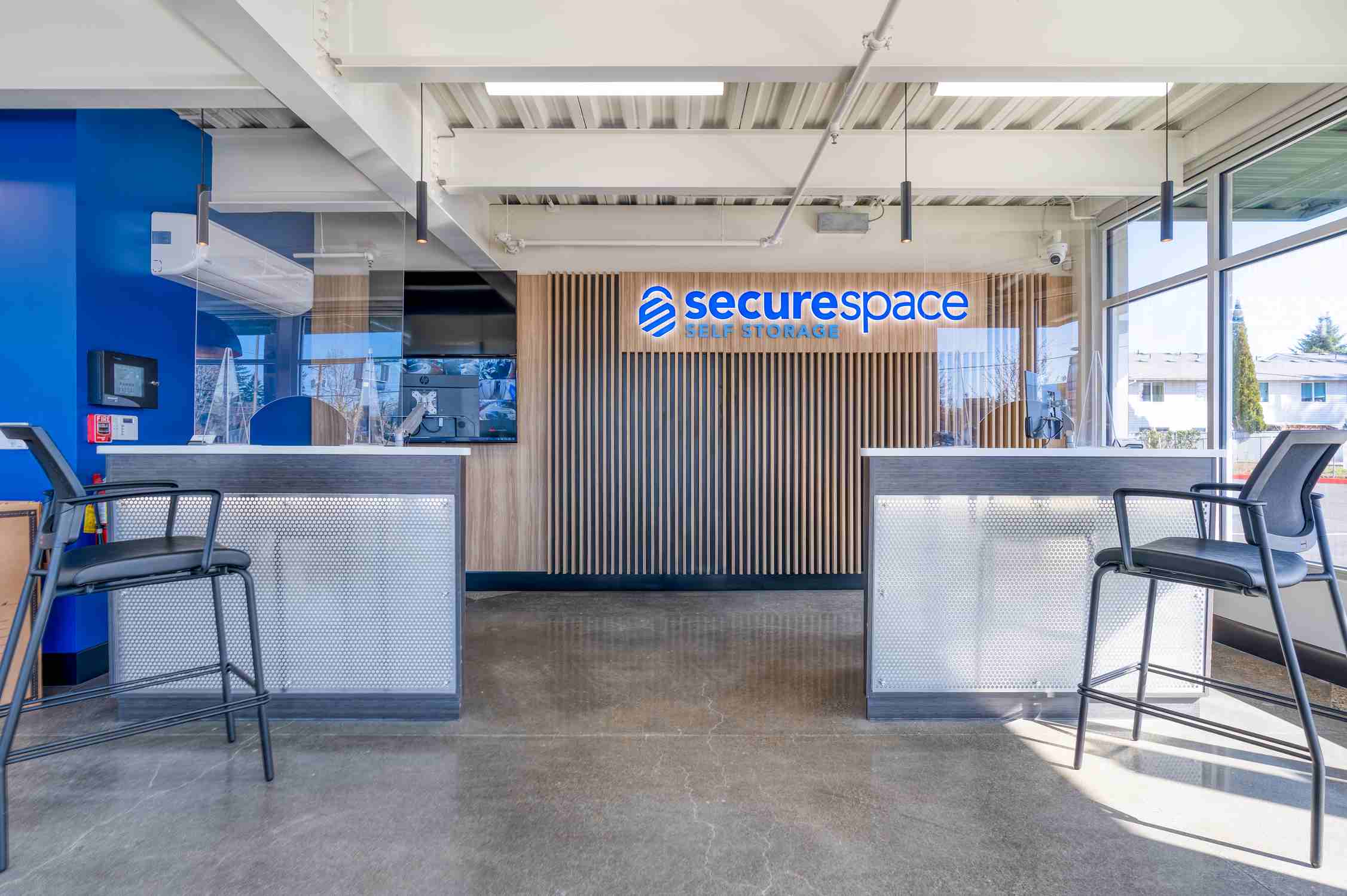
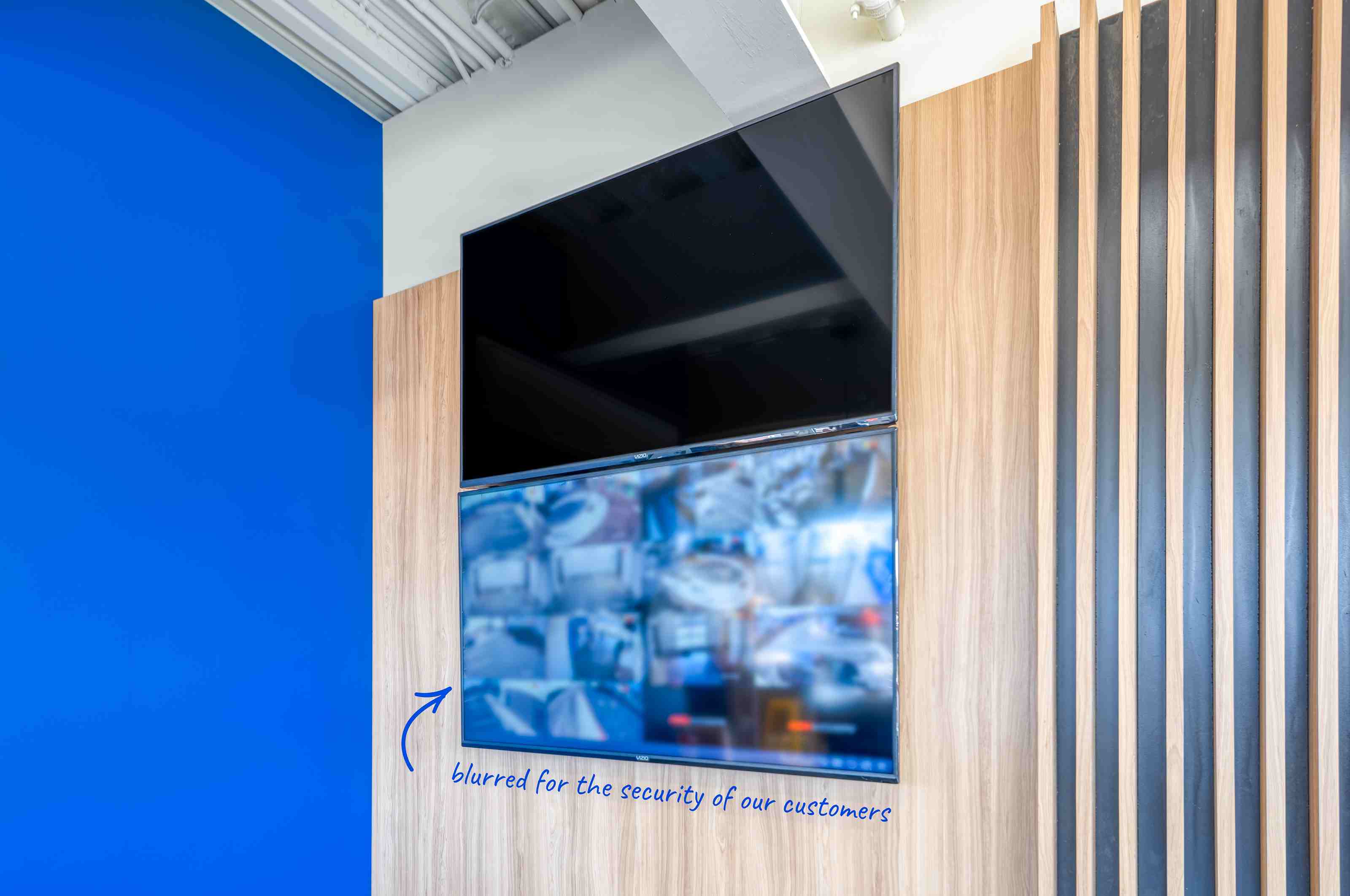
SecureSpace Self Storage Centennial is located at 16061 SE Division St in Portland and serves Southeast Portland customers. The facility offers heated indoor storage, daily access from 7:00 AM to 10:00 PM, elevator access, extra-large elevators, a covered loading area, carts and dollies, online payments, ACH and credit card payment plans, digital video recording, logged access, overnight surveillance, and month-to-month leases.
These features can support customers who are decluttering, moving, renovating, reorganizing, or storing approved household and business items. Availability, unit sizes, rates, promotions, and rental terms can change, so review current facility details before choosing a unit.
Finding the right storage space starts with sorting your belongings before move-in. Set aside hazardous materials, perishable food, combustible items, restricted goods, and anything that may violate the rental agreement. Dispose of hazardous materials through appropriate local channels, and pack approved items clean and dry.
For Portland residents in transition, storage can offer helpful flexibility when apartments, older homes, or seasonal gear create more belongings than available closet space. Whether you are decluttering a small apartment, renovating a home, or looking for a place to keep approved outdoor gear during the off-season, choose a unit size and facility setup that fit your needs.
No. Camping stove fuel, small propane canisters, and large propane tanks are commonly restricted because they are pressurized or combustible materials. Use local hazardous waste disposal guidance instead of placing them in a storage unit.
You can generally store personal, financial, and business documents in a storage unit, provided they do not violate facility rules. SecureSpace Self Storage Centennial offers heated indoor storage, but not climate-controlled storage or archival document management. Pack documents clean and dry, use sealed containers when appropriate, and avoid storing irreplaceable originals if you need specialized records protection.
Do not store marijuana or cannabis products in a commercial storage unit unless the facility's rental agreement clearly permits it. Many storage facilities restrict cannabis because of odor, pest, perishability, policy, and legal-compliance concerns.
Review your rental agreement and applicable law before storing any firearm-related item. Many commercial storage facilities restrict or prohibit firearms, ammunition, and explosives because of theft, liability, and safety concerns. In Oregon, firearm owners should also follow current state safety requirements.
SecureSpace Self Storage Centennial does not offer parking units, covered parking, drive-up units, or vehicle storage in drive-up units. Customers who need vehicle, RV, boat, or trailer storage should look for a facility that specifically offers that storage type.
Storage rules are easier to manage when you sort restricted items before moving day. Leave out hazardous materials, perishable food, firearms and ammunition where restricted, cannabis where restricted, and anything else prohibited by the rental agreement. Then pack approved items carefully and choose a unit that fits your space needs.
SecureSpace Self Storage Centennial offers heated indoor storage, daily access from 7:00 AM to 10:00 PM, month-to-month leases, online payments, ACH and credit card payment plans, elevator access, extra-large elevators, a covered loading area, carts and dollies, digital video recording, logged access, and overnight surveillance.
Find current options for self storage in Portland, OR.
Everything you need to store your belongings securely, on your schedule.
Visit us online