Last updated Aug 12, 2026
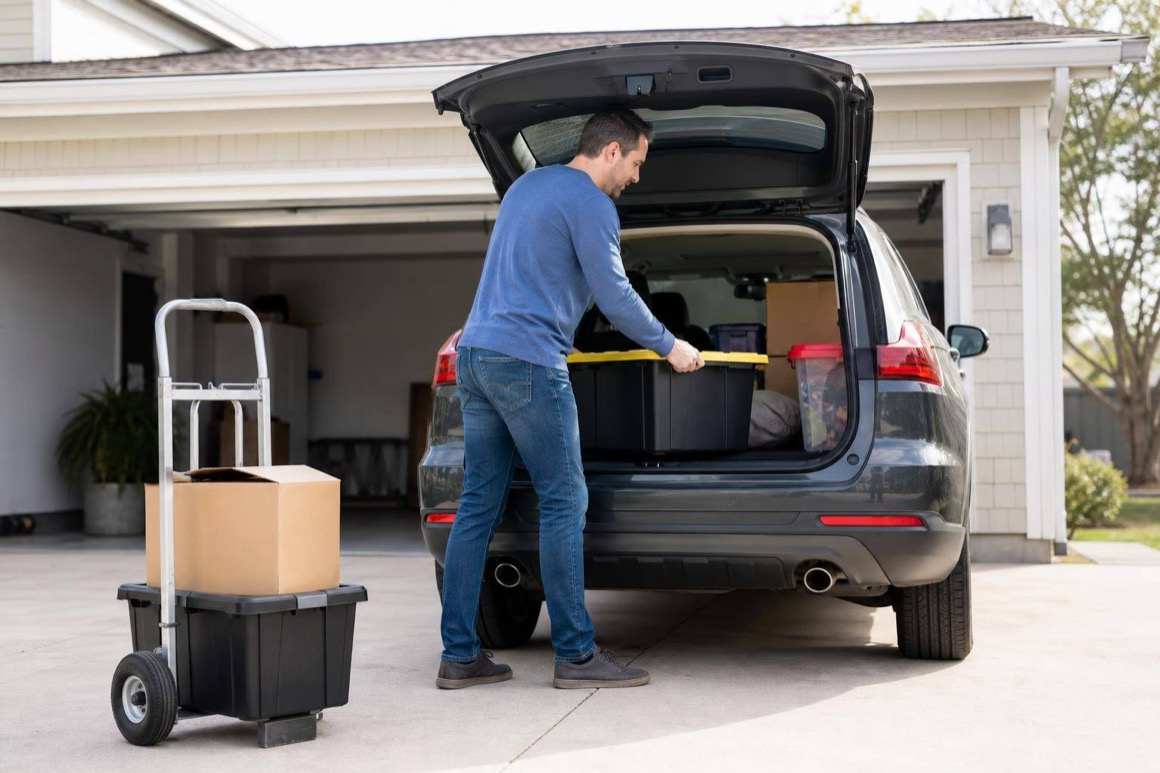
Renting a storage unit in Tacoma can help during a move, military transition, renovation, downsizing project, or seasonal cleanout. Before loading boxes, furniture, tools, or equipment, it is worth knowing which items should stay out of storage.
Storage restrictions are not just fine print. They help reduce safety risks, pest issues, property damage, and legal problems for customers and the facility. Rules can vary by facility and rental agreement, so always review the lease terms and ask the storage team before storing anything unusual, regulated, hazardous, or high-value.
This guide covers common categories of prohibited or restricted items, why they matter, and how Tacoma renters can make safer storage decisions.
Most self-storage facilities allow customers to store ordinary household goods, furniture, clothing, business inventory, seasonal items, tools, and other approved belongings. Storage units are not intended for living, operating a business, storing hazardous materials, or keeping items that create risk for neighboring units.
Before move-in, review the facility's prohibited-items list, coverage requirements, and rental agreement. Lease terms may limit facility liability and may make customers responsible for damage, cleanup, disposal, or other costs if prohibited items are stored.
When in doubt, ask before bringing the item to the facility. That is especially important for chemicals, batteries, vehicles, firearms, ammunition, fuel, food, business materials, and regulated military items.
Hazardous and flammable items are among the most important categories to keep out of a storage unit. These materials may create fire, contamination, spill, or cleanup risks, especially if they are stored in sealed containers, exposed to temperature changes, or packed with other belongings.
Commonly prohibited hazardous or flammable materials include:
Gasoline, kerosene, diesel fuel, and other fuels
Propane tanks and compressed gas canisters
Paint thinner, turpentine, solvents, and strong chemicals
Motor oil and transmission fluid
Aerosol cans, including spray paint and similar pressurized products
Fertilizers, pesticides, and pool chemicals
Fireworks, explosives, and pyrotechnics
Before storing lawn equipment, generators, or similar items, check the facility's rules for fuel and fluids. Customers may need to empty, clean, or prepare equipment before storage.
Dispose of paints and solvents through Tacoma's household hazardous waste program instead of placing them in a storage unit.
Food and organic materials can attract pests, create odors, and cause problems for neighboring units. Many facilities restrict or prohibit food, perishables, and similar items, even when they seem sealed or shelf stable.
Items to avoid include:
Fresh, frozen, packaged, or open food
Pet food, birdseed, and livestock feed
Plants, soil, seeds, and live organic materials
Animal bedding, hay, or litter
Scented items that may attract pests, depending on facility rules
For kitchen cleanouts or moves, donate unopened eligible food, take usable items with you, or dispose of anything that cannot be safely transported. Do not use a storage unit as a pantry or overflow food-storage area unless the facility explicitly allows the item.
Firearms, ammunition, and weapons-related materials are policy-sensitive and may be restricted or prohibited by facility rules, insurance requirements, and applicable laws. Ammunition, explosives, gunpowder, reloading materials, fireworks, and similar items should not be stored in a standard storage unit.
Firearm rules can vary, so customers should never assume firearms are allowed. Following the passage of Washington State's Initiative 1639, Washington added secure-storage requirements intended to reduce unauthorized access by children or prohibited persons. If you own firearms, review current state guidance and confirm facility policy directly before bringing any firearm onto the property.
For many customers, a storage unit is not the right place for firearms or ammunition. Use an appropriate legal storage method that meets current law, safety requirements, and facility rules.
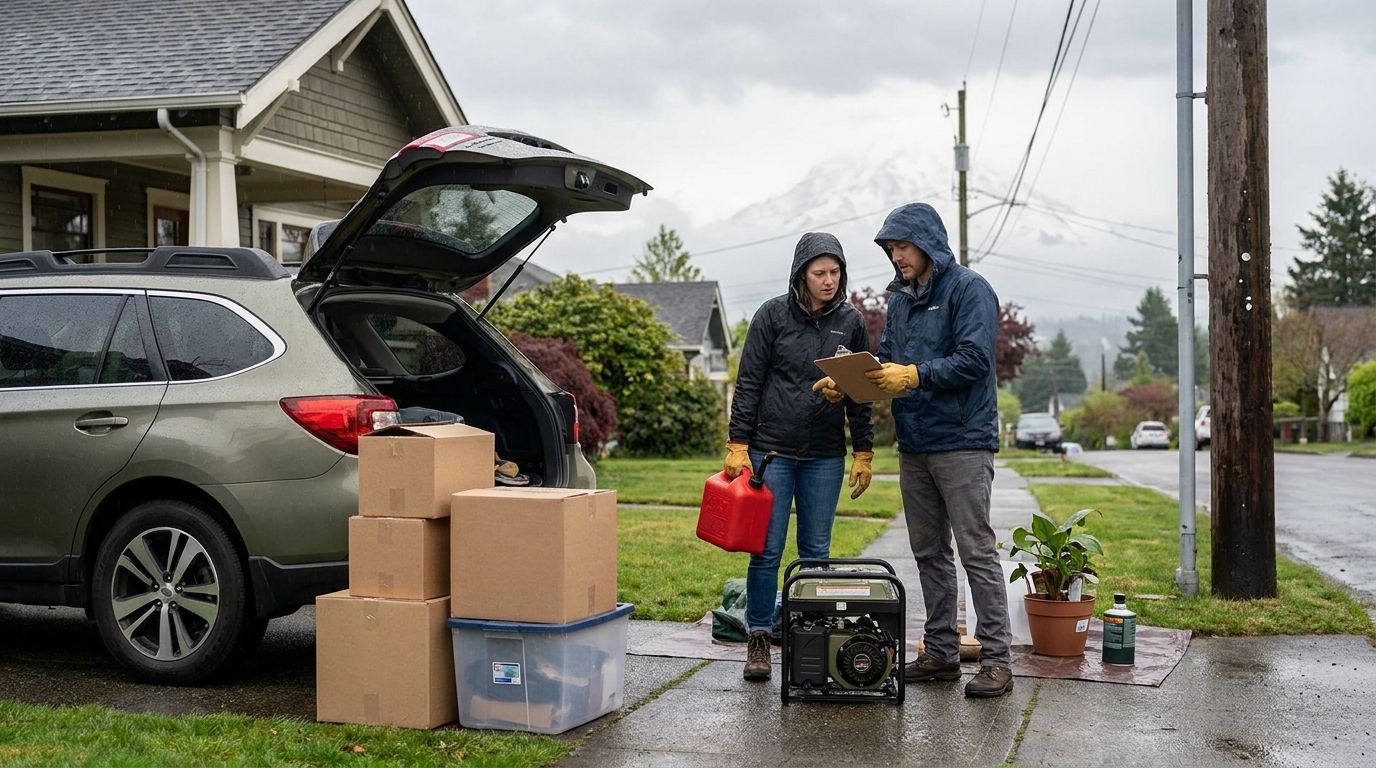
Self-storage can be useful for military families going through a PCS move or deployment from Joint Base Lewis-McChord, especially when housing dates, transportation schedules, or deployment timelines shift.
Household goods, furniture, clothing, kitchen items, and personal belongings are generally the types of items customers think about storing during a move. Regulated, hazardous, government-controlled, or military-issued materials require extra care and should be handled according to official guidance.
Do not place ammunition, explosives, radioactive materials, military-grade chemicals, or other controlled materials in a civilian storage unit. Equipment containing aqueous film-forming foam (AFFF), which contains PFAS chemicals subject to Department of Defense environmental phase-out directives, should also be handled through the proper official channels rather than self storage.
If you are not sure whether a military-issued or regulated item can be stored, separate it from household goods and follow current military, environmental, and facility guidance.
Tacoma storage customers may need space for vehicles, boats, RVs, motorcycles, or powered equipment. Vehicle storage options can vary by facility, space type, and availability, so it is important to confirm the details before renting.
Eligible vehicles, boats, RVs, and cars may be stored only when they fit the available space and meet the facility's documentation and rental requirements. Some facilities may also allow eligible vehicles in drive-up units when treated like a parking space, but this depends on vehicle size, unit availability, documentation, and facility rules.
Do not assume every vehicle, trailer, boat, or RV will fit every unit or parking space. Measure the full length and width, include trailers or attachments, and ask about current availability before moving the vehicle to the facility.
No person, animal, or live plant should be kept in a storage unit. Storage units are not designed for living, animal care, plant care, ventilation, sanitation, or regular occupancy.
Do not store:
People or use the unit as a temporary living space
Pets or animals of any kind
Live plants
Soil, seeds, or other organic growing materials, unless the facility specifically allows them
This is both a safety issue and a facility-policy issue. If you need help during a housing transition, use appropriate housing, shelter, or moving resources rather than a storage unit.
Tacoma's rainy seasons make packing and preparation important. Some items are not necessarily prohibited, but they can be more vulnerable if they are stored damp, uncovered, or poorly packed.
Use extra care with:
Mattresses and upholstered furniture
Paper documents, books, and photos
Leather goods and clothing
Electronics
Musical instruments
Wood furniture
Important personal records
Heated storage may be useful for eligible belongings customers prefer not to keep in a cold space, where available. Heated storage is not the same as climate-controlled or humidity-controlled storage, and it should not be described as guaranteed protection from moisture, mold, or damage.
For best results, store items clean and dry, use sturdy containers, avoid packing damp belongings, and keep sensitive items elevated when possible. Irreplaceable documents, jewelry, cash, securities, and other high-value items may be better suited for a bank safe deposit box, home safe, or another specialized storage option.
E-bikes, scooters, power tools, and other rechargeable items can involve lithium-ion batteries. Policies vary by facility, and charging batteries inside a storage unit should never be assumed to be allowed.
Before storing battery-powered equipment, ask the facility about its lithium-ion battery and charging rules. Keep batteries in good condition, follow manufacturer guidance, and do not store damaged, swollen, leaking, or recalled batteries in a storage unit.
If an item requires charging, maintenance, ventilation, or monitoring, a storage unit may not be the right place for it.
Illegal items and stolen property are not allowed in self storage. That includes controlled substances, counterfeit merchandise, drug paraphernalia, stolen goods, and any other item prohibited by law or facility rules.
Customers should also think carefully before storing cash, securities, rare collectibles, irreplaceable documents, jewelry, or high-value items. Standard storage units are not designed as vaults, and coverage terms may limit what is protected.
If an item would be extremely difficult or impossible to replace, consider a more specialized storage option.

Vehicle, boat, and RV rules depend on the facility, space type, and rental agreement. Confirm fuel, registration, insurance, documentation, and size requirements before renting outdoor parking or a drive-up unit.
Firearm storage rules can depend on state law, facility policy, and insurance requirements. Ammunition and explosives should not be stored in a standard unit. Review Washington's secure-storage guidance and ask the facility directly before bringing any firearm onto the property.
A storage facility cannot guarantee that furniture will be protected from moisture, mold, or damage. Pack items clean and dry, use sturdy containers, avoid storing damp belongings, and consider heated storage, where available, for eligible items customers prefer not to keep in a cold space.
Ask the facility before storing e-bikes, scooters, or lithium-ion batteries. Do not assume battery charging is allowed inside a storage unit, and never store damaged or unsafe batteries.
Military families should avoid storing ammunition, explosives, regulated chemicals, radioactive materials, government-controlled items, or other restricted materials in civilian self storage. Follow official military guidance and facility rules before move-in.
Facility policies and rental agreements may allow the facility to address prohibited items and may make the tenant responsible for related costs or damages. Review the lease terms before move-in and ask questions if you are unsure about an item.
Self-storage in Tacoma works best when you know what belongs in a unit and what should stay out. Most ordinary household goods, seasonal items, furniture, clothing, tools, and approved business inventory can be stored when packed properly and allowed by the facility.
The main rule is simple: avoid hazardous, illegal, perishable, living, regulated, or unusually high-risk items. When an item involves fuel, chemicals, firearms, batteries, military materials, or special handling, check the rules before move-in.
Ready to find the right space for your belongings? Review available storage units in Tacoma, WA with SecureSpace and choose the unit type that fits your move, project, or transition.
Everything you need to store your belongings securely, on your schedule.
Visit us online