Last updated Jul 2, 2026
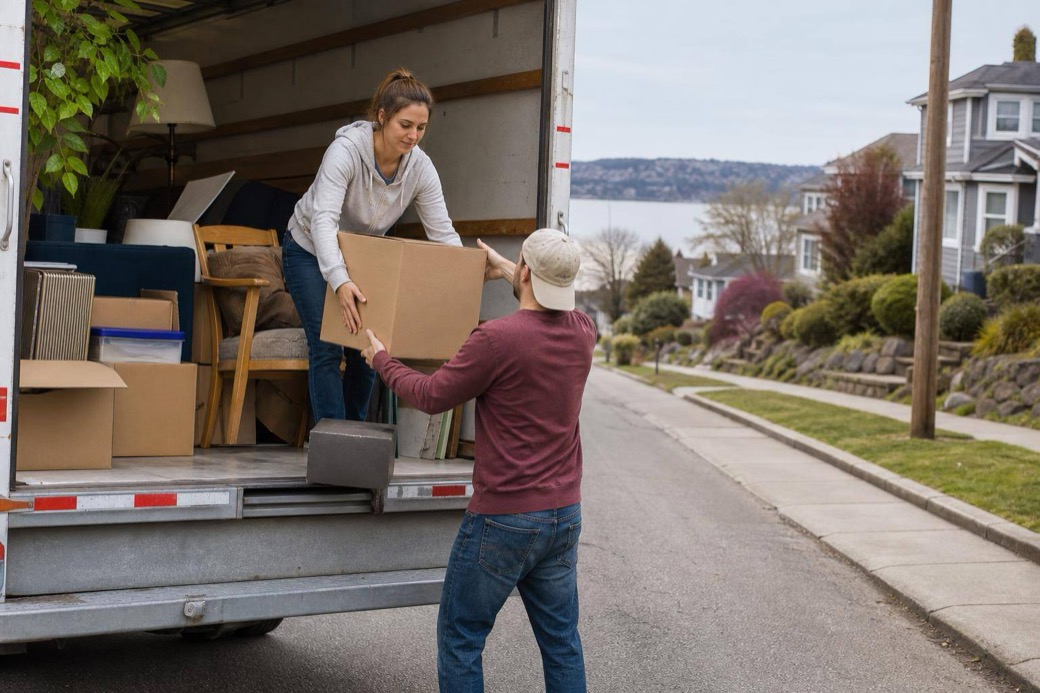
Finding a storage unit in Tacoma can feel urgent when plans change quickly. A lease may fall through, a moving truck may arrive earlier than expected, or a military or work transition may create a sudden need for extra space. When that happens, the goal is to find a unit that fits your belongings, timeline, route, and budget without relying on assumptions about availability.
Storage availability can change by facility, unit size, and time of year. Instead of assuming a unit is open today, check current online availability, review rental options, and contact the facility if timing is tight.
This guide explains what to look for when comparing Tacoma storage units, how to choose the right size, what to know about access and storage features, and how to prepare belongings before move-in.
Tacoma has a mix of military households, renters, homeowners, students, healthcare workers, and businesses that may need temporary or longer-term storage. Moves, deployments, renovations, downsizing, apartment living, and job transitions can all create a need for flexible space.
Beyond the military community, Tacoma's housing market has experienced significant pressure, with the city projecting a need for 42,865 new housing units between 2020 and 2044. As more residents compare apartments, ADUs, townhomes, and multi-family housing, external storage can be useful when home storage space is limited.
Add in a large healthcare workforce from systems like MultiCare Health System and Virginia Mason Franciscan Health, where some professionals work non-traditional hours and may need flexible storage terms, and it becomes clear why checking current availability matters.
If you need storage soon, start with availability rather than a general list of facilities. Unit sizes, prices, features, and move-in options can change quickly.
Before choosing a storage unit, check:
Current unit availability
Unit sizes and dimensions
Monthly rate and move-in terms
Required coverage or insurance
Administrative fees
Access hours
Office hours
Indoor, heated, drive-up, or elevator-access options
Parking and loading details
Facility rules and restricted items
If the move is time-sensitive, contact the facility directly to confirm current options and move-in steps before arriving with a loaded vehicle.
The right unit size depends on what you are storing, how tightly items are packed, and whether you need access later. Avoid choosing only by square footage. Think about furniture size, box count, awkward items, and whether you need a walkway.
A 5x10 unit may work for boxes, seasonal items, dorm belongings, compact furniture, or selected items from a small room. A 10x10 may work for furniture and boxes from a smaller move, depending on item size and packing style. A 10x15 may be useful for larger apartment moves or mixed household overflow. Larger 10x20 or 10x30 units may be better for larger household moves, approved business overflow, bulky items, or vehicle-related storage, depending on facility rules and availability.
Fit is never guaranteed by unit size alone. If you are storing large furniture, appliances, business items, tools, or vehicle-related items, confirm dimensions and facility rules before renting.
Access hours can matter as much as unit size, especially if you are moving after work, coordinating with movers, or trying to unload before returning a truck. Office hours and gate hours may also be different, so check both before move-in.
If you need storage on a specific day, review the facility's current rental process and ask what is required before you can access the unit. Online payments may be available, but details such as lease completion, access instructions, office support, and move-in timing can vary by facility.
A little confirmation upfront can prevent a situation where a truck is packed but the unit, access method, or office support is not ready.
Tacoma's cool, wet seasons make storage preparation important. Heated storage may be useful for belongings customers prefer not to keep in a cold space, where available.
Heated storage is not the same as climate-controlled or humidity-controlled storage. It should not be described as guaranteed protection from moisture, mold, mildew, condensation, warping, corrosion, rust, or damage.
If you are storing furniture, documents, books, electronics, textiles, photos, musical instruments, or sentimental items, pack carefully. Store belongings clean and dry, use sturdy boxes or bins, and avoid sealing damp items inside plastic. For especially sensitive items, consider whether a standard storage unit is appropriate before renting.
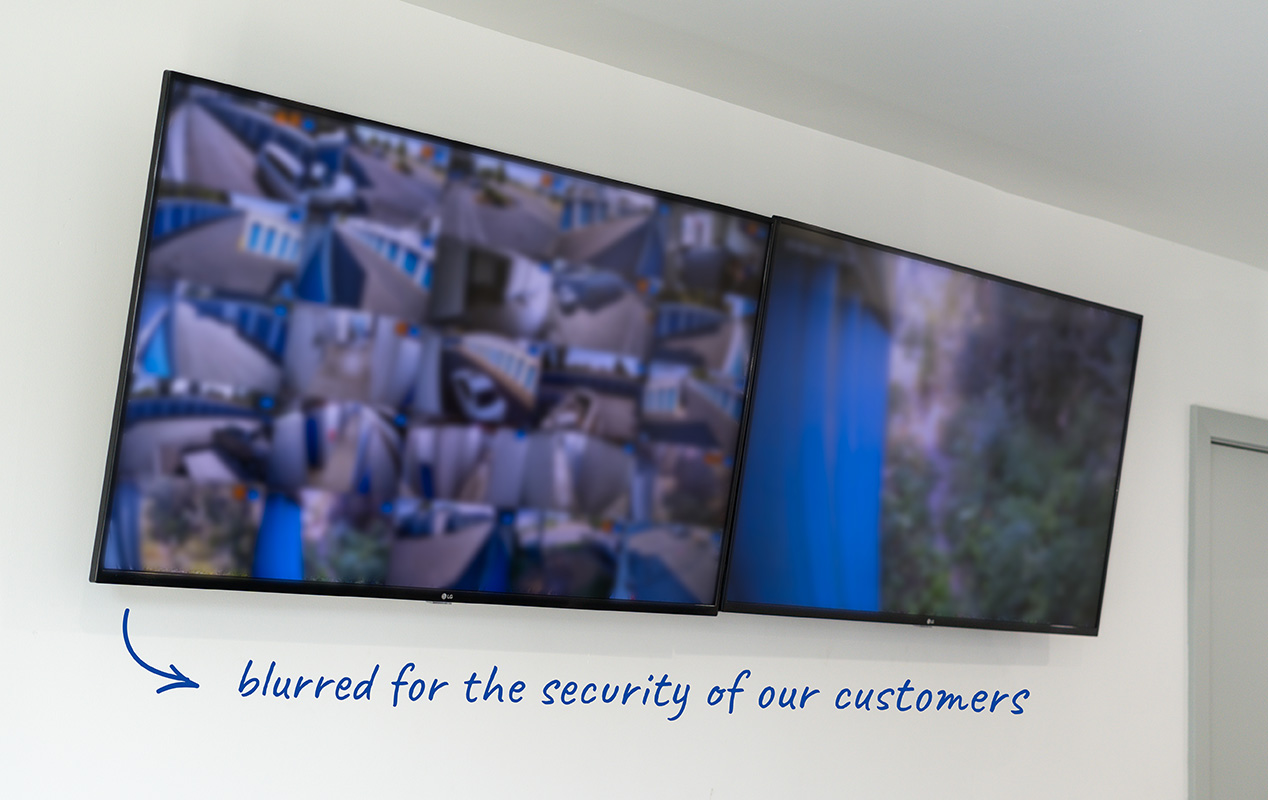
Security-related features can vary by facility. Depending on the location, features may include access gates, digital video recording, logged access, surveillance-related systems, or other controls.
Review the specific facility page before renting. Avoid assuming every facility has the same access systems, monitoring, alarms, lighting, gates, or security features.
You can also protect your own storage setup by using a sturdy lock if required, keeping an inventory, avoiding prohibited or irreplaceable items, and labeling boxes so you do not need to dig through the unit later.
Some Tacoma renters need storage for more than household boxes. Businesses may need room for approved overflow items, tools, office supplies, seasonal displays, or inventory that meets facility rules. Vehicle owners may be comparing storage for a car, boat, trailer, motorcycle, or RV.
These uses require extra confirmation. Vehicle, boat, RV, and trailer storage depends on item dimensions, parking or unit availability, access path, required documentation, and facility rules. Business storage also depends on the rental agreement and whether the facility allows the specific items or use case.
Storage units are generally intended for storage, not active retail, manufacturing, customer visits, daily fulfillment, or workspace operations. If you need package acceptance, freight access, pallet handling, or commercial vehicle accommodation, ask the facility directly before renting.
Before move-in day, a little preparation can make the unit easier to use.
Helpful tips include:
Use sturdy boxes or bins.
Label boxes on more than one side.
Keep frequently needed items near the front.
Place heavy items on the bottom and lighter items on top.
Leave a walkway if you plan to access items often.
Disassemble large furniture when possible.
Store hardware in labeled bags.
Clean and dry items before storing them.
Avoid storing food, hazardous materials, fuel, ammunition, or restricted items.
Confirm facility rules for vehicles, business items, tools, and batteries.
If you are storing items for more than a short move, create a simple inventory so you know what is inside the unit.
Before renting a Tacoma storage unit, ask questions that match your timeline and belongings:
Is the unit size currently available?
What is the full move-in cost?
Are there current promotions?
What happens after a promotional rate ends?
What access hours apply?
Are office hours different from gate hours?
What payment options are available?
Are month-to-month leases offered?
Are carts, dollies, drive-up units, or elevator-access units available?
What items are restricted?
What rules apply to vehicles, business items, or equipment?
The best storage option is not always the first one you find. It is the one that fits your access needs, route, budget, and storage plan.
Storage availability can change quickly, especially during busy moving periods. If you need space soon, compare unit sizes, access details, rental terms, and current availability before move-in day arrives.
To check current options without narrowing yourself to one unit type too soon, browse storage units in Tacoma, WA and compare SecureSpace availability for your belongings, route, and timeline.
Availability and move-in timing depend on the facility, unit size, rental process, and current inventory. Check current availability online and contact the facility directly if you need storage on a specific day.
The right size depends on your furniture, box count, packing style, and whether you need access space. A 5x10 may work for smaller storage needs, while 10x10, 10x15, 10x20, or 10x30 units may be better for larger moves or bulky items.
Heated storage may be useful for belongings you prefer not to keep in a cold space, where available. It is not the same as climate-controlled or humidity-controlled storage, so pack sensitive items carefully and store belongings clean and dry.
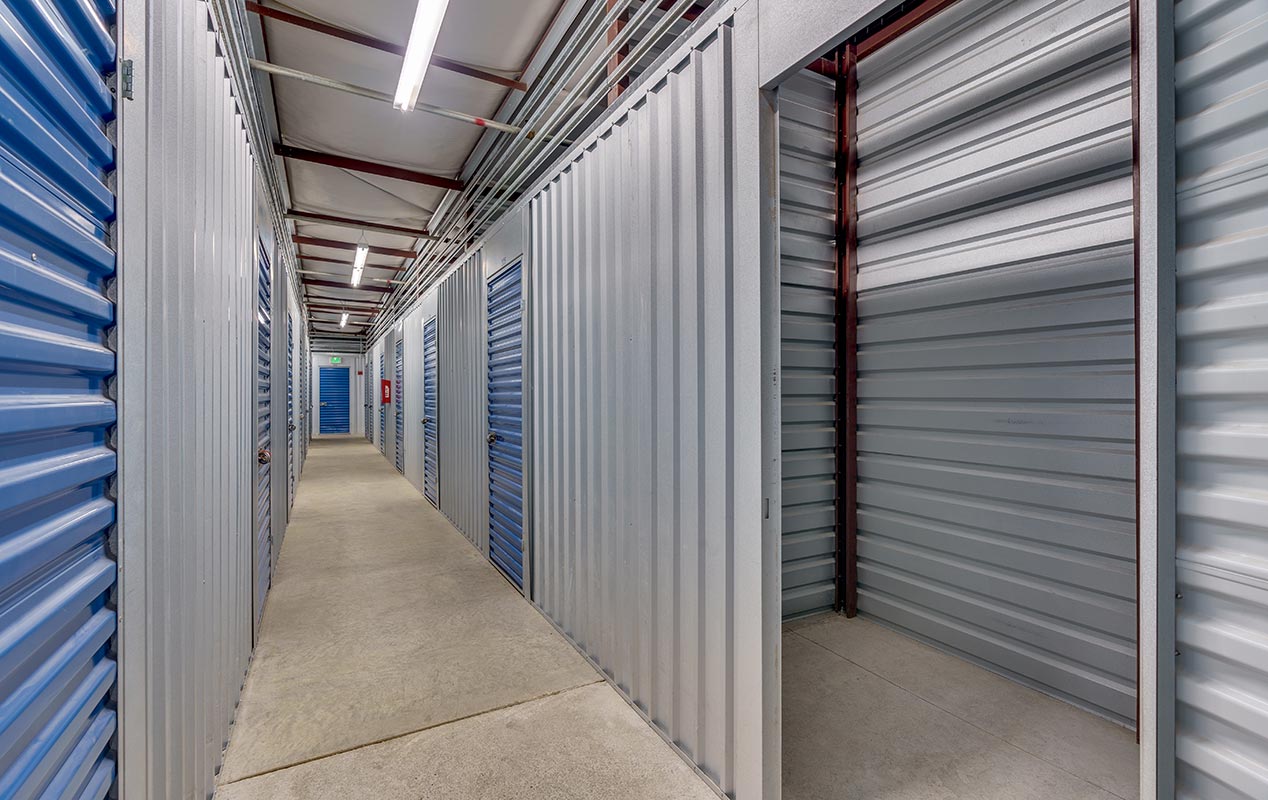
Drive-up units are accessed from outside and may be useful for loading heavier or bulkier items, where available. Indoor units are accessed through interior areas and may involve elevators, hallways, or carts depending on the facility. Check the specific unit type before renting.
Vehicle storage depends on the facility, item size, parking or unit availability, access path, documentation, and facility rules. Confirm directly before planning to store a car, boat, trailer, motorcycle, or RV.
Prices vary by facility, location, unit size, availability, unit type, and current promotions. Check current online rates and review the full move-in cost before renting.
Everything you need to store your belongings securely, on your schedule.
Visit us online