Last updated Jul 2, 2026
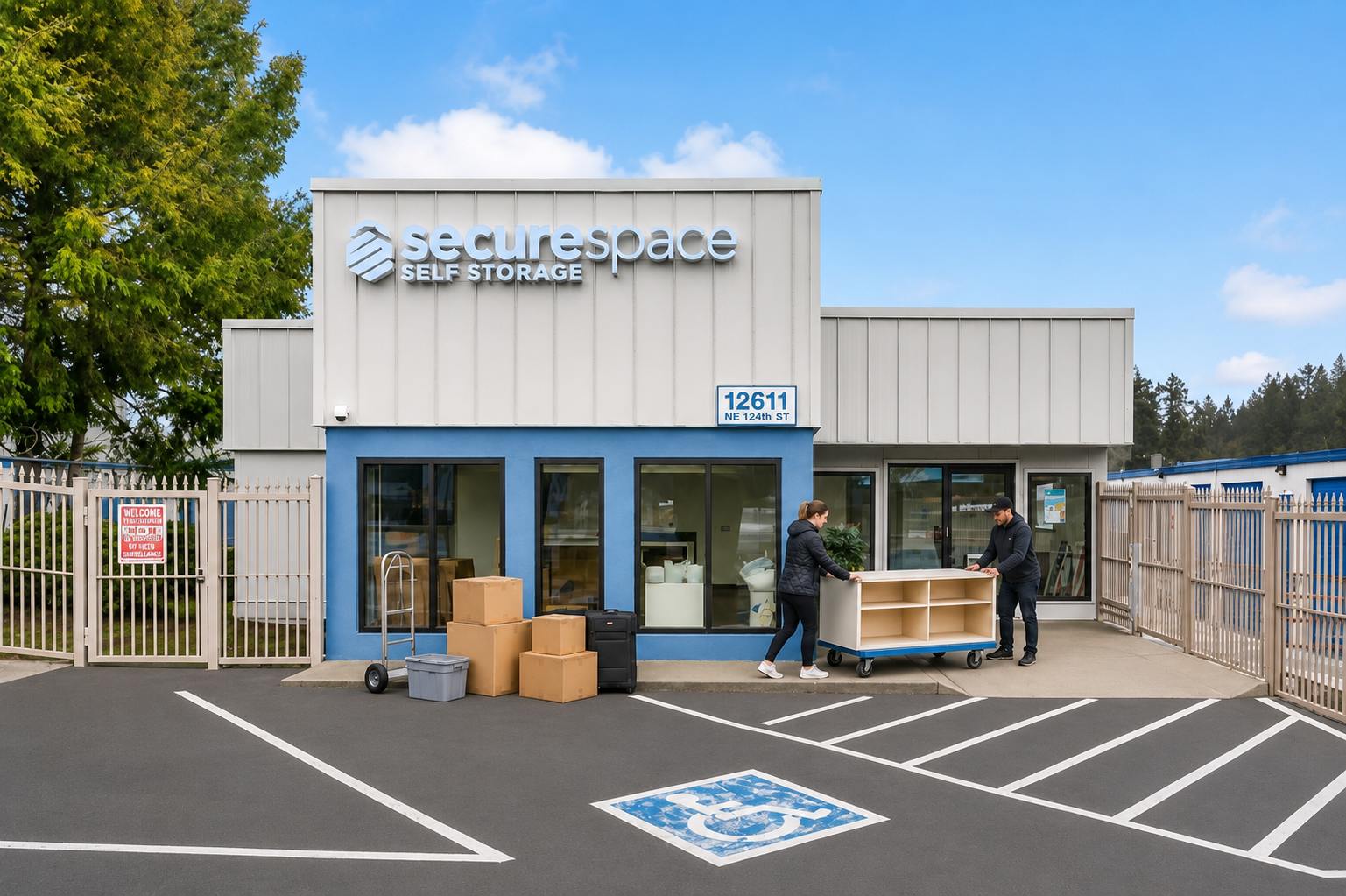
Quick answer: For most residents in Lakewood, Washington, renting a climate-controlled self storage unit is a better investment than installing a backyard shed. Building a shed requires thousands of dollars upfront, strict HOA approvals, and ongoing maintenance to prevent mold. A SecureSpace self storage unit provides immediate, weather-proof security with flexible month-to-month terms and zero maintenance.
Finding enough space for your belongings can feel like a constant battle, especially for homeowners and renters in the Pacific Northwest. You have boxes piling up in the garage, seasonal gear overflowing from the closets, and nowhere to park your car safely. You know you need a dedicated space to protect your valuables, but deciding exactly how to get that extra room requires careful consideration.
Many people immediately think about building a permanent backyard structure to solve their space issues. However, when you look closely at the realities of the local environment, municipal codes, and the true cost of construction materials, the decision becomes much more complicated. For families stationed at Joint Base Lewis-McChord (JBLM) and homeowners living within strict community associations, a permanent outbuilding might not even be legally allowed on the property.
This comprehensive guide breaks down the true financial and practical differences between constructing a shed and renting a professional self storage unit. We will look at the harsh realities of the Washington climate, the hidden expenses of site preparation, and the specific zoning laws that govern Pierce County properties. By the end of this article, you will have all the facts you need to choose the most secure, cost-effective storage solution for your family.
When you begin researching backyard sheds, the initial prices often look very appealing. A basic 10x8 galvanized steel shed kit might retail for around $469 at a big-box hardware store. This low entry price creates a planning fallacy, tricking buyers into underestimating the final cost of a functional, weather-resistant structure.
A comprehensive installation in the Tacoma and Lakewood area requires extensive material procurement. To build a shed that will actually survive the local weather, you must purchase pressure-treated lumber for foundational anchoring, dozens of concrete blocks, roofing felt underlayment, architectural shingles, galvanized fasteners, and high-quality exterior paint. According to local construction data, the aggregate material cost alone rapidly escalates past $2,260.
If you choose to hire professionals, the capital drain becomes even more significant. Professional installation of a premium prefabricated structure typically costs between $3,000 and $4,500, depending heavily on the exterior sidewall height. Fully custom-built sheds featuring poured concrete pads and cedar shake siding can easily exceed $5,000 in the local Pierce County market. This represents a massive, non-liquid sunk cost that drains your savings account instantly.
Renting a self storage unit operates on a manageable, predictable subscription model. The cumulative cost of a SecureSpace storage unit begins at zero upfront capital and grows linearly at a fixed monthly rate. Because there is no massive initial outlay for materials or labor, it takes years for a shed owner to reach the break-even point against a flexible, low-cost self storage rental.
The climatological reality of Lakewood serves as a critical variable in your storage evaluation. The Pacific Northwest is famous for its prolonged, pervasive dampness, with the primary wet season stretching extensively from October through April. The region endures high relative humidity levels oscillating between 70% and 90% year-round, combined with an average annual precipitation ranging from 37 to 50 inches.
This persistent moisture creates a highly aggressive breeding ground for mold, mildew, and structural wood rot. Biological data indicates that mold spores require a mere 24 to 48 hours to colonize a damp surface within these highly humid environments. Standard wooden sheds are highly susceptible to moisture intrusion. Without active ventilation, meticulous insulation, and continuous maintenance, these structures will rapidly degrade.
Belongings stored in an unconditioned, detached backyard shed-such as upholstered furniture, electronics, vital documents, or seasonal clothing-are at an extreme, predictable risk of irreversible water damage and toxic mold contamination. To combat this, homeowners must dedicate weekends to replacing degraded architectural shingles, applying exterior paint, and treating foundational wood to prevent rot.
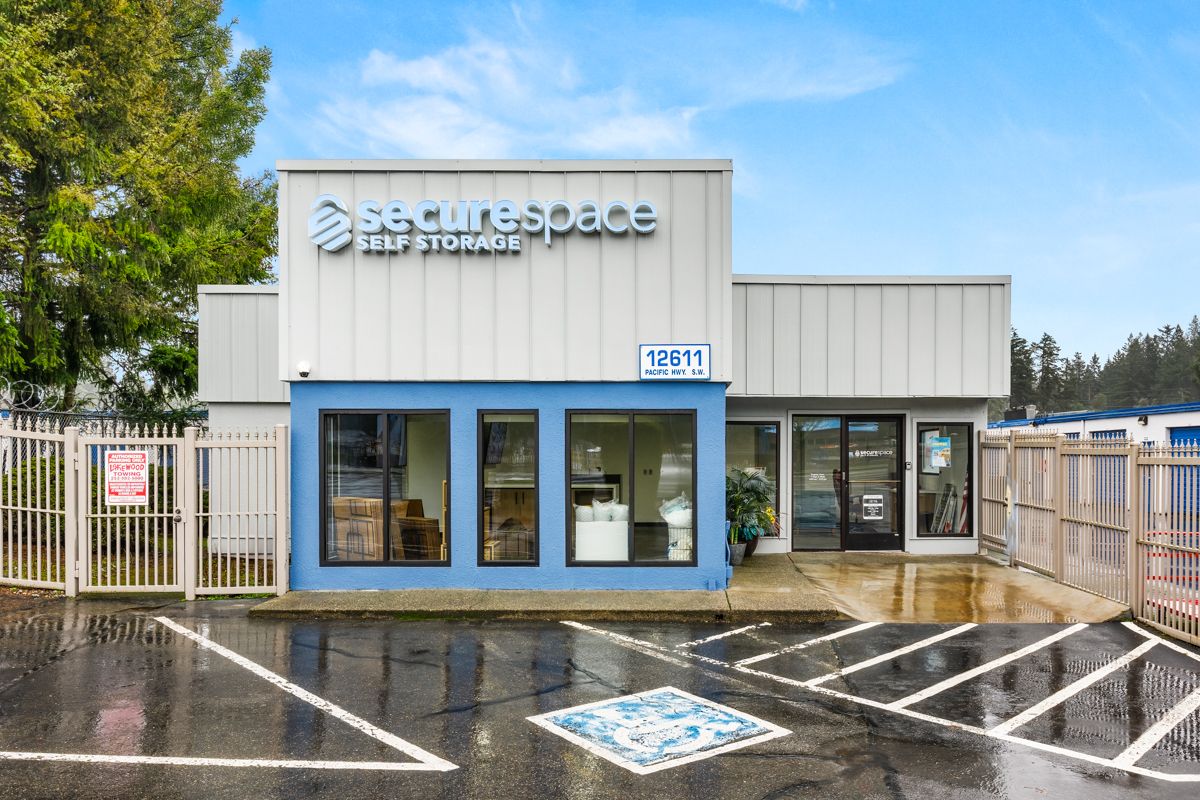
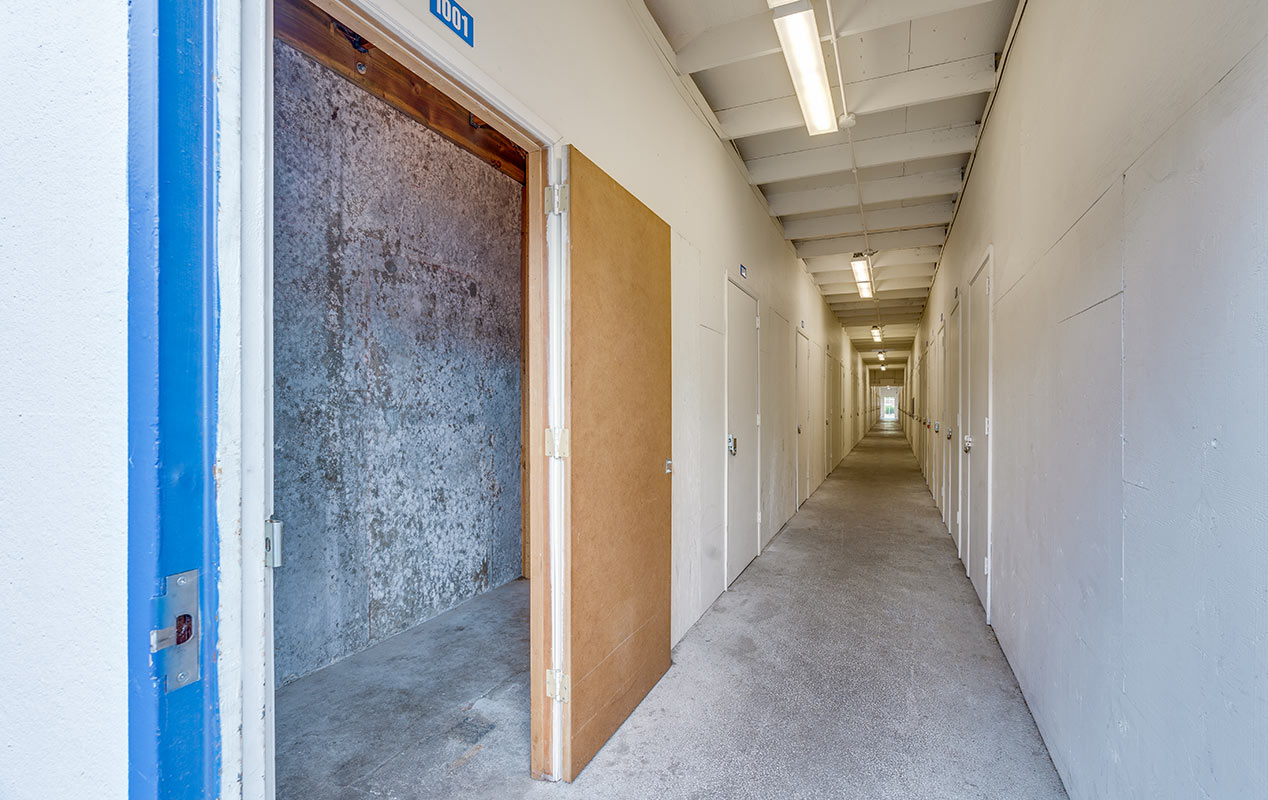
Conversely, a professional self storage facility offering interior, climate-controlled units actively maintains a stable internal environment. The climate-controlled infrastructure at SecureSpace Self Storage effectively regulates both temperature and humidity, establishing an environment where mold colonization is physically impossible. This completely neutralizes the primary environmental threat of the Pacific Northwest, protecting your assets without requiring any manual labor on your part.
Adding a permanent structural footprint to a residential lot involves navigating a complex maze of municipal codes and neighborhood rules. In the City of Lakewood and the surrounding jurisdictions of Pierce County, this bureaucratic friction is a significant burden.
According to municipal codes, a formal building permit is generally not required for a one-story detached accessory structure, provided the total floor area does not exceed exactly 200 square feet. However, an exemption from a building permit does not grant an exemption from zoning compliance. Detached sheds must typically be set back a minimum of 5 feet from side and rear property lines. This consumes valuable outdoor living space and limits your backyard utility.
For residents living in covenant-controlled communities, the regulatory burden evolves from frustrating to prohibitive. Affluent and organized neighborhoods in Lakewood, such as the Oakbrook 4th and 7th Additions, are governed by strict Homeowners Associations (HOAs). These organizations enforce rigorous Codes, Covenants, and Restrictions designed to maintain aesthetic harmony. Such covenants frequently limit or entirely prohibit the construction of standalone storage sheds. If permitted, they require agonizing architectural review committee approvals and dictate specific paint colors to exactly match the primary residence.
A professional, off-site storage facility circumvents municipal red tape and HOA policing entirely. By utilizing a commercial self storage location, you gain the space you need while remaining 100% compliant with your local neighborhood regulations.
Lakewood's immediate proximity to Joint Base Lewis-McChord-the largest military installation by population on the West Coast-fundamentally shapes the local community. The housing market here experiences predictable churn due to military Permanent Change of Station (PCS) moves, rolling deployments, and temporary duty assignments.
Recent housing studies highlight an over 8,000-unit housing shortage in the immediate vicinity of the installation, forcing approximately 71% of the active-duty force to live off-base. Because the Lakewood area has a lower-than-average homeownership rate of 47.5%, the majority of residents are renters. For military families living in rental properties or privatized housing managed by entities like Liberty Military Housing, the installation of a permanent backyard shed is universally prohibited.
Military personnel facing sudden overseas deployment frequently require secure, long-term storage for household goods and vehicles. The local military persona heavily features a highly mobile consumer who requires immediate, flexible, and commitment-free space rather than a permanent architectural addition to a property they will inevitably vacate. SecureSpace Self Storage offers flexible month-to-month leases, allowing military families to scale their space up or down perfectly in sync with unpredictable PCS schedules and deployment timelines.
A backyard shed is inherently vulnerable to property crime and persistent pest infestations. Securing a standalone wooden shed requires the homeowner to purchase heavy-duty padlocks, install motion-sensor exterior lighting, and potentially incur the cost of extending a residential security system into the backyard perimeter.
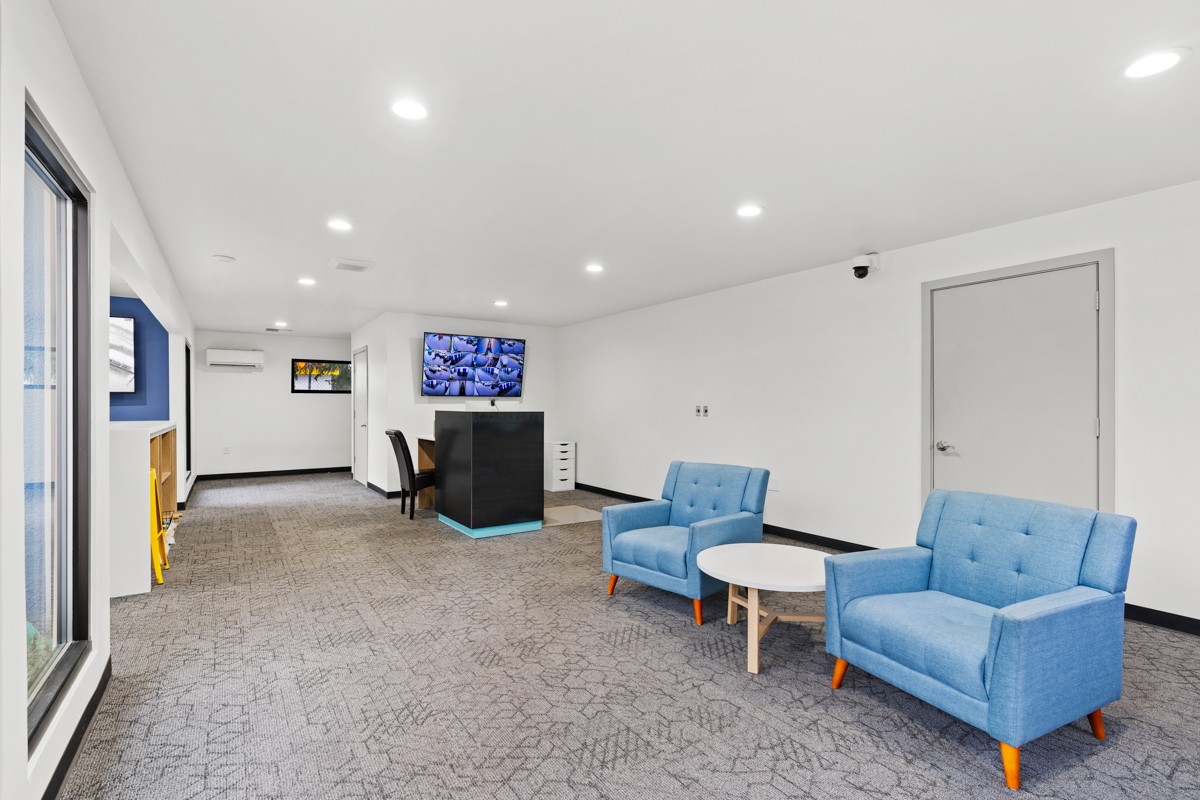
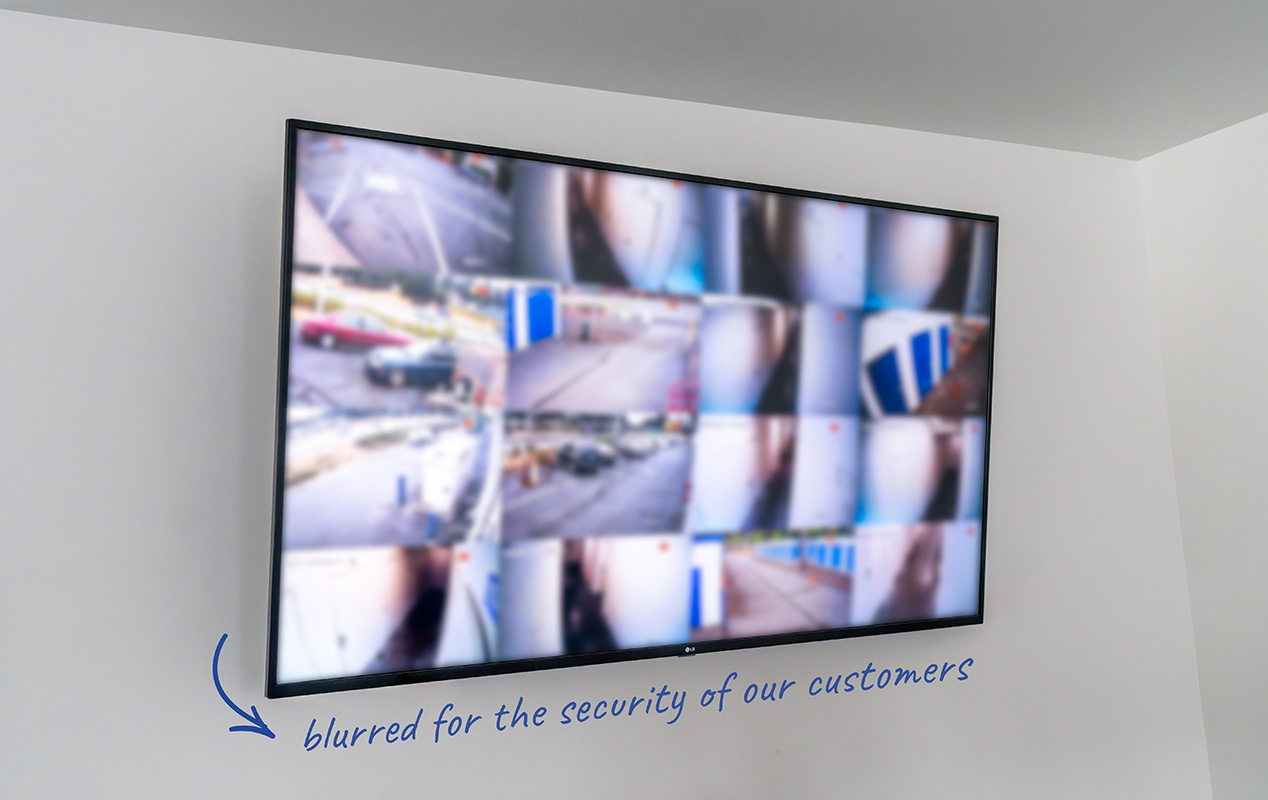
A premium storage operation provides institutional-grade security architecture that a residential homeowner cannot practically replicate. SecureSpace Self Storage features continuous, uninterrupted digital video recording, robust electronic access gates, logged facility access, and bright lighting throughout the property. Additionally, comprehensive professional pest control is maintained facility-wide, entirely removing the structural maintenance and biological mitigation burden from your shoulders.
Furthermore, Lakewood is defined by its proximity to numerous waterways, including American Lake and Gravelly Lake. Many local HOAs and municipal codes strictly prohibit parking boats and massive recreational vehicles in residential driveways or public rights-of-way. SecureSpace Self Storage solves this problem entirely by offering dedicated, rentable parking spots designed specifically for oversized vehicle storage.
In the City of Lakewood, a formal building permit is generally not required for a detached residential accessory structure if the total floor area is 200 square feet or less. However, the structure must still strictly adhere to local zoning codes, including mandatory setback requirements demanding the shed be placed a minimum of 5 feet away from property lines. Structures exceeding 200 square feet or requiring electrical work unconditionally require formal permitting.
Yes, in the short to medium term, renting is significantly more affordable. Building a durable backyard shed in the Lakewood area requires a capital investment ranging between $3,000 and $4,500 for materials, site preparation, and labor. Renting a self storage unit requires zero upfront capital expenditure; you simply pay a highly predictable, low monthly rental fee for the exact amount of time you need the space.
Yes, HOAs possess significant legal authority to restrict property modifications. Covenant-controlled communities in Lakewood often enforce strict rules that limit the maximum allowable size of sheds, dictate specific architectural styles, or ban detached storage structures entirely to protect neighborhood aesthetics. Renting off-site storage guarantees compliance with these rules.
No, standard outdoor wooden sheds are highly susceptible to rapid mold colonization. Lakewood experiences prolonged rainy seasons and consistently high relative humidity, creating ideal conditions for mold spores to grow on damp surfaces within 24 to 48 hours. Climate-controlled self storage units are strongly recommended to protect sensitive items from irreversible water damage.
Yes, the facility is highly optimized for vehicle storage. Because local zoning codes severely restrict parking recreational vehicles in residential driveways, SecureSpace Self Storage provides dedicated, secure parking spots specifically designed for boats, RVs, and extra household vehicles.
Don't pour thousands of dollars into a damp, high-maintenance wooden shed that your HOA might not even approve. When you need extra space for your family's transition, seasonal gear, or military deployment, choose the security and flexibility of professional self storage.
With convenient access hours, state-of-the-art surveillance cameras, and highly rated climate-controlled units, your items are always protected and easy to retrieve. Secure your peace of mind and get the flexible storage solution tailored to your exact needs.
Reserve your unit online today at SecureSpace Self Storage in Lakewood and store with confidence.
Everything you need to store your belongings securely, on your schedule.
Visit us online