Last updated Jul 24, 2026
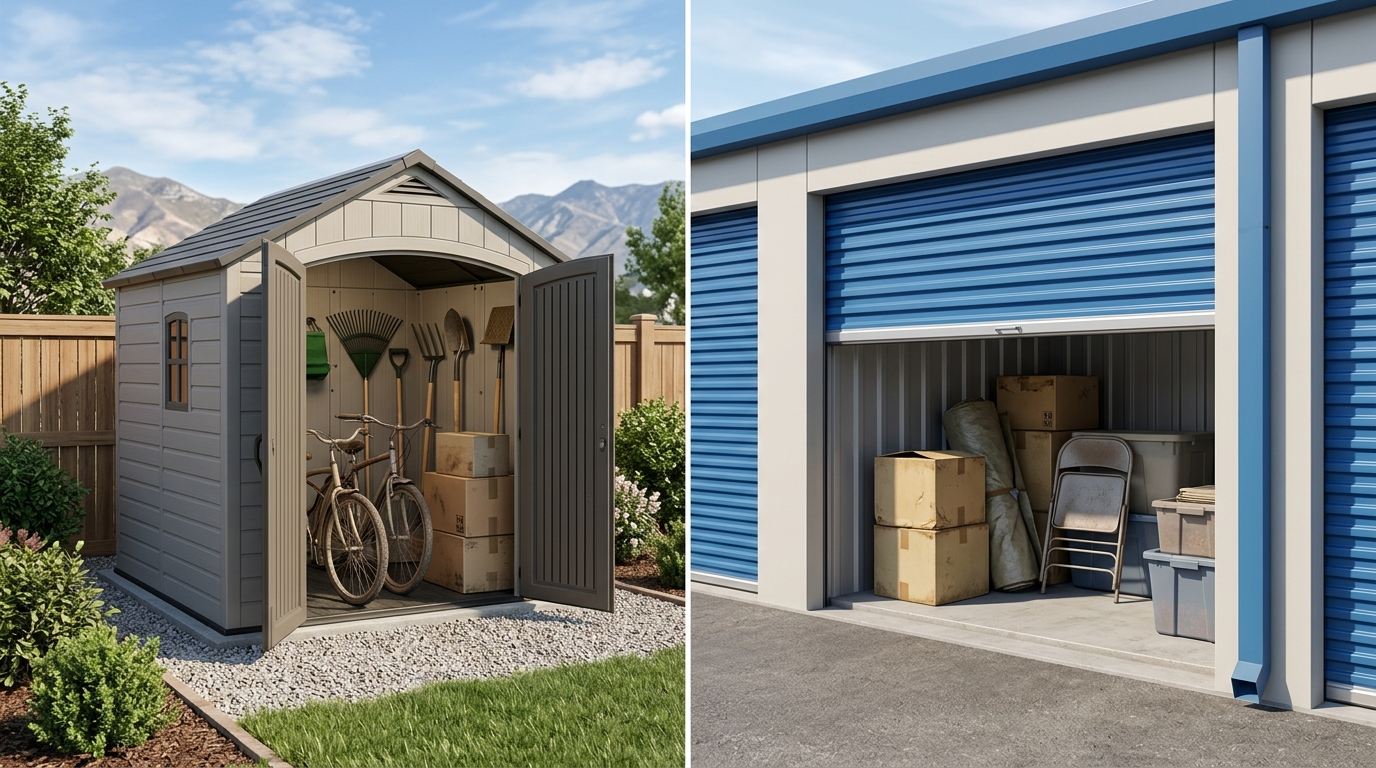
Running out of space at home is one of the most common reasons people start weighing their options. Maybe you're decluttering for a fast home sale, riding out a renovation, or freeing up a guest room before family arrives. In Murray, where homes often go pending in about 13 days, that need for extra room can hit quickly.
Most homeowners land on two choices: build a backyard shed or rent a storage unit. Both solve the problem, but they come with very different costs, timelines, and headaches. This guide breaks down the real numbers, the local rules you'll need to follow, and how Murray's climate factors into your decision-so you can pick the option that actually fits your situation.
The biggest difference between the two options shows up before you store a single box: the upfront cost.
A quality backyard shed can be a major investment once you factor in the structure itself, site prep, a foundation, delivery, installation, and any upgrades needed to satisfy HOA or neighborhood requirements. Even a basic shed can become more expensive if you need a concrete pad, electrical work, custom materials, or a design that matches your home.
A storage unit flips that math. Instead of paying for a permanent backyard structure upfront, you rent the amount of space you need for as long as you need it. Pricing varies by unit size, features, availability, and current promotions, but the month-to-month structure can be helpful if your storage need is tied to a move, renovation, downsizing project, or temporary overflow.
The main tradeoff is flexibility. A shed may make sense if you plan to store the same items on your property for years. A storage unit may make more sense if you want space without construction, permitting, or a permanent change to your yard.
The honest answer: it depends on how long you plan to store things.
Every monthly storage payment adds up over time, while a shed is a larger upfront purchase. At some point, the rent you've paid may equal the cost of building. That moment is often called the break-even point, but the exact timeline depends on the shed cost, foundation work, unit size, storage rate, promotions, and how long you actually need the space.
So the real question is simple: will you need this space, in this spot, for several years? If you're storing tools and yard equipment for the long haul, a shed can be the smarter buy. If your need is short- or medium-term-a renovation, a move, a life transition-renting keeps your money flexible and your options open.
This is where a "simple" backyard project can get complicated.
In Utah, one-story detached sheds of 200 square feet or less generally don't require a building permit. That covers a structure up to about 10x20.
But here's the catch many homeowners miss: no permit doesn't mean no rules. Your shed still has to follow Murray's zoning code, no matter how small it is. That can include height limits, setback requirements, placement rules, and lot coverage limits.
Height limits: Murray recently raised the cap on accessory structures to 20 feet at the peak of the roof.
Setbacks: Per Murray City Code, accessory buildings must sit behind your home and at least one foot from property lines, with larger setbacks on corner lots.
Lot coverage: Accessory structures may also be subject to limits on how much of the rear yard they can occupy.
Add electrical, plumbing, or gas to your shed and the permit situation can change. If your shed lands too close to a property line, you may also need additional review before the project can move forward.
A storage unit skips all of it. No backyard construction, no concrete pad, no setback measurements, and no zoning research before you can start storing.
If you live in an HOA-governed neighborhood, that's another layer to clear-even when the city says you're fine.
HOA architectural review boards often require accessory structures to match your home's look, including roof pitch, paint color, siding, and shingles. Those rules can wipe out the savings of a budget shed kit, pushing you toward a pricier custom build. Add the risk of fines or a forced tear-down, and the appeal of a backyard shed starts to fade fast.
Renting a unit sidesteps HOA oversight entirely. Your belongings stay in a storage space away from the property, with no committee weighing in on rooflines, paint colors, or where the structure sits in your yard.
Utah's seasonal temperature swings can be hard on items stored in an uninsulated shed.
Murray swings from a January average low around 23°F to July highs near 92°F. A standard backyard shed may expose stored items to more outdoor temperature variation than an indoor, climate-controlled storage unit.
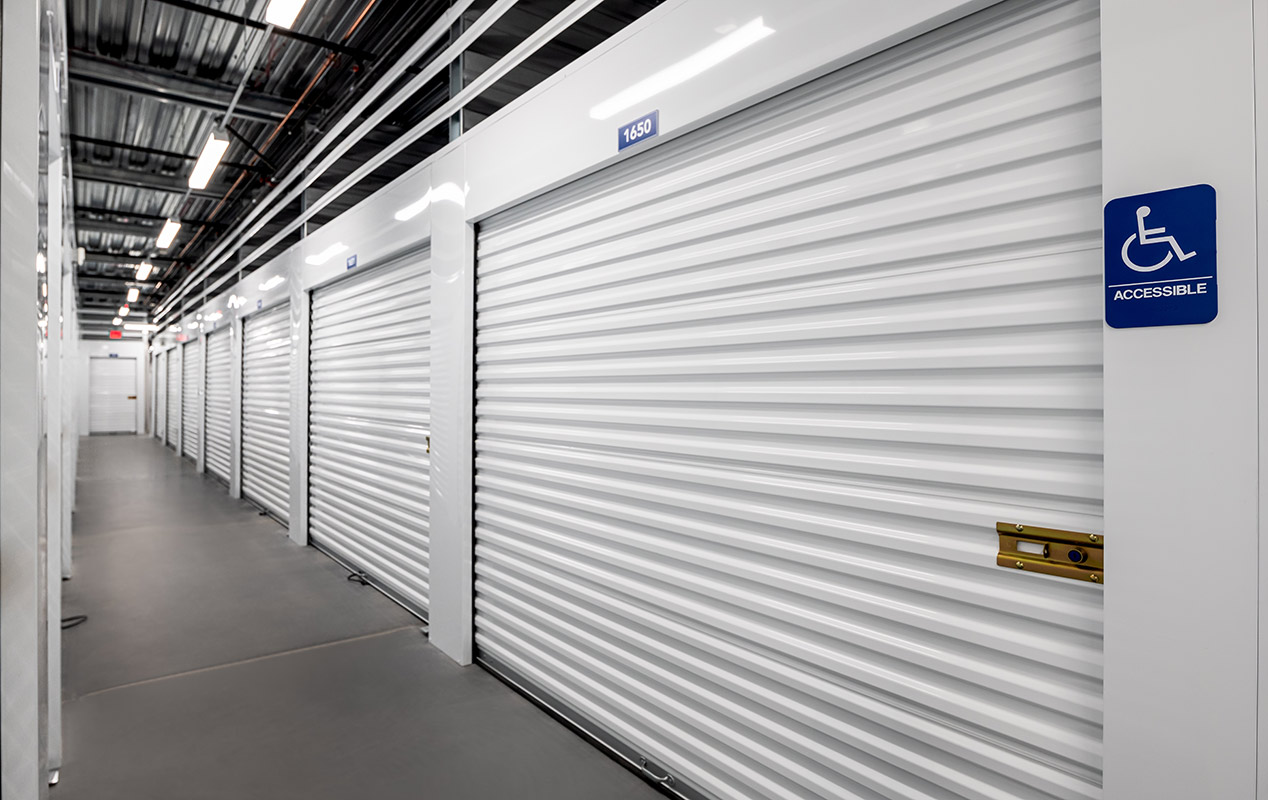
Climate-controlled storage can help reduce exposure to temperature swings compared with non-climate-controlled spaces. That can be useful for items such as:
Family photographs and documents
Electronics and small appliances
Solid wood furniture
Leather goods and instruments
Important records and keepsakes
Climate control is not a guarantee against all damage, and proper packing still matters. Use sturdy boxes, avoid storing prohibited items, keep belongings off the floor when appropriate, and follow facility rules for what can and cannot be stored.
Choose a shed if you'll store non-delicate items-tools, mowers, yard gear-in the same spot for years, you don't answer to a strict HOA, and you're ready to handle the permit, setback, and foundation work.
Choose a storage unit if you want flexible space without construction, your need is short- or medium-term, you're storing items that may benefit from reduced exposure to temperature swings, or you'd rather skip the backyard project entirely.
For most people in transition-mid-renovation, mid-move, or clearing out for a sale-a storage unit delivers faster relief with far less setup.
In Utah, one-story detached sheds of 200 square feet or less generally don't need a building permit, but city zoning rules still apply. In Murray, that means checking placement, setbacks, height limits, and other accessory-structure rules before you build. Renting a storage unit avoids the permit and setback questions that come with backyard construction.
It depends on how long you need the space. A shed usually costs more upfront because you may need to pay for the structure, foundation, delivery, installation, and upgrades. A storage unit spreads the cost month to month, which can be helpful for temporary or uncertain storage needs.
No. Standard sheds are not typically insulated or temperature-regulated. With Murray temperatures ranging from below freezing in winter to hot summer afternoons, items stored in a shed may face more temperature variation. Climate-controlled storage can help reduce exposure to those swings compared with a standard shed.
A storage unit can often be rented online, with move-in available during facility access hours once rental details are complete. A shed usually takes longer because you may need to check city rules, prepare the site, arrange delivery, install a foundation, and complete assembly.
It depends on what you're storing. A 5x5 or 5x10 unit can work for boxes, seasonal items, and small furniture. A 10x10 or 10x15 unit can fit more household overflow. A 10x20 or 10x25 unit may work for larger moves, larger furniture, or a vehicle, depending on size, availability, and facility rules.
If you need space without the cost, construction, and red tape of a backyard shed, a climate-controlled storage unit can be the simpler path. You get flexible, month-to-month storage with useful facility features, and you can move in during access hours once your rental details are complete.
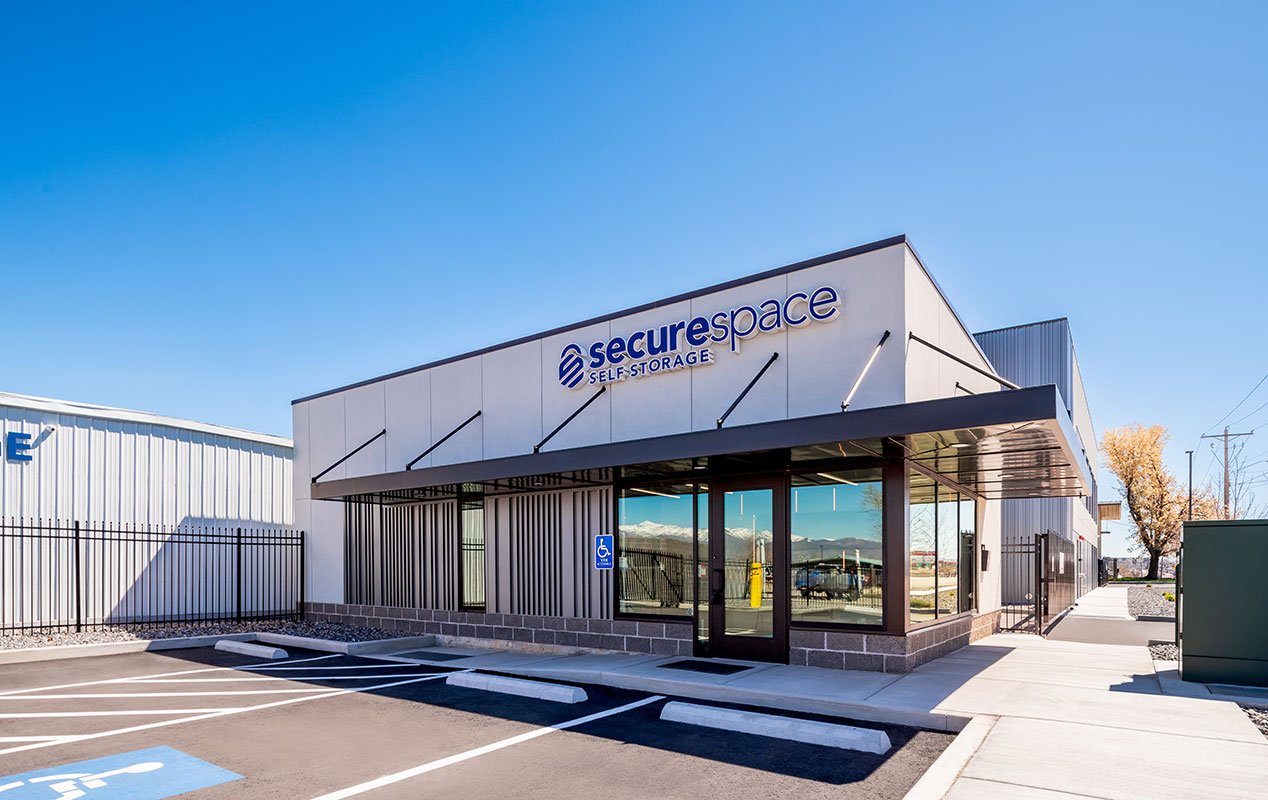
For flexible storage without the backyard build, explore available storage units in Murray, UT at SecureSpace.
Everything you need to store your belongings securely, on your schedule.
Visit us online