Last updated Jun 20, 2026
Finding enough space to comfortably store your belongings is a common challenge for homeowners and renters alike. As households grow, downsize, or transition through major life events, the garage and spare closets often become overwhelmed with seasonal items, recreational gear, and family heirlooms. When this happens, residents in central New Jersey typically narrow their options down to two primary solutions: installing a permanent backyard shed or renting a commercial self storage unit.
Making the right choice requires looking beyond the basic need for square footage. You should consider your available budget, local property rules, and the long-term condition of the items you plan to store. A shed might seem like a straightforward backyard addition, but local zoning codes, HOA rules, and weather exposure can quickly complicate the project.
This guide provides a practical breakdown of the costs, legal requirements, and storage considerations associated with both options. By understanding the specific challenges of property modification in Middlesex County, you can make a more informed decision about where to store your items.
The most immediate difference between building an outbuilding and renting a storage unit is the upfront financial commitment. Homeowners sometimes view the cost of a shed as a long-term capital investment. However, the project can still require a significant upfront expense before you store a single item.
According to Angi, 2026, custom shed construction costs in New Jersey often range between $1,000 and $15,000, depending heavily on project size, material quality, and whether you opt for a prefabricated kit or a custom build. Labor, site preparation, anchoring, foundations, and permit-related steps can add to the total cost.
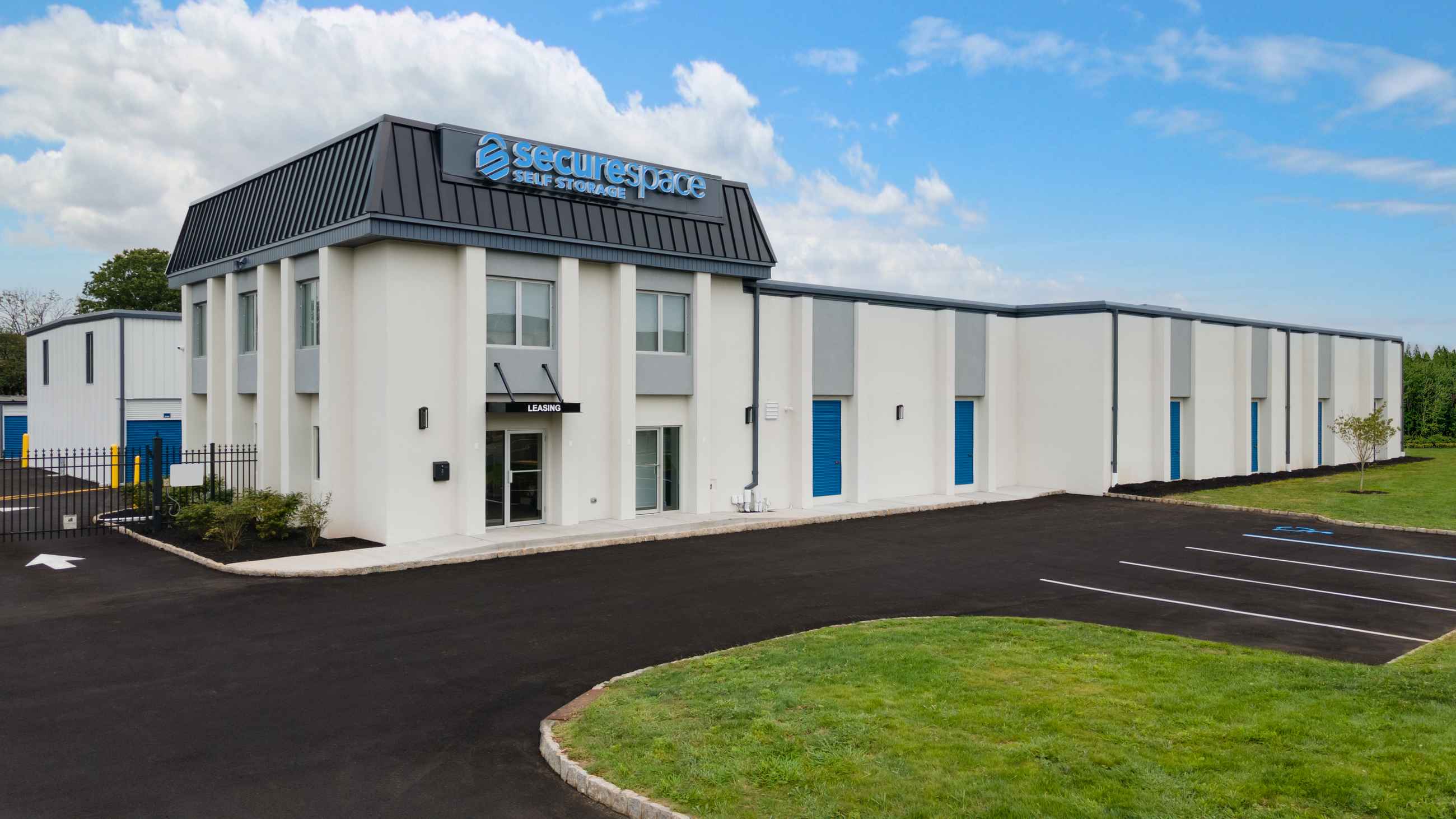
In contrast, SecureSpace Self Storage offers a flexible monthly rental option. Instead of committing to a permanent backyard structure, you can choose a month-to-month lease and compare current unit availability based on what you need to store. This lower upfront commitment can help homeowners create extra space without taking on a construction project.
The process of legally installing a permanent structure in Piscataway Township can add extra planning to what may seem like a simple backyard project. Local rules help manage property placement, setbacks, structure height, and neighborhood standards.
Piscataway shed requirements may involve zoning permits, size thresholds, height limits, setbacks from property lines, rear-yard placement, anchoring requirements, and foundation rules depending on the structure. Homeowners should review current township requirements before purchasing a shed or hiring an installer.
Navigating these requirements may mean submitting an application, using a property survey, paying fees, and preparing for possible inspection steps. Choosing a storage unit avoids the need to install a backyard structure and can be a simpler option if you want extra space without modifying your property.
Piscataway's residential landscape is diverse, meaning the rules may change depending on your exact neighborhood. While some homeowners may have enough yard space to meet municipal setback rules, residents living in planned communities often face additional HOA restrictions.
For example, the Society Hill at Piscataway community presents a highly restrictive environment for property modification. Managed by FirstService Residential, this development may limit exterior structures, fences, partitions, and other changes under its governing documents. Residents should review the current HOA documents before purchasing or installing a shed.
For residents in HOA communities, commercial self storage can be a practical alternative. It can provide extra space without requiring a backyard structure, HOA approval, or permanent exterior changes to the property.
The New Jersey climate can be hard on items stored in outdoor, non-climate-controlled structures. Piscataway experiences warm, humid summers and cold winters, so homeowners should think carefully about what they store in a shed and how those items are packed.
During periods of moisture, poor airflow, or leaks, stored items may be more vulnerable to mildew, musty odors, warping, or general deterioration. According to a New Jersey Department of Health Mold Advisory Bulletin, molds and fungi thrive in environments with excessive moisture. Wooden sheds, cardboard boxes, and stored fabrics may be especially vulnerable when moisture is not managed well.
Different shed materials have different tradeoffs. Vinyl sheds may be easier to maintain than wood, but they still do not provide the same environment as an indoor climate-controlled space. Metal sheds can be durable, but condensation and heat buildup may still affect certain stored items.
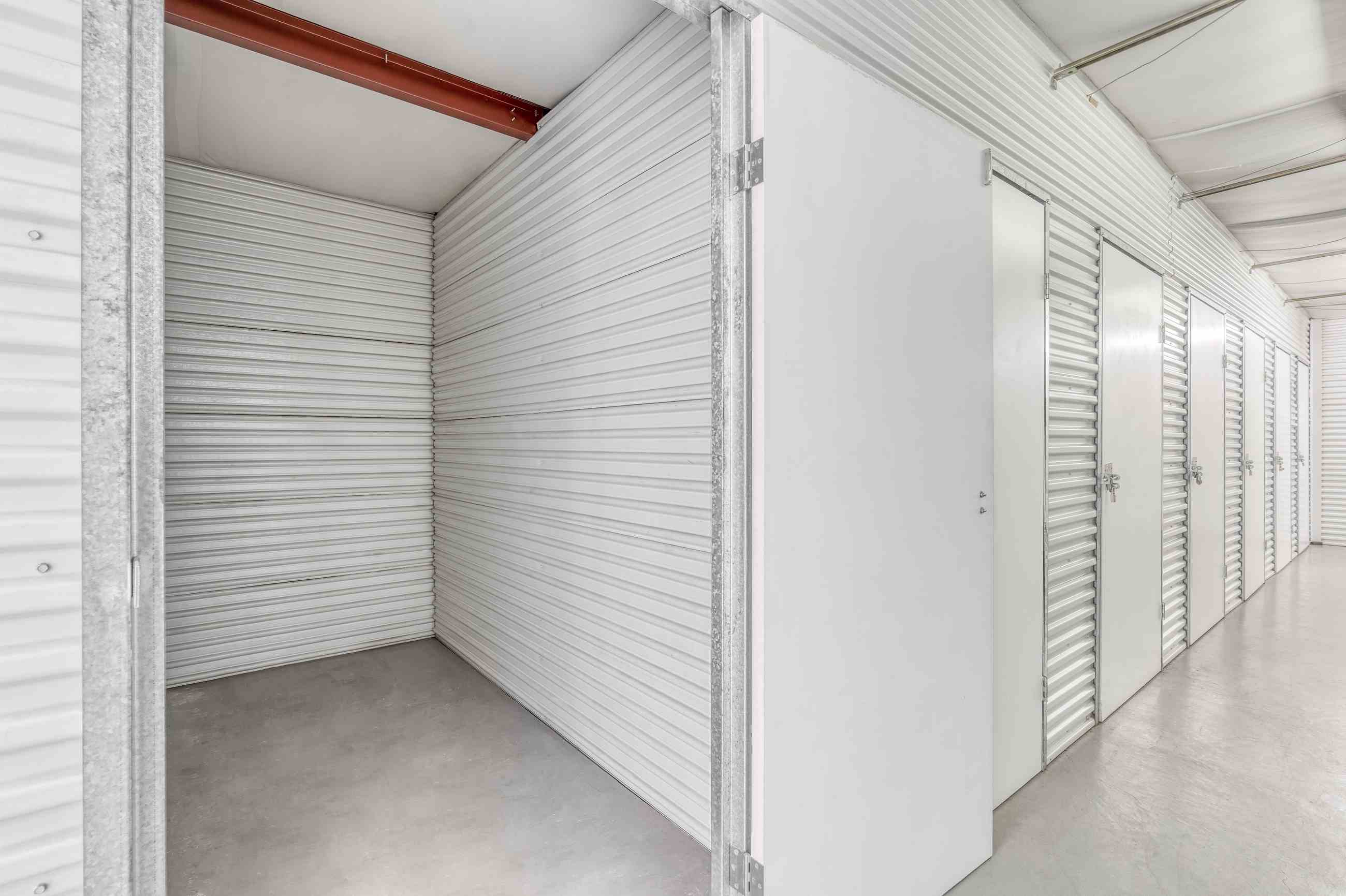
SecureSpace Self Storage Stelton-Piscataway offers climate-controlled storage, which can help reduce exposure to temperature swings compared with non-climate-controlled spaces. It is not a guarantee against every environmental risk, so customers should still pack items clean and dry, avoid storing damp belongings, and choose the right unit type for the items they plan to store.
There is a common assumption that personal items are automatically safer when they are physically located in your own backyard. In reality, shed security depends on the shed material, lock quality, yard visibility, lighting, and how often the structure is checked.
Standard wooden, vinyl, or metal sheds often rely on a basic padlock. Thin walls, exposed hinges, or hidden backyard placement may make them less suitable for items that need more careful oversight. A shed can still work well for rugged outdoor tools, but homeowners should be realistic about what it can and cannot provide.
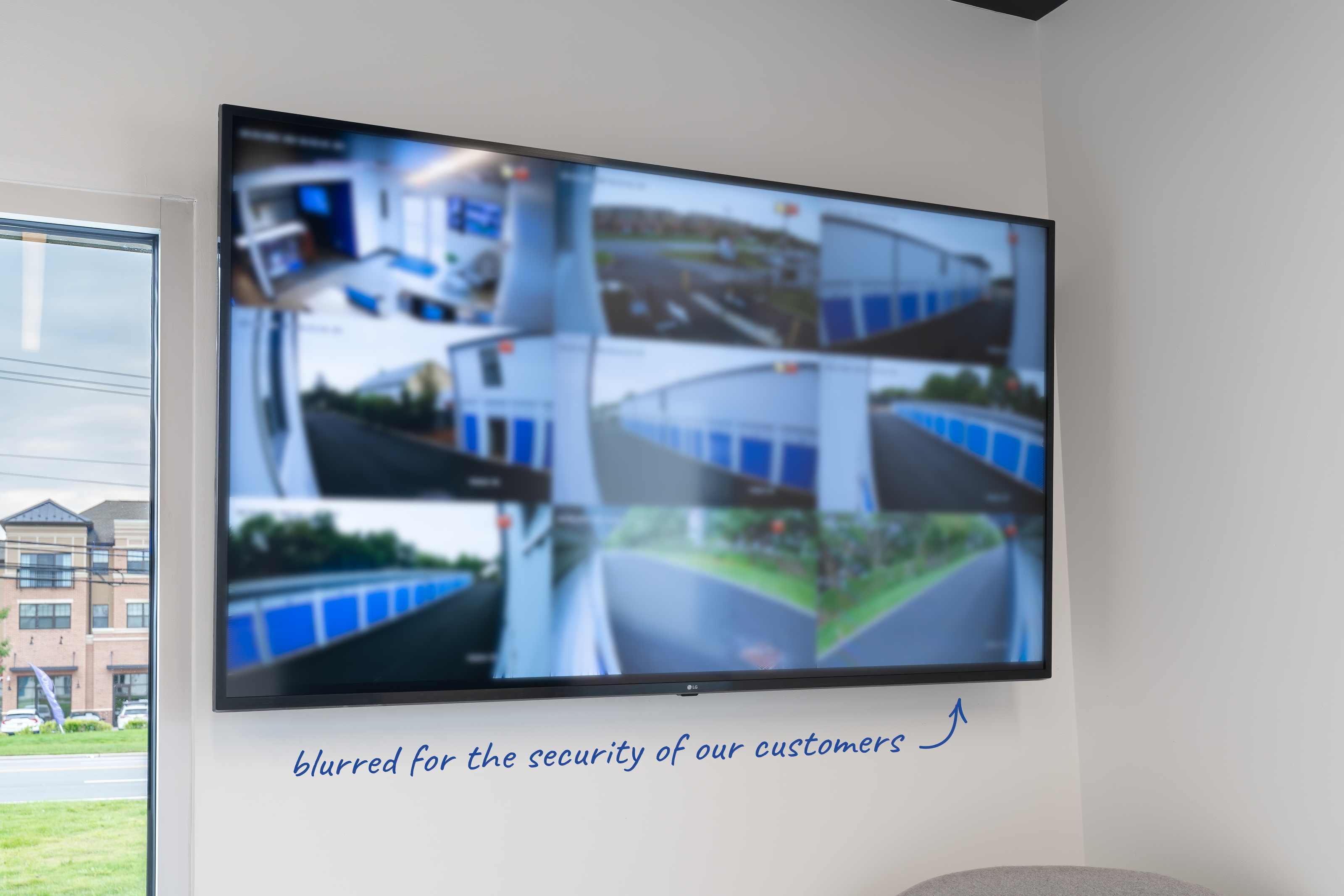
SecureSpace Self Storage Stelton-Piscataway offers security-related features including an access gate, digital video recording, logged access, and overnight surveillance. Customers should still use a quality lock, keep an inventory of stored items, and review coverage requirements before move-in.
Choosing the best way to handle your household overflow depends on your timeline, budget, neighborhood rules, and the types of items you need to store.
Choose a custom backyard shed if you have enough property space, can meet local setback and placement rules, have the upfront budget for materials and installation, and mainly need to store durable landscaping equipment like lawnmowers, rakes, shovels, or garden tools. A shed may be convenient when the items need to stay steps from your back door and can tolerate outdoor storage conditions.
Choose SecureSpace Self Storage if flexibility, indoor options, and property-rule simplicity matter more than backyard convenience. This can be a better fit if you live in an HOA-restricted community, want to avoid a construction project, need climate-controlled storage for sensitive items, or prefer a month-to-month rental. SecureSpace Self Storage Stelton-Piscataway offers climate-controlled storage, drive-up units, locker units, outdoor parking, elevator access, carts and dollies, touchless move-in, online payments, and daily gate access from 6:00 AM to 10:00 PM.
The decision between a permanent shed and a storage unit involves balancing upfront costs, property rules, convenience, and the condition of the items you plan to store. When you factor in construction costs, maintenance, weather exposure, and local zoning requirements, commercial storage may be a practical alternative for many residents.
Whether you need to store kayaks for a weekend at Johnson Park, golf clubs between rounds, seasonal decorations, spare furniture, or household overflow before winter, a professional facility can provide flexible space without changing your property.
Ready to compare current options? Visit SecureSpace Self Storage in Piscataway, NJ to review available units and month-to-month rental options.
Piscataway Township has zoning and building requirements for sheds, including rules that may involve size, placement, height, setbacks, anchoring, and permit steps. Review current township requirements before purchasing or installing a shed.
In the short to medium term, self storage often requires far less upfront capital than purchasing and installing a shed. A shed may involve materials, labor, site preparation, permits, and ongoing maintenance, while a storage unit can be rented month to month.
Society Hill residents should review the current HOA governing documents before planning any exterior structure. Planned communities may restrict sheds, fences, partitions, and other property modifications. Off-site storage can be a practical alternative when backyard structures are limited.
A backyard shed may work for durable outdoor equipment, but it is not ideal for every item. Humidity, leaks, poor airflow, and temperature swings can affect paper, fabric, wood, electronics, and upholstered items. For sensitive belongings, climate-controlled storage may be a better option.
Everything you need to store your belongings securely, on your schedule.
Visit us online