Last updated Jul 24, 2026
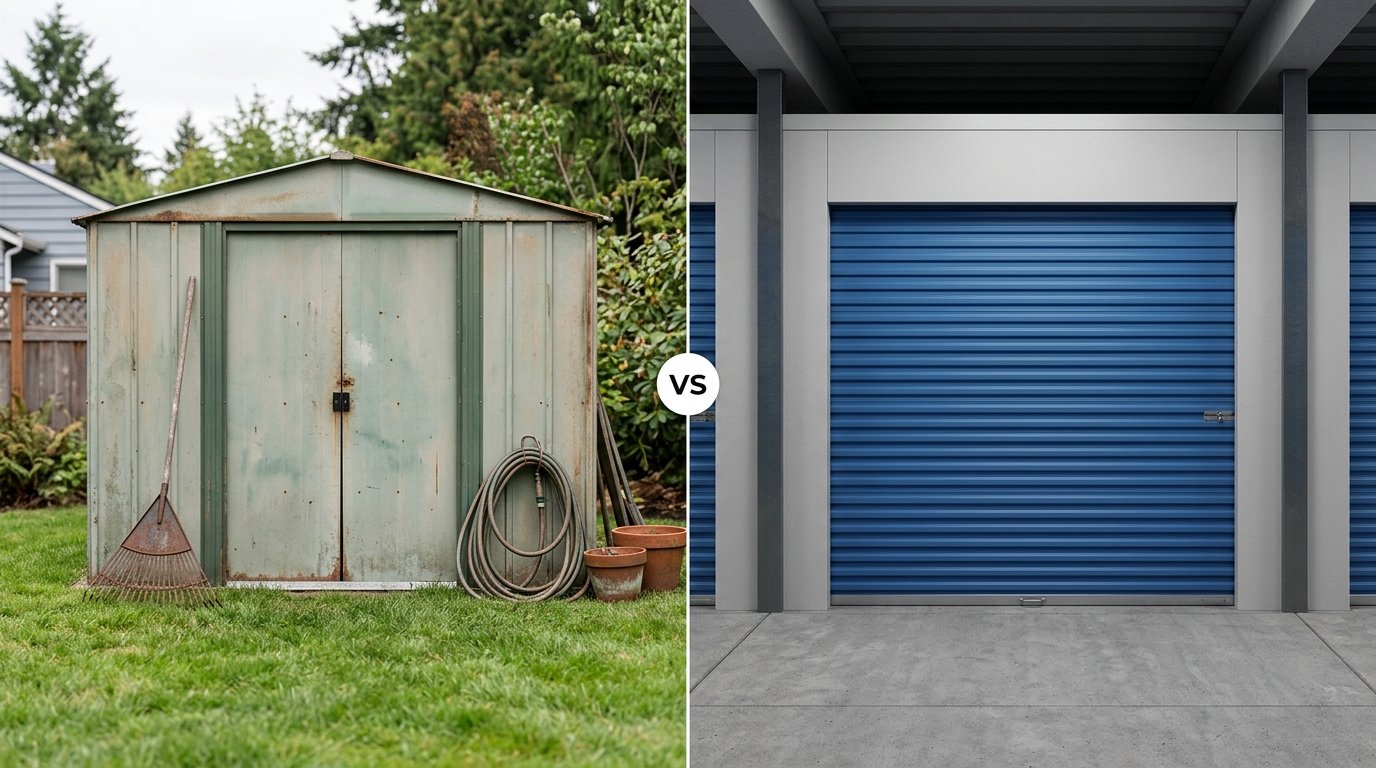
Finding extra space in Seattle can be a challenge for homeowners and renters alike. Closets fill up, garages get crowded, and outdoor gear, seasonal items, furniture, and moving boxes can quickly take over living areas.
When you need more room, two common options come up: building a backyard shed or renting a self storage unit. A shed may seem like a simple one-time purchase, but in Seattle, the full decision can involve construction costs, permitting rules, lot coverage, weather exposure, maintenance, and possible property-value considerations. Self storage may offer a lower-upfront, more flexible alternative, depending on what you're storing and how long you need the space.
This guide compares the practical tradeoffs so you can decide which option makes more sense for your home, budget, and belongings.
A small shed kit may look affordable at first, but the final cost can vary widely once installation, foundation work, materials, site prep, and weatherproofing are included. Costs also depend on whether you build it yourself, hire a contractor, pour a slab, add electrical work, or need extra preparation for a sloped or damp yard.
Common shed-related costs can include:
Shed kit or building materials
Delivery
Site preparation
Foundation or pier blocks
Labor
Roofing and weatherproofing
Doors, locks, and shelving
Electrical work, if added
Long-term maintenance
A self storage unit works differently. Instead of a large upfront project cost, you typically pay monthly rent based on unit size, location, features, and current availability. That can make storage more flexible if you only need extra space during a move, remodel, seasonal change, or temporary life transition.
The better choice depends on your timeline. A shed may make sense if you own the property, have room to build, and want long-term backyard access for durable items. Self storage may be better if you want to avoid construction, keep costs more flexible, or store items away from home.
It may, depending on the structure and how it affects the property. The King County Assessor's office evaluates residential property values, and improvements to a property can be part of that valuation process.
That does not mean every small shed will create the same tax impact. The details matter: size, foundation, permanence, utilities, construction quality, and how the assessor evaluates the property can all affect the outcome. If property-tax impact is a concern, review King County guidance or speak with a qualified tax or property professional before building.
Renting a storage unit is a separate rental arrangement and does not add a permanent structure to your property. For homeowners who want extra space without changing the property itself, that flexibility can be useful.
Seattle shed rules are not one-size-fits-all. The Seattle Department of Construction & Inspections (SDCI) provides guidance on when a shed may or may not require a permit, but the answer depends on the structure and property.
Before building, review details such as:
Shed size and roof area
Whether it is attached to another structure
Intended use
Foundation type
Lot coverage
Setbacks from property lines
Environmentally Critical Area status
Electrical or plumbing work
Neighborhood or HOA restrictions, if applicable
A small storage shed may be simpler than a larger accessory structure, but it still has to fit the property and the applicable rules. If your lot is narrow, already built out, sloped, or near an environmentally sensitive area, the available space for a shed may be more limited than it first appears.
Some Seattle properties include or sit near Environmentally Critical Areas, such as steep slopes, wetlands, landslide-prone areas, or other sensitive conditions. If your property is affected, even a small project can require more review than expected.
That can add time, cost, and complexity. You may need additional documentation, professional input, or a different project design. Before buying a shed or scheduling installation, check whether your property has any constraints that could affect where and how you can build.
Self storage avoids those property-specific construction issues because you are not adding a structure to your lot. That can be helpful if your yard is small, sloped, heavily landscaped, or already close to lot-coverage limits.
Seattle's wet climate makes outdoor storage more complicated. A backyard shed can be useful for durable items like garden tools, outdoor equipment, and supplies designed to handle temperature swings. But it may not be the best place for items that can be affected by moisture, cold, or poor ventilation.
Before using a shed for storage, think carefully about items such as:
Clothing and fabrics
Paper records
Photos
Books
Upholstered furniture
Wood furniture
Electronics
Camping gear
Mattresses or bedding
A shed must be well-built, properly ventilated, and maintained to perform well in damp conditions. Even then, items should be stored clean, dry, and off the floor when possible. Plastic bins, shelving, and moisture-aware packing can help, but they do not replace a good storage environment.
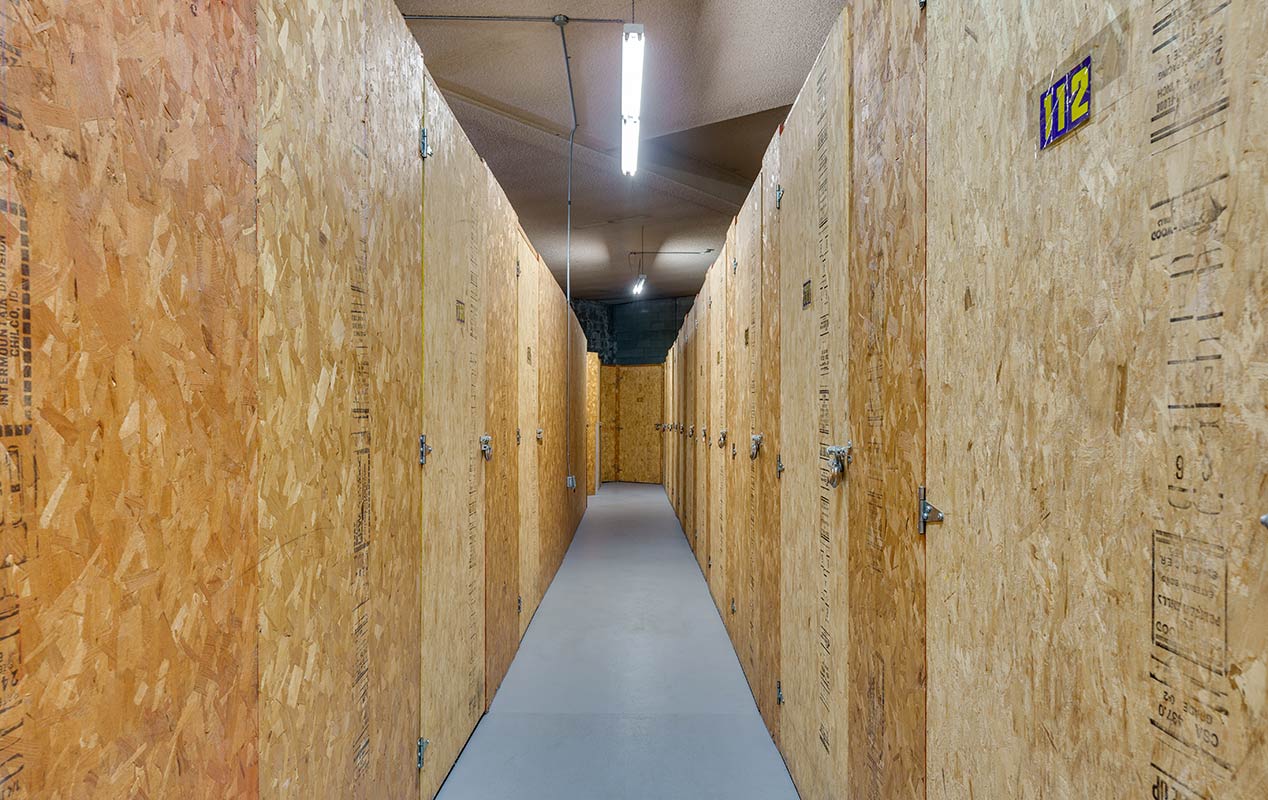
Heated indoor storage may be useful for belongings you prefer to keep inside a building, especially during colder months. It can reduce exposure to outdoor conditions compared with an unheated backyard shed, but careful packing still matters.
The right choice depends on what you're storing, how often you need access, how much space you have at home, and how long you expect to need extra room.
You own the property.
You have enough buildable yard space.
You want immediate backyard access.
You are storing durable outdoor items.
You are comfortable with maintenance.
You have reviewed permit, setback, and lot-coverage rules.
You plan to use the shed for many years.
You want to avoid construction.
You need flexible month-to-month space.
You are a renter or do not want to alter your property.
Your yard is too small, sloped, or restricted.
You are storing household overflow, moving boxes, furniture, or seasonal items.
You want an indoor option.
You only need extra space temporarily.
For many Seattle residents, the decision is less about which option is universally cheaper and more about risk, flexibility, access, and how the stored items handle outdoor conditions.
If you decide storage is the better fit, review the details for the specific location before renting. Features, access, and unit types can vary.
Consider:
Look for a unit that fits what you're storing. Indoor or heated indoor storage may be useful for items you would not want in a backyard shed.
Make sure the access schedule fits how often you expect to visit. A storage unit across town may not be practical if you need items several times a week.
Ask about parking, elevators, carts, dollies, and move-in instructions. Do not assume drive-up access, covered loading, or vehicle storage unless the location clearly lists those features.
Review the facility's listed security features by location. You can also use a quality lock where applicable, keep an inventory, photograph stored items, and review coverage options.
Month-to-month leases can be useful when your storage needs may change. Review rent, promotion terms, fees, payment options, and move-out notice before signing.
Building a backyard shed can be useful, but it is not always the simplest path in Seattle. Costs, yard constraints, permitting rules, weather exposure, maintenance, and possible property-value considerations can all affect the decision.
A storage unit offers a different kind of flexibility: no construction project, no permanent backyard structure, and space that can adjust as your needs change. For moving boxes, seasonal gear, household overflow, or renovation storage, it may be the more practical option.
See current options for self storage in Seattle, WA.
It depends on the shed and the property. Seattle has rules around shed size, use, location, setbacks, lot coverage, and Environmentally Critical Areas. Review SDCI guidance before building, especially if your property is sloped, constrained, or already heavily developed.
It depends on the shed cost, storage-unit size, rental length, maintenance needs, and whether the shed affects the property. A shed can require a larger upfront investment, while storage usually spreads cost month to month. For temporary or uncertain needs, storage may be more flexible.
Store items clean and dry, use sturdy containers, keep items off the floor when possible, and avoid putting damp fabric, paper, or soft goods into storage. A well-built shed can work for durable outdoor items, but sensitive belongings may be better suited to an indoor storage option.
It may affect assessed value depending on the structure and property details. The impact is not the same for every shed. Review King County guidance or consult a qualified tax or property professional if this is a concern.
Self storage may be better when you need flexible space, do not want to build, have limited yard space, rent your home, or want an indoor option for household overflow, furniture, boxes, or seasonal items.
Everything you need to store your belongings securely, on your schedule.
Visit us online