Last updated Jul 24, 2026
Moving in Seattle rarely happens on a tidy timeline. Maybe your lease ends two weeks before you can move into your new place. Maybe a job brought you here on short notice. Or maybe you're renovating a tight apartment and just need somewhere to keep furniture for a few months.
Whatever brought you here, temporary storage solves a specific problem: you need flexible space without locking into a long contract. Seattle adds a few wrinkles, too. Apartments are famously small, the weather is often wet, and parking a moving truck downtown can be a genuine headache.
This guide walks you through what to know, including why heated storage can be useful in the Pacific Northwest, what your options are, how much temporary storage may cost, which neighborhoods to consider, and how to pack for Seattle's wetter months.
Seattle's wet seasons are one reason storage choices here can differ from drier cities. Annual precipitation in Washington varies by region, and the Seattle area sees frequent rain, especially in late fall and winter, according to WRCC.
That weather makes packing habits especially important. Items should be clean and fully dry before they go into storage, and belongings that are vulnerable to damp conditions should be packed with extra care. Rather than relying on one storage feature to solve every weather concern, focus on dry packing, sturdy containers, and a facility setup that fits what you're storing.
Many people search for "climate-controlled storage" because they want extra protection from Seattle's wet weather. The exact feature names and systems vary by facility, so it helps to understand the difference before renting.
Climate-controlled storage typically refers to spaces designed to manage temperature and, in some cases, humidity within a more controlled range. It may be appropriate for especially sensitive items, depending on the facility and what you're storing.
Heated storage helps reduce exposure to colder conditions compared with non-heated spaces. For many everyday household items, furniture, boxes, tools, and seasonal belongings, heated indoor storage can be a practical option during Seattle's cooler months.
Before choosing a unit, review the current facility features, ask how the space is managed, and avoid storing anything that is damp, prohibited, or not recommended under the lease.
Not all storage works the same way. Three main options dominate the Seattle market, each suited to a different kind of move.
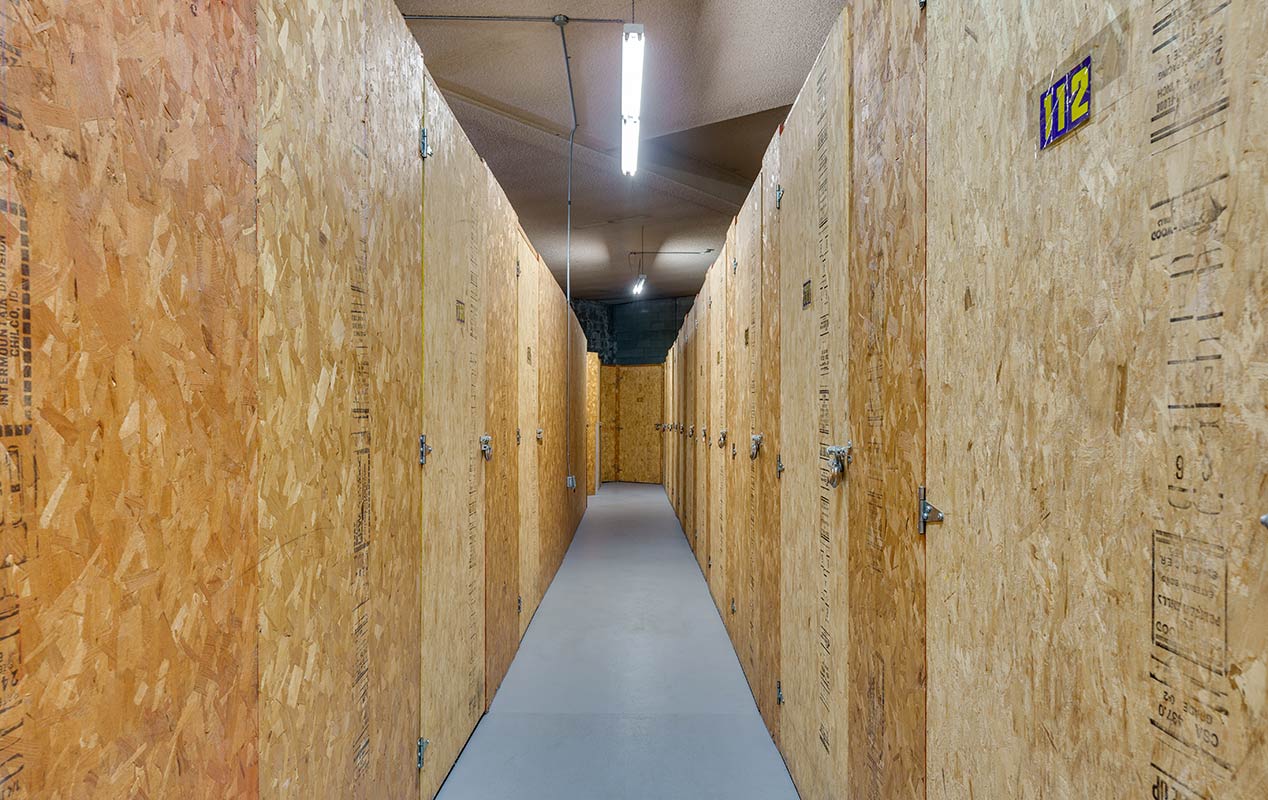
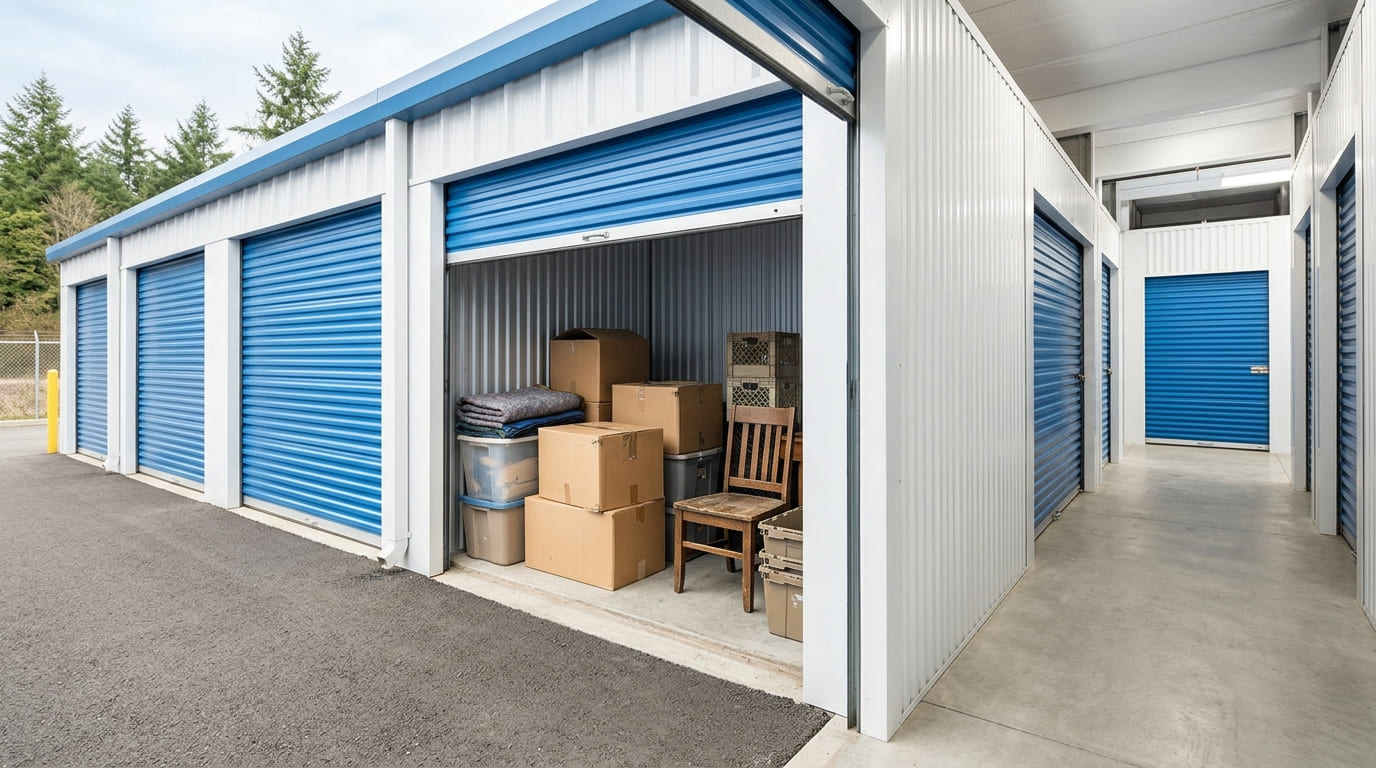
This is the classic model: you rent a unit at a facility and access your belongings based on the facility's posted hours. Indoor, heated units can be useful for household items during colder months, while features like elevator access, carts, and dollies may help with move-in, depending on the location.
Choose traditional self-storage if you want access to your belongings and prefer to handle the move yourself.
A container gets dropped at your home, you fill it on your own schedule, and the company hauls it away. Choose a portable container if you want to pack gradually over several days rather than racing a moving-truck deadline.
Just keep Seattle's street rules in mind. If a container or truck will sit on a public street, permits may be required.
With full-service storage, a team picks up your items, stores them, and brings them back when requested. Choose this option if you don't have a vehicle or want a more hands-off experience, though it typically costs more than traditional self-storage.
Storage pricing in Seattle varies widely by size, location, availability, and feature type. Across the city, the average self-storage unit rents for about $106 per month, according to SpareFoot, while RentCafe lists Seattle storage rates by size and location.
Here's a general way to think about temporary storage sizes:
Small units such as 5x5 or 5x10: Useful for boxes, seasonal gear, small furniture, and studio apartment overflow.
Medium units such as 10x10: Often used for one-bedroom apartment contents, depending on furniture size and packing layout.
Larger units such as 10x25: Helpful for bigger moves, larger furniture, or business inventory, depending on availability.
A few factors push prices up or down:
Location: Units in dense, central neighborhoods may cost more than those farther from the city core.
Features: Indoor, heated, elevator-access, or other feature-specific units may be priced differently from standard units.
Season: Summer is peak moving season in Seattle, so rates and availability can tighten between June and September.
Look for move-in promotions, too. Many facilities offer your first month at a discount, which can help during a sudden or short-term move.
Where you store comes down to two things: how close the facility is to your move and how easily you can reach it when you need access. These areas can make sense for different types of movers.
Ballard can be a practical choice for renters, apartment dwellers, and people storing seasonal outdoor gear that fits inside a rented unit.
This area can work well for residents in South Seattle who want storage near Rainier Avenue and nearby residential neighborhoods.
West Seattle may be convenient for residents on the peninsula who want storage closer to home rather than crossing bridges for every pickup.
The University District can be useful for students who need short-term storage between leases, summer breaks, or study-abroad terms.
Dense, apartment-heavy neighborhoods make nearby storage especially useful for small-space living, seasonal items, and household overflow.
One Seattle-specific tip: proximity to your regular route may matter more than distance alone. A facility that fits your commute or moving path can save more time than one that is technically closer but harder to reach.
A little preparation goes a long way toward keeping your belongings organized and ready for storage. General rainy-season guidance from RentalRiff emphasizes preparation during wet seasons, and the same basic idea applies to packing for a Seattle move.
Cardboard can weaken if it gets wet during a move. Sealed plastic containers can be useful for items that need more protection while being carried through rain or staged temporarily.
Shelving or pallets can help keep boxes easier to access and better organized. This is especially useful for items you may need to retrieve during a short-term move.
Products like silica gel packs or activated charcoal can help inside sealed bins or smaller containers. Follow product directions and avoid relying on them as a substitute for fully drying items before storage.
Cotton sheets or moving blankets can help protect furniture from dust and scuffs during move-in. Avoid wrapping damp items tightly in plastic before storage.
Even slightly damp items can create problems once packed away. Dry clothing, tents, furniture, and outdoor gear thoroughly before storing.
This step catches many movers off guard. If your moving truck or portable container will sit on a city street, the Seattle Department of Transportation may require a temporary parking or storage-container permit, depending on the situation. Review current requirements through Seattle.gov before move-in day.
Build this into your timeline early. Permit needs, approval timing, placement rules, and fees can vary based on where and how long the truck or container will be placed.
Temporary storage costs vary by unit size, location, availability, and features. Smaller units are usually less expensive, while larger or feature-specific units may cost more. Check current rates before renting, especially during peak moving season.
Yes. Many Seattle storage facilities offer month-to-month leases with no long-term commitment, which makes them useful for lease gaps, short relocations, renovations, or temporary household overflow.
Make sure everything is clean and dry before storing, use sealed plastic bins for vulnerable items, keep frequently used items accessible, and avoid packing damp gear directly into boxes. Heated indoor storage may also be useful during colder months, depending on the facility and what you're storing.
It depends on your move. Portable containers let you pack gradually at home, but they may involve street-placement rules or permits. Traditional self-storage gives you facility-based access to your belongings and may be simpler if you want to avoid leaving a container on the street.
Temporary storage can help renters facing lease gaps, professionals relocating for work, homeowners renovating tight spaces, students storing items over summer, and anyone downsizing into one of the city's compact apartments.
The right temporary storage can make a move easier to organize. Look for a flexible month-to-month lease, a unit size that fits your belongings, and a location that works for your route and schedule.
SecureSpace offers storage options across Seattle for movers, renters, students, and households in transition. Browse available units and reserve online today.
Everything you need to store your belongings securely, on your schedule.
Visit us online