Last updated Jul 31, 2026
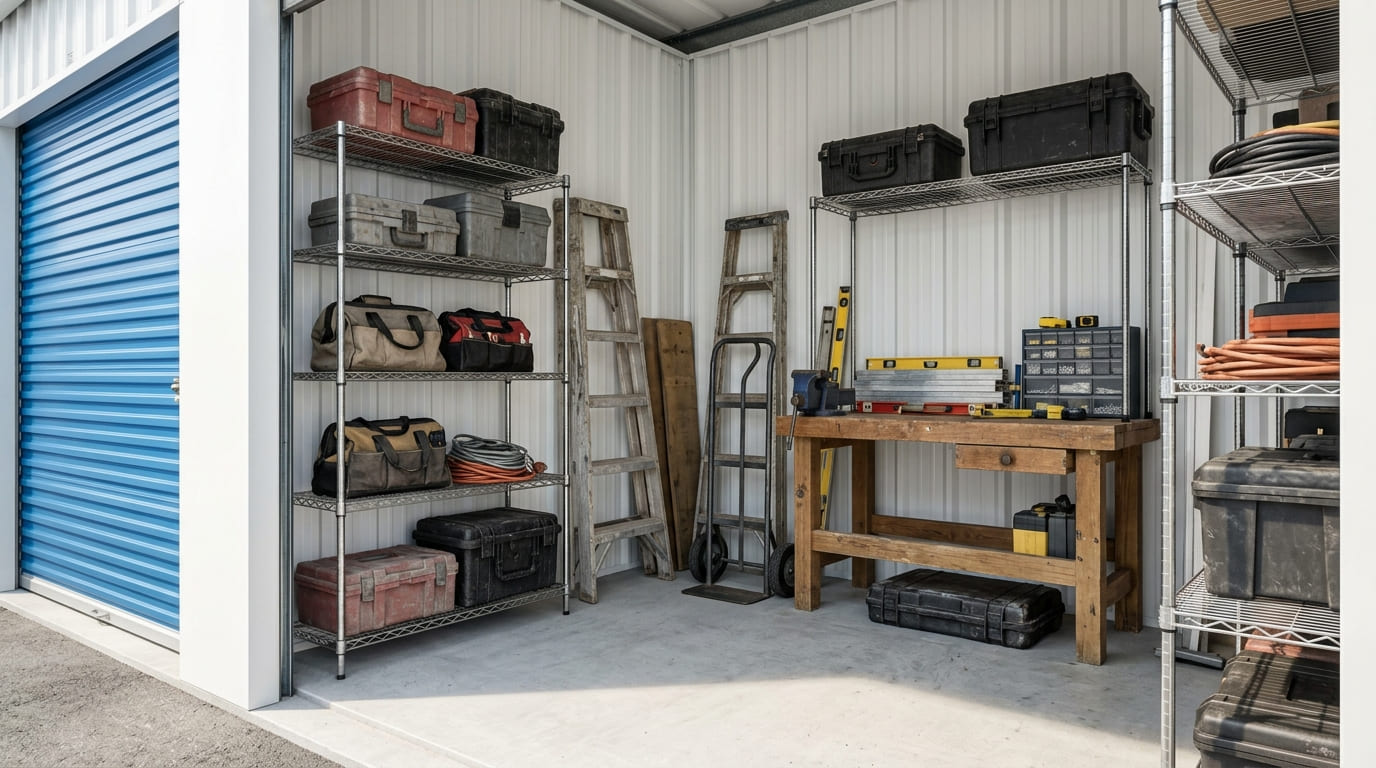
Tools can quickly take over garages, sheds, work vehicles, and spare rooms. For Atlantic Beach homeowners, contractors, and DIYers, self-storage can create a dedicated place for permitted hand tools, power tools, cabinets, and equipment that are not needed every day.
Coastal conditions may also leave tools exposed to salt residue, rain, sand, and moisture during use or transportation. Proper cleaning and preparation matter before anything goes into storage.
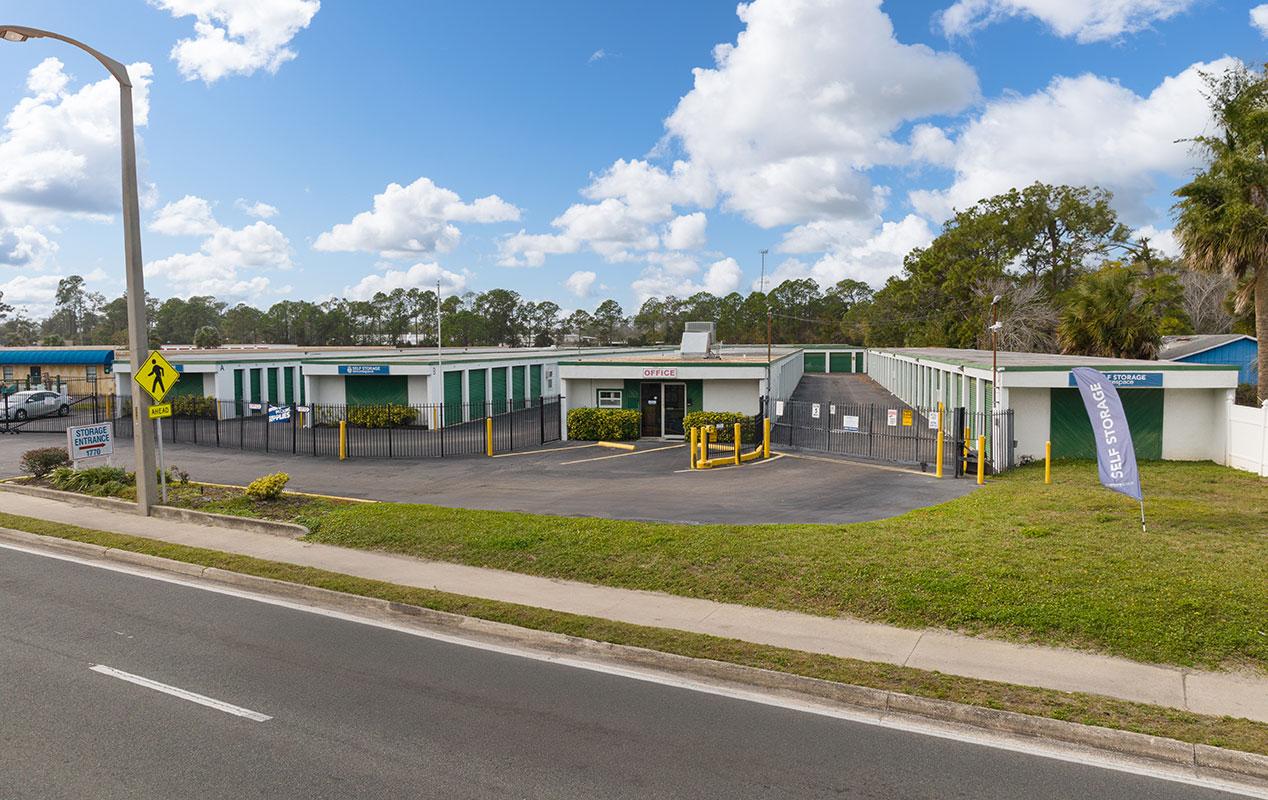
SecureSpace Self Storage Atlantic Beach provides standard, non-climate-controlled units. This guide explains how to prepare tools, organize a unit, and choose a size that fits your equipment.
A storage unit may be useful when:
Tool cabinets no longer fit comfortably in the garage.
Equipment is needed only for seasonal projects.
A contractor needs supplemental space between jobs.
Tools must be moved during a renovation or relocation.
Household and work equipment need to be kept separate.
Larger items are difficult to organize at home.
A unit should be used for storage rather than as an active workshop. Repairs, fabrication, battery charging, equipment operation, and customer visits should not be assumed to be allowed.
Salt residue and moisture can contribute to corrosion on exposed metal surfaces. Sand and dirt may also collect around hinges, fasteners, blades, and moving components.
The rate of deterioration varies based on:
Tool materials and finishes
Exposure during use
Existing damage
Cleaning and maintenance
Storage duration
Manufacturer recommendations
A storage unit cannot guarantee that tools will remain free from rust, corrosion, moisture, or other damage. Preparation and periodic maintenance remain important.
Follow the manufacturer's cleaning and storage instructions for each tool. A method that works for a hand wrench may not be appropriate for an electrical tool, battery, measuring device, or coated surface.
Remove mud, sawdust, grass, sand, and salt residue before packing tools.
Use cleaning products and methods approved for the specific material. Avoid applying water or chemicals to electrical components unless the manufacturer allows it.
Do not place damp tools into sealed cabinets, boxes, or bags.
Allow cleaned equipment to dry fully, including:
Handles and grips
Hinges
Blade housings
Tool cases
Cord compartments
Removable accessories
Use only manufacturer-approved drying methods.
Check tools before storage for:
Rust or discoloration
Cracked handles
Frayed cords
Leaking batteries
Loose fasteners
Damaged guards
Fluid leaks
Missing safety components
Address existing problems before storing the equipment. Damaged electrical tools or batteries may require specialized handling.
Some tools may require lubrication or a manufacturer-approved protective product before extended storage.
Do not apply a universal oil, grease, or rust-prevention coating to every item. The wrong product may damage finishes, attract debris, or interfere with electrical contacts.
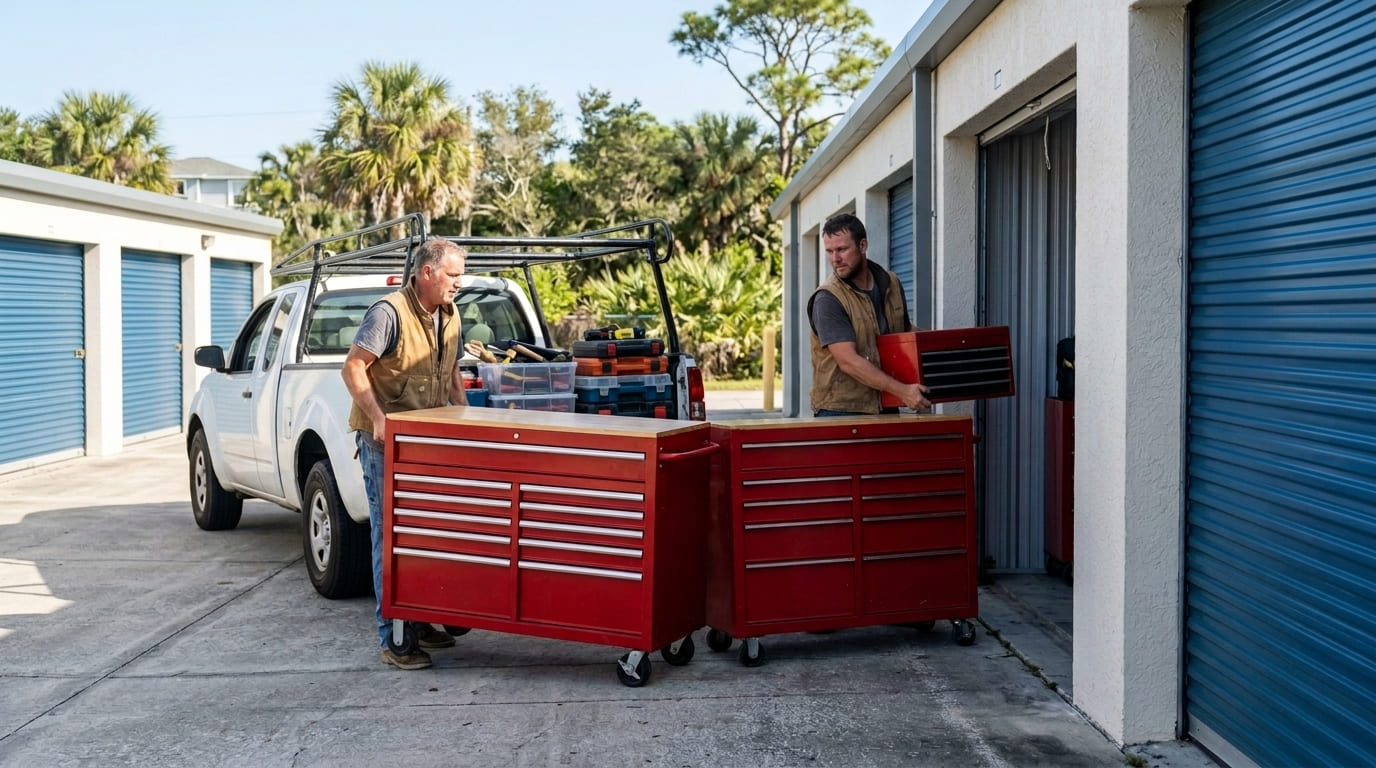
Power tools should be switched off, unplugged, and stored according to their manuals.
Remove detachable accessories when practical and keep them in labeled containers. Cords should be loosely coiled rather than sharply bent or wrapped tightly around the tool.
Battery-powered equipment requires additional care:
Inspect batteries for swelling, cracking, leaking, or impact damage.
Follow the manufacturer's recommended storage charge.
Confirm whether batteries are allowed in the unit.
Do not store a damaged battery.
Do not assume charging is permitted at the facility.
Electricity is not a confirmed unit feature at SecureSpace Atlantic Beach. A storage unit should not be treated as a charging station.
Fuel-powered tools and equipment may be accepted only when they comply with the lease and facility preparation rules.
Before storing a mower, generator, pressure washer, or similar item:
Confirm fuel and fluid requirements.
Check the equipment for leaks.
Remove dirt, grass, and debris.
Let the engine and components cool.
Follow the manufacturer's long-term storage procedure.
Complete any required preparation before arriving.
Fueling, draining fluids, oil changes, engine repairs, and equipment operation should not take place inside the unit.
Toolboxes and freestanding cabinets can help keep smaller items organized. The best option depends on the weight of the equipment and how often it will be retrieved.
Useful organization practices include:
Grouping tools by trade or project type
Labeling drawers and containers
Keeping frequently used equipment near the entrance
Placing heavier tools on lower shelves
Storing blades and sharp accessories in suitable cases
Keeping cords and attachments with the correct tool
Maintaining an inventory of stored equipment
Freestanding shelving may be used when permitted. Do not attach cabinets, racks, or hooks to the unit walls without approval.
Some customers use desiccants inside enclosed toolboxes or cabinets.
Effectiveness depends on the product, container volume, existing moisture, and how tightly the space is sealed. Follow the desiccant manufacturer's instructions for placement, quantity, inspection, and disposal.
Do not assume that a moisture absorber will control conditions throughout an entire storage unit or prevent corrosion.
Powered dehumidifiers should not be used unless the facility expressly allows them and appropriate electricity is available.
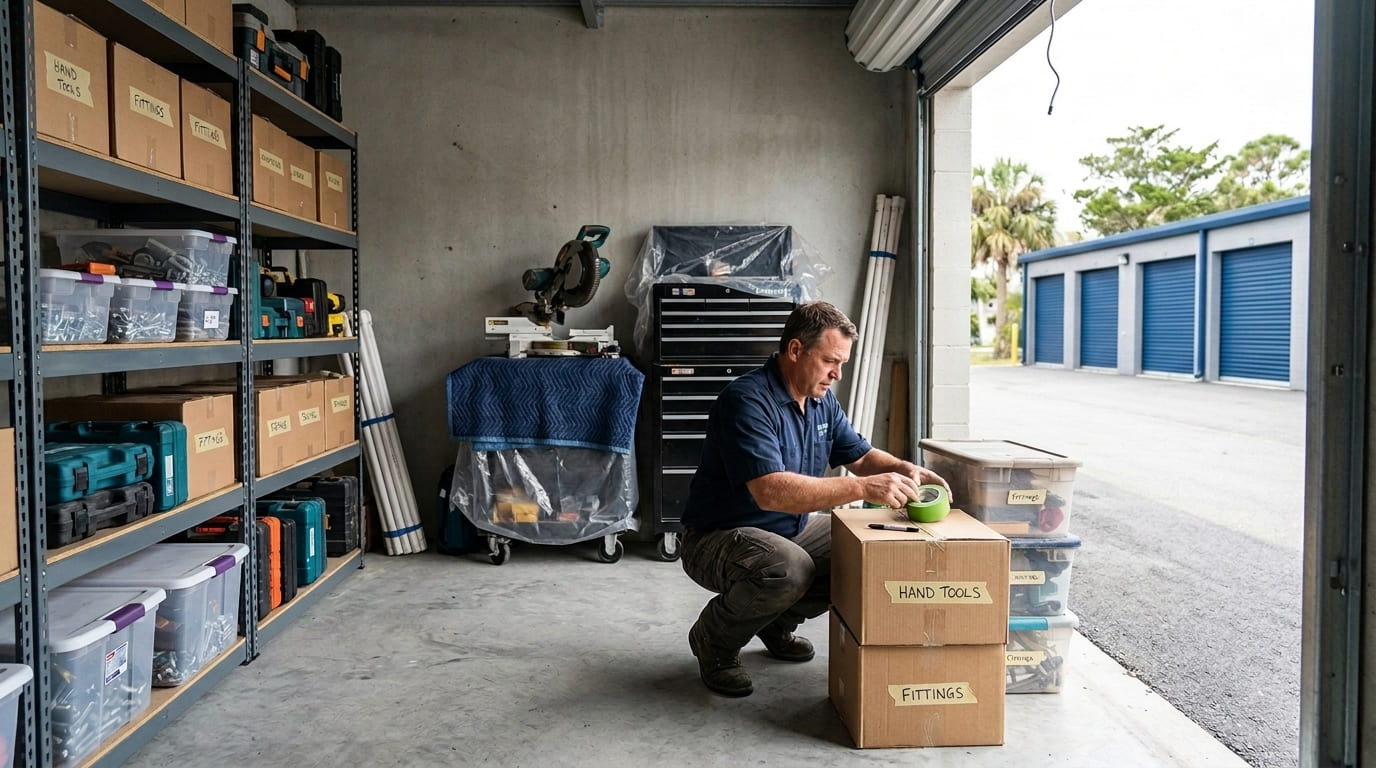
SecureSpace Atlantic Beach does not offer 5x5 units. Its smallest available size is 5x10.
A 5x10 may work for:
Hand tools
Several portable power tools
Smaller tool chests
Ladders that fit the unit dimensions
Project supplies
Seasonal household equipment
Measure long items and account for the door opening before renting.
A 5x15 offers more depth for larger cabinets, several tool chests, longer equipment, and additional project supplies.
Leave enough room to open drawers and retrieve tools without unloading the entire unit.
These sizes may suit larger equipment collections, freestanding cabinets, workbenches being stored rather than used, and permitted business supplies.
Plan the layout around the widest cabinet and the space needed to move heavier equipment safely.
Available 10x20 and 10x25 units may be considered when tools are stored with household belongings, larger equipment, or an eligible vehicle.
Do not assume trailers, palletized materials, fleet equipment, or contractor operations are automatically permitted. Confirm the intended use before renting.
Contractors may store permitted tools, equipment, packaged supplies, and office materials, but the unit should not function as a job site or operating base.
Confirm facility rules before planning:
Recurring deliveries
Package acceptance
Employee access
Commercial vehicle parking
Trailer storage
Battery charging
Material staging
Fuel or chemical storage
Hazardous materials, pressurized containers, flammable products, and regulated substances may be prohibited.
Start with the largest cabinets and equipment, then build the layout around them.
Keep frequently needed tools near the front. Store seasonal or rarely used items farther back.
Avoid placing heavy machinery where it blocks the entrance. Leave enough room to open cabinet drawers and safely lift equipment.
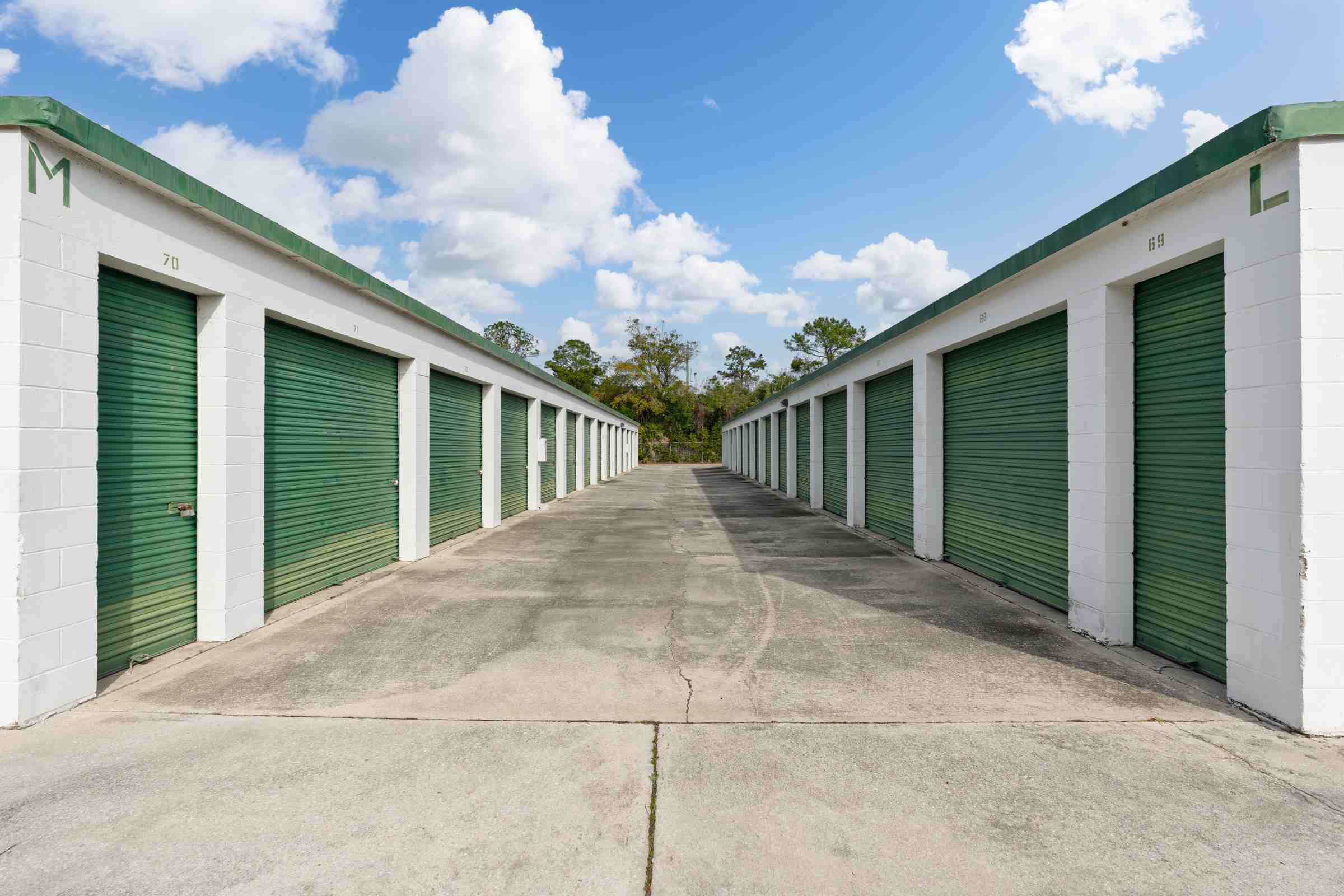
Drive-up units are available at SecureSpace Atlantic Beach, allowing customers to load near eligible unit doors. Review the selected unit's access type and measurements before move-in.
Avoid these common problems:
Storing wet or dirty tools
Ignoring existing rust or damage
Leaving leaking batteries installed
Applying the wrong coating or lubricant
Storing fuel or hazardous chemicals without approval
Charging batteries inside the unit
Operating equipment on the property
Blocking cabinet drawers with boxes
Attaching shelving to unit walls without permission
Assuming storage will prevent corrosion
Check tools periodically based on their materials, condition, value, and expected storage duration.
No. The facility provides standard, non-climate-controlled storage.
Store only tools and equipment suitable for that environment and follow the manufacturer's instructions.
The smallest available size is 5x10.
A 5x10 may work for portable tools, smaller cabinets, and project supplies, depending on their dimensions.
Battery rules should be confirmed before move-in.
Do not store damaged batteries, and do not assume charging is allowed inside the unit.
No. The unit should be used for permitted storage rather than repairs, fabrication, equipment operation, or customer-facing work.
Trailer and commercial-vehicle acceptance is not automatic.
Confirm the vehicle type, dimensions, availability, documentation, and facility requirements before arrival.
Gate access is available daily from 6:00 AM to 10:00 PM.
Plan equipment pickup and return within that window.
Tool storage works best when equipment is clean, dry, measured, and arranged for safe retrieval.
Before renting, review fuel and battery rules, estimate the space required for cabinets and long equipment, and confirm that your intended business or vehicle use is permitted.
Review current options for tool storage in Atlantic Beach, FL.
Everything you need to store your belongings securely, on your schedule.
Visit us online