Last updated Jul 31, 2026
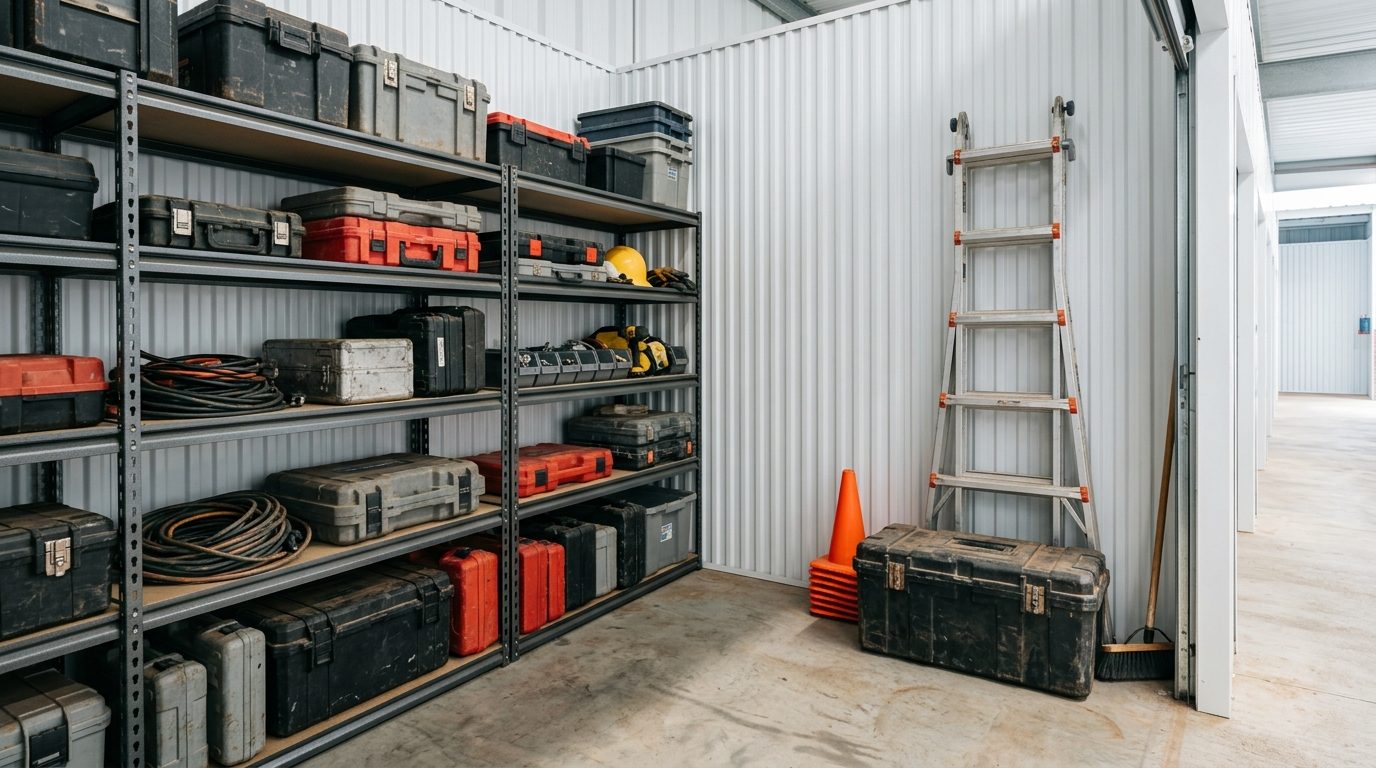
Tools can represent a substantial investment for contractors, hobbyists, homeowners, and military personnel. When garage space is limited, keeping tool chests, power tools, lawn equipment, and project supplies organized at home can become difficult.
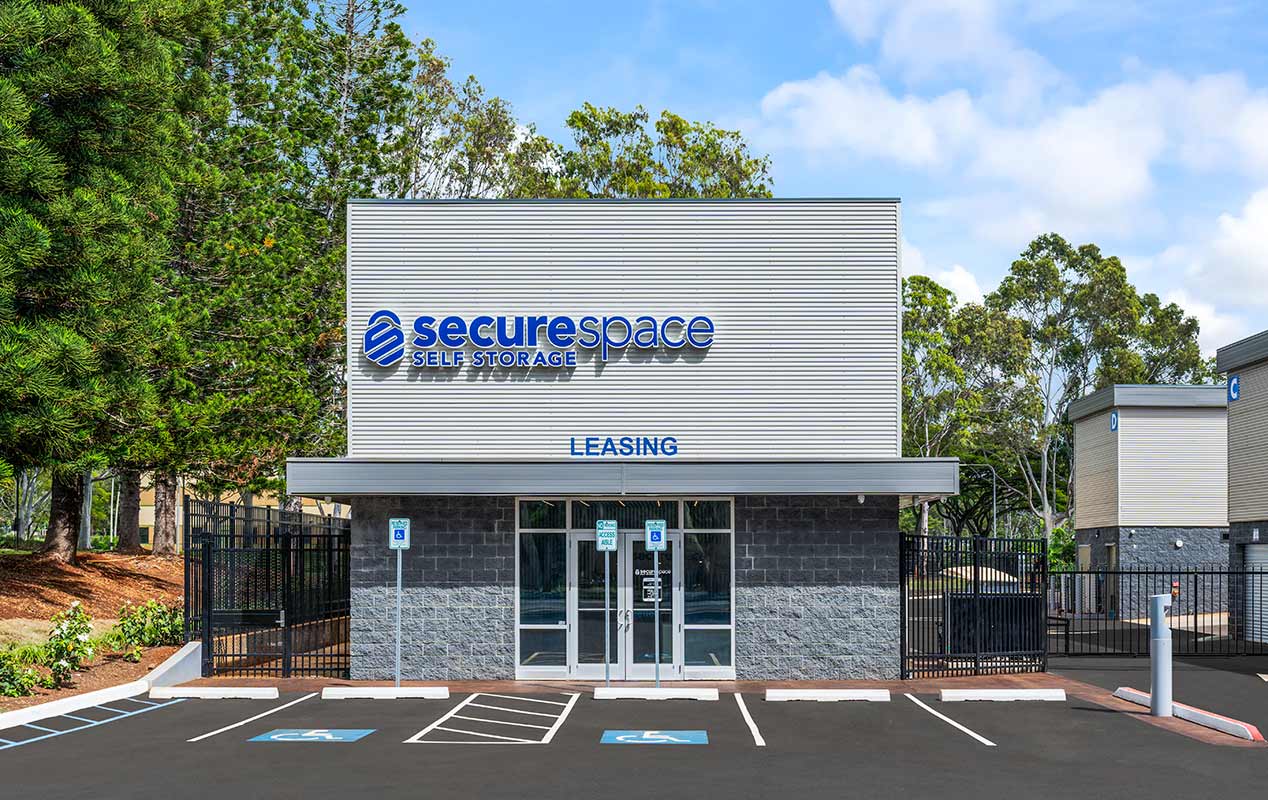
SecureSpace Self Storage Mililani at 95-1 Wikao St offers climate-controlled units, drive-up options, month-to-month leases, carts and dollies, and daily gate access from 6:00 AM to 10:00 PM. (SecureSpace)
This guide explains how to prepare tools for storage, choose an appropriate unit size, and review facility rules before moving business or personal equipment into a unit.
Tools are often bulky, heavy, and sensitive to improper handling. A collection may include metal hand tools, battery-powered equipment, tool chests, ladders, saws, landscaping equipment, and project materials that compete with vehicles and household belongings for garage space.
Mililani has high housing costs, but a valuable home does not necessarily provide abundant storage space. The median owner-occupied home value in Mililani Town sits at $923,900, while the owner-occupied housing rate is 81.2%. (Census.gov)
Household changes can also reduce the space available for tools. A garage may need to accommodate vehicles, recreational equipment, a home office, or belongings from several generations living together.
The Hawaii Housing Factbook 2025, published by UHERO, describes the state's continuing housing-supply and affordability challenges. It does not establish that Mililani households routinely convert garages into living space, but it provides context for why families may need to use existing square footage carefully. (UHERO)
Some Mililani properties are governed by association rules involving exterior appearance, visible storage, commercial vehicles, trailers, and property modifications.
These requirements depend on the specific property, the type of equipment, its placement, and the current governing documents. They should not be interpreted as a universal ban on keeping tools at home.
Residents should review the rules that apply to their property before assuming off-site storage is required. Contractors should also confirm whether work vehicles, trailers, or equipment may be kept at their residence.
Mililani is near Schofield Barracks and Wheeler Army Airfield. The area is sometimes described as approximately 10 to 15 minutes from the Kunia and Lyman gates of Schofield Barracks, and a similar distance from Wheeler Army Airfield, although actual travel time varies by traffic, route, and installation gate. (MilitaryINSTALLATIONS)
Military households may need temporary tool storage during a PCS move, deployment, housing change, or household-goods transition.
Month-to-month leasing can provide flexibility, but service members should confirm storage authorization and reimbursement requirements with the appropriate transportation or housing office before renting independently.
Warm conditions, moisture, salt residue, dirt, and improper storage can affect metal tools, wooden handles, fabric bags, leather belts, rubber grips, batteries, and electronic components.
Mold growth is more complicated than a single formula, but general remediation guidance explains that mold needs just three things: moisture, warmth, and organic material. Keeping tool bags, protective gear, and wooden components clean and dry can help reduce conditions that contribute to deterioration. (Eco Kauai Services)
Climate-controlled storage may help reduce exposure to temperature fluctuations compared with a vehicle, carport, shed, or non-climate-controlled unit. It should not be described as humidity-controlled unless that service is specifically offered.
Climate control also does not guarantee protection from:
Rust or corrosion
Mold or mildew
Cracked rubber
Battery deterioration
Warped wood
Pest activity
Existing damage
Cleaning, drying, lubrication, appropriate containers, and periodic inspection remain important.

Placing tools and toolboxes directly on a floor can expose them to spills, dirt, and moisture near the surface.
One tool-storage guide identifies storing tools directly on a concrete garage floor as one of the most common and damaging mistakes tool owners make. The guide recommends raising tools on shelving, cabinets, pallets, or suitable barriers. (Garage Tools Storage)
Inside a storage unit, consider using:
Freestanding shelving
Stable pallets
Tool cabinets with raised bases
Protective floor mats
Stackable containers rated for the equipment's weight
Do not attach shelving to unit walls or make other modifications without facility approval. Follow manufacturer weight limits and keep heavy equipment on stable lower shelves.
Contractors, landscapers, electricians, plumbers, technicians, and other mobile trades may need space for permitted tools and equipment between jobs.
Possible stored items may include:
Hand tools
Tool cases
Ladders
Pressure washers
Landscaping equipment
Diagnostic equipment
Jobsite signs
Nonhazardous project supplies
Protective equipment
The renter should confirm that the intended business use and materials are permitted. A standard storage unit should not be treated as a workshop, storefront, employee work area, or customer meeting location.
Woodworkers, automotive hobbyists, and homeowners who complete frequent projects may accumulate tools that are not needed every day.
A storage unit can provide space for:
Saws and work stands
Hand-tool collections
Portable compressors
Tool chests
Automotive tools
Project hardware
Seasonal yard equipment
Empty material containers
Power-tool use, repair work, fabrication, painting, and other active projects may be restricted inside a unit. Confirm permitted activities before renting.
Service members may need temporary storage for personal tools, automotive equipment, or hobby supplies during a deployment or housing transition.
Military-issued equipment remains subject to applicable accountability and care requirements. Ammunition, explosives, hazardous materials, and restricted tactical items should not be assumed to be acceptable.
Remove dirt, sawdust, grass, grease, and other residue before packing.
Allow tools, cases, bags, and protective equipment to dry completely. Avoid placing damp fabric items or wet landscaping equipment inside sealed containers.
Follow the manufacturer's recommendations for protecting exposed metal surfaces.
A suitable corrosion inhibitor or light protective coating may be appropriate for certain saw blades, drill bits, wrenches, and other unpainted components. Wipe away excess product before packing.
Use labeled containers for:
Drill bits
Saw blades
Fasteners
Sockets
Batteries
Chargers
Replacement parts
Safety equipment
Manuals and receipts
Keep related components together so equipment can be retrieved without searching through multiple boxes.
Coil cords and hoses loosely rather than bending or compressing them tightly.
Inspect for cracks, exposed wiring, leaks, or other damage before storage. Avoid stacking heavy items on flexible components.
Cordless-tool and equipment batteries should be stored according to the manufacturer's instructions and facility rules.
Consider:
Removing batteries from tools when recommended
Protecting terminals from contact with metal
Avoiding damaged or swollen batteries
Keeping chargers separate
Following recommended charge levels for extended storage
Confirming whether particular battery types are permitted
Do not charge batteries inside the unit unless the facility expressly allows it.
Lawnmowers, generators, chainsaws, pressure washers, and similar equipment may be subject to fuel, fluid, battery, condition, and documentation requirements.
Do not assume that equipment is automatically accepted after gasoline is removed. The current policy may also address:
Fuel tanks and lines
Oil and other fluids
Leaks
Batteries
Equipment cleanliness
Mechanical condition
Registration or insurance
Unit ventilation
Vehicle or equipment dimensions
Review the rental agreement and ask the facility about the exact equipment before move-in. Follow manufacturer guidance when preparing engines for storage.
Fuel, propane, compressed gases, solvents, paint thinner, and other hazardous or flammable materials should not be assumed to be permitted.

Available sizes include 5x5, 5x10, 5x15, 10x10, 10x15, 10x20, 10x25, and 10x30.
The right size depends on the dimensions and weight of the equipment, shelving layout, door clearance, and the amount of aisle space needed.
A 5x5 or 5x10 may work for:
Hand tools
Portable power tools
Tool cases
Small tool chests
Foldable work stands
Compact landscaping equipment
Shelves of labeled supplies
Measure long cases, tool chests, and equipment handles before renting.
A 5x15, 10x10, or 10x15 may provide space for:
Several tool cabinets
Ladders
Portable saws
Landscaping equipment
Larger compressors
Project supplies
Personal belongings stored with tools
Leave enough room to reach frequently used equipment without unloading the entire unit.
A 10x20, 10x25, or 10x30 may be worth considering for substantial personal equipment, household transitions, or permitted contractor inventory.
These sizes are not guaranteed to accommodate a full workshop or every type of commercial equipment. Measure all large items and confirm the doorway, interior layout, and permitted use before renting.
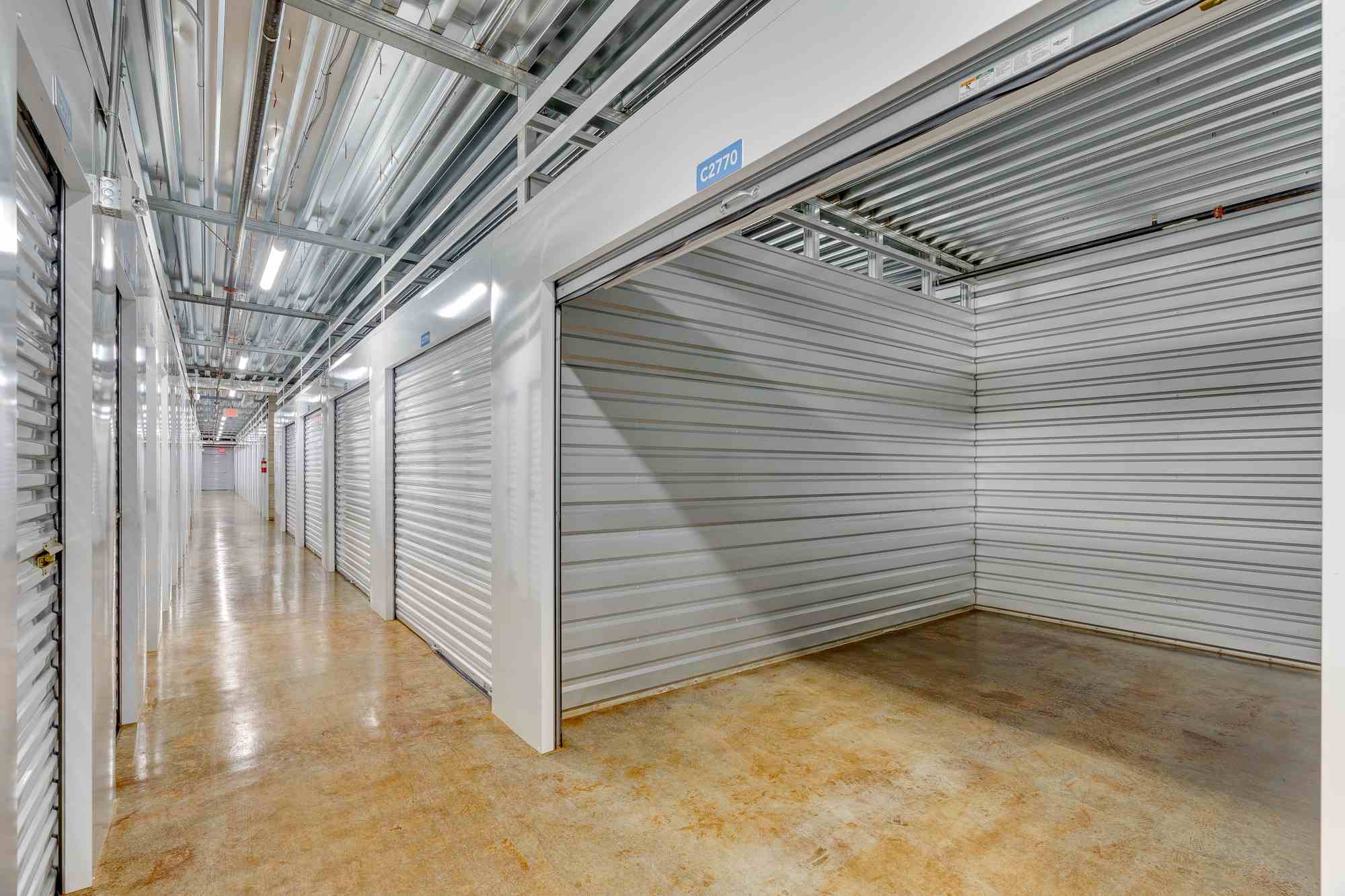
SecureSpace Mililani offers both climate-controlled and drive-up unit options.
Climate-controlled storage may be useful for:
Precision tools
Electronic diagnostic equipment
Cordless tools and accessories
Wooden handles
Leather tool belts
Rubber components
Fabric tool bags
Paper manuals and records
Confirm that the specific unit being considered is climate-controlled before completing the rental.
Drive-up access may simplify loading and unloading:
Heavy tool chests
Ladders
Lawn equipment
Portable compressors
Generators
Large cases
Contractor supplies
Not every drive-up unit is climate-controlled. Confirm which features apply to the selected space.
Customer gate access is available daily from 6:00 AM to 10:00 PM. These hours may accommodate early starts, but access outside the established window is not confirmed for contractors, military personnel, or other customers.
Carts and dollies are available for moving cases, containers, and smaller equipment. Drive-up units may reduce the distance heavy items need to be carried.
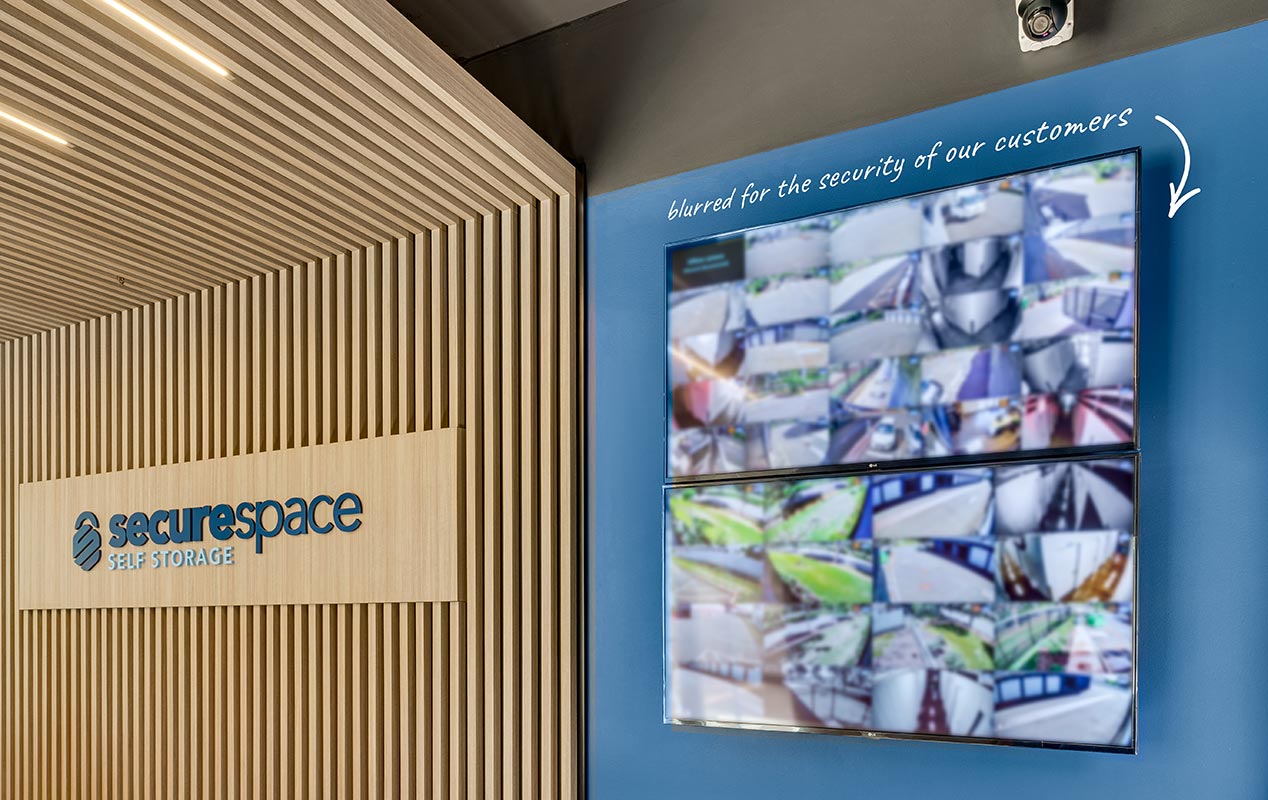
Security features include:
An access gate
Digital video recording
Logged access
Overnight surveillance
Turing-enabled monitoring
Motion Guard, StorageDefender, individual unit alarms, and SMS alerts should not be assumed to be available.
These features support access management and property monitoring, but they do not guarantee that tools cannot be stolen or damaged. Use an appropriate lock, maintain an inventory, record serial numbers, photograph valuable equipment, and review applicable coverage requirements.
Online rental options, online payments, and touchless move-in are available.
Completion and access timing may depend on:
Current unit availability
Identification requirements
Payment processing
Rental documentation
The selected move-in date
Access instructions
Do not assume that every part of the rental will be completed instantly or that same-day access is guaranteed.
Not every tool requires climate-controlled storage.
It may be useful for tools and components that could be affected by prolonged temperature fluctuations, including batteries, electronics, rubber, leather, wood, and precision equipment.
Climate control does not guarantee humidity regulation or prevent rust, mold, and other deterioration.
Possibly, but acceptance and preparation requirements depend on the facility's current rules.
Confirm fuel, oil, leak, battery, cleanliness, condition, and documentation requirements before transporting gas-powered equipment to the property.
A unit may be suitable for permitted tools, equipment, and nonhazardous supplies.
Contractors should confirm the proposed items and business use before renting. A unit should not be treated as an active workshop, employee base, retail location, or customer-facing workspace.
Some association rules may affect visible exterior storage, property modifications, commercial vehicles, or trailers.
The requirements depend on the property and current governing documents. Review the rules that apply to your home before assuming off-site storage is mandatory.
A 5x10 may work for a focused collection of hand tools, power tools, cases, and compact equipment. A larger unit may be useful for multiple cabinets, ladders, landscaping equipment, or belongings from several projects.
Fit depends on actual dimensions, shelving, door clearance, and aisle space. Measure the largest items before choosing.
A standard storage unit should not be assumed to permit repair work, fabrication, power-tool use, painting, or other active operations.
Review the rental agreement and confirm permitted activities with the facility.
Yes. Carts and dollies are available to assist with moving cases, boxes, and equipment.
Availability at a particular moment may vary, so customers planning a large move should review facility procedures in advance.
A well-organized unit can help keep tools accessible while freeing space at home. Clean and dry equipment before storage, elevate heavy items when practical, label small parts, follow battery and engine guidance, and leave a clear aisle to frequently used tools.
Review the selected unit type, permitted items, access route, current pricing, and rental requirements before arranging tool storage in Mililani, HI.
Everything you need to store your belongings securely, on your schedule.
Visit us online