Living in the South Bay offers an incredible lifestyle, complete with ocean breezes, beautiful neighborhoods, and a thriving automotive culture. Torrance is home to major corporate hubs like the American Honda Motor Co. campus and boasts a massive community of classic car collectors, luxury vehicle owners, and weekend cruisers. However, owning a vehicle in this beautiful coastal city comes with a unique set of challenges.
Finding adequate space to park your primary commuter car is difficult enough. When you add a vintage project car, a lifted pickup truck, or an oversized recreational vehicle to the mix, residential parking becomes a serious headache. Homeowners frequently convert their garages into living spaces or home gyms, pushing vehicles out onto crowded neighborhood streets. This creates a stressful daily routine of hunting for a spot after a long commute down the 405 freeway.
Beyond the sheer lack of physical space, local drivers face strict neighborhood parking regulations and the harsh reality of marine environments. Leaving a valuable car parked in a driveway or on the street leaves it vulnerable to ticketing, towing, and severe weather damage.
If you are tired of playing musical chairs with your vehicles, commercial vehicle storage offers a flexible and highly secure solution. This comprehensive guide will help you understand the local parking landscape, the hidden environmental threats to your car, and exactly what to look for when choosing premium car storage in Torrance, CA.
The push toward commercial self-storage is heavily driven by local regulations. You cannot simply park an extra vehicle on the street indefinitely, and even your own driveway is subject to intense scrutiny. The regulatory environment in the South Bay operates on two main fronts: Homeowner Association (HOA) covenants and municipal civic ordinances.
In California, HOAs have broad legal authority to enforce community aesthetic guidelines. Many local neighborhood associations strictly prohibit parking secondary vehicles, unrestored project cars, commercial work vans, or recreational vehicles in residential driveways or shared common areas. They often limit temporary driveway parking to a tight 24-hour window. If you leave a vehicle out for too long, you face escalating fines or the immediate threat of towing. You can learn more about how HOAs control parking from legal experts at MBK Chapman PC.
The City of Torrance also actively monitors public street parking through stringent municipal codes. For example, the city heavily regulates the presence of any vehicle exceeding 20 feet in length, 7 feet in width, or 8 feet in height on any public thoroughfare. Residents must apply for short-duration permits, which are strictly capped per calendar year. You can review the specifics of the oversized vehicle permit process directly through the City of Torrance.
These rules make long-term street storage of large trucks, commercial sprinter vans, or classic car trailers virtually impossible. Moving your asset to a dedicated storage facility keeps you fully compliant with local laws and entirely eliminates the anxiety of unexpected fines.
Proximity to the Pacific Ocean provides exceptional amenities, but it introduces a severe threat to automotive investments. Continuous sea winds carry microscopic, highly saline water droplets far inland. This pervasive salty mist effortlessly penetrates the porous fabrics of standard outdoor car covers and infiltrates unsealed residential garages.
When this microscopic moisture settles on exposed metal surfaces, it acts as a powerful chemical catalyst. The resulting oxidation accelerates rust formation on critical structural components, including brake calipers, undercarriages, suspension linkages, and exposed aluminum detailing. You can read more about how living near the ocean affects your car to understand the full scope of the risk.
Many local drivers experience a deceptive honeymoon period lasting a few years before visible damage appears. Once the corrosive process begins, the damage is often irreversible. Salt exposure dries out premium leather upholstery, dulls expensive trim, and quietly corrodes sensitive internal electronic circuit boards. Using a standard driveway car cover under the intense Southern California sun can actually trap humidity and create a destructive "salt sauna" that accelerates rust.
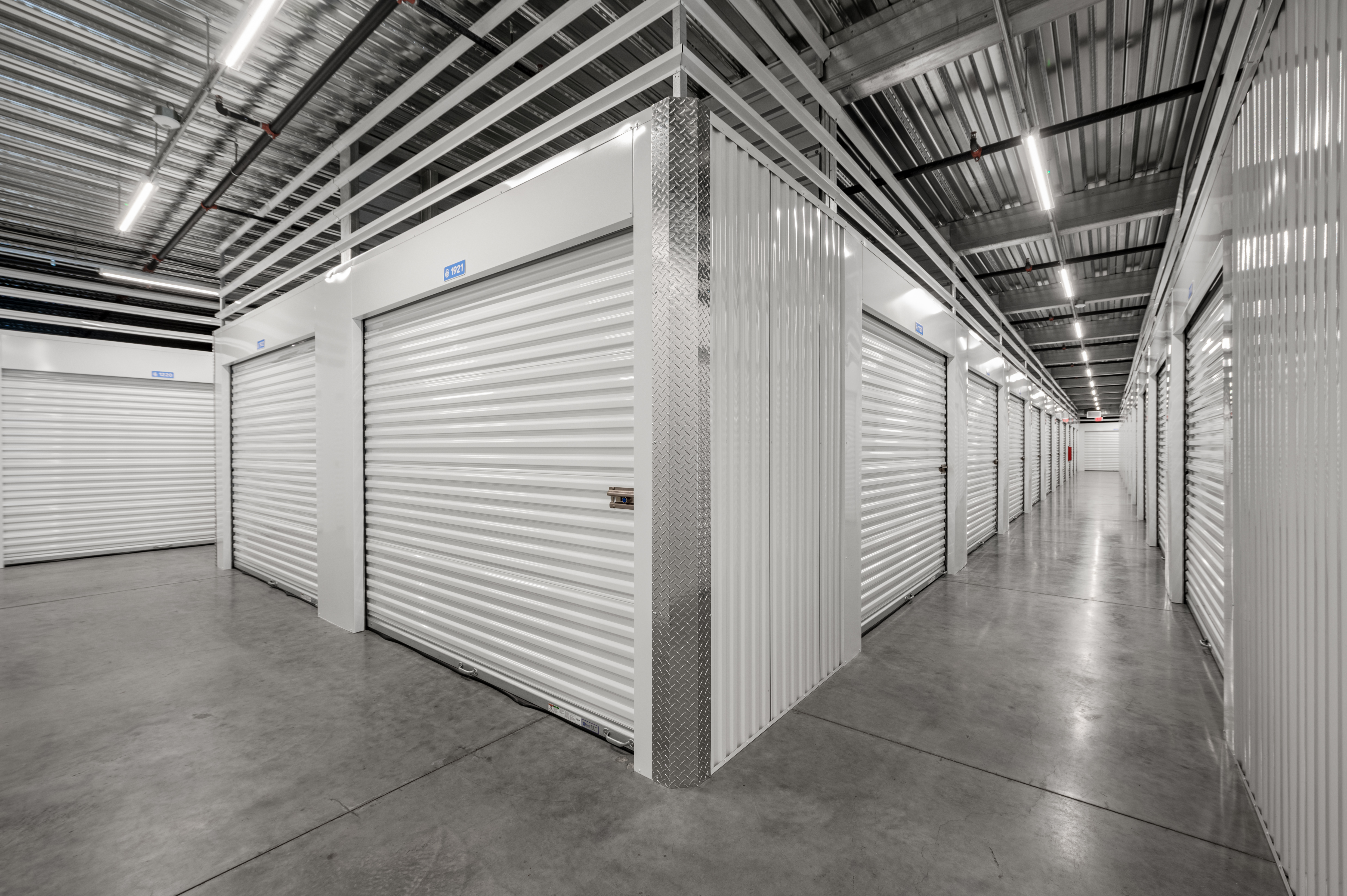
This is why indoor, climate-controlled storage is highly recommended for classic cars and luxury vehicles. Climate control acts as an active shield, neutralizing humidity and blocking saline penetration to keep your investment pristine.
When you move a valuable asset off your property, security and accessibility become your top priorities. You need to know your vehicle is safe, but you also want the convenience of grabbing it easily for a weekend drive down the Pacific Coast Highway.
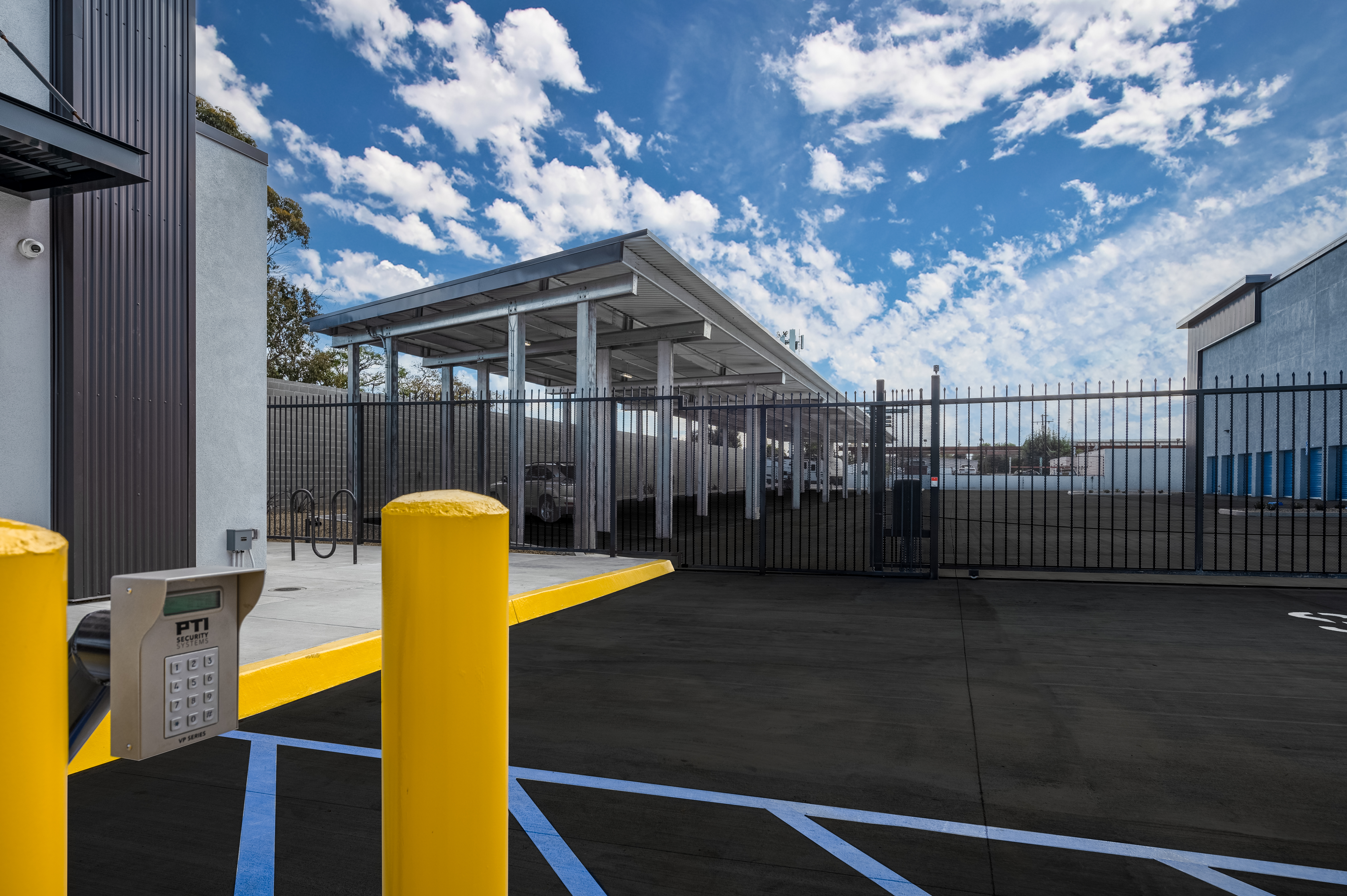
Unfortunately, predatory towing and unauthorized access are real concerns at unbranded, poorly managed parking lots. You should only trust facilities backed by rigorous institutional security protocols. Look for locations that feature:
Towering perimeter fencing that restricts unauthorized access.
Bright, facility-wide LED lighting to eliminate dark corners.
Advanced 24/7 high-definition digital surveillance networks.
Strict, professional pest-management protocols to prevent rodents from chewing through expensive wiring harnesses.
A dedicated on-site management team to monitor the property.
Navigating daily traffic in the South Bay is notoriously taxing. A storage facility buried deep within a congested residential zone introduces unnecessary frustration. Prioritize facilities positioned near major, high-speed transport corridors.
For instance, finding a location near the I-110 (Harbor Freeway) allows you to bypass the densest surface-street traffic choke points. You want wide drive aisles that allow for the easy maneuvering of long wheelbases, paired with generous access hours so you can retrieve your car on your schedule.
Modern storage facilities offer a comprehensive spectrum of spatial solutions. Selecting the right size ensures you have enough room to park comfortably without paying for unnecessary square footage.
10x15 Storage Units: This size is ideal for compact cars, small sedans, and multiple motorcycles. It provides enough room to open the doors comfortably while keeping costs highly manageable.
10x20 Storage Units: This is the absolute industry standard size. It is perfect for large sedans, crossovers, and mid-size luxury SUVs. It mimics the size of a standard one-car garage.
10x30 Storage Units: If you are trying to store a significantly larger vehicle, this is your best option. These expansive units are explicitly engineered to accommodate towering, lifted pickup trucks, extended commercial sprinter vans, and large trailers.
Proper preparation extends the life of your vehicle and ensures it starts up perfectly the next time you turn the key. Before you drop your car off at a facility, follow these essential maintenance steps:
Thoroughly wash and wax the exterior to remove any existing salt, bird droppings, or tree sap that could damage the clear coat over time. Vacuum the interior completely and remove all trash, especially food wrappers, to ensure the cabin remains fresh.
Used engine oil contains acidic byproducts and contaminants that can corrode engine internals as the car sits. Change the oil and filter immediately prior to storage. It is also wise to top off the coolant and brake fluid.
When a car sits in one place for an extended period, the weight of the vehicle can cause permanent flat spots on the tires. Over-inflating the tires slightly helps maintain their shape. If you plan to store the car for many months, consider placing the vehicle on high-quality jack stands.
Modern cars have complex electrical systems that slowly drain the battery even when the ignition is off. Disconnect the negative battery cable, or better yet, attach a smart battery tender to maintain the optimal charge level without overcharging.
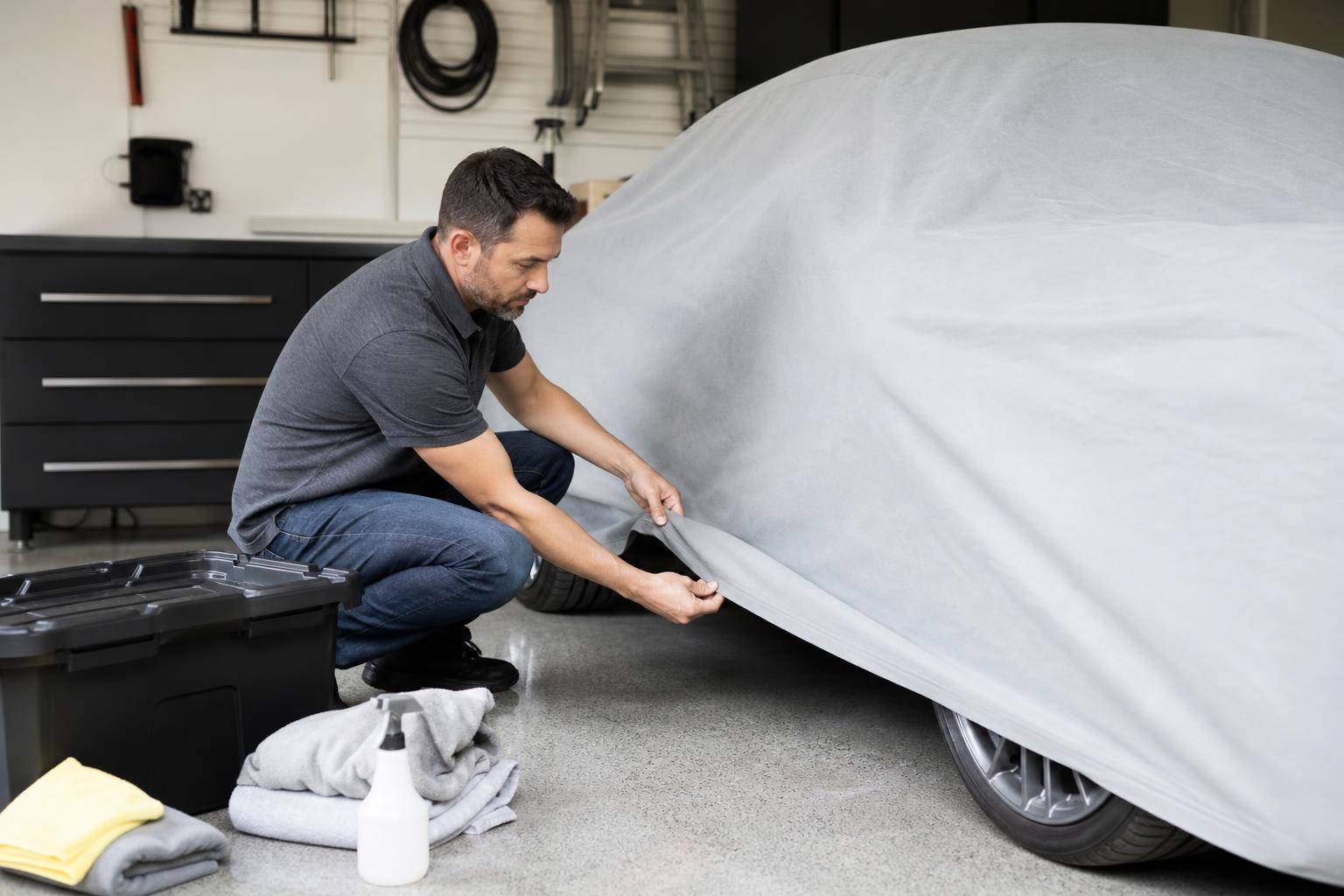
Even when parked inside a pristine, climate-controlled indoor bay, dust will eventually settle. Use a custom-fitted, highly breathable car cover. Avoid cheap plastic tarps that trap moisture and scratch the paint.
What exact size storage unit do I need to safely store a car in Torrance?For the vast majority of standard sedans, compact crossovers, and mid-size SUVs, a 10x20 storage unit provides ample, highly comfortable space. It serves as the most popular, standard choice for secure car storage. However, if you are attempting to store a significantly larger vehicle, such as a lifted pickup truck or a commercial sprinter van, we highly recommend reserving an expansive 10x30 unit to ensure adequate height and length clearance.
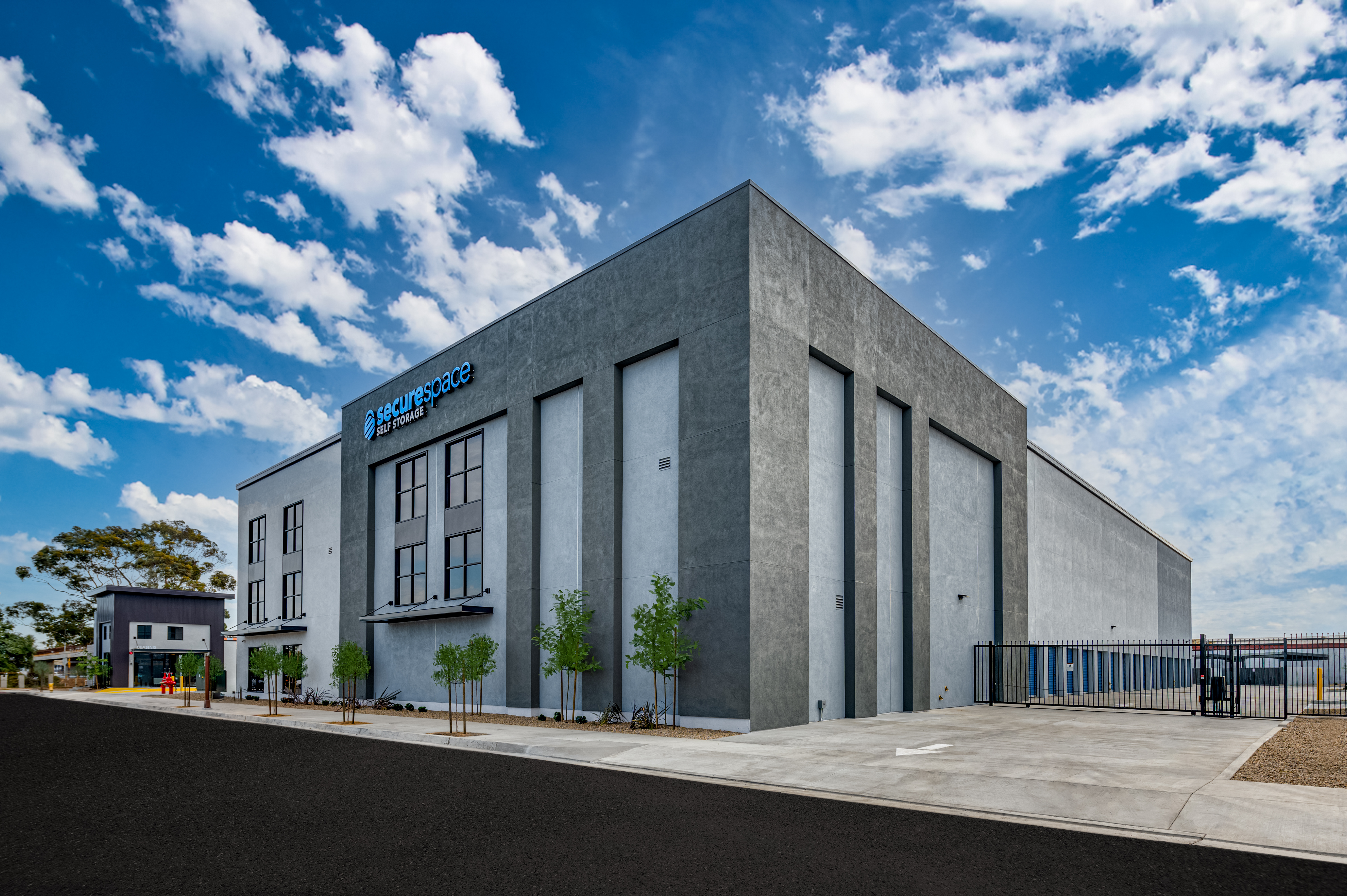
Does SecureSpace offer indoor, fully climate-controlled car storage?Yes, absolutely. The Torrance location features a state-of-the-art, newly constructed facility boasting an incredible 71,000 square feet of pristine, climate-controlled space. Securing an indoor, climate-controlled unit is highly recommended and often considered essential for classic car collectors. This specialized environment acts as an active shield, protecting your valuable investment from the corrosive effects of marine salt air and fluctuating humidity.
What specific security measures are currently in place?The security of your automotive asset is our absolute highest priority. The premium facility utilizes advanced 24/7 digital video surveillance networks covering all angles. Furthermore, the property utilizes robust perimeter fencing, bright facility-wide LED lighting, and highly secure, digitally gated access points.
Can I legally store my secondary car if my HOA strictly restricts driveway parking?Absolutely. A significant portion of local clientele utilizes premium vehicle storage specifically because stringent local Torrance HOA regulations completely prohibit long-term street or driveway parking. Moving your vehicle to a commercial facility ensures you remain fully compliant with your neighborhood rules, entirely avoiding the threat of towing.
You do not have to live with the stress of crowded driveways, aggressive neighborhood parking enforcers, or the constant threat of coastal weather damage. Taking proactive steps to protect your automotive assets gives you incredible peace of mind and preserves the value of your vehicles for years to come.
Experience the difference of a newly built, Class-A architectural facility strategically located just off the I-110 Harbor Freeway. Whether you need an expansive space for a work truck or a hermetically sealed bay for a classic vintage cruiser, we have the perfect flexible storage solution tailored to your needs.
Ready to reclaim your driveway and protect your investment? View our available inventory and reserve your space online today by visiting SecureSpace Car Storage in Torrance, CA.
Everything you need to store your belongings securely, on your schedule.
Visit us online