Running out of room in your house is a common frustration, especially as families grow, hobbies expand, and we hold onto items with sentimental value. You might buy a new surfboard, invest in bulky camping gear, or inherit a collection of antique furniture, only to realize your garage is completely full. When your closets are packed and your vehicles are parked in the driveway because there is no room inside, finding a reliable way to organize your belongings becomes a top priority.
For many residents in the South Bay, resolving this issue comes down to two primary options. You can either build a permanent storage shed in your backyard or rent a self storage unit nearby. Both choices offer distinct advantages, but deciding which path to take requires a close look at your specific needs, budget, and living situation.
Taking on a backyard construction project might seem straightforward at first glance. You purchase a kit, set it up, and instantly have a place for your tools and holiday decorations. However, property owners quickly discover that local zoning laws, neighborhood rules, and construction costs can complicate the process significantly. On the other hand, renting a unit offers immediate relief, though it requires a monthly commitment.
To help you make the best choice for your home, this guide explores the factors Torrance residents may need to consider. We will look at local permitting rules, neighborhood association guidelines, financial costs, and how the coastal climate can affect personal property. By understanding the full picture, you can select the organizational solution that best fits your lifestyle.
The residential landscape in Torrance represents a competitive, premium real estate market. Neighborhoods like Southwood and Old Torrance feature established homes that can command high property valuations. According to data from NeighborhoodScout, homes in these areas often reflect significant financial investments. Residents rightly view their properties as appreciating assets, which means any exterior modification should be handled with care to maintain curb appeal.
Many of the houses in these desirable neighborhoods were built during the mid-century post-war boom. While these homes are full of character, they were originally designed with less closet space than many modern constructions. This lack of built-in organization naturally drives homeowners to seek external ways to manage their belongings.
At the same time, available yard space can be limited. Some single-family properties in historic or mid-century neighborhoods have modest lot sizes once you account for the primary dwelling, driveway, garage, and basic landscaping. The remaining outdoor recreational space can be precious.
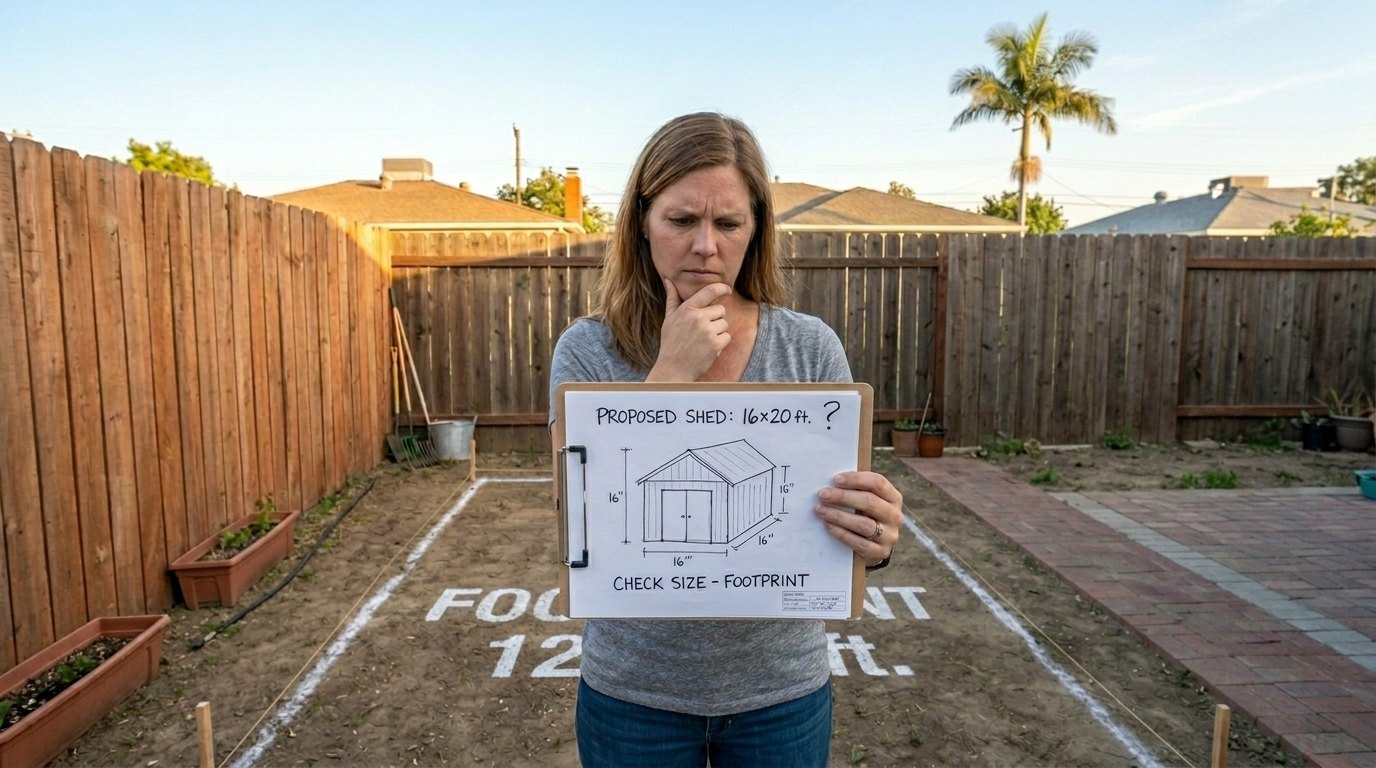
Installing a standard 10x10 or 10x15 storage shed can consume a meaningful portion of that valuable green space. In a coastal California city where outdoor living areas are highly prized for relaxing and entertaining guests, sacrificing part of your backyard for a bulky storage structure can be a major drawback.
Building a shed is rarely as simple as buying a structure and placing it on your grass. The City of Torrance enforces building codes and zoning ordinances that dictate what you can and cannot build on your property.
The city operates under the California Building Code. While the City of Torrance Building & Safety Division notes that one-story detached accessory structures used as tool and storage sheds are exempt from formal building permits, this exemption has strict limits. Homeowners should confirm current size, height, placement, and code requirements before building, since zoning and setback rules may still apply even when a formal building permit is not required.
Even if you choose a smaller shed that bypasses a formal building permit, you may still need to follow Torrance Municipal Code setback rules and other zoning requirements. Because these rules can affect where a shed may be placed, the structure may need to sit farther into the yard than expected. This can reduce usable lawn space and affect landscaping plans.
For those living in planned communities or historic districts, the approval process can be more involved. Homeowners Associations (HOAs) and community architectural committees may regulate exterior modifications. If you live in an area governed by the Historic Preservation Program or a strict HOA, you will likely need written approval from an Architectural Review Committee before beginning any work.
These neighborhood guidelines can be detailed. They may require that a new shed match the primary residence in roof pitch, exterior paint color, siding material, height, or placement. The approval process may also require application materials such as site plans, elevation drawings, or design details, and review timelines can vary by community.
Financially, the decision between a backyard shed and a storage unit often pits a large upfront expense against a monthly rental cost. Homeowners may experience sticker shock when they realize the true cost of a quality shed.
While a basic plastic or metal shed kit might seem affordable, meeting architectural standards or building something durable enough for coastal conditions can cost more. The cost to build a shed heavily depends on materials and site preparation. A higher-quality wooden shed, site preparation, foundation work, and professional assembly can all increase the total investment.
Additionally, you may need to account for supplementary costs. Land clearing, yard leveling, a proper foundation, and contractor labor can add to the bill. If the shed needs to satisfy HOA or architectural requirements, custom materials and design adjustments may increase the cost further.
In contrast, renting a self storage unit provides immediate space with less upfront commitment. Current rates and availability can vary, so homeowners should review pricing online or contact the facility directly before comparing storage to a shed project.
When you compare the two options, commercial storage can be especially useful for short- to medium-term needs. A shed requires an upfront construction investment and ongoing maintenance, while a storage unit lets you rent space based on your current needs. This flexibility can be valuable during a move, remodel, family transition, or seasonal decluttering project.
There is also a persistent myth that adding a shed will increase your property's resale value. Real estate experts at HomeLight point out that while a luxury Accessory Dwelling Unit (ADU) boosts home value, a basic storage shed rarely impacts actual bank appraisals. In some cases, a poorly maintained shed may be viewed as a tear-down liability by future buyers, detracting from your home's curb appeal.
The specific climate in Torrance introduces another layer of complexity. The persistent marine layer brings coastal humidity, moisture, and salty ocean breezes. While the weather is beautiful for residents, it can create a harsh environment for outdoor structures and the items stored inside them.
Subterranean and drywood termites thrive in warm, moist environments in the South Bay. According to local experts at Bay Cities Construction, outdoor wooden structures are prime targets for rapid infestation, especially if they have poor ventilation or direct wood-to-ground contact. A wooden backyard shed may require regular maintenance, sealing, painting, and pest inspections. If a shed becomes infested, it could also increase pest concerns near the home.
Metal sheds avoid the termite issue but may be susceptible to rust and corrosion in salty coastal air. Outdoor sheds can also experience temperature swings throughout the day, which may affect wooden furniture, vinyl records, electronics, and other sensitive belongings.
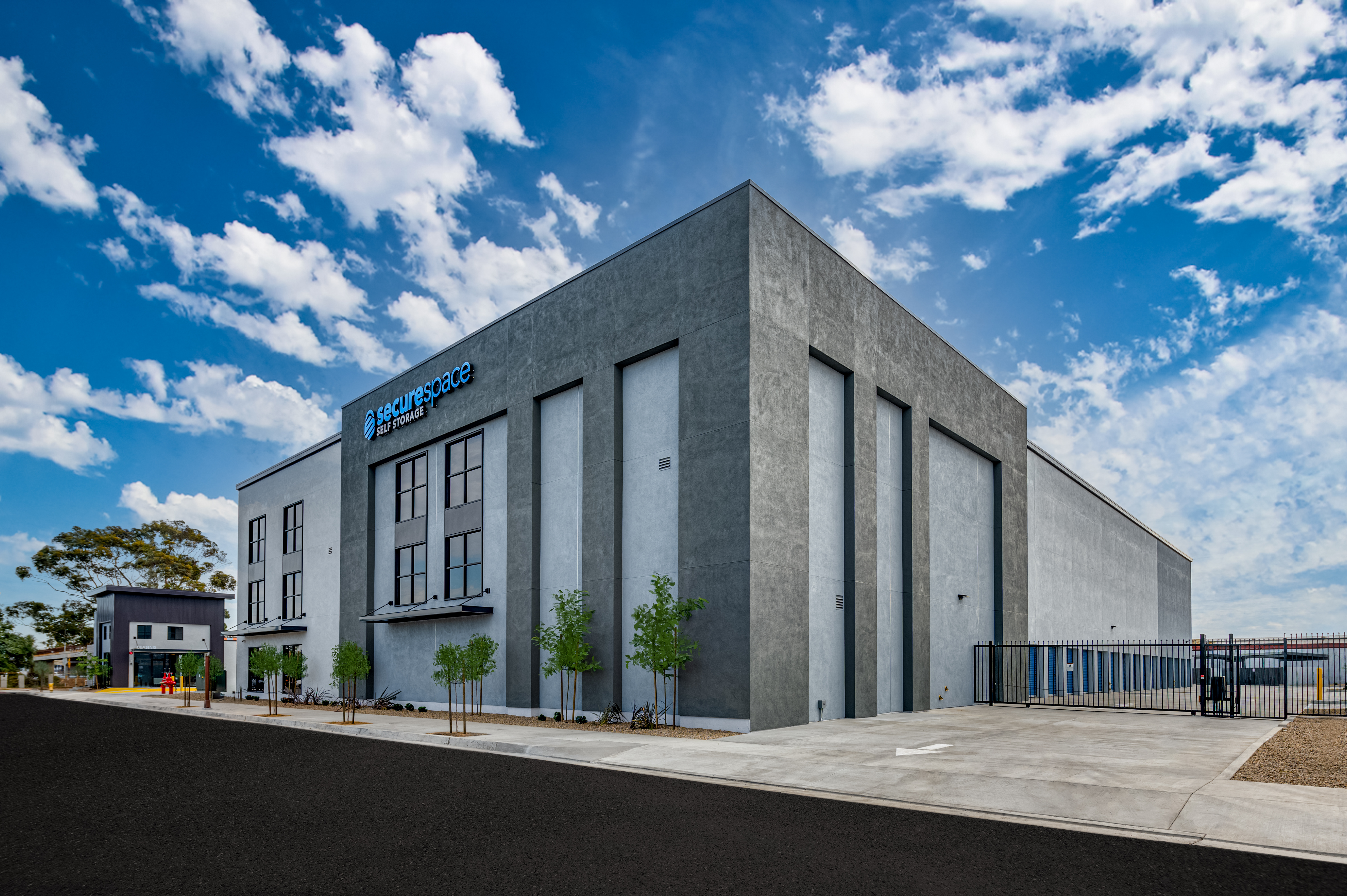
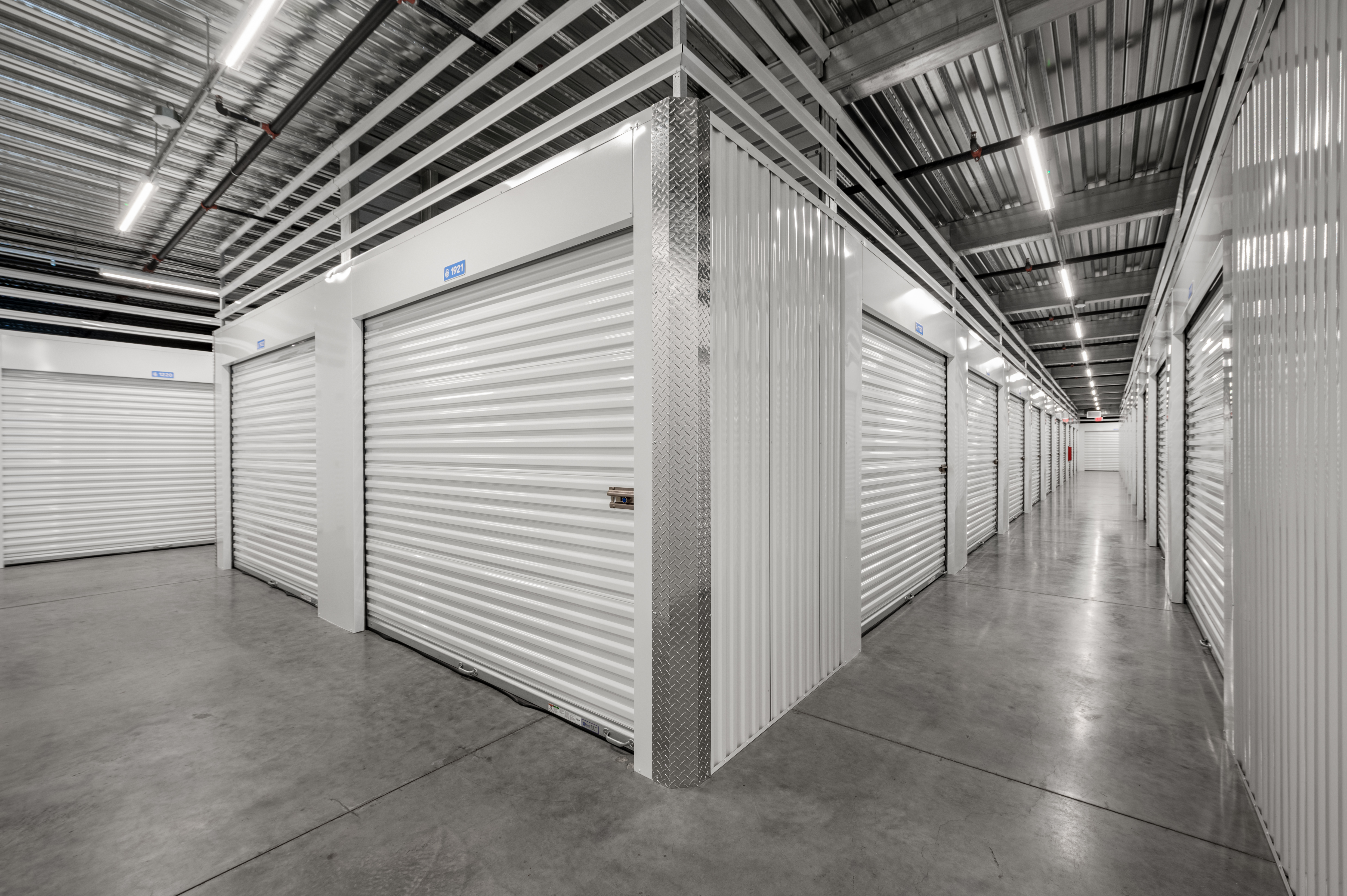
Self storage can help reduce some of these environmental concerns. SecureSpace Self Storage West Carson Torrance offers climate-controlled storage, which can help reduce exposure to temperature swings compared with non-climate-controlled spaces. Climate-controlled storage should not be treated as a guarantee against mold, mildew, humidity damage, heat damage, rust, or corrosion, but it can be a practical option for sensitive household items, furniture, and documents.
When you store valuable items like power tools, expensive sporting equipment, or family heirlooms, security is a major concern. A standard backyard shed is often secured with a simple padlock, which may not provide the same level of access control as a modern storage facility.
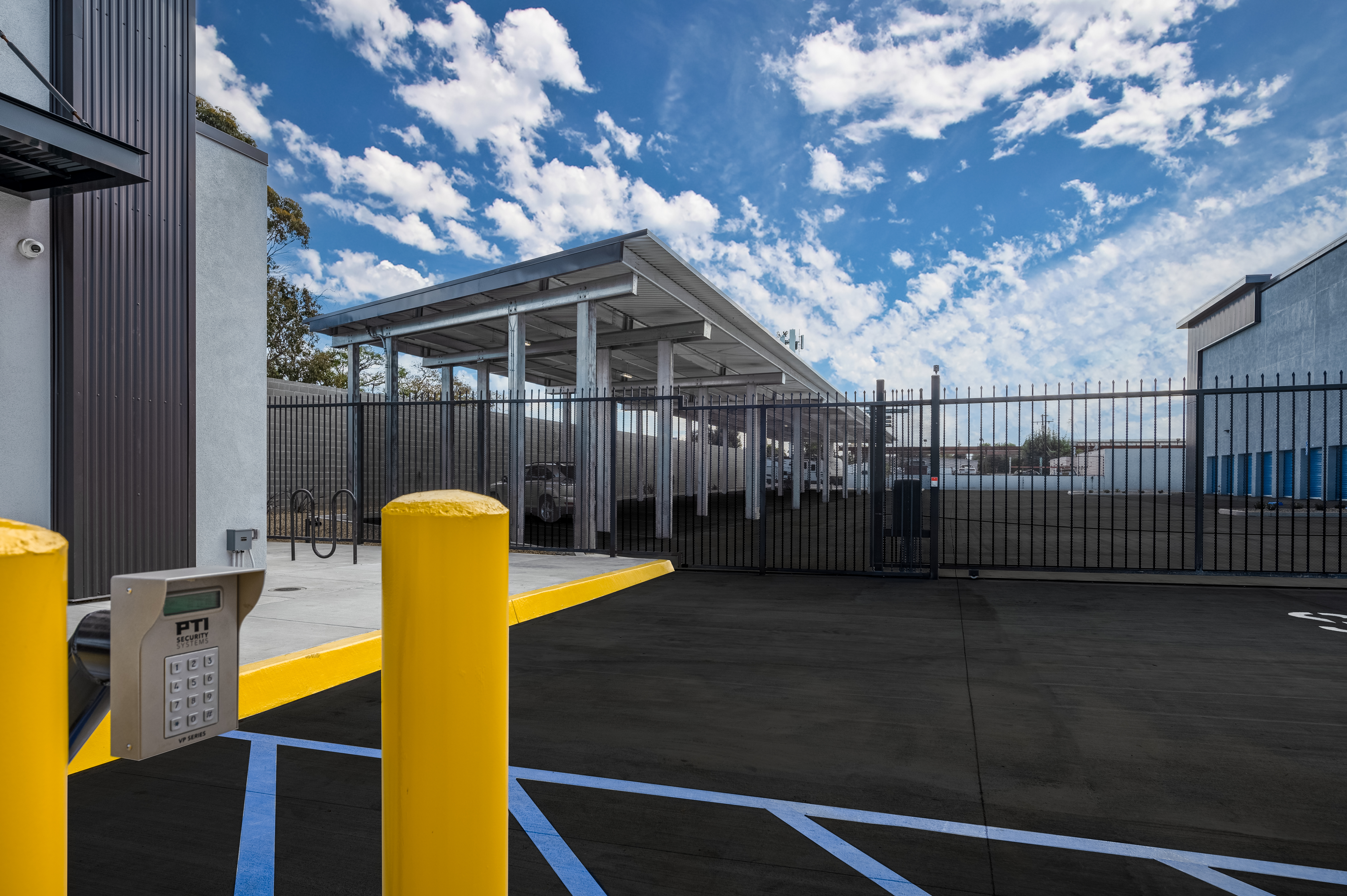
Modern self storage facilities can offer security features that a backyard structure generally cannot replicate. SecureSpace Self Storage West Carson Torrance offers gated access, digital video recording, touchless computer-controlled access, logged access, and overnight surveillance. These features can help support a more secure storage experience without implying guaranteed protection or round-the-clock access to stored items.
Some one-story detached accessory structures used as tool and storage sheds may be exempt from a formal building permit if they meet applicable size, height, and code requirements. However, zoning rules, setbacks, HOA requirements, and property-specific restrictions may still apply. Homeowners should confirm current requirements with the City of Torrance or qualified local professionals before building. For a faster space solution that avoids a shed construction project, renting a local self storage unit may be a practical alternative.
They may be allowed, but they can be regulated. If you live in a Torrance neighborhood governed by a Homeowners Association, you may need to submit an application to an Architectural Review Committee before building. HOAs may restrict shed height, color, placement, visibility from the street, and exterior materials. Review timelines and documentation requirements vary by community.
In the short to medium term, renting can be more cost-effective because it avoids a large upfront construction expense. The total cost to build a shed depends on materials, labor, site preparation, foundation needs, and any HOA or design requirements. A storage unit allows you to rent space based on your current needs and review current rates before committing.
A basic storage shed generally does not increase a home's official appraised value. While it may add convenience for buyers who need organization, it is not typically considered a major asset. In coastal areas like Torrance, wooden sheds may also require maintenance to avoid termite damage, dry rot, or curb-appeal issues.
Clearing out your garage and reclaiming your living space shouldn't require months of project management, expensive construction fees, and HOA meetings. While building a backyard shed gives you physical proximity to your items, the costs, loss of yard space, and ongoing maintenance can outweigh the benefits for some homeowners.
Renting a dedicated unit offers flexibility, climate-controlled storage options, and helpful security features without altering your home's exterior or navigating shed-related setback rules. Whether you need to store seasonal shopping finds from the Del Amo Fashion Center or keep recreational gear organized after a day at Charles H. Wilson Park, an off-site unit can help keep your property clean and organized.
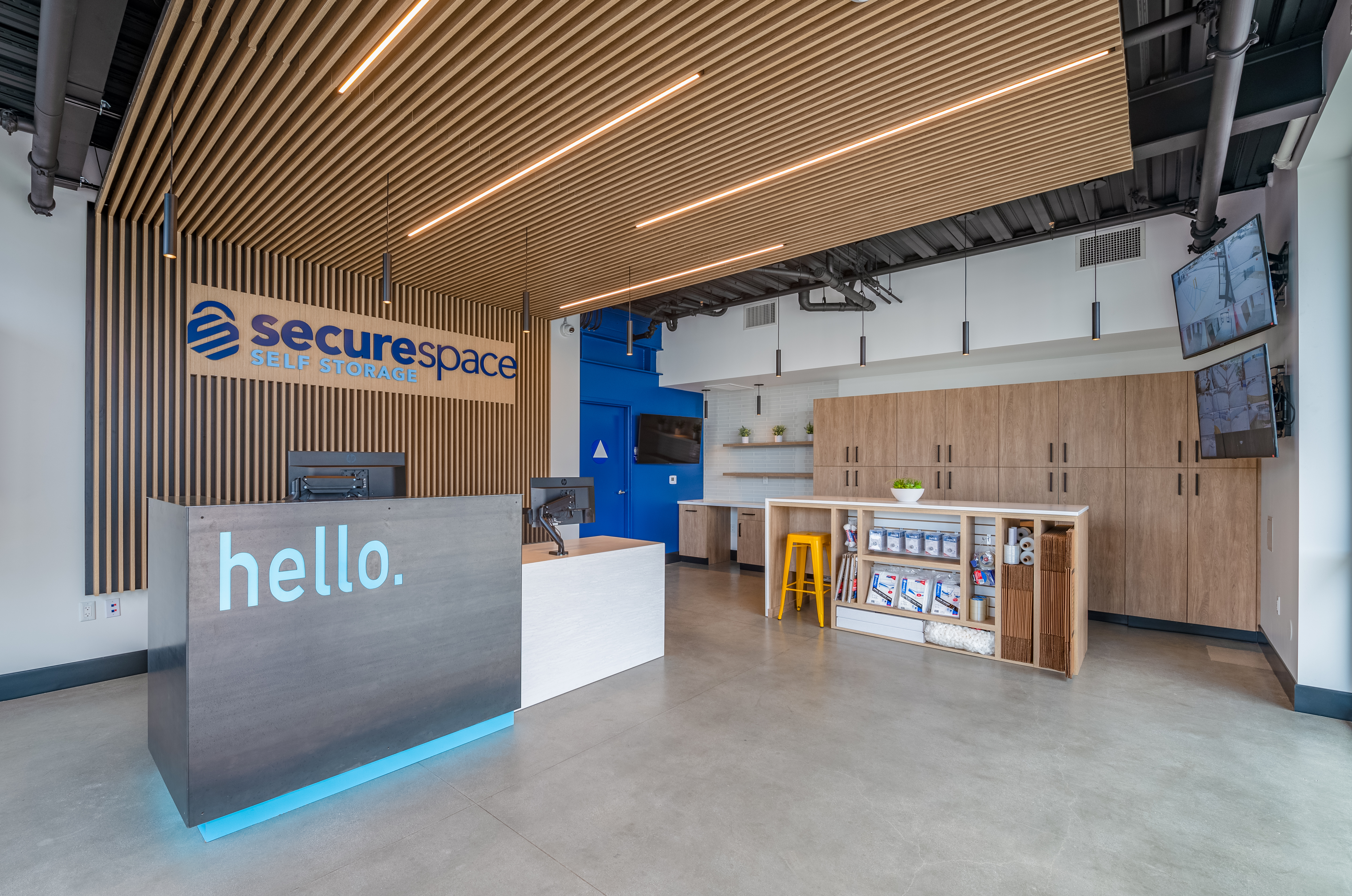
If you are ready to reclaim your space, SecureSpace Torrance offers a modern facility located conveniently at 722 W 220th St, just off the I-110. With available climate-controlled storage options, online payments, and touchless move-in, you can find a storage solution without building a shed or going through shed-related permit and HOA approval steps.
Everything you need to store your belongings securely, on your schedule.
Visit us online