Last updated Jun 26, 2026
Protecting a vehicle starts with choosing a storage option that actually fits the car, the season, and the facility's requirements. In Piscataway, that may mean outdoor parking or an eligible drive-up unit, depending on the vehicle's dimensions, current availability, documentation, and facility rules.
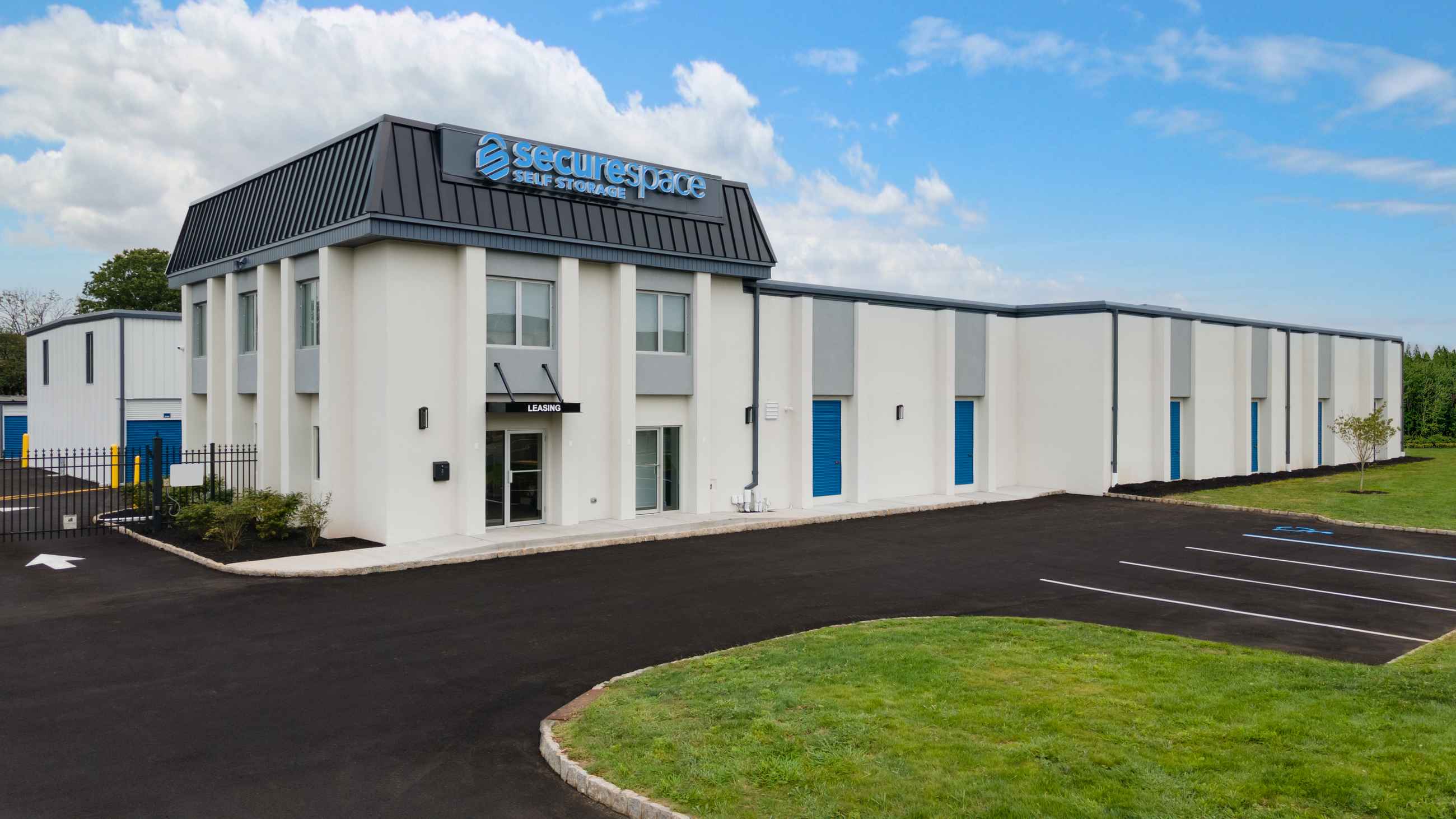
SecureSpace Self Storage Stelton-Piscataway offers outdoor parking, and vehicles may be stored in drive-up units when the vehicle fits, the right unit is available, and all facility requirements are met. Before renting, confirm the storage option, access details, and any vehicle-specific rules.
This guide explains how to compare vehicle storage options, what to know about indoor and drive-up storage, and how to prepare a car before storing it for an extended period.

Piscataway drivers may compare vehicle storage when driveway space is limited, a lease or HOA rule restricts parking, or an extra vehicle needs a dedicated place to sit between uses. The right option depends on the vehicle type, how often you need access, and whether you are storing anything else with the vehicle.
Central New Jersey weather can include road salt, rain, snow, heat, and seasonal moisture. A storage option can help with parking logistics, but it does not replace proper vehicle prep.
Some automotive resources discuss the benefits of storing vehicles in stable indoor environments. According to Focus2Move, keeping a vehicle in a stable, climate-controlled environment can help reduce moisture-related concerns that may contribute to rust. For SecureSpace Self Storage Stelton-Piscataway, do not assume specialized climate-controlled vehicle storage unless the vehicle, unit type, and facility requirements support that use.
For most vehicle owners, the practical first step is to confirm where the vehicle can be stored, then prepare it based on the owner's manual, storage timeline, and parking environment.
Local parking rules, leases, HOA requirements, and limited garage space can all affect where a vehicle can sit. Storage may be helpful if you need to free up a driveway, keep a seasonal vehicle off-site, or store an eligible vehicle between uses.
Before renting, review your own parking restrictions and confirm the vehicle-storage requirements with the facility. Do not assume every car, van, motorcycle, or trailer will fit every unit or parking space.
The best vehicle storage option is the one that fits your vehicle and makes pickup, drop-off, and long-term prep manageable. Focus on practical details such as parking type, unit size, gate access, documentation, and whether the space is eligible for vehicle storage.
Outdoor parking may be a practical choice for eligible vehicles when you need a dedicated place to park between uses. At SecureSpace Self Storage Stelton-Piscataway, outdoor parking is available, but current availability and vehicle eligibility should be confirmed before renting.
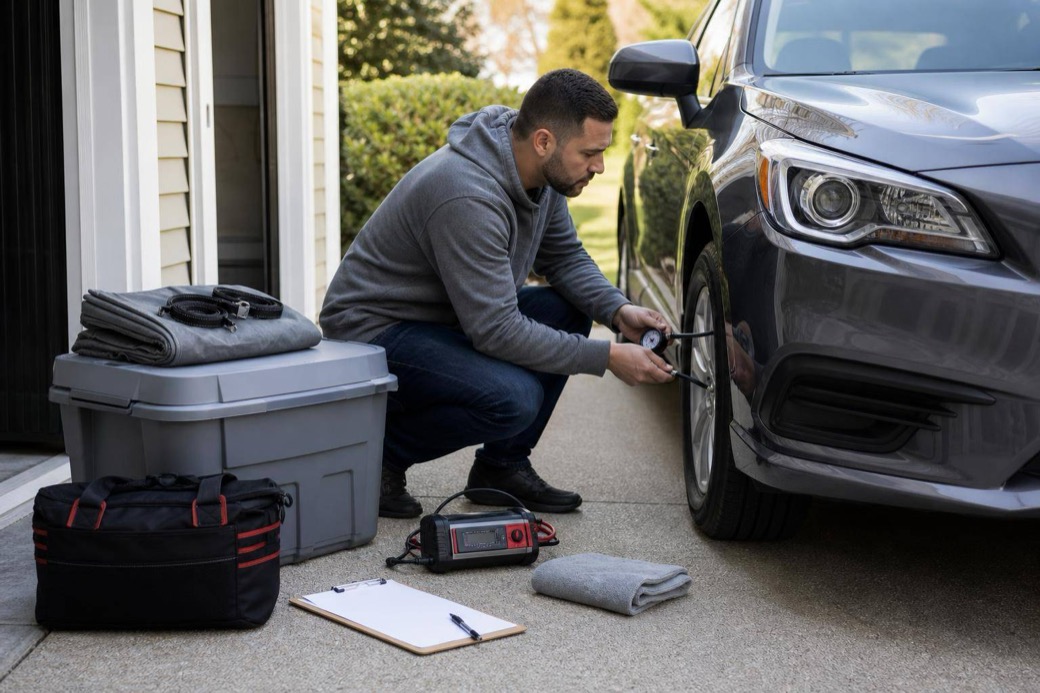
Outdoor parking leaves the vehicle exposed to weather, so preparation matters. Wash the car, remove valuables and food, check tire pressure, and follow the owner's manual for longer storage periods.
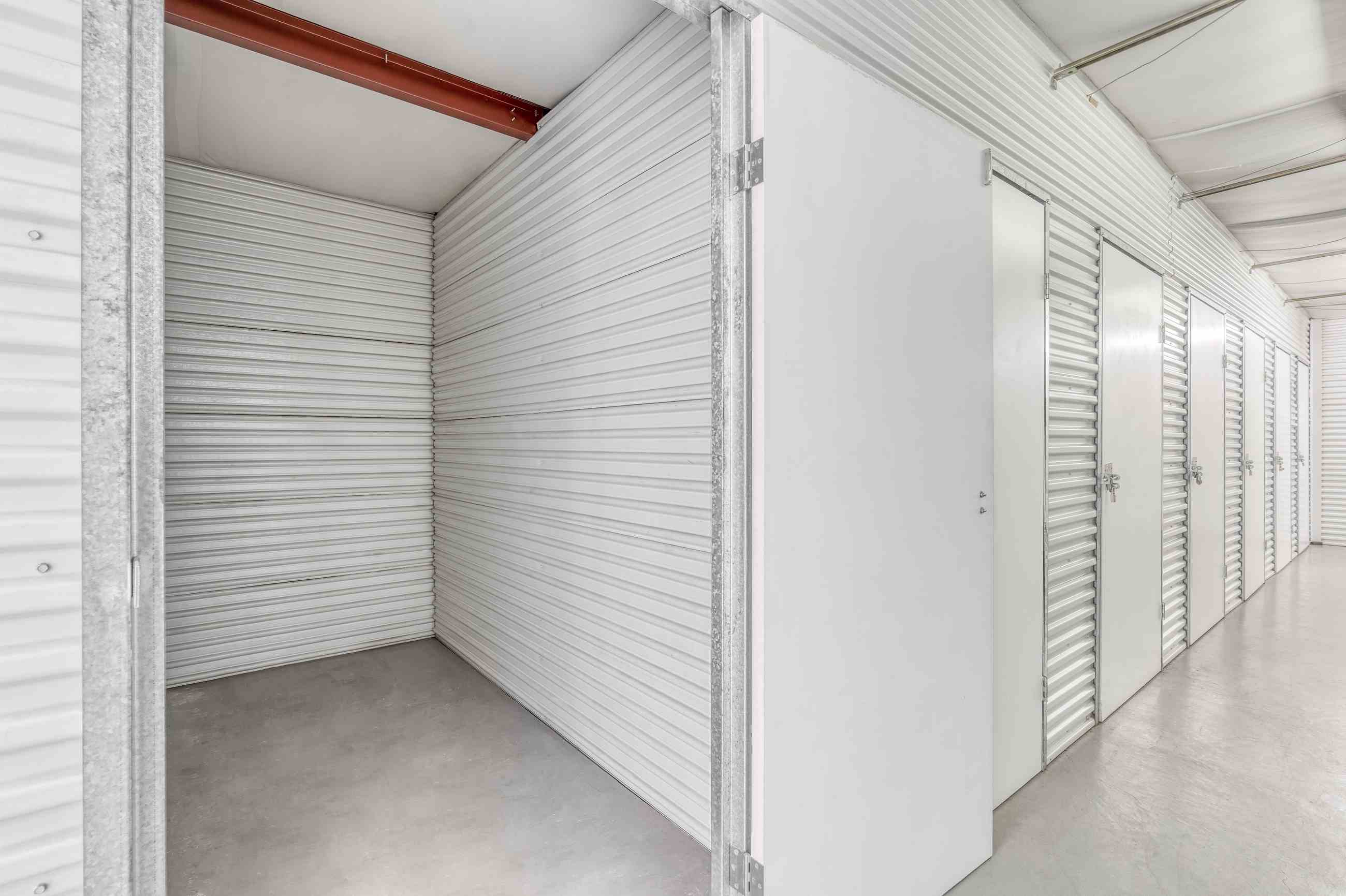
Drive-up units may work for certain vehicles when dimensions, door clearance, unit availability, documentation, and facility rules align. SecureSpace Self Storage Stelton-Piscataway offers drive-up units, but vehicle storage in a unit should be confirmed before renting.
Measure the full vehicle length, width, and height, including mirrors, roof racks, hitches, and accessories. Leave room to maneuver, open the door, and exit safely.
Climate-controlled storage may be useful for items that can be affected by temperature changes, such as documents, electronics, fabrics, books, photographs, or wood furniture. For vehicles, climate-controlled storage should be discussed carefully and only when the vehicle and specific unit setup are eligible.
If you are storing accessories, parts, riding gear, or interior items separately, climate-controlled space may be worth comparing. For the vehicle itself, confirm the actual parking or unit option first.
Selecting the right size starts with measuring the vehicle, not guessing from a unit label. A listed unit size gives you floor space, but vehicle fit also depends on door opening, maneuvering room, and facility rules.
A 10x15 unit may be worth comparing for smaller eligible vehicles or motorcycles, depending on dimensions and facility rules. Measure carefully, and confirm that the unit type can be used for vehicle storage before renting.
A 10x20 unit may work for some standard vehicles when the vehicle fits and the facility allows that use. Check the vehicle's full length, width, and height, and make sure there is enough room to enter, park, and exit safely.
A 10x30 unit may be useful for larger eligible vehicles or for customers who need additional room around the vehicle. Availability, documentation, vehicle dimensions, and rental requirements should be confirmed before planning around this size.

Simply parking your car and walking away can lead to avoidable issues later. Automotive experts from Edmunds and Hagerty recommend preparation steps for winterization and long-term storage.
Wash the exterior, remove road salt or grime, and clean the interior before storage. Vacuum crumbs, remove trash, and make sure the vehicle is dry before it sits.
Check the owner's manual or ask a mechanic whether an oil change, fuel stabilizer, or other fluid-related steps make sense for your storage timeline. If you use a stabilizer, follow the label directions and vehicle manufacturer guidance.
A parked vehicle battery can lose charge over time. Depending on the vehicle and storage period, a battery maintainer, battery disconnect, or another manufacturer-approved approach may be appropriate. Do not assume electrical access is available in a storage unit.
Inflate tires to the manufacturer's recommended pressure before storage. For longer timelines, ask a mechanic whether periodic movement, jack stands, or other steps are appropriate. Many long-term storage guides also recommend avoiding the parking brake and using wheel chocks where safe and appropriate.
Remove food, scented items, and trash from the vehicle. Check common entry points and follow product labels carefully if using any deterrents. A clean vehicle and a quick inspection before and after storage can help reduce preventable issues.
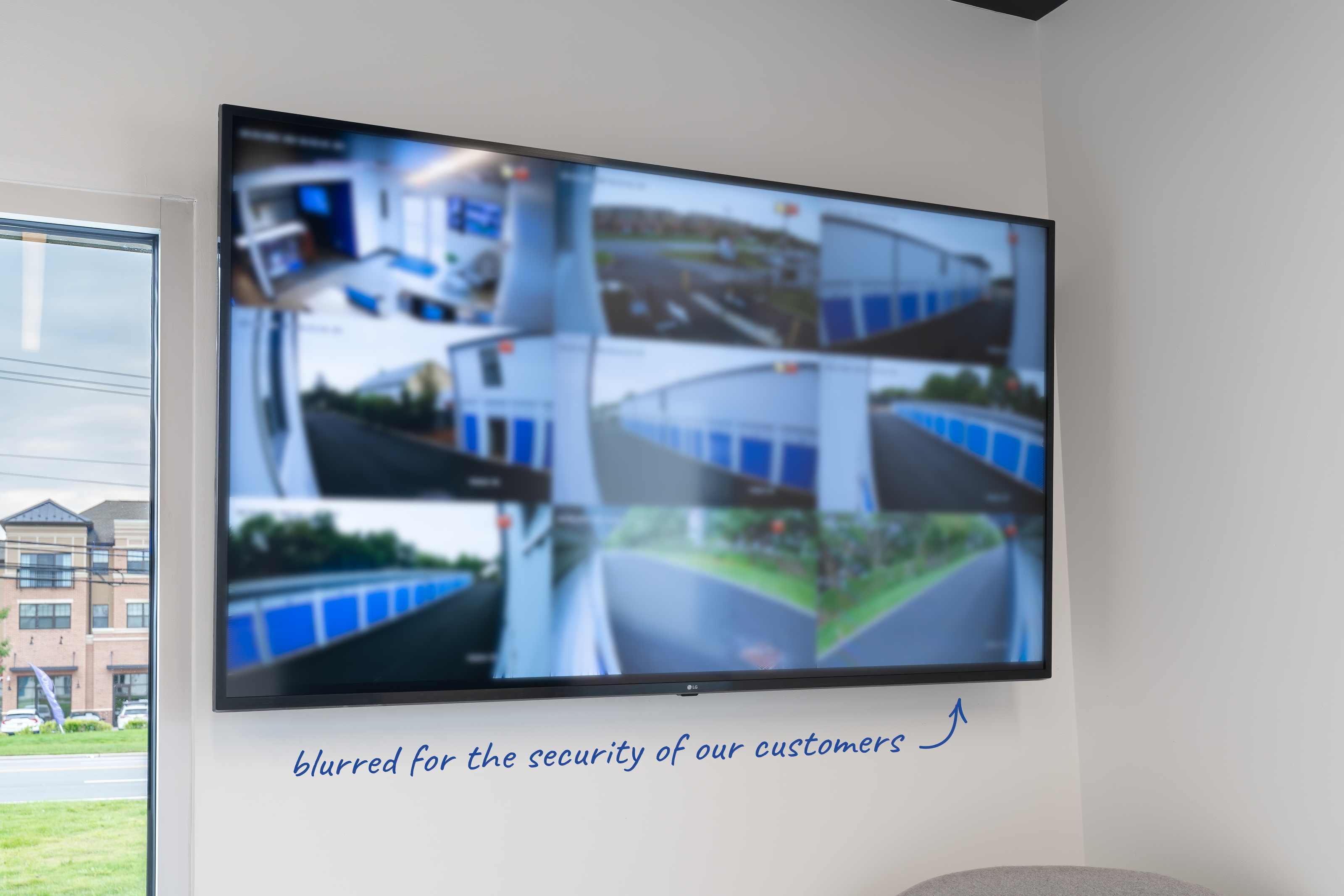
When storing a vehicle, look for specific security-related features rather than broad promises. SecureSpace Self Storage Stelton-Piscataway includes an access gate, digital video recording, logged access, and overnight surveillance.
Owners should also remove valuables, keep photos and records, lock the vehicle, and review insurance or coverage requirements before storage. Gate access is available daily from 6:00 AM to 10:00 PM, so plan pickup, drop-off, and periodic checks during that window.
Vehicle storage in Piscataway comes down to fit, availability, documentation, and preparation. Outdoor parking may be a practical option for eligible vehicles, while drive-up units may work when the vehicle fits and facility requirements allow it.
Before renting, measure the vehicle, confirm the current storage option, review the rental requirements, and prepare the car for the amount of time it will sit.
Take a closer look at vehicle storage options at SecureSpace Piscataway.
No. SecureSpace Self Storage Stelton-Piscataway does not offer heated storage. Climate-controlled storage is available, but vehicle storage eligibility depends on the specific vehicle, unit type, current availability, documentation, and facility rules.
Some vehicles may be stored in drive-up units when the vehicle fits, the right unit is available, and facility rules and documentation requirements are met. Measure the vehicle and confirm eligibility before renting.
Do not assume electrical access is available in a storage unit. Follow the vehicle owner's manual or mechanic guidance for battery care, and ask the facility about current rules before planning around a charger.
Possibly. Some HOAs, leases, or local parking rules limit where vehicles can be parked. Review your own rules first, then compare outdoor parking or eligible drive-up storage if home parking is not practical.
Everything you need to store your belongings securely, on your schedule.
Visit us online