Last updated Jul 31, 2026

Storage needs often appear during an already busy transition. A closing date changes, a renovation starts sooner than expected, military orders arrive, or a lease ends before the next home is ready.
There is no fixed reservation timeline that works for every move in Everett. Availability changes with unit type, current inventory, and customer demand. The most practical approach is to begin checking options once you know your approximate move date, the belongings you need to store, and the type of access you prefer.
Planning early can give you more choices, but customers should avoid assuming that a particular unit will sell out within a predictable window or that a reservation includes specific pricing and cancellation guarantees.
The ideal time to reserve depends less on the calendar and more on how specific your requirements are.
Begin reviewing storage once your move window becomes reasonably clear.
You may not know the exact day yet, but an approximate timeframe can help you identify available unit types and understand the facility's current reservation terms.
Customers looking for a particular combination of indoor access, drive-up access, climate control, heating, or elevator access may benefit from checking availability earlier.
Inventory can change, and not every feature applies to every unit.
A flexible renter who only needs a compact unit may have different options from someone storing furniture and boxes from an entire household.
Create an inventory and measure bulky belongings before reserving. This reduces the chance of selecting a unit that is too small or paying for substantially more room than necessary.
Think about how frequently you expect to visit.
Indoor and drive-up units create different loading experiences. Customers who plan to retrieve items regularly may also want enough room for an aisle and clear access to frequently used boxes.
Everett households use storage for many reasons, but each situation requires a slightly different planning approach.
Employment-related moves may involve temporary housing, changing start dates, or relocation benefits administered through providers such as Altair Global.
Relocation benefits and storage allowances vary by employer and employee. Review the specific policy rather than assuming it covers storage for a set period or transfers automatically to a personal rental.
Once you understand what the relocation package includes, check personal storage options before the benefit ends or the household move begins.
Military moves can involve changing orders, deployments, temporary housing, and shifting transportation schedules.
Customers connected to Naval Station Everett should avoid relying on a rigid reservation deadline. Instead, begin reviewing storage when the move window becomes clearer and ask the facility about current reservation, modification, and cancellation terms.
Month-to-month leasing may provide flexibility, but billing dates, notice requirements, and move-out procedures still apply.
Storage may help when staging a home, preparing for showings, completing renovations, or bridging a gap between closing dates.
Create a list of what needs to leave the home before choosing a unit. A homeowner clearing a few rooms may require a different amount of space from someone storing most household furniture.
Do not select a large unit solely because it is commonly recommended for home staging. Measure the actual belongings and consider whether they can be safely stacked.
A gap between leases can create a short-term storage need even when the eventual move is local.
Keep essential clothing, documents, medication, and daily-use items with you. Store furniture, boxes, and seasonal belongings that will not be needed during the temporary housing period.
Students may use compact storage between housing arrangements, academic terms, or internships.
Availability can change around common moving periods, but there is no verified booking window that applies to every student. Check options once travel and housing plans are reasonably settled.
Climate-controlled and heated storage options are available at SecureSpace Everett, but there is no established schedule showing that they consistently sell out before other units.
Customers interested in these features should check current availability once they know their storage timeline.
Climate-controlled and heated units may help reduce exposure to temperature swings and cold conditions. They should not be described as precise humidity-management systems or as guarantees against mold, corrosion, warping, or other damage.
The EPA's mold guidance emphasizes controlling moisture. Belongings should therefore be clean and completely dry before storage, regardless of the selected unit type.
Follow manufacturer guidance for electronics, appliances, furniture, and other belongings with specific storage requirements.
Timing is only one part of choosing storage. Review the specific unit and facility features before committing.
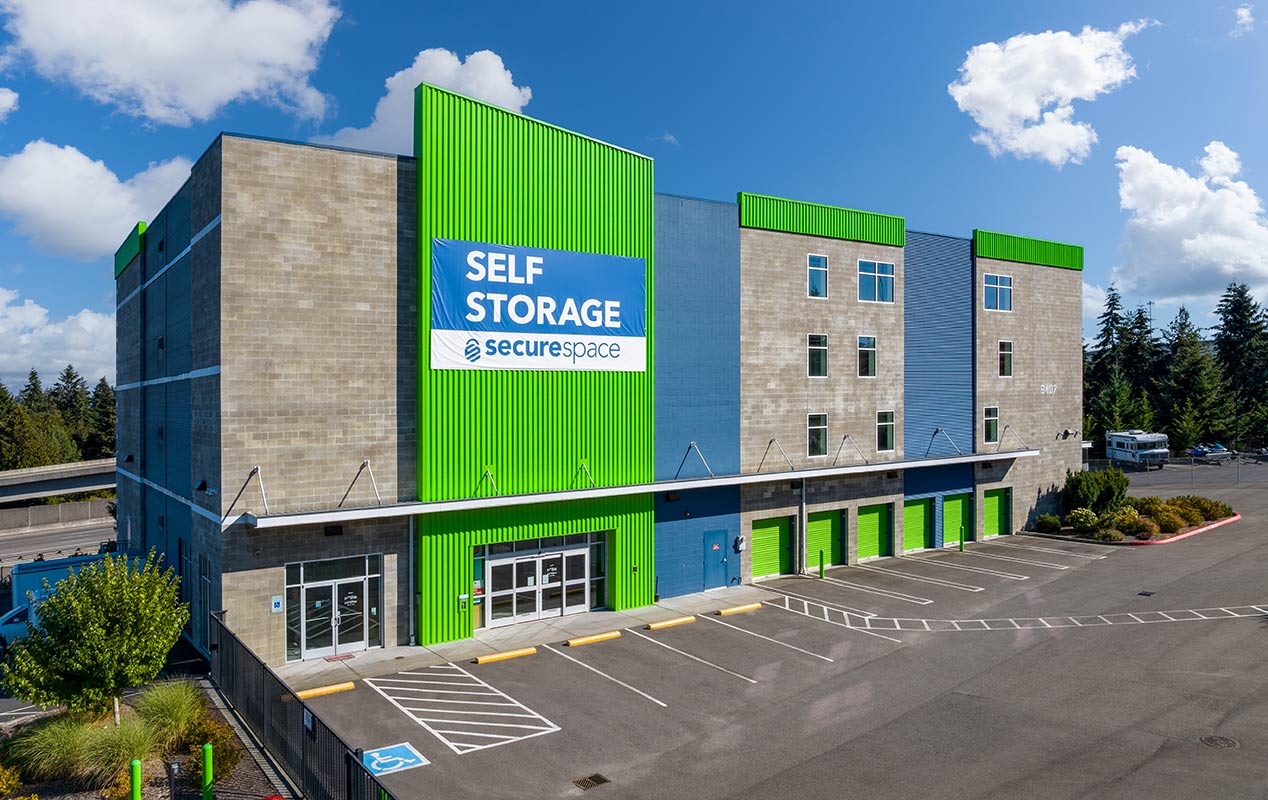
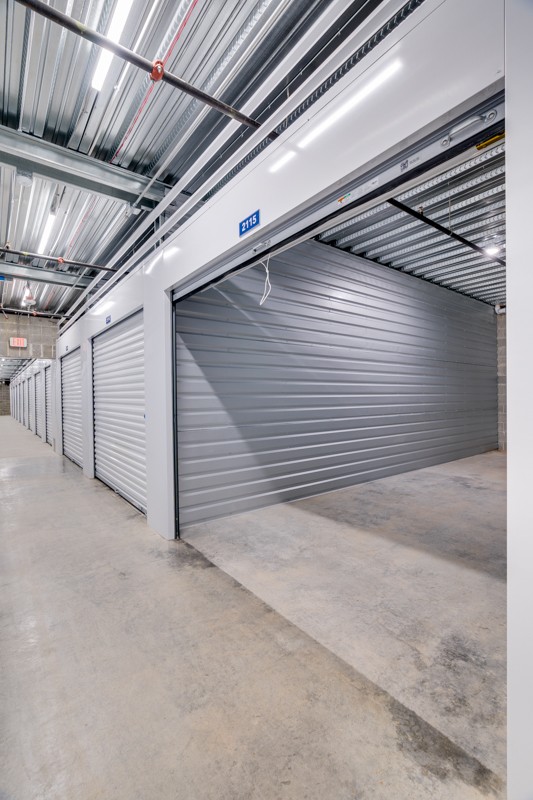
Indoor units are accessed through the building and may require use of an elevator.
Drive-up units allow customers to park closer to the storage door, which can simplify moving bulky furniture, equipment, and boxes.
Vehicles cannot be stored inside drive-up units at SecureSpace Everett.
Confirm whether the specific unit is climate controlled, heated, or standard.
Do not assume every indoor unit includes the same features.
Elevator access is available for indoor units away from the ground level.
Carts and dollies are also available to help move boxes and furniture through the building.
Outdoor parking is available for eligible motor vehicles, cars, boats, and recreational vehicles.
Confirm vehicle eligibility, dimensions, documentation requirements, current availability, and facility rules before making plans.
Covered parking and indoor vehicle storage are not available.
Review the gate-access schedule before selecting a facility.
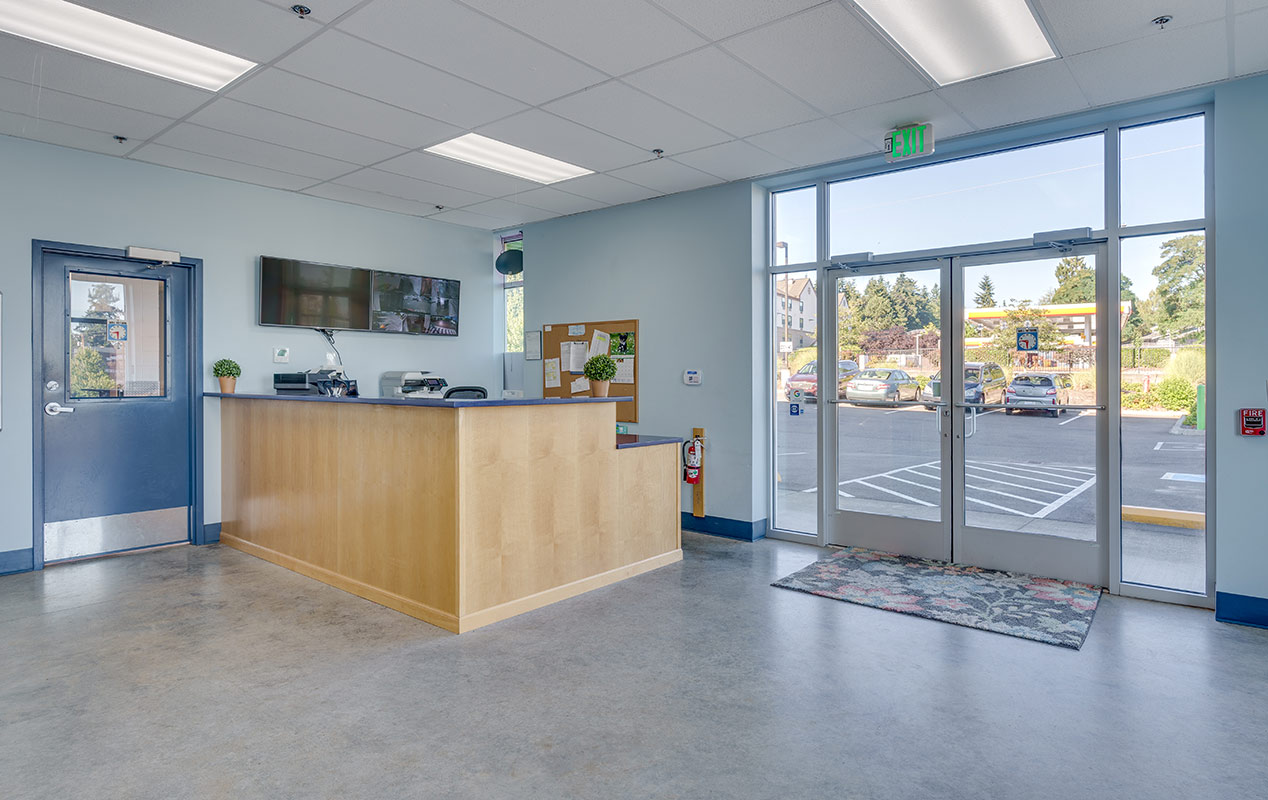
SecureSpace Everett provides access throughout the day and into the evening, but it does not provide unrestricted access at all hours.
Manager hours are separate from unit-access hours.
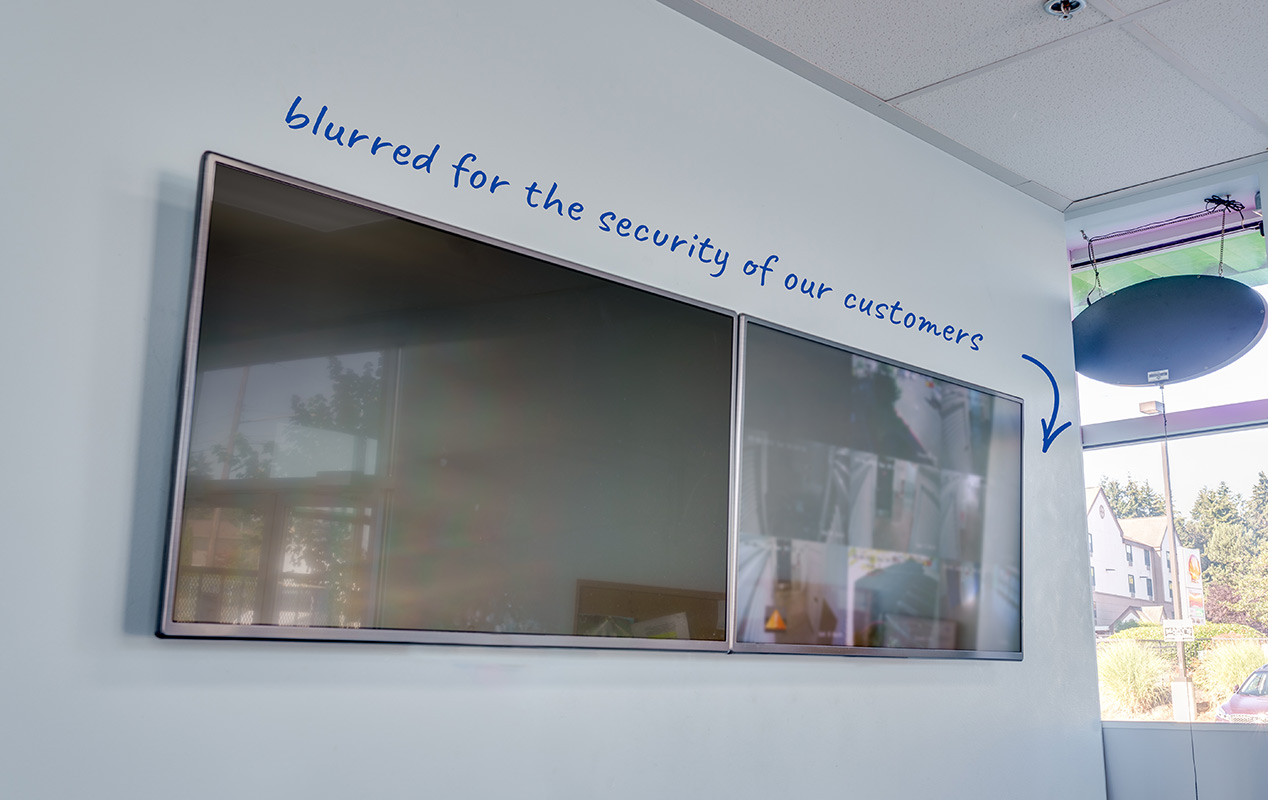
SecureSpace Everett includes an access gate, digital video recording, logged access, overnight surveillance, touchless computer-controlled access, and Turing-enabled monitoring.
These features support facility access and monitoring procedures but cannot guarantee protection against theft, loss, or damage.
Customers should also use a quality lock, maintain an inventory, review applicable coverage requirements, and protect access credentials.
Reservation terms can change, so confirm the current details rather than relying on general assumptions.
Ask about:
Whether payment is required to hold the unit
How long the reservation remains active
Whether the rate is held during the reservation period
What happens if the move-in date changes
Whether cancellation or modification fees apply
Which identification and payment steps are required
When access instructions are provided
Whether the selected unit features are guaranteed
Online rental and touchless move-in options are available, but the process may vary by unit and customer situation.
List furniture, appliances, boxes, equipment, and permitted business items.
An inventory makes it easier to estimate the amount of space required and identify belongings that need special preparation.
Measure sofas, tables, mattresses, shelving, and appliances.
Door openings, hallways, elevators, and the arrangement inside the unit can matter as much as total floor space.
Leave space to reach anything you may need before moving out.
A tightly packed unit may maximize capacity but make individual belongings difficult to retrieve.
Make sure the unit you reserve includes the access arrangement and storage features you expect.
Do not assume an indoor unit is climate controlled or that a drive-up unit can be used for vehicle storage.
Ask about the regular rental rate, introductory pricing, administrative charges, lock requirements, and applicable coverage obligations.
Promotions and current prices can change, so base the decision on the exact unit being offered.
Begin checking when your approximate move date, desired unit type, and expected storage volume are known.
Customers with flexible requirements may have more options, while those needing a particular feature combination may prefer to start earlier.
Reservation requirements can vary. Confirm whether payment, identification, or another commitment is required before the unit is held.
Do not assume that every reservation is free or that a rate will remain locked.
Policies for changing a move-in date may vary.
Review the current reservation terms and contact the facility if your timeline changes.
Availability changes over time, but there is no verified location-specific pattern establishing that climate-controlled units always rent before standard units.
Check current inventory once your move window is known.
Choose based on the amount and dimensions of the belongings rather than a generic room-count estimate.
Create an inventory, measure bulky pieces, and account for any aisle space you will need.
Online rental and touchless move-in options are available.
Follow the instructions for the selected unit because payment, identification, and access steps may vary.
There is no universal rule for how far in advance Everett residents should reserve storage. The best timing depends on current inventory, the selected unit type, the amount being stored, and how certain the move date is.
Start reviewing options once your plans are reasonably clear, verify the current reservation terms, and choose a unit based on measured belongings rather than urgency.
Check current availability directly through SecureSpace Self Storage Everett.
Everything you need to store your belongings securely, on your schedule.
Visit us online